Tag: Samsung

  • iPhone 17 OLED Supplier Banned in US for Stealing Samsung Secrets

    iPhone 17 OLED Supplier Banned in US for Stealing Samsung Secrets

    Key Takeaways

    1. Samsung has taken legal action against BOE for allegedly using its trade secrets, leading to a preliminary ruling from the ITC against BOE.

    2. The ITC may impose a 14-year and 8-month import ban on BOE displays in the US if the ruling is confirmed in November 2025.

    3. The potential import ban could severely impact BOE’s business in the US, requiring companies to pay a 100% bond for importing BOE panels.

    4. Apple and Google could face supply chain challenges due to BOE’s role in providing OLED displays for their devices, potentially limiting sales to non-US markets.

    5. A US ban on BOE could benefit Samsung and LG, while having less effect on Chinese manufacturers with limited US presence.


    Samsung appears to have achieved a significant victory against the Chinese display manufacturer BOE. In October 2023, Samsung took legal action against BOE at the US International Trade Commission, claiming BOE had unlawfully taken and used its trade secrets. The ITC has supposedly issued a preliminary ruling in July against BOE, with a final decision expected to be made by November 2025.

    Potential Import Ban

    The South Korean news outlet Chosun is now reporting that the ITC might impose a ban on BOE’s displays from being imported and sold in the US for 14 years and 8 months if the ruling is confirmed in November. This potential ban, which is described as “unprecedentedly severe,” would lead to an “immediate and total blockade” of all BOE displays in the US market. The anticipated ruling from the ITC is said to also affect BOE’s subsidiaries operating in the US.

    Impact on Technology Development

    As per Chosun, the ITC’s choice to restrict BOE for a period of 14 years and 8 months is linked to the extensive time Samsung Display invested in developing “core OLED technologies.” Furthermore, once the ITC’s ruling is confirmed and enters the review phase, companies looking to import BOE panels will likely have to pay a 100% bond. This could significantly hinder BOE’s business in the US.

    Consequences for Other Companies

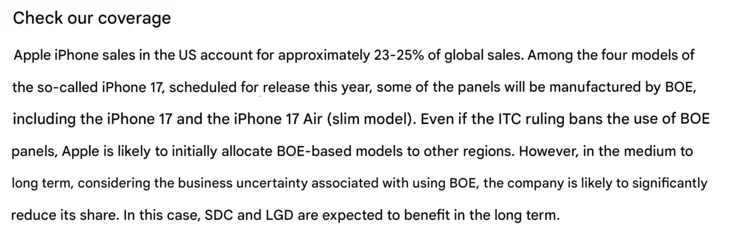
    According to reports from Meritz Securities Korea, BOE supplies OLED displays for the iPhone 17 and iPhone 17 Air. Due to the potential import restrictions, Apple may only be able to offer iPhone 17 models with BOE displays in non-US markets such as China. This could pose a major challenge to Apple’s supply chains over time, as BOE is a major supplier of OLED displays for devices like the iPhone 16e.

    Additionally, the ban on BOE displays could also impact Google’s Pixel devices. The Google Pixel 8/8 Pro and Pixel 9/9 Pro use a combination of Samsung and BOE OLED panels. While it remains unclear who will be the primary suppliers for the upcoming Pixel 10 phones, it is likely that BOE will still play a significant role. Therefore, the Pixel 10 models may also experience some disruptions in their supply chains.

    In conclusion, a US ban on BOE represents a notable development for Samsung and LG, who stand to benefit significantly from the ITC’s ruling. However, for Chinese manufacturers like Vivo, Oppo, and Huawei, which have minimal to no presence in the US, BOE will remain a crucial OLED manufacturer.

    Source:
    Link


  • One UI 8.0 Beta Launches for Galaxy Z Fold 6 and Z Flip 6

    One UI 8.0 Beta Launches for Galaxy Z Fold 6 and Z Flip 6

    Key Takeaways

    1. Samsung is speeding up the release of One UI 8, based on Android 16, to address delays faced with the One UI 7 update.
    2. The beta program for One UI 8 has been expanded to include Galaxy Z Fold 6 and Z Flip 6, with a broader rollout expected in regions like the UK, USA, and India.
    3. One UI 8 beta introduces significant changes, including a revamped interface and enhanced software functionalities for foldable devices.
    4. The Z Flip 6 will receive exclusive features such as a 90:10 split-screen option for multitasking and an updated Samsung Internet browser.
    5. Users interested in the beta can enroll via the Samsung Members app, but should be aware of potential bugs and stability issues.


    This year, Samsung is aiming to make up for the lengthy wait that its users faced for the One UI 7 update. The company is dedicated to launching the Android 16-based One UI 8 firmware more quickly, and to achieve this, it has broadened the beta program to include the Galaxy Z Fold 6 and Galaxy Z Flip 6. Previously, Samsung had done the same for the Galaxy S24 series, with more devices anticipated to follow in the upcoming weeks.

    Beta Program Expansion

    Currently, the beta for Samsung’s 2024 foldable phones is active in South Korea, but a more extensive rollout is anticipated shortly in regions such as the UK, USA, and India. This update introduces several new features, enhancements, and tweaks to the overall user experience.

    Key Changes in One UI 8

    The One UI 8 beta comes with significant modifications for the Galaxy Z Fold 6 and Z Flip 6. Users of these smartphones can look forward to a revamped interface and enhanced core software functionalities. For instance, Samsung has more closely integrated Secure Folder with Android’s native Private Space feature. Moreover, Samsung DeX is now built upon the native Desktop Mode of Android 16.

    Exclusive Features for Z Flip 6

    Among other improvements are a redesigned user experience for Quick Share and improved management of alarms, calendars, and reminders. Additionally, the Z Flip 6 is set to receive unique features like a 90:10 split-screen option for enhanced multitasking, along with an updated version of the Samsung Internet browser.

    If you own a Galaxy Z Fold 6 or Z Flip 6 and are interested in testing the beta, you can enroll through the banner in the Samsung Members app. Just keep in mind that this is a beta version, so you may encounter some bugs and stability issues.

    Source:
    Link


  • Samsung Galaxy S25 Ultra Users Report Moon Photography Problems

    Samsung Galaxy S25 Ultra Users Report Moon Photography Problems

    Key Takeaways

    1. Users of the Samsung Galaxy S25 Ultra are reporting issues with moon photography after updating to the One UI 8 beta, where the moon appears in a pink hue.
    2. The camera app preview displays the moon’s correct color, but saved images show incorrect shades, indicating a white balance problem in final processing.
    3. Normally, cameras adjust white balance to remove color tints, but a failure in this adjustment can lead to inaccurate moon images.
    4. There is hope for a fix before the official release of One UI 8, expected in September, as the issue occurred during beta testing.
    5. Samsung has previously faced criticism for its moon photography, particularly for relying too much on AI enhancements that distort the appearance of the moon.


    Over the past few days, there has been a growing number of reports on Samsung’s community forum and on X regarding issues with the Samsung Galaxy S25 Ultra (starting at $1,106 on Amazon). Users who have updated to the latest beta of One UI 8, which runs on Android 16, are experiencing significant problems specifically with moon photography. As seen in the images shared in the X post below, the moon appears in a pink hue.

    Camera App Preview

    Strangely, the camera app preview shows the moon’s color correctly. However, once a picture is clicked and saved, the moon turns out in an incorrect shade. This suggests a problem with the white balance settings during the final image processing stage. Normally, cameras adjust white balance to eliminate green or pink tints, but if this adjustment fails, the images may appear green or pink.

    Possible Fixes Ahead

    Given that the issue surfaced during the One UI 8 beta testing phase, there’s hope that Samsung can resolve this glitch before the official version of One UI 8 is launched to users. This update is anticipated to be available for the Samsung Galaxy S25 series in September. This isn’t the first instance of Samsung’s smartphones facing challenges with moon photography. In 2023, the company faced backlash for overly relying on artificial intelligence to “enhance” moon images, resulting in photos that often bore little resemblance to the actual moon being photographed.

    Source:
    Link


  • Samsung Unveils World’s First Micro RGB TV for Superior Color Accuracy

    Samsung Unveils World’s First Micro RGB TV for Superior Color Accuracy

    Key Takeaways

    1. Samsung has introduced the world’s first Micro RGB display on a 115-inch screen, targeting the ultra-premium TV market.
    2. The display uses individually controlled RGB micro LEDs, under 100 micrometers, for enhanced color precision and contrast.
    3. Features include a Micro RGB AI engine for real-time frame analysis and a Micro RGB Color Booster Pro for vibrant colors.
    4. The technology achieves 100% coverage of the BT.2020 standard and is certified by VDE for color accuracy.
    5. The display includes Samsung Vision AI with a generative AI-driven Bixby assistant and will receive Tizen OS updates for 7 years.


    Samsung Electronics has unveiled what it claims to be the first Micro RGB display in the world. This new tech is being showcased on a 115-inch screen and is aimed at raising the standard for color precision in the ultra-premium television market.

    Innovative Technology

    The company explains that this technology employs RGB micro LEDs that are individually controlled, each measuring less than 100 micrometers, acting as a backlight for the screen. Samsung states that this setup enables “unprecedented precision” in its control, resulting in a level of color accuracy and contrast that is unmatched.

    Advanced Features

    Furthermore, Samsung has incorporated a “Micro RGB AI engine” that analyzes every frame in real-time to enhance the image. There’s also a feature called Micro RGB Color Booster Pro that smartly amplifies colors for a more vibrant viewing experience. Regarding color precision, this new tech achieves 100% coverage of the BT.2020 international standard and has been certified by VDE, a German electrical engineering certification body.

    Smart Integration

    In addition to superior image quality, the display includes Samsung Vision AI, which powers an advanced, generative AI-driven Bixby voice assistant. The system is safeguarded by Samsung Knox security and will receive Tizen OS updates for 7 years. After its debut in Korea, the technology is set to make its way to the U.S., with a worldwide launch expected to follow.

    Source:
    Link


  • Galaxy S25 FE SoC Rumors: Exynos 2400e Leaked Retail Listing

    Galaxy S25 FE SoC Rumors: Exynos 2400e Leaked Retail Listing

    Key Takeaways

    1. Samsung may unveil the Galaxy S25 FE on September 19 in South Korea, with a US launch expected soon after.
    2. There is confusion about the phone’s SoC, with conflicting information suggesting it may use the Exynos 2400e or the Exynos 2400.
    3. The performance difference between the Exynos 2400e and Exynos 2400 is minimal, with only a 100 MHz difference in speed.
    4. The Galaxy S25 FE will have a similar design, but it will be slightly slimmer and lighter, featuring a larger 4,900 mAh battery.
    5. Samsung plans to launch the Galaxy S25 FE earlier than the Galaxy S24 FE, potentially allowing for a quicker release in South Korea and possibly the US.


    Samsung may reveal the Galaxy S25 FE on September 19 in South Korea, with a launch in the US happening soon after. Despite this, many details about the phone have already been leaked. There is, however, some confusion regarding the SoC, with conflicting information coming to light. An alleged retailer listing suggests that the Galaxy S25 FE will feature the same SoC as the Galaxy S24 FE, rather than the expected Exynos 2400e.

    Details from WinFuture

    This information comes from WinFuture, who claims to have found a listing for the device on the Tesco website. Although the listing is no longer accessible, the report indicates that the Galaxy S25 FE will be powered by the Exynos 2400e SoC. Initially, it was believed that this SoC, which was used in the Galaxy S24 FE, would be carried over to the new model. However, a recent leak pointed towards the Exynos 2400 being utilized for the Galaxy S25 FE instead.

    Performance Insights

    There is only a minor difference of 100 MHz between these two SoCs, with the Exynos 2400e being tailored for better power efficiency. In practical terms, it is unlikely that users will notice any real performance differences between them.

    At this point, it appears that Samsung has opted not to change the SoC for the Galaxy S25 FE. The phone’s design remains quite similar, and the dimensions are comparable as well. Reports suggest that the Galaxy S25 FE will be slightly slimmer and lighter, while still accommodating a larger battery of 4,900 mAh. The phone is anticipated to come in four color options: Icy Blue, Navy, Jet Black, and White.

    Launch Timeline

    Recently, Samsung confirmed that it plans to launch the Galaxy S25 FE earlier than the Galaxy S24 FE, which was released last year. This could mean a quicker release for the South Korean market, with the US seeing the phone a little later. There is also a chance that the US market may receive the phone sooner, as was the case with the Galaxy S24 FE.

    Source:
    Link


  • Samsung Galaxy S26 Ultra: Faster with Snapdragon 8 Elite 2

    Samsung Galaxy S26 Ultra: Faster with Snapdragon 8 Elite 2

    Key Takeaways

    1. The Galaxy S26 Ultra will feature faster RAM with a performance increase of about 25%.
    2. Data transfer rates are expected to rise from 8.5 Gbps to 10.7 Gbps.
    3. The RAM upgrade may benefit gamers and AI applications, showing improvements in benchmark tests.
    4. The camera is rumored to have a brighter lens, with a slight enhancement in sensor capabilities.
    5. The battery is anticipated to improve in performance while maintaining the same capacity in a slimmer design.


    Although it’s merely a small piece of news regarding Samsung’s upcoming flagship camera, it could pique the interest of those wanting to extract every ounce of power from their gadgets. As reported by Ice Universe, who has recently shared a wealth of detailed information about the Galaxy S25 Ultra’s successor, the Galaxy S26 Ultra is set to include notably faster RAM.

    RAM Enhancements

    Samsung seemingly won’t be adopting LPDDR6X technology in 2026; however, a performance increase of about 25% is anticipated in terms of basic RAM efficiency. The data transfer rate is likely to rise from the current 8.5 Gbps to an impressive 10.7 Gbps in the foreseeable future. It’s expected that these chips will be sourced from Samsung, as the South Korean company was the first to unveil fast LPDDR5X RAM back in 2024.

    Practical Implications

    While this upgrade might not drastically impact daily usage, gamers and AI applications could see advantages from the enhanced RAM, which will certainly reflect in benchmark tests. Additionally, it’s rumored that the Galaxy S26 Ultra will boast a much brighter lens, though the sensor is expected to see only a slight enhancement, likely limited to a 3x telephoto capability. After a period of little change, the battery is finally getting some focus in 2026. Here, a tangible performance improvement is predicted, even if the capacity stays the same, squeezed into a slimmer design.

    Source:
    Link


  • 3 Free Ways to Turn Android TV or Tablet into a Digital Photo Frame

    3 Free Ways to Turn Android TV or Tablet into a Digital Photo Frame

    Key Takeaways

    1. Kodi as a Screensaver: Users can set up Kodi on their Android TV or devices to create a screensaver that displays photos from a NAS, requiring a shared photo directory.

    2. Limitations of Kodi: The Kodi screensaver cannot be set as the default in Android, and prolonged use may fill up storage on devices like the Nvidia Shield.

    3. Immich for Self-Hosting: Immich is a more complex, self-hosted photo management tool that can serve as a Google Photos alternative, allowing for a default screensaver and video playback on Android TV.

    4. Aerial Views Screensaver App: This app offers a simple way to stream images and videos from a NAS without complex setups, featuring additional functionalities like music overlays and OLED burn-in protection.

    5. Preference for Local Data Control: Many users prefer NAS solutions over cloud services for managing photos, allowing them to maintain control over their data.


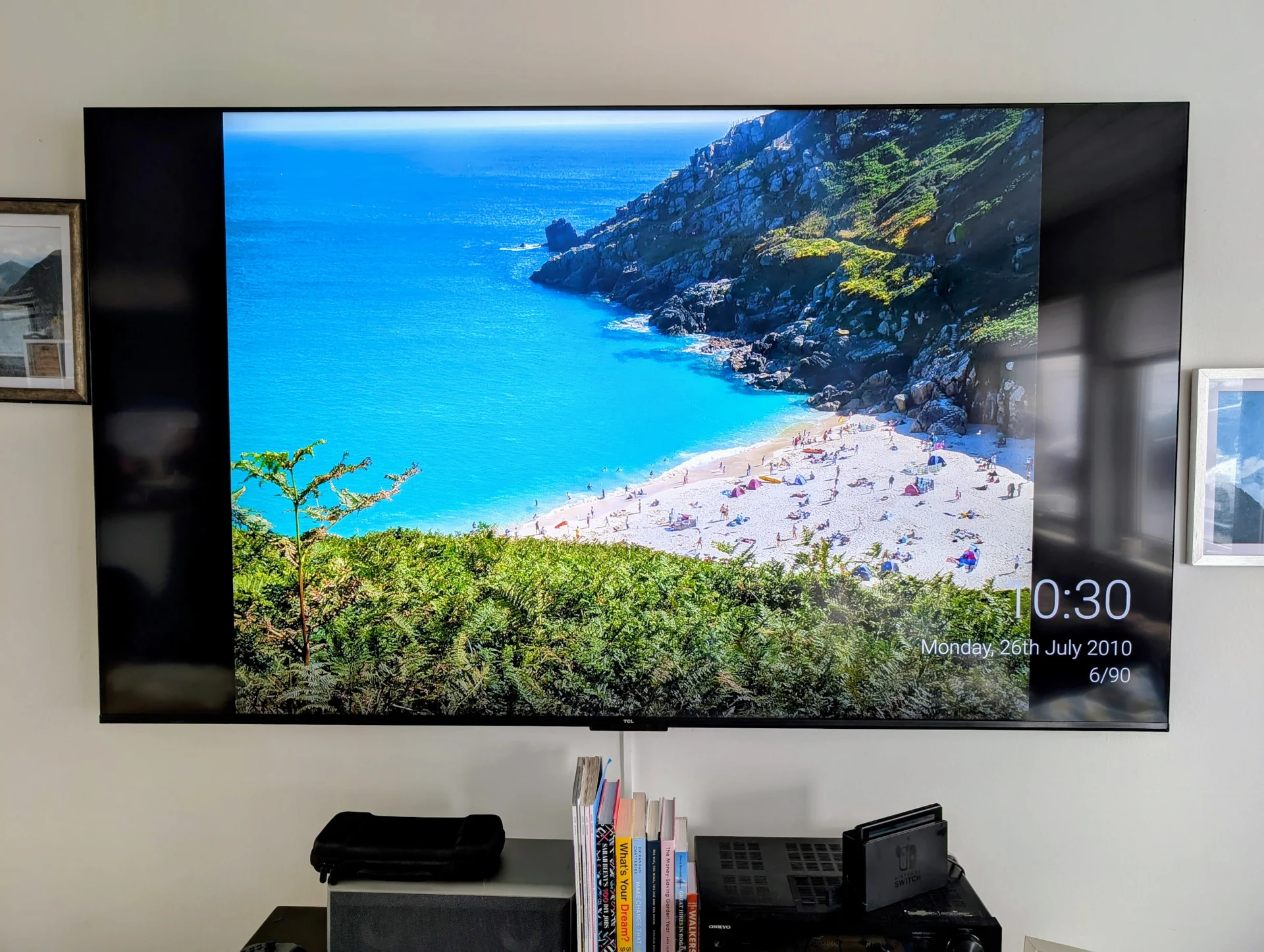
    As Samsung has demonstrated, many people are interested in transforming their TVs into digital art displays. For those who are deep into the Google ecosystem, a simple way to configure your Android TV (or just about any Android device) is to set your screensaver to access images directly from Google Photos. Nevertheless, quite a few users prefer to avoid cloud services to keep control over their own data, and a NAS (Network Attached Storage) is a favored option for this. Below are three methods to set your Android TV or tablet screensaver to retrieve photos from your NAS, effectively converting your TV into a large digital photo frame.

    Setting Up Kodi for Screensavers

    One of the easiest methods to establish a screensaver for pictures using a NAS is through Kodi. Your photo directory on the NAS must be shared in some manner for this to function, either by configuring an SMB or NFS share, but most NAS users probably have this already set up. After that, setting up Kodi is quite straightforward and can be achieved using any compatible client, which includes Android TV, Raspberry Pi, Android tablets, and even iPads if you’re okay with sideloading.

    After getting Kodi running, go to:

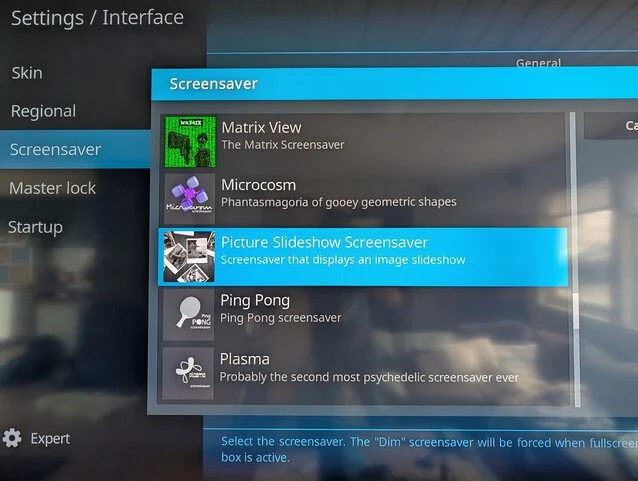
    Settings > Interface > Screensaver > Screensaver Mode

    By clicking on “Add More,” you will see a variety of screensavers that you can download, but the one we want is the “Picture Slideshow Screensaver.”

    Once this is installed, you can add a network location to the screensaver in the same way you would to the Kodi library. You can choose the timeout and select various transition effects, including the Ken Burns effect.

    A Few Caveats with Kodi

    Using Kodi for a pictures screensaver works quite well, but there are a few limitations. For starters, you cannot set the Kodi screensaver as the default in Android, which means Kodi must be open for the screensaver to activate.

    Moreover, running the screensaver can fill up your Android TV’s storage. This doesn’t happen immediately; in fact, it took about four years of using the Kodi picture screensaver before I noticed a slowdown on my 8 GB Nvidia Shield (available on Amazon) due to full storage. However, it’s something to keep in mind if your device has limited space.

    Exploring Immich for Self-Hosting

    Immich is a self-hosted photo and video management tool for computers and NAS devices. Setting it up is a bit more complex than simply installing Kodi, as it requires running an instance of Immich in a Docker container on your network storage. However, if you’re interested in self-hosting a Google Photos alternative, Immich is definitely worth considering. It provides various features, including automated photo backups from phones using the Immich app.

    If you already have or plan to establish an Immich instance, the (unofficial) Immich Android TV app can add a native Immich screensaver to your Android TV. Unlike Kodi, this can be set as the default screensaver and will activate no matter what app is open on your Android TV. The Immich screensaver can also display videos from your collection, with or without sound. Although Immich is completely free, you have the option to buy a personal or server license, which helps support the project, which gets regular updates.

    The Aerial Views Screensaver App

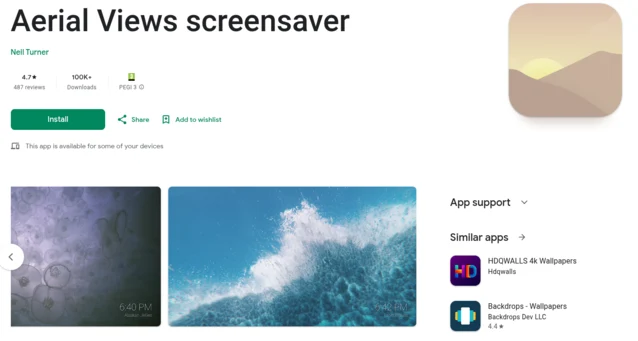
    The Aerial Views Screensaver app was initially created as a screensaver for Android TV that streams 4k videos, similar to the native screensaver on Apple TV. You can even configure it to use the same videos that Apple TV employs. Over time, the software has developed to include the ability to retrieve images and videos from an SMB share for your Android TV or similar devices.

    In contrast to Immich, this setup does not need any special hosting arrangements (although it can also access images from an Immich server). The app is completely free and open-source, allowing the code to be reviewed on GitHub. It also offers various additional features such as overlays for currently playing music, location info, image dates, and a clock. It even includes burn-in protection for OLED TVs when the overlay is used.

    Source:
    Link


  • Xiaomi Surpasses Apple: Changes in the Smartphone Market

    Xiaomi Surpasses Apple: Changes in the Smartphone Market

    Key Takeaways

    1. The smartphone market is primarily dominated by two operating systems: iOS and Android.
    2. Xiaomi surpassed Apple in smartphone shipments in Q2 2025, holding a 23% market share in Europe.
    3. Apple has a unit share of 21% but experienced a 4% decline in sales.
    4. Samsung remains the market leader with a 31% share, despite a 10% drop in annual growth.
    5. Realme is showing strong growth potential, with a 5% annual increase, while Lenovo’s share declined by 18%.


    The smartphone sector is not very divided when it comes to the operating systems available. There are essentially just two main mobile platforms: iOS and Android. Apple’s iOS is only found on its own devices, while Android and its variations are the go-to choice for most other manufacturers. Recent information from Canalys and Omdia shows that Android remains the leader in the European smartphone landscape, and there’s been a significant change in the rankings of top smartphone producers.

    Xiaomi’s Surge

    Notably, Xiaomi has surpassed Apple in the second quarter of 2025 regarding the number of shipments. It’s important to mention, however, that sales numbers don’t completely indicate market share (like user base), which is affected not only by total sales but also by how long users typically keep their phones.

    Market Share Analysis

    The study indicates that Xiaomi phones made up 23% of all smartphones sold in Europe during the second quarter of 2025, reflecting an annual increase of 11%. Apple is close behind with a unit share of 21%, although its sales decreased by 4%. Meanwhile, Samsung remains the top player in the market, capturing 31% of smartphone sales in Europe, despite experiencing a 10% drop in annual growth. Following them are Lenovo and Realme, with shares of 5% and 4%, respectively. However, Realme has shown promise to surpass Lenovo, achieving an annual growth of 5%, while Lenovo faced an 18% decline during the same timeframe.

    Source:
    Link


  • Samsung Galaxy Buds 3 FE Price Revealed: Choose Galaxy Buds 3 Instead

    Samsung Galaxy Buds 3 FE Price Revealed: Choose Galaxy Buds 3 Instead

    Key Takeaways

    1. Samsung is set to release the Galaxy Buds 3 FE at a price of $129, higher than the previous Galaxy Buds FE priced at $99.
    2. The new earbuds will be available in two color options: Black and Gray, featuring a carrying case similar to the Galaxy Buds 3.
    3. The Galaxy Buds 3 FE are expected to have significantly better battery life compared to their predecessor.
    4. Delivery for the Galaxy Buds 3 FE is set to start on August 8, ahead of their official announcement.
    5. The new earbuds will compete with products like the Nothing Ear (a) and the upcoming Google Pixel Buds 2a.


    Following news about Samsung’s plan to release a more affordable version of the Galaxy Buds 3, known as the Galaxy Buds 3 FE, the company has disclosed the price for these new earbuds. This information was found on Samsung’s Latin America website, which also features several details and official images of the product.

    Color Options and Design

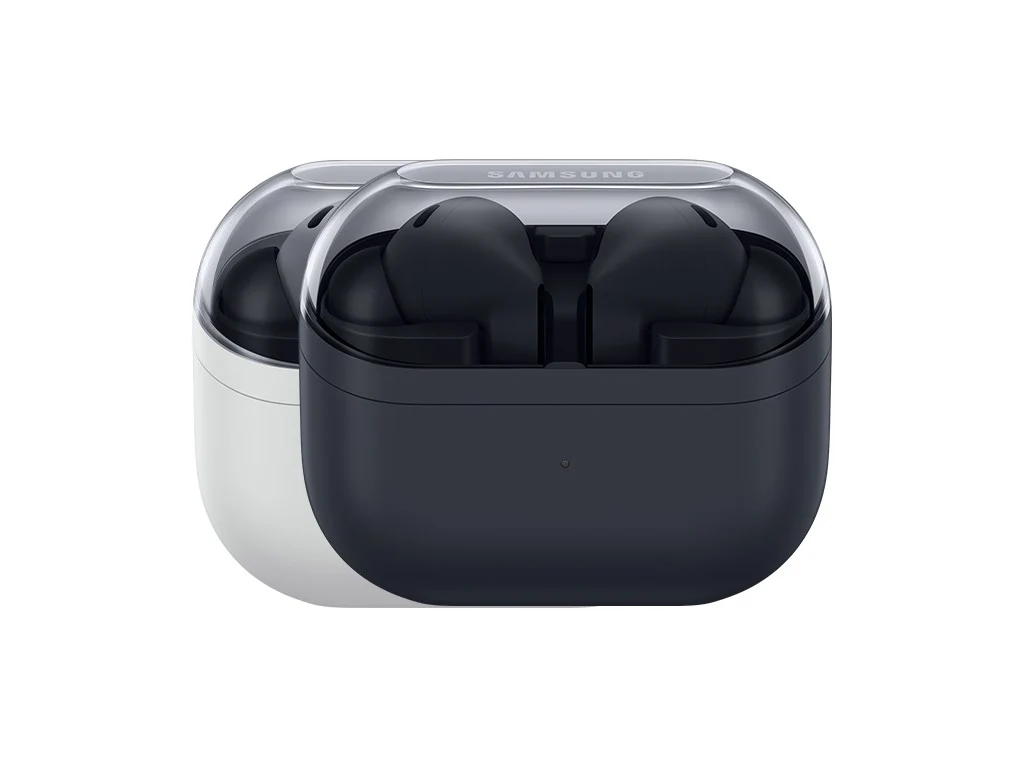
    The Galaxy Buds 3 FE (stylized as Galaxy Buds3 FE) will come in two color choices: Black and Gray. Each pair will be packaged in a carrying case that resembles the one used for the Galaxy Buds 3, complete with a transparent lid. The black model will boast a fully black design, whereas the gray version will showcase a black interior, complemented by black ear tips on the earbuds.

    Pricing Details

    As per the product listing, the Galaxy Buds 3 FE is priced at $129, which is higher than the Galaxy Buds FE that launched at $99 in 2023. This price might be difficult to justify, especially since the more advanced Galaxy Buds 3 originally sold for $179.99 last year and are currently available on Amazon for $104. However, they remain more affordable than the Galaxy Buds Pro 3, which are presently listed on Amazon for $199.

    Battery Life and Competition

    It is known that the new earbuds will offer significantly better battery life compared to their predecessor. Though full specifications are not yet available, it’s reasonable to assume there will be additional enhancements as well. Surprisingly, the information page mentions that delivery for the Galaxy Buds 3 FE starts tomorrow, August 8, even before their official announcement.

    When the Galaxy Buds 3 FE finally hit the market, they will compete against tough rivals like the Nothing Ear (a). Additionally, Google is expected to unveil the Pixel Buds 2a later this month, intended as replacements for the older Pixel Buds A-series.

    Source:
    Link


  • Samsung Galaxy Tab S11, S11 Ultra & S10 Lite: Prices & Specs Leaked

    Samsung Galaxy Tab S11, S11 Ultra & S10 Lite: Prices & Specs Leaked

    Key Takeaways

    1. Samsung is set to unveil the Galaxy Tab S11 series, including the Galaxy Tab S11 and S11 Ultra, around IFA on September 4th or 5th, 2025.
    2. The Galaxy Tab S11 Ultra will maintain its price at €1,399 for the Wi-Fi version and €1,489 for the 5G model, with additional storage options available.
    3. The Galaxy Tab S11 will launch at prices starting from €899 for the Wi-Fi version, with various configurations and 5G options.
    4. The Galaxy Tab S10 Lite will be priced from €399 for the base model, with higher configurations available for additional costs.
    5. Key specifications show the Galaxy Tab S11 series will feature the new Dimensity 9400 chipset and slight design changes, including a minor increase in battery size.


    A big leak from France is causing quite a stir today. The famous game leaker billbil-kun has shared a ton of helpful info through Deallabs about Samsung’s upcoming tablets, which are set to officially debut around IFA in early September. While we still don’t have a confirmed launch date, it looks like the Galaxy Tab S11 could be unveiled on either September 4th or 5th, 2025. Samsung has even planned a press conference for September 4th as part of the IFA happenings.

    Upcoming Models

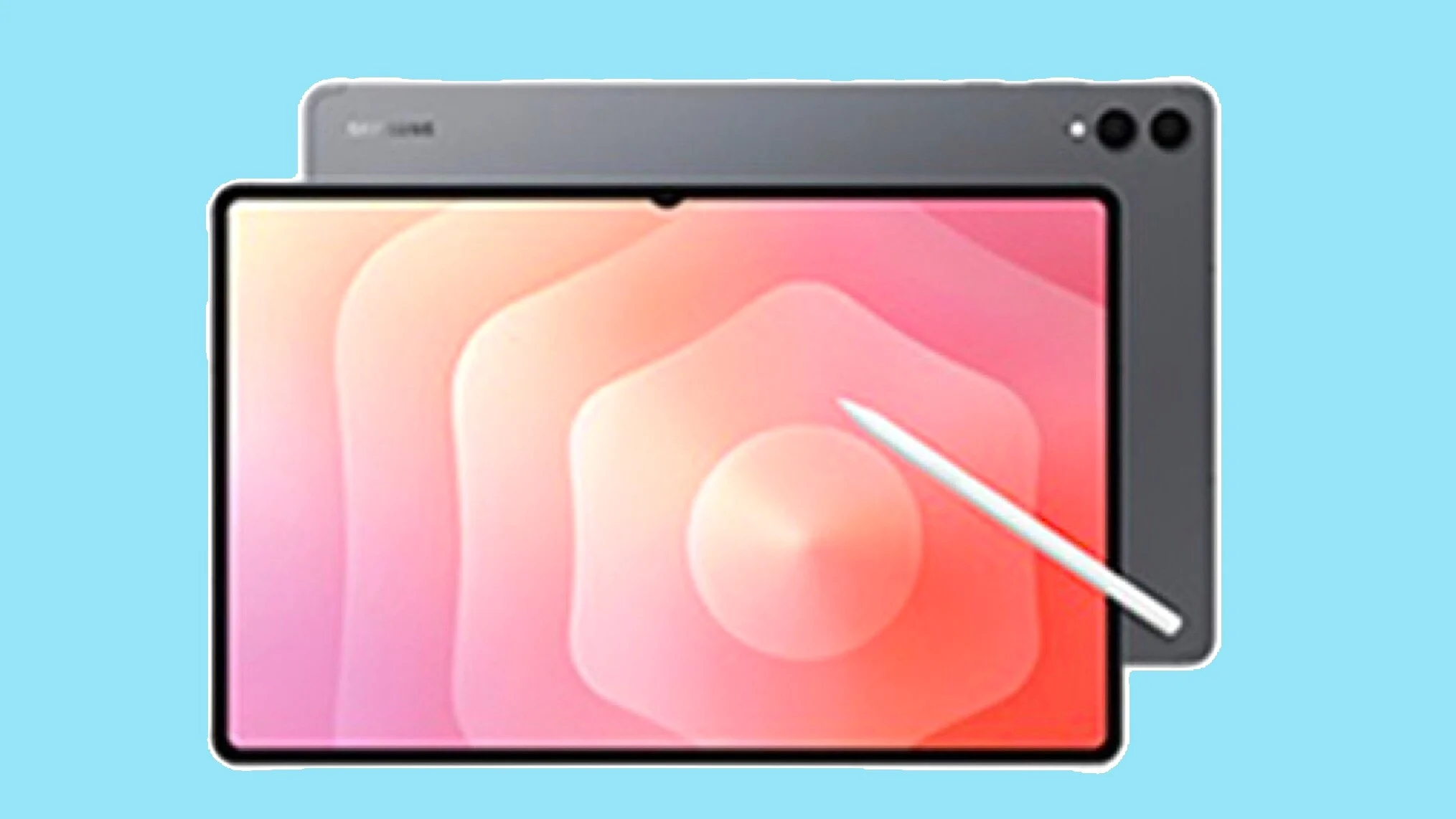
    We can expect three new Galaxy tablets, including the Galaxy Tab S11 and Galaxy Tab S11 Ultra. Instead of a Galaxy Tab S11+, Samsung will introduce a Galaxy Tab S10 Lite, and there are already many details floating around about it. The low-quality official render image above is, apart from a certification photo, the only one of the Galaxy Tab S11 Ultra we’ve seen so far. It highlights the smaller notch on the front and shows the absence of the S-Pen charging port on the back.

    Price Details

    The good news is that the Galaxy Tab S11 Ultra won’t see a price hike this year. It will still retail for €1,399 with 12 GB RAM and 256 GB storage for the Wi-Fi version, and €1,489 for the 5G model. The leak indicates that the 512 GB storage option will cost €1,459 for Wi-Fi and €1,609 for the 5G variant. Additionally, there will be a high-end model featuring 16 GB RAM and 1 TB storage, priced at €1,759 for the Wi-Fi version. No pricing for the 5G version of this model has been disclosed, indicating it might not offer a 5G option.

    Pricing Comparisons

    Since there wasn’t an 11-inch Galaxy Tab S10 last year, we can’t really compare prices for the new Galaxy Tab S11. It is anticipated to launch at €899 with 12 GB RAM and 128 GB storage, and €1,049 for the 5G model. If you choose the 256 GB storage version, it’ll cost €959 (Wi-Fi) or €1,109 (5G). Finally, there will also be a premium configuration with 12 GB RAM and 512 GB storage, limited to the Wi-Fi model, at a price of €1,079.

    The Galaxy Tab S10 Lite will start at €399 with 6 GB RAM and 128 GB of storage. If you want a 5G modem, it will be €459. The leak also mentions that the better-equipped version with 8 GB RAM and 256 GB storage will set you back €469 (Wi-Fi) or €529 for 5G.

    Specifications Overview

    The leaker has also shared a list of key specifications for all three new Samsung tablets, shown in a comparison chart below. As can be observed, the Galaxy Tab S11 series features the Dimensity 9400, replacing the Dimensity 9300+ present in the Galaxy Tab S10 Ultra, and the battery of the Ultra model has seen a slight increase. The Ultra tablet is now a bit lighter and has gained 0.1 mm in thickness. Notably, the second front-facing camera is no longer included in the specs.

    Source:
    Link