– Phantom Blade Zero’s release moved to October 29, only three weeks after GTA VI’s November 19 launch
– S-Game CEO prioritizes product quality over competition or marketing timing
– 99% of the delay decision was driven by development needs, not market strategy
– Focus is on optimizing for Steam Deck and addressing hardware cost concerns
– Studio wants to avoid a massive day-one patch by polishing further
Unexpected Changes in Release Schedules
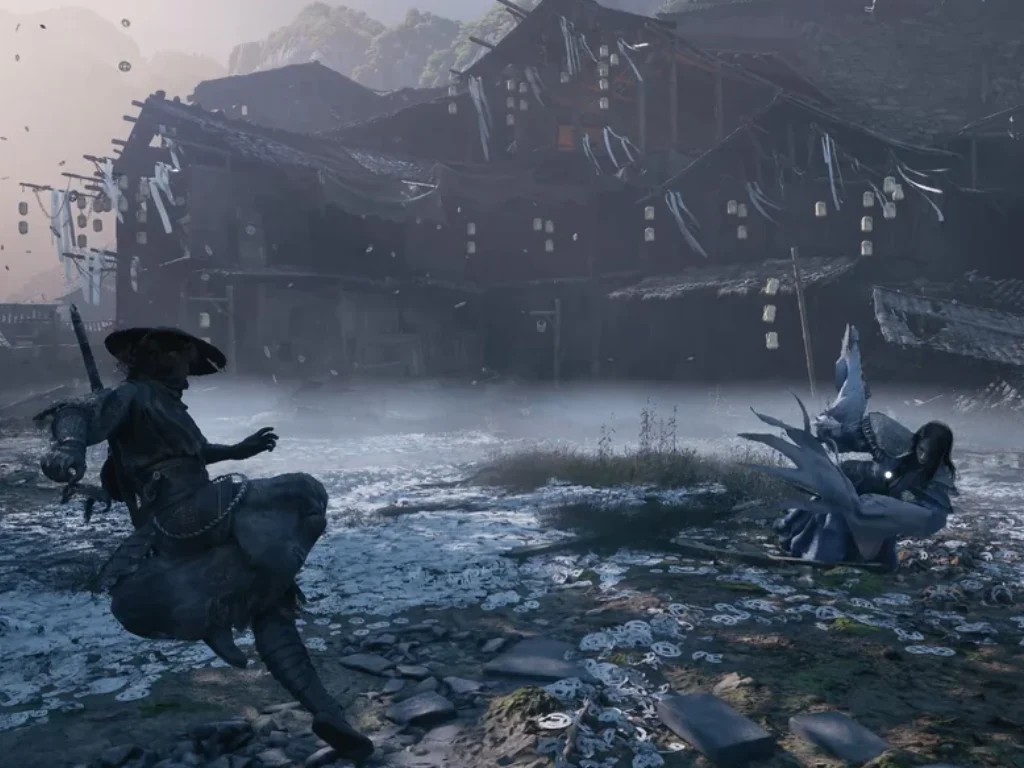
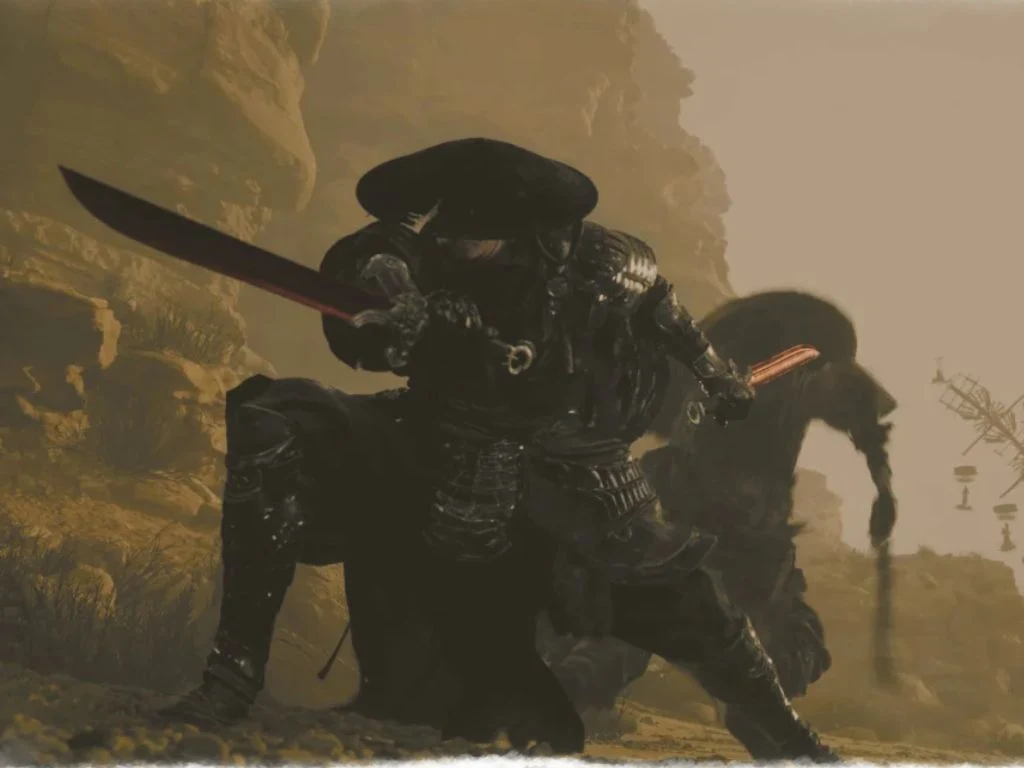
The developers at S-Game, who seemed to appear out of nowhere, revealed an over-the-top action RPG packed with martial arts and blockbuster-style trailers. Now, with what is expected to be the biggest release of the decade, Grand Theft Auto VI, slated for November 19, the Phantom Blade Zero team has moved its release date from September 9 to October 29, as announced in Sony’s latest PlayStation State of Play. This puts Phantom Blade Zero’s release merely three weeks behind GTA 6, a timing that has confused many observers in the gaming community.
Developers Explain Their Reasoning
Many wonder if the developers at S-Game are concerned about the overlap, but S-Game CEO and Phantom Blade Zero director Qiewi “Soulframe” Liang explained his reasoning behind both the delay and the final release date in an interview with PC Gamer. Liang reportedly doesn’t focus much on traditional marketing, as the Phantom Blade Zero gameplay trailers have already done most of the heavy lifting. He emphasized that the decision was about quality and development timing, not about dodging competition or aligning with any marketing calendar.
“Many people think we may have some marketing strategy to move it out of the overcrowded September window, and some are very worried that it’s closer to November. We don’t think about any of this. We only think of the quality of the product itself. I don’t think competition can influence, much, the success of a work. Only the product itself matters. So I would say 99% of the decision was about development,” Soulframe said in a direct quote that has been widely circulated since the announcement.
Competition and Market Concerns
When directly asked about Rockstar Games’ upcoming GTA VI release and the marketing campaigns that are yet to follow, leading up to Phantom Blade Zero’s launch, the CEO of S-Game gave an ambivalent response that surprised many interviewers: “I have no idea, actually. We don’t think about what’s happening there. We don’t even think about the competition, what’s launching before or after. What matters is how polished the game is, and if we have one or two extra months, we can fix more bugs and do more optimizations so that we don’t need a huge day-one patch.” This statement reflects a single-minded focus on technical polish rather than market positioning.
Technical Optimization Priorities
Rather than focusing on GTA VI’s release, Liang is more concerned with ongoing memory constraints and hardware challenges, as S-Game wants to optimize Phantom Blade Zero to run respectably even on the Steam Deck, despite being a heavily detailed Unreal Engine 5 game. Shifting focus away from GTA 6’s release, the CEO of S-Game said: “This year, hardware prices are going up, and people who want to replace their hardware may postpone their upgrade plans, so we think we need to let the game be played by as many players as possible without reducing the quality.” This indicates a strong commitment to accessibility across different hardware configurations without sacrificing visual fidelity.
Final Commitment to Quality
In a separate post on X, Liang stated: “We do not want to release Phantom Blade Zero knowing there is still an opportunity to take it one step further.” This brief but powerful message reinforces the studio’s overall philosophy that a delayed game, if made better, is ultimately more valuable than a rushed one that meets an arbitrary deadline. The team seems willing to accept whatever commercial consequences come from launching so close to Grand Theft Auto VI, as long as their own product meets their internal standards of excellence and player satisfaction.