
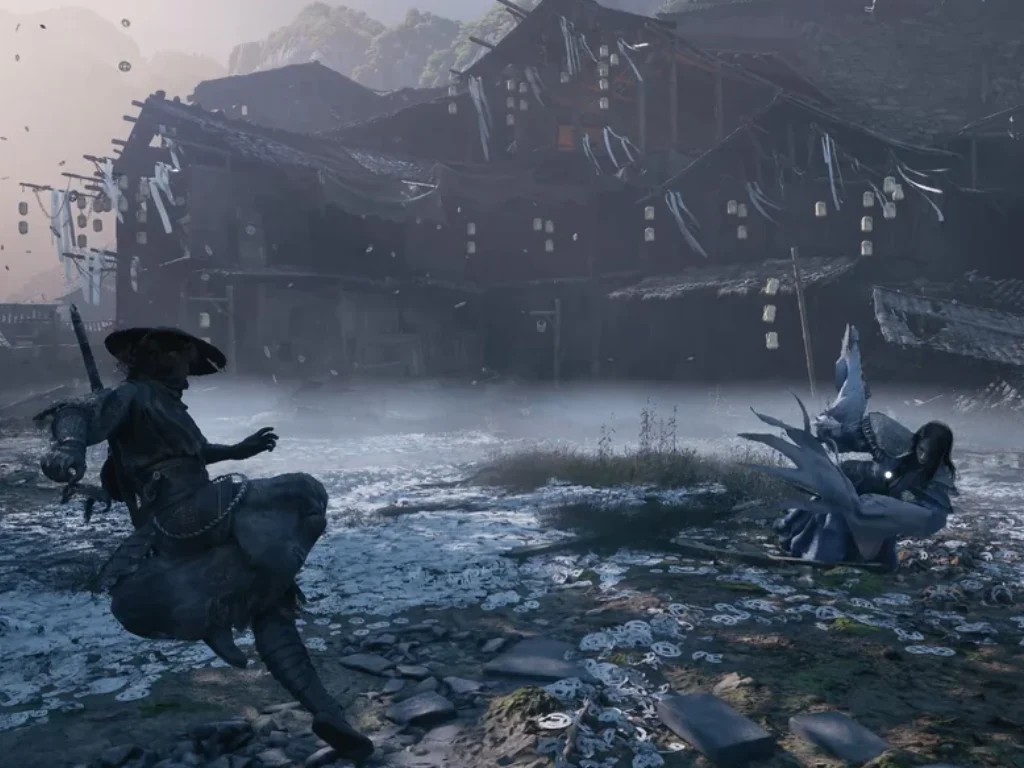
1. The development team emphasizes that Phantom Blade Zero was created entirely by human artists, without using AI technology.
2. All character models, maps, and visual assets were handcrafted, including hand-drawn maps and physical replicas of weapons for realism.
3. The game’s combat mechanics were motion-captured by martial artists and experts, highlighting a focus on authenticity and human craftsmanship.
4. The company prioritizes human artistry and cultural authenticity over automation, aiming for a deeply proud and passionate creative process.
Phantom Blade Zero nears its worldwide launch date of September 9, 2026, with much anticipation. However, Liang, the CEO of S-Game and the game’s creative mind, emphasizes that the game is essentially a work of human effort, not driven by latest algorithms. He shared this insight through a detailed message on social media, highlighting that their team has put a lot of love and dedication into the project, avoiding the use of AI technologies altogether.
Dedicated Craftsmanship Over AI
Liang told followers on X, “Phantom Blade Zero is ringing in its final development days and we are throwing everything we got into perfecting each part of the game. There’s no shortcuts here, just pure hard work.” His words show his pride in traditional methods, asserting that their team’s craftsmanship was central. Despite the rise of AI in game development, he made clear that S-Game refuses to rely on it, stating that “every art, every model, and every voice was made by real humans, not machines.”
From Reality to Art
The game’s characters are based on actual people. Models started with 3D scans of real actors, bringing a sense of authenticity. Voice recordings in both Chinese and English were performed by professional actors and directors, then animated by the team to match lip movements perfectly. This hands-on process underscores their commitment to quality and realism, staying true to human skill instead of computer-generated content.
Authentic Details and Cultural Inspiration
- The maps in the game were hand-drawn with traditional Chinese brushes on Xuan paper by talented young artists from the Central Academy of Fine Arts.
- Ancient Chinese weapon designs served as inspiration, with real swordsmiths creating physical replicas to help animators understand weight and technique.
- Martial arts moves were captured through motion capture performed by experienced fighters, kung fu masters, and lion dancers, emphasizing authentic movement.
- Scan trips around China to study historic places in Fujian, Zhejiang, and Beijing contributed to the unique “Kungfupunk” style, blending tradition and modernity.
Liang closed his message with a heartfelt statement on the importance of human creativity, expressing his belief that “art created by people isn’t just a tool for creating value, it *is* the value.” Instead of just assembling a team of developers, S-Game strives to foster passion and pride among everyone working on the game, making it a true expression of human effort and dedication.
Leave a Reply