Tag: OLED

  • Nanoscale OLEDs: Scientists Shrink OLED Pixels to 300 nm

    Nanoscale OLEDs: Scientists Shrink OLED Pixels to 300 nm

    Key Takeaways

    1. The smallest commercially available pixels are currently about 5 x 5 micrometers, but researchers have created OLED pixels as small as 300 nanometers².
    2. Smaller pixels could eliminate the screen-door effect (SDE) in VR and augmented reality glasses, potentially leading to displays with billions of pixels.
    3. The new 300 nm² pixels produce orange light and shine as brightly as larger OLEDs, but additional technology is needed for efficiency and to prevent short circuits.
    4. The lifespan of the new pixels has only been tested for 2 weeks, compared to traditional OLEDs that last 8 to 13 years, and the color range is currently limited to orange.
    5. Future developments aim to expand the color range to full RGB and improve efficiency, with potential applications in projectors and ultra-high-resolution displays integrated into eyewear by the end of the decade.


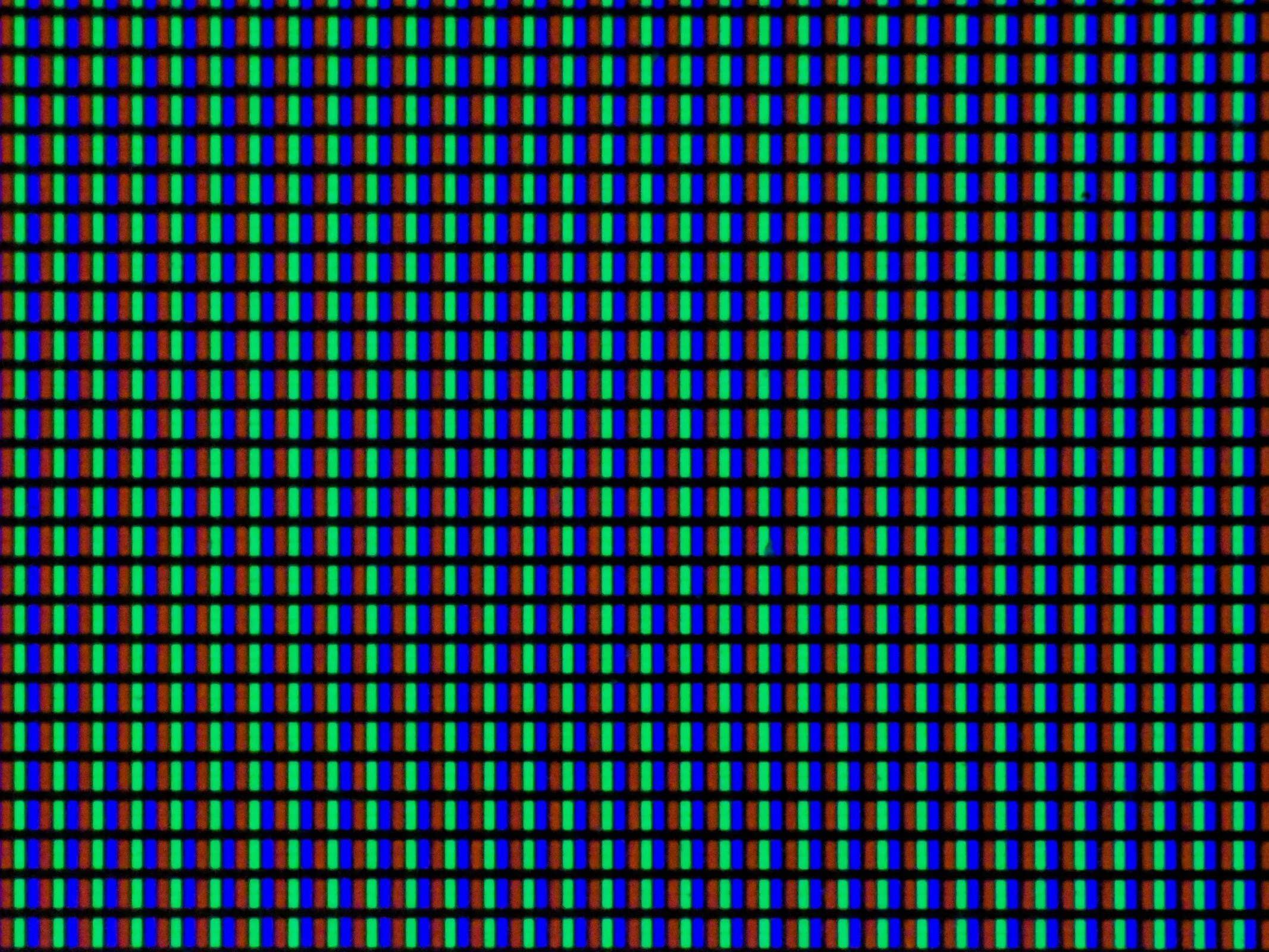
    As of now, the smallest pixels in displays that can be bought commercially are about 5 x 5 micrometers. This size might seem tiny, but when used in VR or augmented reality glasses, some people might still see the annoying screen-door effect (SDE). Reducing the pixel size could help, but how much smaller do we need to go? Would pixels measuring 300 x 300 nanometers be sufficient to eliminate SDE? VR headsets with such tiny pixels could be on the market soon, as a group of researchers at Julius-Maximilians-Universität Würzburg in Germany have successfully reduced the size of OLED pixels to just 300 nanometer². Such a minuscule size could mean that 1080p displays would only be 1 x 1 millimeters, suggesting that future VR/AR glasses might have billions of pixels.

    Research Findings

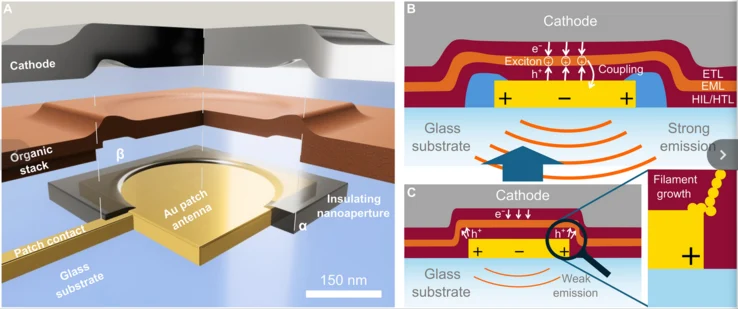
    The German scientists shared their results in the Science Advances journal, highlighting that the 300 nm² pixel produces orange light and shines as brightly as a standard 5 nm² OLED. However, making the light-emitting diode smaller alone wouldn’t ensure good efficiency. The researchers had to add a gold cuboid antenna that measures 300 x 300 x 50 nm and also ensure that the electric field currents wouldn’t push the gold atoms into the optically active materials, which could cause short circuits in the pixel. To achieve this, they created an insulation layer on top of the antenna, featuring a round opening with a 200 nm diameter right in the center.

    Future Developments

    The pixels have been evaluated for only 2 weeks without any problems, which is just a small part of the lifespan of traditional OLEDs that can last between 8 to 13 years. Additionally, the color range is still limited, since the only color produced is orange. The team aims to broaden the color range to include the full RGB spectrum. Another goal is to improve efficiency, which is currently at a lowly 1%.

    It appears that the German team still has a lot of work ahead, and displays with such minuscule pixels may still be several years away. Projectors could also gain from this new tech, and by the end of this decade, we might witness nearly invisible displays with ultra high resolution that could be integrated into eyeglasses or even contact lenses.

    Source:
    Link


  • Garmin Smartwatches Face Burn-In Issues with OLED and MiP Displays

    Garmin Smartwatches Face Burn-In Issues with OLED and MiP Displays

    Key Takeaways

    1. OLED panels can experience burn-in, leading to permanent picture quality issues over time.
    2. Modern OLED monitors have protective features to help prevent burn-in, reducing user concerns.
    3. Smartwatches, especially those with static content, are more susceptible to burn-in issues.
    4. Users have reported burn-in on Garmin smartwatches, such as the Epix Gen 2 and Fenix 6 Pro, after several years of use.
    5. To mitigate burn-in, users can use dynamic watch faces and disable the always-on display feature.


    The light-emitting diodes in OLED panel screens gradually lose their effectiveness over time, which can result in various problems. One such problem is burn-in, which is a permanent issue that usually leads to diminished picture quality, with effects that can vary in intensity. Contemporary OLED monitors come equipped with several protective features aimed at preventing burn-in. Manufacturers often highlight this aspect in their advertising. Generally speaking, it’s not seen as a serious concern anymore, and even with the rising popularity of OLED monitors, there hasn’t been a significant surge in user complaints.

    User Feedback on Smartwatches

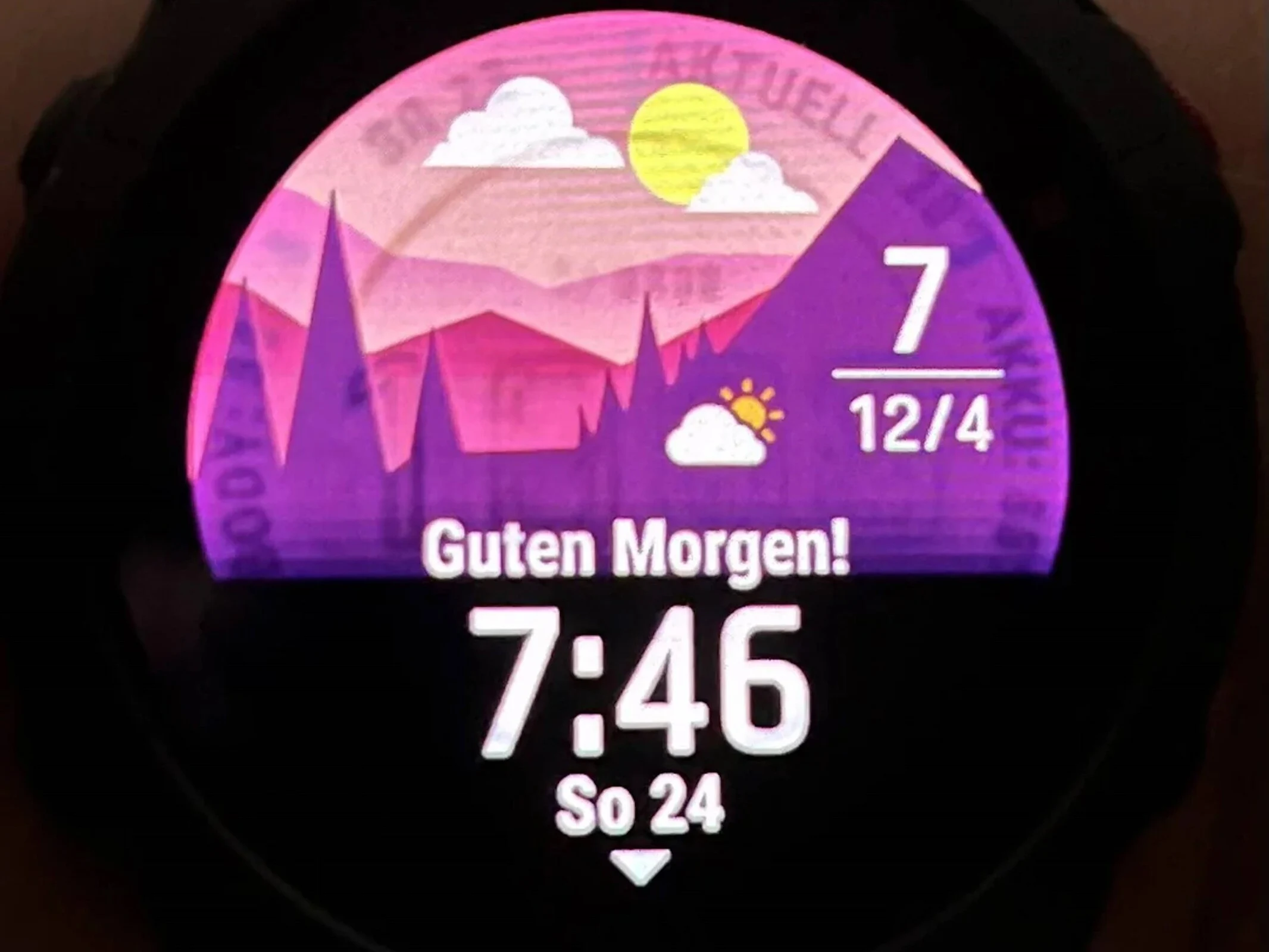
    Nevertheless, there are some discussions on Reddit where users express that their Garmin smartwatches have experienced noticeable damage due to burn-in. It’s important to consider that a smartwatch might be one of the worst possible scenarios for an OLED display. While certain elements like the time and step count can vary depending on the watch face, much of the screen content—particularly text—tends to stay static.

    Examples of Burn-in Issues

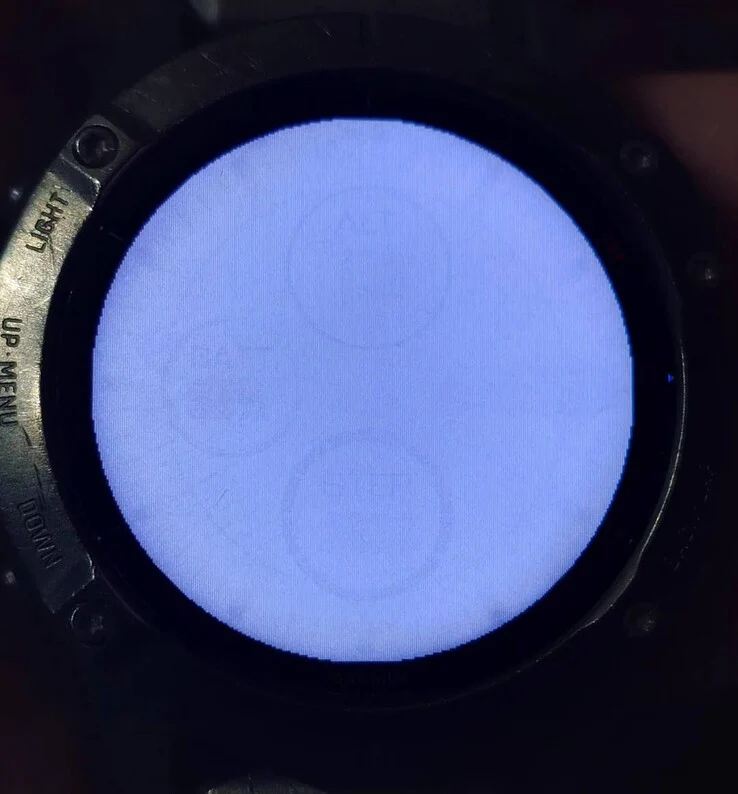
    One instance involves a Garmin Epix Gen 2, which displays evident burn-in after just four years of use. Words such as “Battery” are distinctly visible even during times when they should not be seen at all. In this situation, the smartwatch was operated with the always-on display feature turned on. Interestingly, even Garmin models with a MIP display can experience similar problems. There’s at least one reported case of noticeable burn-in on a five-year-old Garmin Fenix 6 Pro. To potentially prevent or at least lessen the visibility of screen degradation, users might consider opting for a dynamic watch face and turning off the always-on feature, although doing so can limit the functionality of these smartwatches.

    Source:
    Link


  • Rumored Nintendo Switch 2 OLED Prototype Frame Listed for Auction

    Rumored Nintendo Switch 2 OLED Prototype Frame Listed for Auction

    Key Takeaways

    1. The Nintendo Switch 2 is selling well, but players are anticipating a possible new model.
    2. A prototype frame resembling the Switch 2 has appeared online, sparking rumors of an OLED version.
    3. The white color of the prototype frame may suggest a design similar to the original Switch OLED.
    4. It’s important to be cautious with rumors, as the frame could be for a standard Switch 2 or an abandoned design.
    5. A new OLED version of the Switch 2 is unlikely to be released soon, given the console’s recent launch.


    The Nintendo Switch 2 is flying off the shelves, but some players are already looking forward to the next version. There are whispers that a new model of the Switch 2 might be in development, potentially featuring an OLED display.

    Rumors and Speculations

    According to Gazlog, a tech news website from Japan, a frame believed to be a prototype for the Switch 2 has shown up on a Chinese auction site. This frame bears a resemblance to the existing Switch 2 (currently priced at $449.00 on Amazon), though it stands out with its white color.

    The introduction of this white shade has sparked chatter that it could indicate a prototype for a Switch 2 equipped with an OLED screen. This idea comes from the observation that the original Switch OLED also had a similar white design accented with black.

    Caution with Rumors

    As with any rumors, it’s wise to approach this information cautiously. It’s just as plausible that this frame belongs to a standard Nintendo Switch 2 that was either left unpainted, received only a primer coating, or was an abandoned design in white. There are no solid clues suggesting this could actually be an OLED version of the Switch 2.

    This could just be the beginning of many rumors about a possible Switch 2 OLED release. While it’s conceivable that Nintendo might unveil an OLED variant of their new handheld, it’s unlikely to happen in the near future. Given that the Switch 2 has only been available for a few months, it seems improbable that Nintendo would launch a new version so soon in the console’s lifecycle.

    Source:
    Link

  • TCL CSOT to Build Massive OLED Factory with Inkjet Printing Tech

    TCL CSOT to Build Massive OLED Factory with Inkjet Printing Tech

    Key Takeaways

    1. TCL CSOT plans to build an 8.6-generation OLED production plant in Guangzhou, starting construction in October 2025, with operations expected by 2027.

    2. The initial production line will handle 45,000 glass substrates monthly, with a potential second line increasing capacity to 90,000 substrates.

    3. TCL CSOT’s output would significantly exceed competitors like Samsung and LG, positioning the T8 facility as one of the largest OLED plants globally.

    4. The company utilizes inkjet printing technology, which reduces material waste and production costs by about 30%, differentiating it from competitors’ methods.

    5. Despite recent advancements, TCL CSOT faces technical challenges in improving panel brightness, lifespan, and production yields, as it aims to compete with established South Korean manufacturers.


    TCL CSOT is said to be gearing up to construct a huge 8.6-generation OLED production plant in Guangzhou, China.

    A recent report from UBI Research indicates that the construction of the “T8” facility is slated to kick off in October 2025, with plans to install equipment by the end of 2026. If everything goes as planned, the factory could be fully operational by 2027.

    Plans in Place

    Although TCL CSOT hasn’t officially confirmed the details, UBI Research claims the company has cemented its plans and is ready to proceed. The plant will start with one 8.6G production line that has the capacity to handle 45,000 glass substrates each month.

    When a second line is introduced, the production could potentially increase to 90,000 substrates per month. These sizable sheets, measuring approximately 2.29 by 2.62 meters, are suitable for cutting into displays for televisions, monitors, tablets, and smartphones.

    Competitive Edge

    This output level would place TCL CSOT well ahead of its rivals. Samsung’s forthcoming QD-OLED A6 line is expected to peak at 15,000 substrates monthly, while LG Display’s new Paju line is predicted to reach between 7,500 and 15,000.

    Moreover, BOE, a competitor in China, has also revealed intentions to launch an OLED line with a capacity of 33,000 substrates each month. The goal for TCL CSOT would position the T8 facility among the largest OLED manufacturing plants globally.

    Innovative Techniques

    What distinguishes TCL’s method is its adoption of inkjet printing, differing from LG and Samsung’s fine-mask evaporation technique. This method accurately applies red, green, and blue OLED materials onto the substrate, minimizing material waste and cutting production costs by about 30 percent.

    UBI Research estimates that the T8 facility will require approximately RMB 20 billion, which translates to around USD 2.75 billion—a relatively modest investment considering its anticipated output.

    TCL CSOT has been working on inkjet-printed OLED technology for several years, having laid out its goals back in 2020, with aspirations to begin mass production by 2024. Although this timeline hasn’t been fully met, TCL did commence limited production last year.

    Future Outlook

    In 2024, the company delivered 21.6-inch 4K OLED panels produced using its Gen 5.5 line and began distributing monitor panels by November. By May 2025, TCL had presented a complete lineup of inkjet-printed OLED prototypes, including screens for smartphones, laptops, and TVs.

    UBI anticipates that an official announcement might be forthcoming, possibly within this month. Nevertheless, the report warns that TCL CSOT still encounters technical challenges. These obstacles include enhancing panel brightness and lifespan, achieving better large-area uniformity, and improving production yields.

    The inkjet printing technique remains perceived as less developed and dependable compared to the more traditional methods utilized by Korean display manufacturers.

    Nonetheless, TCL’s approach is part of a larger effort by Chinese firms to contest South Korea’s supremacy in OLED display technology. Companies like BOE and Visionox are also making significant investments in alternative manufacturing processes.

    Source:
    Link

  • ROG Xbox Ally Handheld: No OLED Screen, Focus on VRR

    ROG Xbox Ally Handheld: No OLED Screen, Focus on VRR

    Key Takeaways

    1. Microsoft revealed the ROG Xbox Ally and ROG Xbox Ally X handheld gaming devices with a 7-inch 1080p IPS display, despite some gamers wanting an OLED option.
    2. Asus faced development challenges with OLED screens due to high power consumption and production costs, prioritizing battery life for Windows-based handhelds.
    3. Whitson Gordon emphasizes the importance of Variable Refresh Rate (VRR) for handheld gaming to prevent screen tearing and improve visuals.
    4. The decision to use an IPS screen over an OLED was influenced by pricing concerns, as adding OLED and VRR would increase costs beyond many buyers’ willingness to pay.
    5. The polished Xbox UI on the ROG Ally may be available on other Windows handhelds in the future, with alternatives like the Lenovo Legion Go 2 potentially featuring an OLED display.


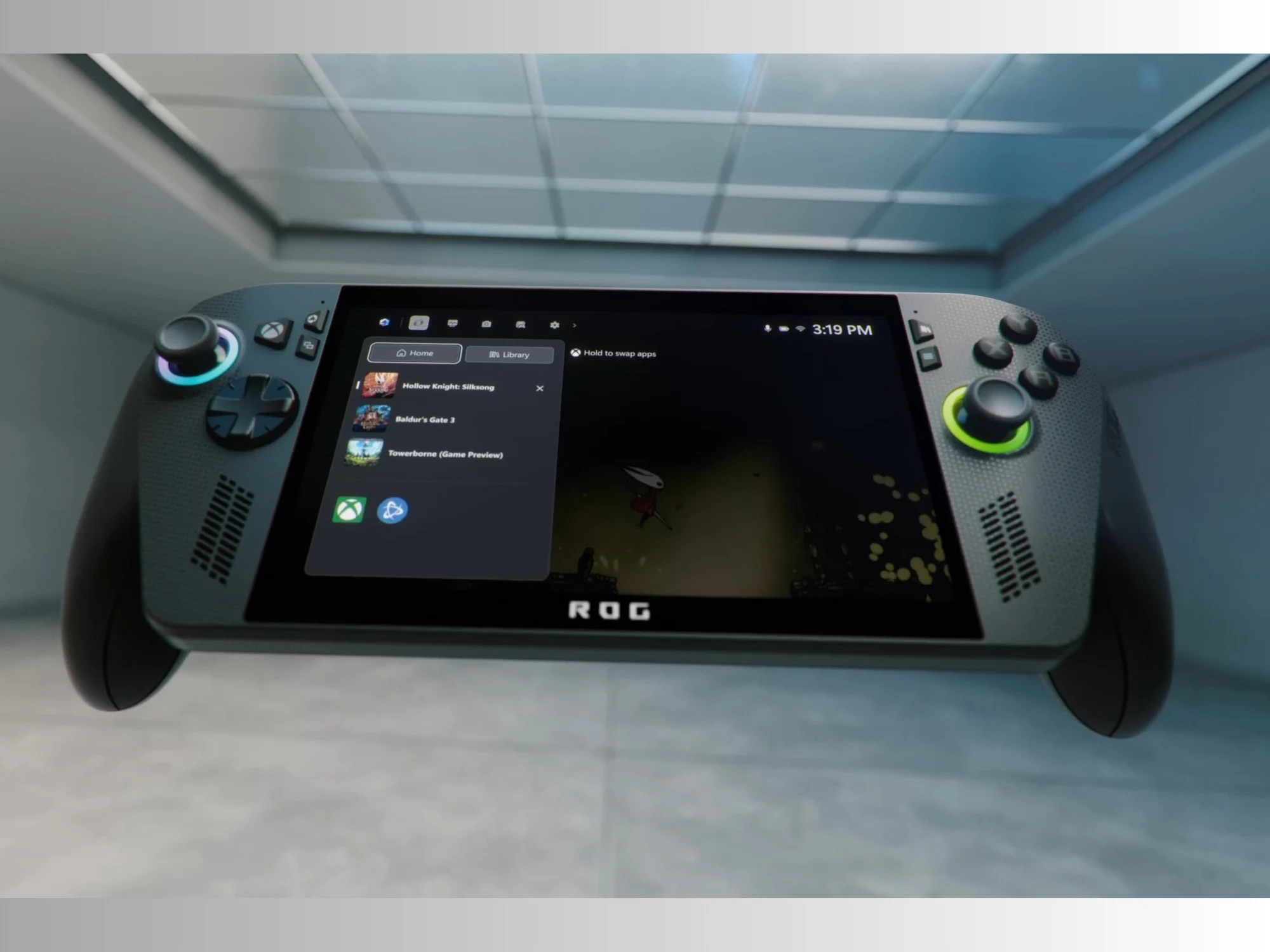
    Many rumors about a new Xbox handheld turned out to be true when Microsoft revealed the device during its latest showcase. However, some gamers were still wishing for an OLED screen option, even if it meant paying a higher price. Instead, both the ROG Xbox Ally and ROG Xbox Ally X come with a 7-inch 1080p IPS display. Whitson Gordon, a Senior Manager of Content Marketing at Asus, discussed this topic on a YouTube podcast. He thinks that VRR is more vital for a handheld gaming PC compared to having an OLED screen.

    Development Challenges

    Asus experimented with prototypes that had an OLED screen while creating the Xbox handheld versions of the ROG Ally. Unfortunately, these devices consumed too much power and would have been pricier to produce. Since battery life is often a concern for Windows-based handhelds, Asus aimed to avoid making this issue worse. The company understands that the price will be a consideration for many buyers, as it will likely serve as a secondary gaming option for them. Gamers are still on the lookout for confirmed pricing details on the new ROG Xbox Ally models.

    Importance of VRR

    Whitson is a big supporter of VRR, which he insists should be available on every modern gaming console. Variable Refresh Rate ensures that the refresh rate of the display matches the frame rate of the game. If not, fast-paced action can lead to screen tearing, causing the visuals to seem choppy. An OLED display with VRR would have raised the price of the Xbox handheld beyond what many buyers would be willing to pay.

    While not all gamers are happy about the choice of an IPS screen, it’s important to recognize that OLED technology offers much deeper blacks and better viewing angles. Nevertheless, the polished Xbox UI on the upcoming ROG Ally may also appear on other Windows handheld gaming PCs in the future. By then, consumers will have more alternatives, like the Lenovo Legion Go 2, which could come equipped with an 8.8-inch OLED display.

    Source:
    Link

  • World’s First Pixel-Based Sound-Emitting OLED Display Created

    World’s First Pixel-Based Sound-Emitting OLED Display Created

    Key Takeaways

    1. POSTECH researchers developed the first “pixel-based local sound” OLED panel, allowing each pixel to act as a speaker.
    2. Ultra-thin piezoelectric exciters are used to create localized sound without crosstalk, resolving common audio interference issues.
    3. Acoustic optimization techniques, including specially tuned frame structures, improve sound quality and reduce distortion.
    4. The innovation maintains a slim design while delivering accurate spatial audio, suitable for tablets, laptops, and car dashboards.
    5. There is currently no information on the availability or pricing of this technology for consumer products.


    Researchers from Pohang University of Science and Technology (POSTECH) have introduced the first “pixel-based local sound” OLED panel, which incorporates audio playback directly on the display surface. A 13-inch prototype—similar in size to tablet and laptop displays—shows how every pixel can function as an individual speaker, forming a multichannel array without needing external drivers.

    Innovative Sound Management

    Led by Professor Su Seok Choi along with Ph.D. student Inpyo Hong, the team has installed ultra-thin piezoelectric exciters underneath the OLED layers. These exciters transform electrical signals into localized vibrations, enabling distinct sounds to come from specific areas of the screen while maintaining a slim profile. Since each emitter is separate, sound from one section does not interfere with nearby areas, resolving the crosstalk issue commonly seen in many display-speaker designs.

    Acoustic Optimization Techniques

    To manage these vibrations, the researchers incorporated frame structures that are finely tuned for shape, size, and material impedance. These frames help to contain acoustic energy in specific zones, enhance the frequency response, and reduce total harmonic distortion across a wider range. Long-term evaluations demonstrated consistent sound-pressure levels even with variations in input voltage and listening distance, indicating that the design is ready for commercial production.

    Potential for Market Integration

    Differing from past display-speaker hybrids, the POSTECH innovation preserves the slim design that is highly valued in OLED products while delivering accurate spatial audio. The successful demonstration of the 13-inch prototype points to an easy integration into current manufacturing processes for tablets, laptops, and car dashboards.

    Currently, the team has not provided any information regarding timelines or pricing. It remains unclear when, or if, this pixel-level sound technology will become available in everyday gadgets.

    Source:
    Link


  • New Switch 2 Leak: 120Hz LCD, HDR, VRR – Gamers Doubt It

    New Switch 2 Leak: 120Hz LCD, HDR, VRR – Gamers Doubt It

    Key Takeaways

    1. Early rumors suggested the Switch 2 would have an LCD screen, disappointing some gamers; however, recent leaks indicate it may support a 120Hz display with VRR and HDR compatibility.
    2. The leak originates from a Famiboards user, SecretBoy, who previously made accurate predictions about the console’s GPU capabilities, adding credibility to the new information.
    3. SecretBoy speculates that a high-refresh-rate OLED display could push the Switch 2’s price beyond the expected $400 mark.
    4. Despite potential limitations of an LCD screen, the Switch 2 could still compete with leading handheld PCs like the Steam Deck due to its specifications.
    5. If accurate, the Switch 2’s 120Hz display could enhance gameplay for demanding AAA titles by allowing smoother performance even at lower frame rates.


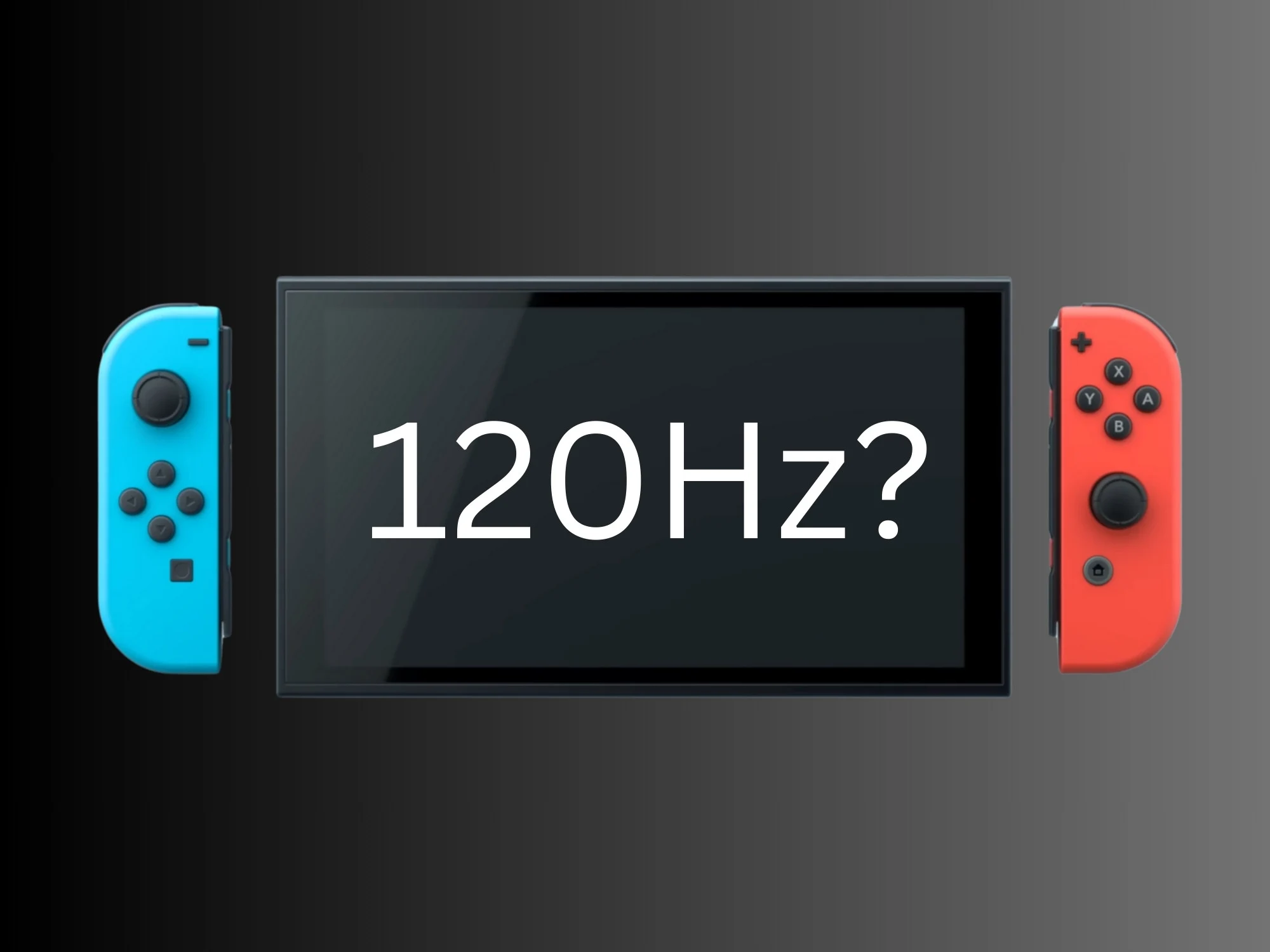
    Early rumors about the Switch 2 indicated that it would feature an LCD screen instead of the OLED display found in the upgraded current-gen system. This news left some gamers feeling let down, thinking Nintendo was skimping on quality once again. However, a recent leak about the Switch 2 hints that its display will actually support 120hz gameplay. Additionally, it appears to have VRR and HDR compatibility, which would enhance the smoothness and vibrancy of the visuals.

    Source of the Leak

    The latest information about the Switch 2 comes from a Famiboards forum user known as SecretBoy. This individual gained some recognition back in January when they made accurate predictions about the console’s GPU capabilities. Reports that followed indicated the Switch 2 might deliver 3.1 TFLOPS when docked and 1.72 TFLOPS in handheld mode. The close alignment of these figures with SecretBoy’s earlier claims lends some credibility to this source.

    Increased Confidence in Specs

    Previously, SecretBoy mentioned that the new console would feature a high-refresh-rate LCD screen. Now, they seem more certain about the specs for the Switch 2. SecretBoy also speculates that a 120Hz OLED display with VRR and HDR would likely push the console’s cost beyond the anticipated $400 price tag.

    According to Nintendo’s extensive patent applications, many of the theories surrounding the console are starting to appear accurate. Still, the idea of a 120Hz display is more difficult for some gamers to accept than other features, such as a larger display or magnetic joy-cons. Even without the deep blacks typical of OLEDs, the Switch 2’s screen could stand up against leading handheld PCs like the Steam Deck or Asus ROG Ally. That said, Nintendo’s recent consoles haven’t exactly been at the forefront regarding supported resolutions or refresh rates.

    Potential for AAA Titles

    If SecretBoy’s leak about the Switch 2 is accurate, the system could cater better to demanding AAA games. In situations where 60fps isn’t feasible, the 120Hz display would facilitate smoother 40fps gameplay without screen tearing.

    While gamers shouldn’t anticipate a full confirmation of all the Switch 2 specs during the upcoming April Nintendo Direct, analysts should be able to clarify any questions about the console’s display once they gain access to it.

    Source:
    Link


  • Samsung Launches New OLED Display with 5000 Nits Brightness

    Samsung Launches New OLED Display with 5000 Nits Brightness

    Key Takeaways

    1. Samsung’s new OLED screen achieves a peak brightness of 5,000 nits, significantly enhancing display quality for mobile devices.
    2. The On-Cell Film (OCF) technology removes the polarizer, allowing for brighter displays with improved energy efficiency, using 63% of the power of older panels.
    3. The OCF II OLED panel can reach 3,000 nits for typical activities like movie watching, outperforming the Galaxy S25 Ultra.
    4. The absence of a polarizer makes the OLED panels 20% thinner, facilitating their use in various devices, including smartphones and rollable laptops.
    5. This innovation is expected to increase competition in the display market, prompting further advancements from other manufacturers.


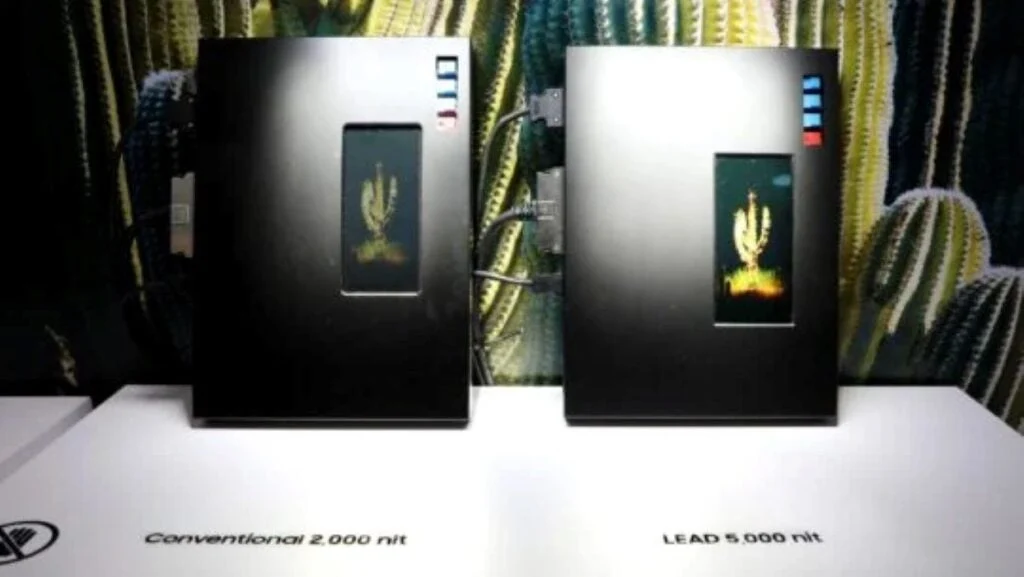
    Samsung has revealed an innovative new OLED screen that can achieve an impressive peak brightness of 5,000 nits. This advancement could change the way displays are viewed on mobile devices like smartphones, smartwatches, and laptops. The company is presenting this state-of-the-art panel at the MWC 2025 expo held in Barcelona, Spain.

    Major advancements in brightness and energy use

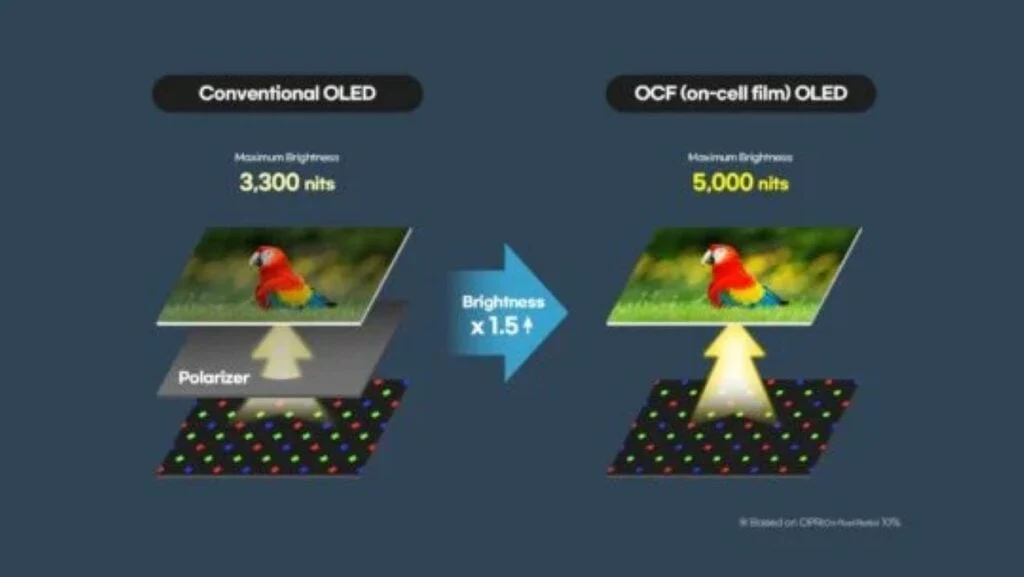
    The new OLED technology features a technology known as On-Cell Film (OCF), an invention by Samsung that does away with the polarizer. Polarizers have traditionally been used to block out outside light but can cut OLED brightness by as much as 50%. By eliminating this component, Samsung has created a display that is not only brighter but also uses energy more efficiently.

    The OCF II OLED panel is capable of hitting that 5,000 nits of peak brightness in a 10% window (which is 10% of the screen area), a remarkable improvement compared to competitors who often measure brightness in much smaller window sizes (1% or 5%) to achieve similar brightness figures.

    For typical activities like watching movies, the panel can hit up to 3,000 nits, which is still quite impressive, even surpassing what the Galaxy S25 Ultra can do under similar conditions.

    Enhancing efficiency and longevity

    However, brightness is not the only concern. In fact, enhancing power efficiency is actually more crucial than merely boosting peak brightness, especially since many of the devices equipped with these displays rely on battery power. Samsung claims that these brightness levels are reached with 1.5 times better efficiency than older panels, allowing the same brightness to be sustained with only 63% of the power usage. This leads to longer battery life, less heat production, and a longer lifespan for the display.

    Thinner design and wider use

    With the removal of the polarizer, Samsung can also make its OLED panels 20% thinner compared to traditional designs. This technology was first seen in the Galaxy Z Fold 3 and is now being adapted for bar-shaped smartphones and even rollable laptops.

    While it may appear to be just another step forward in brightness and efficiency, it goes beyond that. Samsung is not the only major player in the display market. Chinese manufacturers like BOE have made significant strides in brightness and efficiency in recent years. This new development from Samsung Display is anticipated to raise competition levels and encourage rivals to innovate more, ultimately benefiting consumers.

    Joohyung Lee, the Head of Mobile Display Business at Samsung Display, mentioned that the company is committed to retaining its leadership in the display sector through constant innovation.

    Source:
    Link


  • Chinese Smartphone OEM Set to Launch MiniLED Revolution in 2025

    Chinese Smartphone OEM Set to Launch MiniLED Revolution in 2025

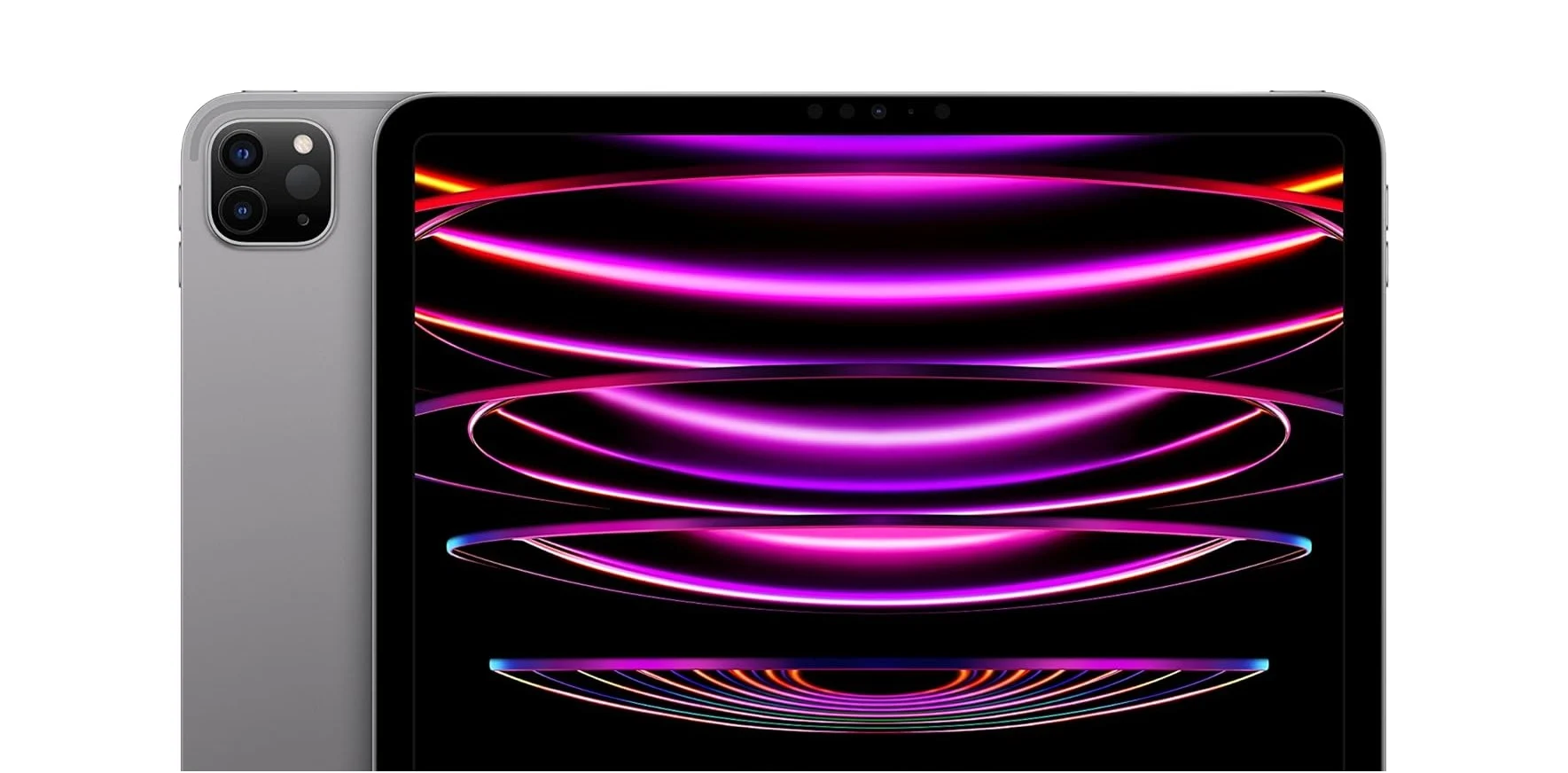
    Apple has claimed that the 2021 (or M1) model of the iPad Pro 12.9 is their finest tablet yet for enjoying or working with high dynamic range (HDR) content, thanks to the introduction of a Liquid Retina XDR display. We observed that this innovative screen is very bright and offers accurate colors, although it does have a tendency to be affected by PWM.

    Superior Contrast with miniLED

    MiniLED technology is known for providing excellent contrast, which comes from the high concentration of its tiny light-emitting diodes. This is especially true when used in larger screen devices. However, the application of these advantages has not yet been minimized enough for use in smartphones, though this may be changing soon.

    Exciting Developments in Smartphone Production

    A company in the smartphone sector is reportedly preparing to begin a trial run of miniLED production for smartphones, which is expected to kick off after the current New Year’s festivities in China. This information comes from Fixed Focus Digital, a Weibo leaks account that often focuses on smartphone manufacturers like Huawei and Honor.

    Transition to OLED Technology

    Interestingly, the iPad Pro has transitioned to OLED technology, while miniLED is still a key player in TVs, such as the 55-inch LG QNED80 model available on Amazon.

    Source:
    Link


  • Apple MacBook Air OLED Delay for Improved LCD Model

    Apple MacBook Air OLED Delay for Improved LCD Model

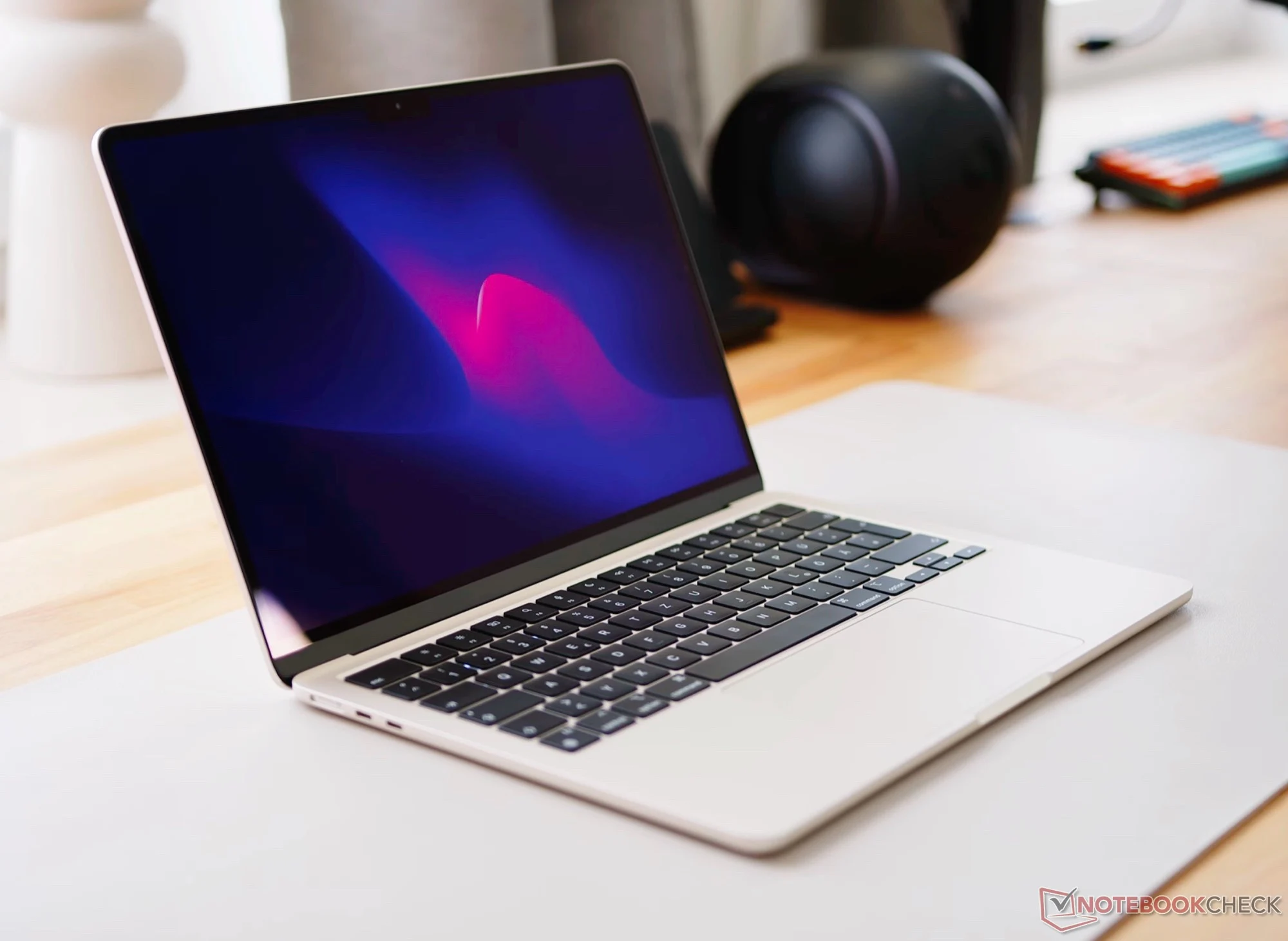
    According to a report from Omdia Research dated February 2024, the MacBook Air was originally set to get an OLED panel upgrade in 2027, following the MacBook Pro’s upgrade by a year. However, recent information from The Elec’s sources indicates that these plans have been delayed: the OLED version of the MacBook Air is now expected to launch in 2029.

    Reasons for the Delay

    The main reason for this shift is the slow sales of the iPad Pro featuring the OLED display. Apple projected to sell 10 million units, but in reality, only 6 million units were sold last year. This shortfall is likely attributed to the high cost of the tandem OLED panel, which led to a higher retail price. To fill the gap until the MacBook Air’s release, Apple is said to be planning an upgrade to a more advanced LCD in 2027. The new model is expected to feature an oxide LTPS panel, replacing the current MacBook Air’s a-Si TFT.

    Expected Improvements

    While these panels may be more costly, they usually offer benefits like better response times, improved color accuracy, and reduced power usage. In our thorough assessment, the current MacBook Air provides a commendable 98.4% coverage of the DCI-P3 color spectrum and a contrast ratio of 1250:1. However, its response time of 34.5 ms is only average. Even when the MacBook Air is anticipated to have an OLED panel in 2029, analysts predict that Apple will likely go with a traditional 60 Hz panel without a tandem design to keep costs down.

    Overall, it seems like the path ahead for the MacBook Air will involve some changes, but not the upgrades that were initially hoped for.

    Source:
    Link