Tag: Microsoft

  • $1 Game Pass Trial Disappears Before Call of Duty: Black Ops 6

    $1 Game Pass Trial Disappears Before Call of Duty: Black Ops 6

    Once more, Microsoft has chosen to cut back on the $1 Game Pass trial that is meant to give gamers a 14-day glimpse into what the subscription service provides. The timing of this decision seems rather suspicious, falling just before the launch of Call of Duty: Black Ops 6.

    Changes to the Trial

    Originally, the $1 trial (£1 in the UK, Rs 50 in India) lasted for a full month, but that was removed in March 2023. Instead, Microsoft rolled out a referral program for PC Game Pass, which permitted current members to invite other PC users to test the service for a period of 14 days. The trial returned in August, but it was shortened to 14 days, just a few weeks prior to the release of Bethesda’s Starfield.

    Availability of Black Ops 6

    According to Microsoft’s plan, Black Ops 6 will be exclusively accessible through PC Game Pass and Game Pass Ultimate subscriptions on consoles. This comes despite the company’s earlier commitment to making all first-party releases available for all Game Pass subscribers from the very first day.

    Reasoning Behind the Change

    One could argue that this strategy serves as a deterrent against potential cheaters who might want to access the multiplayer mode at a lower cost, possibly by creating multiple accounts.

    The Verge, IGN.

  • Windows 24H2 Update: Removing Recall Breaks File Explorer

    Windows 24H2 Update: Removing Recall Breaks File Explorer

    When Microsoft revealed its AI-driven Recall feature, designed to create a searchable timeline of your desktop activities, there was a huge reaction from privacy advocates and tech enthusiasts online. Although the initial release of Recall was delayed, Microsoft appears to have made it quite challenging to use the modern features of Windows File Explorer on a PC without involving Recall. YouTuber Chris Titus Tech, who conducted tests and in-depth analysis on the new Windows 11 24H2 update, noted that while it is possible to turn off Recall, doing so in a user-friendly manner also turns off the modern Windows File Explorer.

    Discoveries from Testing

    The YouTuber and software developer, recognized for his content on optimizing Windows and his automated tool for the same, found out during his tests that Recall is now a required part of Windows File Explorer. Titus’s tool, MicroWin, can eliminate Recall, but this action results in losing all the user-friendly features added in recent Windows updates. Essentially, this reverts the program back to something resembling its Windows 7 version (though with a few slightly newer icons), which includes losing dark mode and the File Explorer tabs.

    A Partial Solution

    Titus managed to uncover a workaround that disables Recall rather than removing it completely, which thankfully seems to hold up after restarts. However, currently, there’s no way to completely eliminate Recall without impacting the File Explorer interface. When Microsoft initially postponed the Recall launch due to privacy concerns, they mentioned that the feature would be opt-in when it finally rolled out widely. Yet, this does not appear to be the case in the 24H2 update. For those who use this utility or don’t mind having Recall activated, it may not be a significant issue, but it does signal that Microsoft is fully committed to incorporating Recall and AI features into Windows in future updates.

    Alternatives and Tools

    Another individual on GitHub highlighted that Microsoft’s DISM could be utilized to turn off the Recall service without affecting File Explorer. However, Titus noted that this behavior seems to vary, as his tests showed that the File Explorer’s appearance still changed after a restart. Regardless of this inconsistency, it’s doubtful that average Windows users will even know what DISM is, let alone how to operate it, showcasing Microsoft’s intent to rely on command-line tools for managing a controversial feature.

    For those considering switching from Windows, the Lenovo ThinkPad E16 Gen 2 is an excellent option for running Linux effectively, and it is priced starting at $685.20 in Lenovo’s US store.

  • Windows 11 24H2 Released: New AI Features and Enhancements

    Windows 11 24H2 Released: New AI Features and Enhancements

    As previously stated, the well-known Windows Recall feature is making its return, but not for everyone (more on this shortly). It’s important to note that this isn’t a minor update; it’s included in Windows 24H2, which is also referred to as Windows 11 2024. This update for personal users also introduces Windows 11 Enterprise LTSC 2024. While Windows 24H2 is set to receive two years of support, the business version is granted five years (the IoT variant enjoys a whole decade).

    Key Features of Windows 11 24H2

    Moreover, it’s worth noting that the Recall feature is returning, but it will do so gradually. Windows Insiders utilizing Snapdragon devices will be able to access this feature later this month, while users on Intel and AMD platforms will need to wait until November. Information on the feature’s wider release will be shared in the coming months.

    Update Rollout Process

    Even though it was released yesterday, the newest feature update for Windows 11 will take some time to reach all eligible devices. Microsoft has mentioned that this will be

    "a phased rollout that will begin over the coming weeks, starting with eligible devices running Windows 11, version 22H2 and 23H2 that have the “Get the latest updates as soon as they’re available” set to On." If the update is ready for your device, it will automatically download and install."

    Quick Update Options

    For those who can’t wait, there’s an option to create installation media using the Media Creation Tool or to use the Windows 11 installation assistant for a quicker update process.

    Windows Experience Blog

  • Xbox Game Pass Adds 3 New Games, Featuring 2 AAA Titles

    Xbox Game Pass Adds 3 New Games, Featuring 2 AAA Titles

    Strategists will find plenty to enjoy from Microsoft this September. Throughout the month, the Game Pass will introduce three new strategy games, with a special emphasis on Frostpunk 2 and Ara: History Untold—both are brand new AAA titles available on Game Pass from their launch date.

    Wargroove 2 Overview

    Wargroove 2 features a turn-based strategy format where multiple factions vie for dominance. Each faction is led by commanders who possess unique abilities, known as "Grooves." In this sequel, these Grooves become even more potent as players can charge them over multiple phases. The game boasts a comprehensive single-player campaign filled with a rich storyline, alongside various modes including multiplayer battles and editing tools. Its vibrant pixel art style adds a nostalgic touch to the experience.

    Frostpunk 2 Details

    Frostpunk 2 is the follow-up to the acclaimed city-building strategy game by 11 Bit Studios. Set 30 years after the original, players are once again thrust into a harsh, frozen environment where survival is a challenge. As the leader of a surviving community, players must oversee city management, gather resources, and face tough moral choices. Unlike the first game, which relied on coal as the primary energy source, Frostpunk 2 shifts the focus to oil as a new, limited resource. Key dilemmas involve making political choices: Should children work harder for increased productivity, or should the elderly be sent into the icy wasteland to conserve resources? The real question is: how far are you willing to go to secure the community’s survival?

    Ara: History Untold Insights

    This turn-based strategy title allows players to craft an alternate version of human history. Echoing traditional 4X games (eXplore, eXpand, eXploit, eXterminate), the game emphasizes exploration and strategic decision-making. However, Ara aims to invigorate the genre with fresh mechanics and a dynamic world that evolves over time. Players will manage resources, develop technologies, and grow their nation while navigating conflicts with rival civilizations.

    Xbox continues to enhance its offerings, making September an exciting month for strategy enthusiasts.

  • Microsoft Plans Surface Pro 11 Refresh with Upgraded CPU and GPU

    Microsoft Plans Surface Pro 11 Refresh with Upgraded CPU and GPU

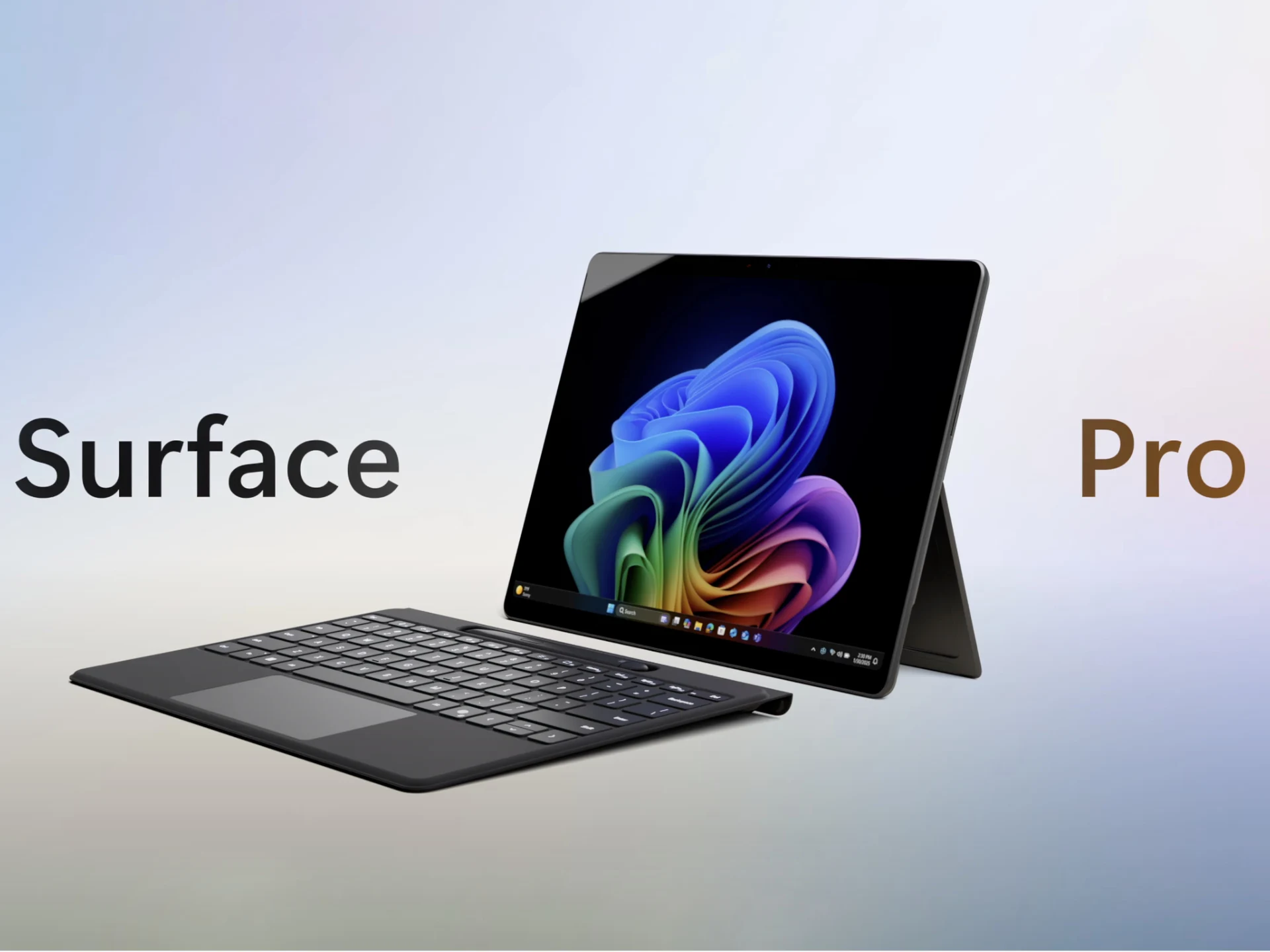
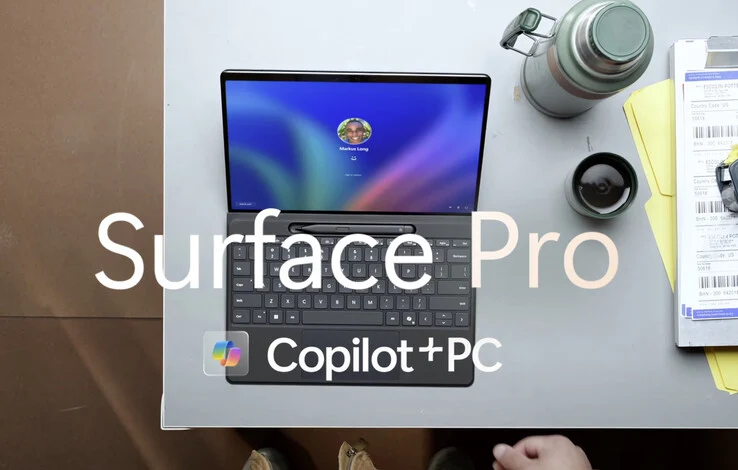
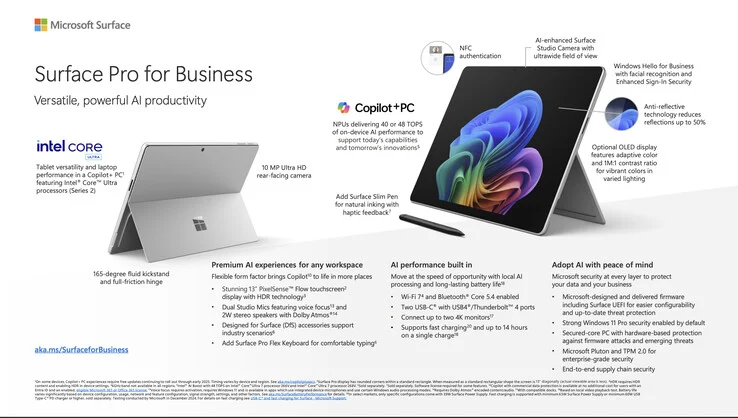
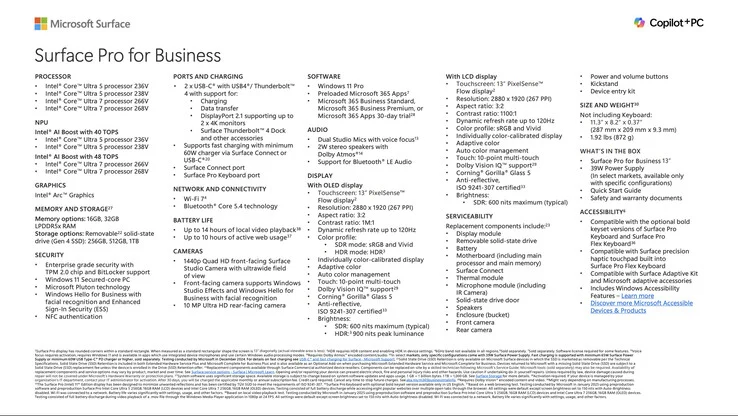
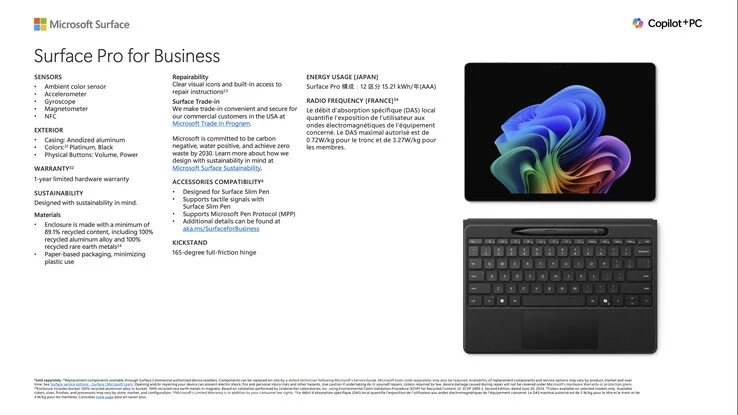
    Microsoft was among the first to launch devices powered by Snapdragon X Plus and Snapdragon X Elite in May, showcasing the Surface Laptop 7 and Surface Pro 11. Following this, Qualcomm has rolled out new variants of the Snapdragon X Plus, one of which we reviewed earlier this month. Recently, Roland Quandt has shared insights about an updated version of the Surface Pro 11 being developed.

    New Specifications

    The refreshed model is not expected to be a less expensive Snapdragon X Plus X1P-42-100 variant. Instead, Quandt has indicated that Microsoft may be focusing on an X1E-84-100 version of its latest 2-in-1 device, which currently maxes out at the X1E-80-100 (currently priced at $1,399.99 on Amazon). The X1E-84-100 boasts a higher boost CPU clock speed compared to the X1E-80-100 and features a more robust Adreno X1-85 GPU.

    Performance Comparison

    While the X1E-80-100 is slightly behind the X1E-84-100 by 1% in our benchmarks, its GPU is approximately 16% weaker than that of the latter. Although Microsoft has yet to announce anything officially, the X1E-84-100 variant of the Surface Pro 11 has been spotted at several retailers across Europe, all listed under the model number ‘ZIA-00007’. As of now, the specific release date is still uncertain, but the expected retail price for ZIA-00007 is between €1,849 and €1,929 throughout the Eurozone, featuring 16 GB of RAM and a 512 GB SSD.

    Retailers like Atea, Bijelo Jaje, Diomi, Euronics (1) (2), Mikronis, and Plasico have all been mentioned by Roland Quandt and WinFuture.

  • Microsoft Shifts Market Strategy from Xbox Consoles in EMEA

    Microsoft Shifts Market Strategy from Xbox Consoles in EMEA

    Microsoft‘s approach for the EMEA (Europe, Middle East, and Africa) market seems to be evolving, as reported by The Verge on July 12th. The article suggests that Microsoft might be planning to halt console sales in the region and instead concentrate on promoting its cloud gaming services, Xbox Game Pass subscriptions, and controllers.

    Focus on Cloud Gaming

    Microsoft has been spotlighting cloud gaming for some time now. This strategy is in line with their recent focus on cloud gaming and platform-independent experiences. They have pointed out that players do not necessarily require an Xbox console to enjoy Xbox games, with many new releases also available on PC. The Verge’s report cites sources indicating that Microsoft has decided internally to shift its game promotion and release strategies, potentially reducing the emphasis on the Xbox console itself.

    Strategic Move Towards Subscriptions

    This shift could signify a strategic move towards a subscription-based model. The report highlights Microsoft’s efforts to promote Game Pass subscriptions, which provide access to a library of games at a reduced price, especially for new subscribers. By prioritizing cloud gaming and subscriptions, Microsoft might be aiming to attract a broader audience that might not invest in a dedicated console.

    It’s crucial to note, however, that this information is based on a report, and Microsoft has not officially confirmed any plans to stop Xbox console sales in the EMEA market. Further announcements from Microsoft will be needed to clarify their future strategy for the region.

  • Microsoft Bans Android in China, Requires iPhones for Work

    Microsoft Bans Android in China, Requires iPhones for Work

    Microsoft is implementing a significant policy change for its employees in China. Starting this September, iPhones will be the required device for work purposes, effectively preventing Android phones from accessing company resources. An internal memo revealed by Bloomberg News points to security concerns as the main reason for this change.

    Security Concerns and Google Mobile Services

    The core issue stems from the unavailability of Google Mobile Services (GMS) in mainland China. These services are essential for Microsoft’s security applications, such as Microsoft Authenticator and Identity Pass, which are now mandatory for all employees. Without Google Play, the official app store for Android, being accessible in China, Apple’s App Store is the only platform where these apps can be reliably downloaded.

    Transition to iPhone 15

    To facilitate this transition, Microsoft will provide each employee currently using an Android phone with a new iPhone 15. These devices will be available for pick-up at designated collection points across China. It’s worth noting that this policy only impacts work phones; employees are still free to use their personal Android devices.

    Broader Implications

    This move comes amid rising cybersecurity concerns following a significant cyberattack, believed to be linked to Russia, which affected several US government agencies earlier this year. In response, Microsoft initiated the Secure Future Initiative, a comprehensive program focused on enhancing its security protocols.

    The policy change is likely to draw attention given the ongoing geopolitical tensions between the US and China. Recently, Chinese government entities have advised employees to avoid using foreign devices at work due to similar security concerns. Additionally, the US has imposed several stringent sanctions on Chinese companies operating within its borders.

    Microsoft’s decision to require iPhones for its staff in China underscores the complexities of operating in a market with limited access to certain software and services. While the company prioritizes security, this move also inadvertently contributes to the ongoing tech rivalry between the US and China.

  • Microsoft Phi-3-Vision Model Enhances Mobile Image Analysis

    Microsoft Phi-3-Vision Model Enhances Mobile Image Analysis

    Microsoft is broadening its Phi-3 series of small language models with the launch of Phi-3-vision. Unlike its counterparts, Phi-3-vision isn’t limited to text processing — it’s a multimodal model capable of analyzing and interpreting images as well.

    The model excels at object recognition in images

    This 4.2 billion parameter model is optimized for mobile devices and excels at general visual reasoning tasks. Users can pose questions to Phi-3-vision about images or charts, and it will provide insightful answers. While it isn’t an image generation tool like DALL-E or Stable Diffusion, Phi-3-vision is exceptional at image analysis and comprehension.

    Expansion of the Phi-3 family

    The introduction of Phi-3-vision follows the release of Phi-3-mini, the smallest model in the Phi-3 family with 3.8 billion parameters. The complete family now consists of Phi-3-mini, Phi-3-vision, Phi-3-small (7 billion parameters), and Phi-3-medium (14 billion parameters).

    Emphasis on smaller models

    This emphasis on smaller models highlights a growing trend in AI development. Smaller models require less processing power and memory, making them perfect for mobile devices and other resource-constrained settings. Microsoft has already achieved success with this strategy, as its Orca-Math model has reportedly outperformed larger competitors in solving math problems. Phi-3-vision is currently available in preview, while the rest of the Phi-3 series (mini, small, and medium) can be accessed through Azure’s model library.

  • Microsoft Proposes Relocation for China AI Staff amid US-China Tensions

    Microsoft Proposes Relocation for China AI Staff amid US-China Tensions

    Microsoft has revealed a noteworthy relocation offer for its AI staff based in China. The company is providing these employees the option to move to countries such as the United States, Australia, and Ireland. This decision affects approximately 700 to 800 employees, primarily those working on machine learning in the Azure cloud computing division. A few of these employees might also have opportunities for international rotations.

    Relocation Decision Deadline

    Employees need to decide by June 7 whether to relocate or continue in their current roles within China. This initiative comes as Microsoft pauses new hiring in China, impacting its offices in Beijing, Shanghai, and Suzhou. Nevertheless, Microsoft reassures its continued commitment to its operations in China and other international markets.

    Geopolitical Context

    This relocation offer mirrors broader geopolitical issues, especially the intensifying US-China tech rivalry. AI technology has become a significant point of contention. The Biden administration is contemplating new restrictions on exporting proprietary AI models to China, adding to the existing limitations on Chinese firms’ access to advanced semiconductors and chip-making tools. Microsoft is navigating these tensions while continuing to pursue business for its AI services in mainland China and Hong Kong.

    Strategic Relocation

    Last year, Microsoft transferred some top AI researchers from China to a new lab in Vancouver, Canada. This lab is part of a global initiative to integrate talent from various countries, including China. The current relocation offer is seen as a strategic response to the ongoing trade and tech disputes between the US and China.

    The US has recently increased tariffs on several Chinese imports, including electric vehicles and semiconductors, further straining relations. In response, China has vowed to take measures to safeguard its interests. Despite these challenges, Microsoft’s long-term presence in China, dating back to 1992, highlights its commitment to maintaining operations in the region.

    As the tech industry adjusts to geopolitical changes, companies like Microsoft are making strategic decisions to ensure their operations and talent pools remain strong. The relocation offer to China-based AI employees is a part of these efforts, reflecting the intricate interplay of global business and international relations.

  • New Dell Laptops Unveiled with Snapdragon X Elite Power

    New Dell Laptops Unveiled with Snapdragon X Elite Power

    Microsoft has recently introduced its AI assistant Copilot, and the company has integrated a dedicated Copilot button onto its latest Surface devices. This move indicates a potential future trend where laptops may commonly feature a Copilot button, especially with the rapid advancement of Qualcomm laptop chipsets designed to accelerate AI tasks.

    Dell Inspiron 14″ 7441 Plus & XPS 13″ 9345

    According to recent reports by Windows Report, Dell is gearing up to launch a new laptop equipped with the Snapdragon X Elite processor. The Dell Inspiron 14 7441 Plus, with its 16-core Snapdragon X Elite processor, has been leaked ahead of its official release.

    The Inspiron 14 7441 Plus is expected to debut with Windows 11 24H2 Preview Build, rumored to include AI Explorer and other AI functionalities. Leaked images of the laptop showcase a design reminiscent of previous Inspiron models but with a slimmer and more refined profile. The device is set to include 2 USB-C ports, 1 USB-A port, a microSD card slot, and a fingerprint sensor integrated into the power button.

    Additionally, leaked render images of the XPS 13 9345 suggest that it will share a design language with the Dell XPS 13 Plus. As per reports, the upcoming XPS laptop will be offered with either the Snapdragon X Elite or Intel Ultra processor, with the previous 13 Plus model housing the 13th gen Intel Core i7-1360P processor.

    Dell XPS

    Renowned for its sleek design, Dell’s XPS series will continue this trend with the upcoming Dell XPS 13 9345. This device is set to feature just 2 USB-C ports, positioned with one on each side.