Tag: Microsoft

  • Misleading Microsoft Edge Uninstall Guide Removed After Backlash

    Misleading Microsoft Edge Uninstall Guide Removed After Backlash

    Key Takeaways

    1. Microsoft has removed guides from its support site, including one for installing Windows 11 on unsupported systems.
    2. The “How to Uninstall Microsoft Edge” page was misleading, focusing on criticizing Google Chrome rather than providing uninstall instructions.
    3. After public feedback, Microsoft removed the misleading Edge uninstall guide and replaced it with a page that offers more information on Edge.
    4. The updated page includes brief descriptions of Microsoft Edge’s latest features to discourage users from switching to Chrome.
    5. Uninstallation steps for Microsoft Edge differ based on user location, with specific methods for users in the EU and those outside it.


    Microsoft has been busy lately removing guides from its official support site. Recently, they took down a guide that instructed users on how to install Windows 11 on systems that aren’t supported. Now, they’ve also eliminated a page that claimed to be an uninstall guide for Edge.

    The Edge Uninstall Guide

    This support page was titled “How to Uninstall Microsoft Edge,” but it didn’t actually provide any real instructions for uninstalling the browser. Instead, it focused on criticizing Google Chrome while highlighting features that Edge offers but Chrome does not.

    After people pointed out the misleading nature of this uninstall guide, Microsoft removed it quietly. The previous link now leads to a different page that doesn’t pretend to provide uninstall instructions. While the title may no longer be misleading, it still doesn’t meet the search intent for those keywords.

    Updated Page Information

    The new page does include helpful links that aim to give users more information on Microsoft Edge. For instance, it features brief descriptions of the latest updates, which may help keep users from switching to Chrome.

    If you’re looking for actual steps on uninstalling Microsoft Edge, the process is quite straightforward. Users in the EU can follow these easy steps:

    Uninstallation Steps

    For individuals outside the EU, the uninstallation process involves a different method. Here’s one of the simple ways for users outside the EU:

    Source:
    Link

  • Google Launches Gemini 2.0 Flash: Faster and More Efficient AI

    Google Launches Gemini 2.0 Flash: Faster and More Efficient AI

    Google has rolled out Gemini 2.0 Flash as the new standard model for its Gemini application, offering enhancements in both speed and efficiency. This update, which follows its launch in December, boosts performance in crucial areas, making activities like brainstorming, studying, and writing much quicker and smoother. Thanks to faster response times and improved processing, users can effortlessly generate ideas, dive into concepts, and produce written content.

    Features for Advanced Subscribers

    For those who have subscribed to Gemini Advanced, the 1 million token context window is still available, enabling document uploads of up to 1,500 pages. Subscribers also keep access to unique features like Deep Research, which aids in discovering insights and relationships, as well as Gems, which delivers curated resources for more streamlined research.

    Enhanced Image Generation

    Moreover, the image generation now employs Imagen 3, which delivers more intricate textures and precise interpretations of prompts. The updated model excels at handling fine details, realistic elements, and stylistic choices, simplifying the creation of photorealistic images and imaginative artwork.

    Gemini 2.0 Flash is now accessible on both web and mobile platforms. To aid in the transition, Google will still offer support for the earlier models, Gemini 1.5 Flash and 1.5 Pro, for a limited duration, allowing users to finish any ongoing chats.

    Microsoft Updates

    In other news, Microsoft is launching distilled versions of DeepSeek R1 to Windows 11 Copilot+ PCs, enabling AI functionalities to operate efficiently on-device without requiring an internet connection. This change enhances privacy and performance by keeping data processing local. The rollout will commence with Snapdragon X-powered devices from manufacturers such as Asus, Lenovo, Dell, HP, and Acer, and will soon include Intel Core Ultra 200V and AMD Ryzen AI 300 series.

    Source:
    Link


  • Microsoft Launches Compact Surface Dock with HDMI 2.1 Support

    Microsoft Launches Compact Surface Dock with HDMI 2.1 Support

    Microsoft has a wide range of docking solutions that are compatible with different devices. For example, the company has been offering the Surface Thunderbolt 4 Dock, which is currently priced at $254.99 on Amazon, for nearly two years. Although this accessory is still on the market, Microsoft has now launched a lighter alternative that is roughly 50% lighter than the Thunderbolt 4 version.

    Weight and Size Differences

    The new Surface USB4 Dock weighs only 206 g, while the Surface Thunderbolt 4 Dock weighs 410 g. In terms of dimensions, the USB4 Dock is 120 x 60 x 15 mm, making it significantly smaller compared to the Thunderbolt 4 Dock, which measures 150 x 75 x 21.3 mm. However, to achieve this smaller size, the Surface USB4 Dock has fewer ports, such as the absence of a 3.5 mm jack. Microsoft states that the new dock includes the following input/output options:

    Power and Features

    The Surface USB4 Dock can deliver up to 65 W of power to a connected device, but it comes with a 100 W power supply unit (PSU), which Microsoft will not sell separately. Additional features of the dock include MAC address passthrough and Wake on LAN capabilities from Modern Standby S4 or S5 sleep modes. The Surface USB4 Dock is available for purchase now at a price of $199.99, with shipping set to start on February 18.

    Source:
    Link


  • Microsoft Surface Pro: New 2-in-1 with 3:2 Display and Intel Processors

    Microsoft Surface Pro: New 2-in-1 with 3:2 Display and Intel Processors

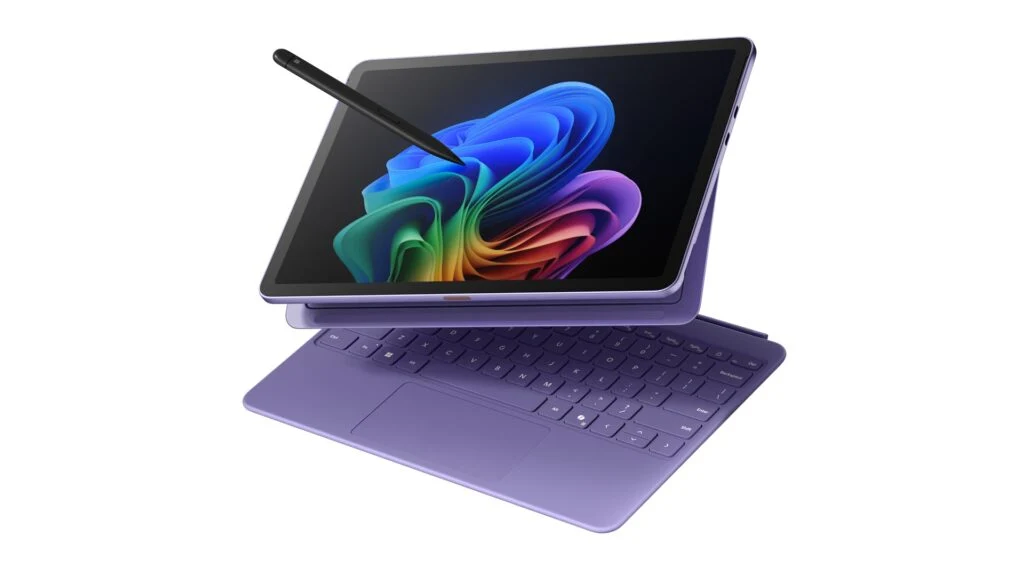
    Microsoft has unveiled the Surface Pro 11th Intel Edition at the AI Tour event today in New York City, instead of the anticipated Surface Pro 12 for Business. This new model marks the third Surface Pro launch in just one year, following the releases of the Surface Pro 10 and Surface Pro 11 last spring.

    Processor Details

    As predicted, the latest Surface Pro is equipped with Intel’s Lunar Lake processors, available in Core Ultra 5 236V, Core Ultra 5 238V, Core Ultra 7 266V, and Core Ultra 7 268V versions. It’s worth mentioning that while all these processors use the same Lion Cove P and Skymont E CPU cores, Intel differentiates the ‘6V’ and ‘8V’ models with 16 GB and 32 GB of RAM, respectively. The Core Ultra 5 variants also include Intel’s Arc Graphics 130V integrated GPU, which is not as powerful as the Arc Graphics 140V found in the Core Ultra 7 versions.

    Features and Specifications

    In addition, the new Surface Pro carries over many features from the Surface Pro 11 (currently priced at $989.99 on Amazon), including an optional OLED display. However, this latest version comes with Windows 11 Pro pre-installed, not the ARM version, and introduces an NFC chip for the first time. Microsoft claims that the battery life can last up to 14 hours, although the specific capacity details have not been disclosed yet.

    Pricing and Availability

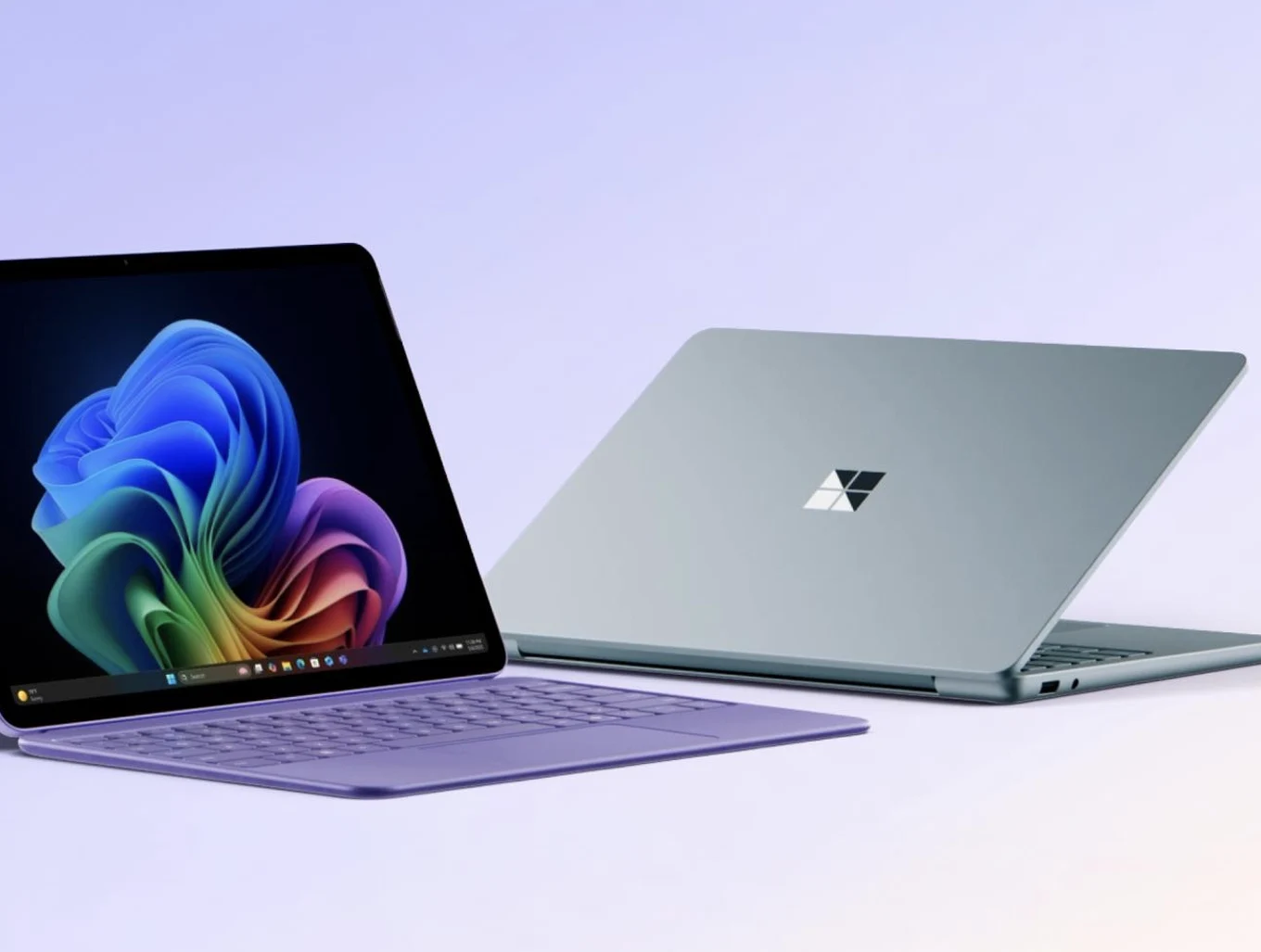
    The Surface Pro 11th Edition Intel is available starting at $1,499.99 and will start shipping on February 18. Interestingly, today’s Surface Pro launch also aligns with a refresh of the Surface Laptop and a new USB 4 dock, which we have discussed in detail through their respective links.

    Source:
    Link


  • Microsoft Teases Release Dates for Surface Laptop 8 and Pro 12

    Microsoft Teases Release Dates for Surface Laptop 8 and Pro 12

    It looks like Microsoft is planning to unveil more Surface products than usual this year. According to Windows Central, last week it was reported that the company intends to launch smaller versions of the Surface Laptop and Surface Pro, likely as updates to the Surface Laptop Go and Surface Go.

    Upcoming Devices

    These new devices are expected to be released ‘in the coming weeks’ and will likely feature Snapdragon X and Snapdragon X Plus series chipsets. Additionally, a new lineup of x86-powered Surface products seems to be on the horizon. Microsoft has scheduled a launch event for January 30, between 15:00 and 16:00 UTC, although the specific details of what will be announced remain a mystery. However, the Surface division has confirmed that a ‘major announcement’ is on the way concerning its ‘for Business’ segment.

    Previous Launches

    Last year, a similar event saw the introduction of the Surface Laptop 6 for Business and the Surface Pro 10 for Business, which were based on Intel’s Meteor Lake architecture. In contrast, Microsoft waited until June to reveal the ARM-based Surface Laptop 7 and Surface Pro 11 (currently priced at $989.99 on Amazon); it’s believed that successors based on Snapdragon X2 will debut ‘later this year’.

    New Features

    Meanwhile, the upcoming Surface Laptop 8 and Surface Pro 12 are likely to feature Core Ultra 5 226V, Core Ultra 7 266V, and Core Ultra 7 268V processors along with up to 32 GB of LPDDR5X RAM. These new ‘for Business’ versions are also set to showcase design updates that Microsoft introduced with last year’s consumer models, like thinner display bezels on the Surface Laptop series. It’s important to note that while these devices will be marketed primarily to business customers, regular consumers can still buy them through the company’s online store.

    Source:
    Link


  • Xbox’s Journey: From Shutdown Rumors to Growth Challenges

    Xbox’s Journey: From Shutdown Rumors to Growth Challenges

    A recent article from The Information has ignited discussions about the future of Microsoft’s Xbox division. The report claims that in 2021, Microsoft CEO Satya Nadella contemplated the idea of shutting down the gaming division. At a crucial moment, Nadella weighed the option of exiting the gaming industry or significantly expanding it, a decision that resulted in the purchases of key gaming companies Bethesda for $7.5 billion and Activision Blizzard for $75.4 billion.

    Performance Concerns

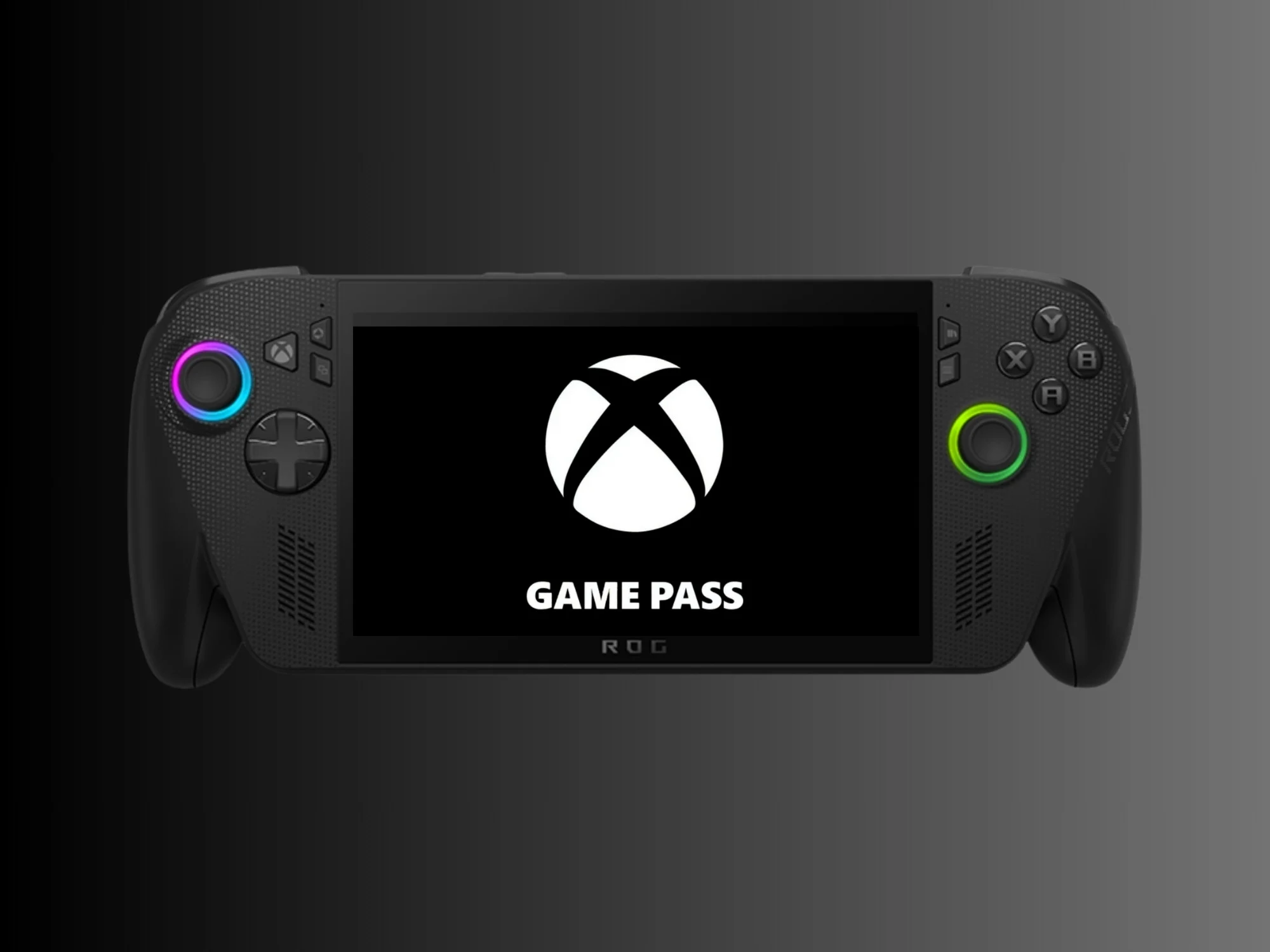
    Microsoft has rejected these allegations, but the report brings up significant issues regarding the division’s success and what lies ahead. Xbox hardware sales have notably dropped, with a reported decrease of 29% compared to the previous year. In light of this, Microsoft is increasingly prioritizing its Game Pass subscription service.

    Revenue Goals

    Even with this change in focus, the Xbox division fell short of its revenue growth targets in 2023, missing the 11% goal that was tied to CEO Satya Nadella’s bonuses. Interestingly, Microsoft has stopped linking Nadella’s pay to the growth of Game Pass, possibly indicating a decline in confidence regarding this model. The company aims to have over 100 million subscribers by 2030, a significant jump from the 34 million reported in February 2024. Achieving this target would necessitate tripling the subscriber count over five years, requiring an annual growth of 40%.

    Subscription Growth

    Microsoft has reported a 36% increase in subscriptions since 2022, although this number hasn’t been confirmed by an outside source. The company has applauded recent achievements, such as record Game Pass subscriptions following the launch of Call of Duty: Black Ops 6, yet there are still worries about the sustainability of this growth.

    Views on the future of Game Pass are mixed among experts and industry watchers. Michael Pachter, a prominent analyst, believes there’s promise in the model and remarked, “Seventy billion dollars is a big investment. Short-term losses are fine if Game Pass proves to be a reliable source of recurring revenue over time.” Conversely, Gus Zinn from the Macquarie Science and Technology Fund has voiced skepticism about the widespread acceptance of the Game Pass model. Developers also share these apprehensions, with estimates suggesting that premium game sales on Xbox consoles could fall by as much as 80% when those games are accessible through Game Pass.

    Commitment to Xbox

    In response to these debates, Microsoft has reiterated its dedication to the Xbox brand. A company representative stated that Microsoft is focused on gaming and underscored Satya Nadella’s “all-in” strategy.

    Source:
    Link


  • Bill Gates Calls Missing Mobile Revolution His Biggest Mistake

    Bill Gates Calls Missing Mobile Revolution His Biggest Mistake

    Bill Gates, the Microsoft co-founder, has recently shared insights about a major mistake in his career that resulted in a massive loss of $400 billion for the company. During an event organized by venture capital firm Village Global, Gates openly talked about Microsoft’s inability to establish itself in the mobile operating system arena, which paved the way for Google’s Android to become the leading alternative to Apple’s platform.

    A Critical Error

    “In the realm of software, especially regarding platforms, these markets are winner-take-all,” Gates remarked while speaking with Eventbrite CEO Julia Hartz. “The most significant error was the management missteps I made that led Microsoft to miss out on what Android has become. Android is now the standard for non-Apple mobile platforms. Microsoft should have naturally triumphed in this area.” Gates did some quick calculations and noted that if Microsoft had managed to secure the second position in the mobile OS market, it could have obtained a significant $400 billion share—funds that have instead strengthened Google.

    The Timing Issue

    The iPhone from Apple was launched in June 2007, and Android devices followed in September 2008. Microsoft’s Windows Phone 7 only entered the market later, in October 2010, by which time Android and iOS had almost entirely captured the mobile OS market, holding 99.9% of the share. Gates recognized that arriving late to this sector sealed Microsoft’s fate in the mobile world. “If you show up with significantly fewer apps, you’re headed for total failure,” he stated.

    Microsoft’s blunder in mobile starkly contrasts with its stronghold in the PC industry. The Windows OS revolutionized personal computing during the ’90s and still plays a crucial role in its $3 trillion market valuation. However, as Gates pointed out, if Microsoft had been successful in mobile, “we would be the leading company.”

    A Response from Android’s Co-Founder

    Rich Miner, co-founder of Android, did not ignore Gates’ comments. He took to X (formerly Twitter) to respond: “I literally helped create Android to stop Microsoft from dominating the phone market like they did with PCs—suppressing innovation. So, it’s amusing for me to hear Gates complain about losing mobile to Android.”

    Thus, it seems Microsoft inadvertently played a role in the creation of Android. At its peak, Microsoft’s strong presence in the PC market was often criticized for hindering competition and innovation. On the other hand, Android’s open-source framework was intentionally created to offer an alternative to proprietary systems like those of Microsoft and Apple.

    Source:
    Link

  • Minecraft 2 Revealed as Spiritual Successor to Legendary Game

    Minecraft 2 Revealed as Spiritual Successor to Legendary Game

    In Minecraft, players can express their imagination by constructing whatever they want using blocky pixels – from grand castles to lush forests or even entire worlds beneath the sea. When Markus Persson, who is more famously known as Notch, first released the game in May 2009, it struck a chord with gamers of every age. By 2020, Minecraft had achieved over 200 million copies sold, making it the top-selling game ever, even beating out GTA 5.

    Major Acquisition by Microsoft

    About five years post-launch, Notch decided to sell Mojang Studios, the creators of Minecraft, to Microsoft for an impressive $2.5 billion. Microsoft then brought the studio into its Xbox Game Studios umbrella and has kept providing support for the game, which still enjoys a vast player community. In 2024, Minecraft saw the release of two significant expansions, Tricky Trials and The Garden Awakens, introducing players to a plethora of new experiences. Yet even with these updates, the demand for a genuine Minecraft 2 remains high among the community.

    Survey Sparks Interest

    On January 1, Minecraft’s creator, Markus Persson, released a survey to gauge the community’s interest in whether he should work on a roguelike game he had started or pivot to developing Minecraft 2. The results were clear: 80% of those who participated preferred the idea of a sequel to Minecraft.

    Just two days later, Notch returned to the community, stating that he had “basically announced Minecraft 2” via the survey. Nevertheless, the Swedish developer labeled it as a “spiritual successor”, indicating that it would be a game influenced by Minecraft but with its own unique direction. Notch further explained:

    “I was thinking that maybe people REALLY do want me to create another game that’s really similar to the first one, and I’m enjoying making games again.”

    Community Reactions

    For fans of Minecraft, these comments ignite a sense of hope, making the idea of a sequel feel more attainable. However, it’s important to highlight that Notch has previously teased game projects that never came to fruition, leaving the chance that “Minecraft 2” might not ever be released. Even if it does become a reality, there’s uncertainty about how closely it could mirror the original, considering that Microsoft now owns the rights to Minecraft. On Reddit, fans share a blend of curiosity and doubt, keeping an open mind about the possibility of a successor.

    Source: Link


  • AI Phishing Scams Target Corporate Executives

    AI Phishing Scams Target Corporate Executives

    According to the Financial Times, as reported by Gadgets360, there’s been a notable rise in phishing attacks that utilize AI technology to make them seem more human-like and slip past security measures.

    Targeting Corporate Executives

    These attacks primarily target high-level executives at companies such as eBay and the insurance provider Beazley. The fake emails are crafted with personal details about the employees, making them more appealing to open and click on.

    Understanding Phishing

    Phishing refers to deceptive emails or messages that aim to fool individuals into clicking on harmful links or downloading malware. A well-known instance of phishing is the Nigerian Prince scam, which claimed to offer a large financial reward in exchange for help.

    The Complexity of AI Attacks

    In contrast, these AI-driven phishing attempts appear more sophisticated. They seem to be built on extensive data regarding employees, which is gathered from social media and various other platforms, making them persuasive enough to bypass standard security systems.

    According to Check Point, Microsoft has been the most frequently impersonated brand in phishing activities, constituting 38% of all brand phishing attempts in the first quarter of 2024. Following Microsoft, Google and LinkedIn each accounted for 11% of the phishing attempts.

    Source: Link

  • Google Chrome Launches On-Device AI Scam Detection for Privacy

    Google Chrome Launches On-Device AI Scam Detection for Privacy

    Google has introduced a fresh AI scam-detection tool in the newest Chrome Canary version. Named “Client Side Detection Brand and Intent for Scam Detection,” this feature employs a large language model located on your device to examine webpages on Windows, Mac, and Linux systems.

    On-Device Analysis

    This approach means that all processing happens directly on your computer, ensuring that your browsing information remains private and isn’t sent to external servers. It’s quite similar to the “scareware blocker” recently released by Microsoft Edge, but Chrome’s feature will be automatically activated when it officially rolls out.

    Rising Online Threats

    This security enhancement comes at a time when online dangers are increasing. Microsoft’s Digital Defense Report highlights that cybercriminals and even state actors launch over 600 million attacks each day. Earlier this year, Chrome began alerting users about suspicious downloads with a new full-page warning.

    Beyond Security Features

    However, Chrome’s AI capabilities extend beyond just providing security. For example, a new “Store reviews” function collects and summarizes ratings from sites like Trustpilot. To try out the new scam detection feature, users need to download the latest Canary version and enable the appropriate option in chrome://flags.

    Microsoft’s Concerns

    In other news, Microsoft reported that the Russian hacking group Nobelium managed to breach its corporate network and accessed the email accounts of top executives for approximately a month. This incident led Microsoft CEO Satya Nadella to stress that security remains the company’s top priority.

    Source: Link