Tag: Microsoft 365 Copilot

  • Microsoft warns: Don’t rely on Copilot for critical tasks

    Microsoft warns: Don’t rely on Copilot for critical tasks

    Key Takeaway

    1. Microsoft centrally brands all AI products as “Copilot,” aiming to integrate these tools into daily life and professional workflows, including Windows 11 and GitHub.
    2. There is a disconnect between marketing claims of increased productivity and cautious legal language emphasizing verification and entertainment purposes.
    3. The broad branding of “Copilot” across different applications creates confusion and risks damaging credibility due to varying terms of use and perceived reliability.

    Microsoft’s AI Strategy: A Broad Vision

    Microsoft has been really pushing its artificial intelligence lately, especially through the launch of several new products like Copilot+ PCs, Microsoft 365 Copilot, and other business tools all under the Copilot brand umbrella. They also deeply integrate this assistant into Windows 11, aiming to make Copilot an essential part of both daily life and work environments. Its presence is felt across different platforms, reflecting the company’s ambition to embed AI into everyday technology.

    Marketing vs. Reality in Terms of Service

    At Microsoft, every AI-related product seems to be branded as ‘Copilot.’ But there’s a twist. For example, on GitHub, Copilot is also making an appearance. The company’s marketing suggests that Copilot can handle tasks and make content faster, which sounds impressive. Yet, the actual Terms of Service for Microsoft 365 Copilot are quite cautious—they say things like it’s for entertainment purposes only. This stark difference between shiny marketing and reserved legal text causes some confusion.

    Public Perception and Confusion

    Because of this, people often dismiss Microsoft 365 Copilot as a joke or just a gimmick in forums and media. The big problem here is that the terms applying to the chatbot version don’t necessarily cover all the other tools labeled as Copilot, like business apps or paid services—they each have their own rules. Clarifying these differences becomes tricky, and many users get mixed signals about what Copilot can really do.

    Risks of Brand Blurring

    Microsoft’s decision to use the same name for both entertainment and productivity tools puts them into a tricky spot. When folks hear ‘Copilot,’ they may think it’s unreliable or just for fun, especially since the free versions are associated with negative perceptions. The marketing attempts to promote Copilot’s features gets muddled when the fine print emphasizes its unreliability, which isn’t a good look for the enterprise side of things.

    Legal Terms and User Expectations

    In the end, the legal notices — the Terms of Use — for Microsoft Copilot are pretty clear about its limitations. They emphasize that it’s not to be fully trusted for critical tasks. This legal language creates a gap between what consumers are told and what they can really expect, leading to misunderstandings. For businesses considering these tools, it’s important to read the fine print before relying too much on what marketing promises.
    Sources
  • Microsoft 365 Copilot Introduces AI Agents for Business Tasks

    Microsoft 365 Copilot Introduces AI Agents for Business Tasks

    Key Takeaways

    1. Microsoft introduced two new AI reasoning agents, Analyst and Researcher, to its 365 Copilot service for business users.
    2. These AI agents can perform tasks similar to entry-level data analysts and business consultants, offering 24/7 virtual assistance.
    3. Microsoft 365 Copilot enhances efficiency by accessing corporate emails, data, and approved external sources to generate reports and analyze metrics.
    4. The Analyst agent uses a customized version of OpenAI o3-mini to evaluate data and create reports, while the Researcher agent focuses on advanced research and search functionalities.
    5. Access to these AI agents requires a subscription to Microsoft 365 Copilot, costing $30 per month in addition to a qualifying Microsoft 365 plan.


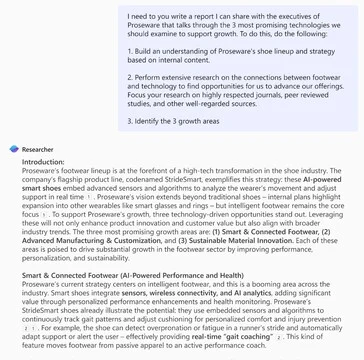
    Microsoft has introduced two fresh AI reasoning agents to its 365 Copilot service – Analyst and Researcher. These agents carry out tasks akin to those performed by entry-level data analysts and business consultants, leveraging cutting-edge large language models (LLMs).

    Benefits for Business Users

    Business users can take advantage of virtual assistants that are accessible around the clock, which could potentially perform tasks quicker and at a reduced cost compared to human assistants. However, it’s important to note that users must still verify the work produced by these AI agents.

    Features of Microsoft 365 Copilot

    Microsoft 365 Copilot is a service designed for businesses that employs AI across its features to enhance efficiency. This service has the capability to access corporate emails, data, and files, as well as approved external data sources. The new AI agents can tap into all this information to respond to prompts, assess company metrics, and create reports.

    Details on the AI Agents

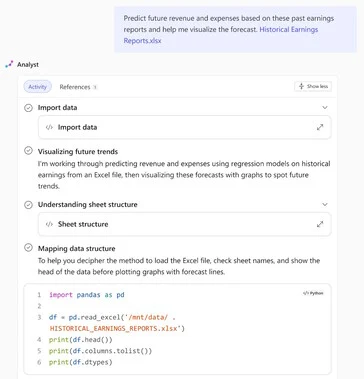
    The Analyst AI agent uses a tailored version of OpenAI o3-mini, equipped with Python programming skills to evaluate corporate data. It can summarize its discoveries in reports, complete with figures and visuals. Each action is tracked, and all references are connected, enabling users to confirm the results.

    On the other hand, the Researcher AI agent employs a modified version of OpenAI o3 that comes with enhanced research abilities, along with integration into 365 Copilot and advanced search functionalities. Recent progress in AI technologies allows chatbots to address intricate issues by utilizing both internal and external business data, producing well-structured reports. Users can offer feedback and additional prompts to enhance the report quality.

    Subscription Information

    To access these agents, a subscription to Microsoft 365 Copilot is necessary, costing $30 per month in addition to a qualifying Microsoft 365 plan. Readers interested in exploring the various features of Microsoft 365 and Copilot can find more information in this book available on Amazon.

    Source:
    Link


  • Microsoft Explores Alternatives to OpenAI for 365 Copilot

    Microsoft Explores Alternatives to OpenAI for 365 Copilot

    OpenAI’s GPT models have been a key focus for Microsoft within its 365 Copilot enterprise offerings. Nevertheless, it seems that Microsoft is looking to expand its options and integrate additional models to enhance its AI services.

    Shifting Strategies

    According to Reuters, Microsoft is aiming to lessen its dependency on OpenAI’s models “because of worries regarding cost and speed for enterprise clients.” To improve the speed and performance of Copilot for businesses, Microsoft is tailoring several open-weight models.

    Copilot Features

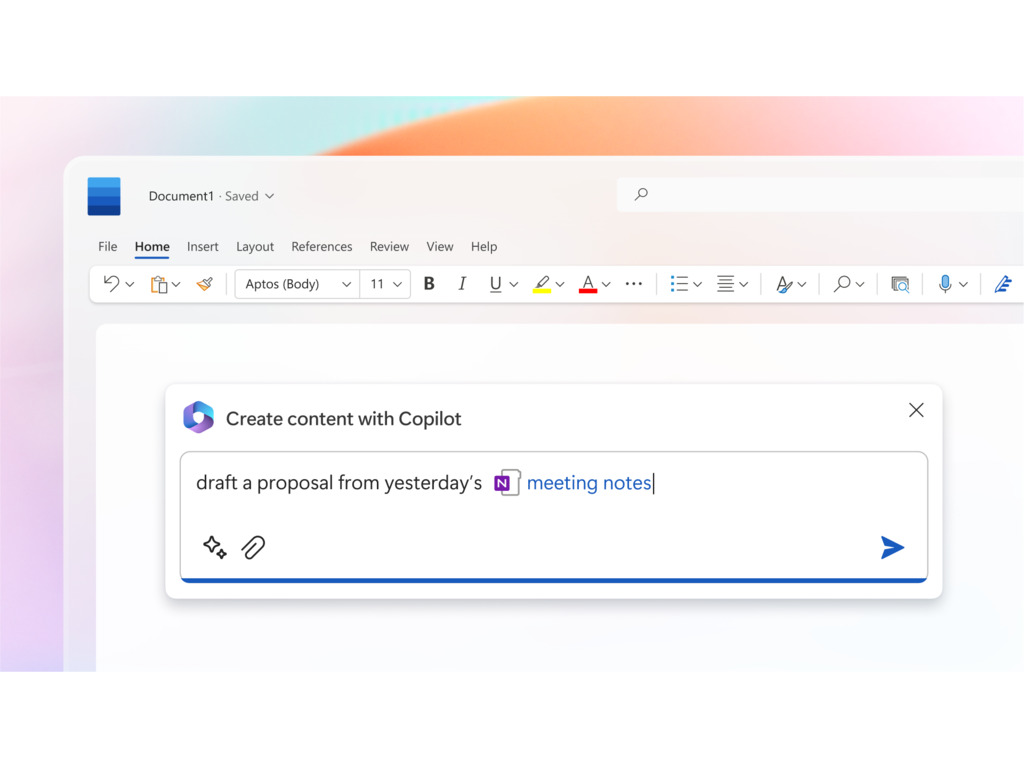
    Microsoft 365 Copilot serves as the company’s premier AI assistant, incorporated into a range of 365 applications like Word, Excel, PowerPoint, Outlook, Teams, and others. It is capable of providing contextual answers, assisting with drafts, and summarizing documents effectively.

    Future Plans

    The organization is keen on making Copilot’s AI more affordable to operate and may “transfer these savings to the final customer.” Microsoft’s subsidiary, Github, currently utilizes models from Anthropic and Google alongside OpenAI, while the tech giant from Redmond also offers a blend of internal models with GPT in the consumer version of Copilot.

    When approached for a statement, a Microsoft representative informed Reuters that the firm uses “a variety of models from OpenAI and Microsoft based on the specific product and user experience.” The representative further mentioned that OpenAI remains a partner for advanced models.

    Source: Link