Tag: Meta

  • Bees Halt Meta’s Plan for First Nuclear-Powered AI Data Center

    Bees Halt Meta’s Plan for First Nuclear-Powered AI Data Center

    Meta has had to abandon its ambitions for a nuclear-powered AI data center in the United States due to environmental hurdles. The company initially aimed to establish a facility that would utilize emissions-free energy from a recognized nuclear plant operator, positioning Meta as one of the pioneering tech entities to look into nuclear energy specifically for AI processing.

    Environmental Challenges Arise

    Unfortunately, the discovery of a rare bee species on the selected location for the data center introduced regulatory and environmental challenges, which ultimately resulted in the cessation of the project. This unexpected finding presented significant issues that Meta could not navigate, leading to the decision to halt the initiative.

    The Quest for Sustainable Energy

    Big tech firms are increasingly turning to nuclear power as a solution for their energy needs in AI advancement, primarily because AI models necessitate immense computational capabilities, resulting in high energy consumption, often 24/7. Conventional energy sources, particularly fossil fuels, face difficulties in offering sustainable and scalable energy without boosting carbon emissions.

    In contrast, nuclear energy provides a reliable, emissions-free power source that aligns with the environmental goals and long-term objectives of the tech industry, making it an attractive option for companies like Meta.

    A Setback for Meta’s Nuclear Goals

    During an all-hands meeting, CEO Mark Zuckerberg shared his frustration, indicating that the company was ready to proceed with the nuclear supplier to guarantee clean energy for the facility. Although Meta’s nuclear aspirations for this particular site are currently on hold, the company is still considering other pathways to obtain low-carbon energy. This strategy is in line with a larger movement among tech giants such as Microsoft, Google, and Amazon, all of which have recently expressed interest in nuclear energy for their data centers.

    For instance, Microsoft has entered into a 20-year contract to obtain energy from the historic Three Mile Island nuclear facility, which has been renamed the Crane Clean Energy Center, to fuel its own AI projects. Meanwhile, Google and Amazon are investing in small modular reactors (SMRs), which are compact nuclear units designed for safer and more flexible implementation, with Google anticipating that its reactors will be active by 2030.

    Looking Ahead

    Meta is still dedicated to investigating further clean energy sources to support its data-heavy AI operations. The tech industry’s growing dependence on nuclear energy highlights the increasing energy demands of AI and the essential role of clean energy in achieving sustainability objectives. Nevertheless, for the time being, the presence of at-risk wildlife and the regulatory environment have shifted Meta’s plans for a nuclear-driven AI future.


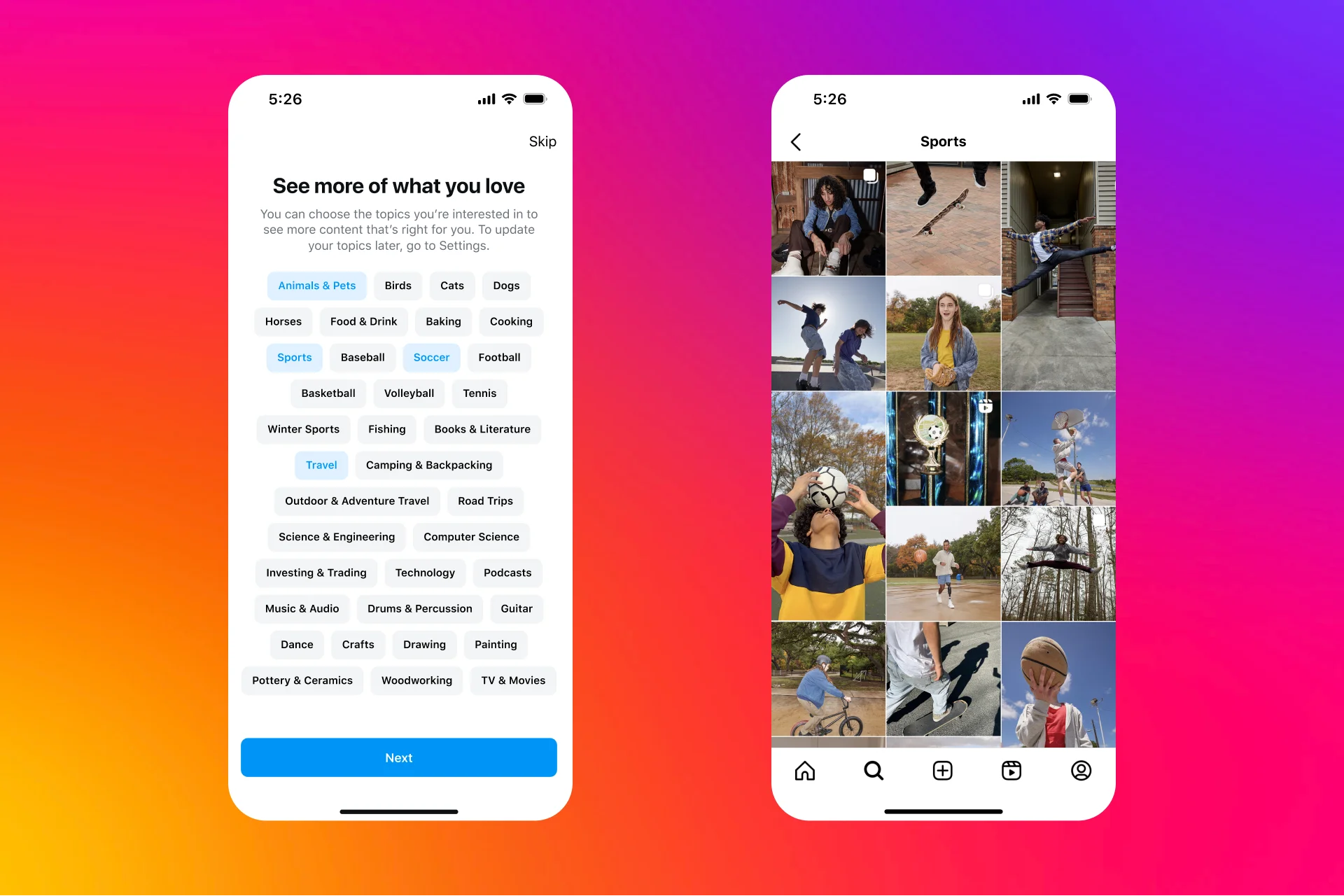
    Image 1
  • South Korea Fines Meta $15 Million for User Data Collection

    South Korea Fines Meta $15 Million for User Data Collection

    South Korean authorities, specifically the Personal Information Protection Commission (PIPC), have slapped Meta with a hefty fine of 21.6 billion won, equivalent to about $15 million, due to the unlawful gathering and sharing of user data with advertisers.

    Findings from the Investigation

    According to an Associated Press report, the investigation that lasted four years revealed that Meta had collected sensitive information from nearly 980,000 users without their consent. This data included delicate details like users’ religious beliefs, political opinions, and information about same-sex relationships.

    PIPC highlighted that the data collection occurred between July 2018 and March 2022, with Meta sharing this information with around 4,000 advertisers without any authorization. South Korea’s privacy laws provide strong safeguards for personal data relating to individual beliefs, political opinions, and sexual orientation, and forbid companies from using or processing such information without explicit consent from the user.

    Methods of Data Collection

    The commission noted that Meta obtained this sensitive data through the analysis of user interactions on their platform and the advertisements that users engaged with.

    Lee Eun Jung, the head of the investigation, stated to AP, “Even though Meta gathered this sensitive information for personalized services, their data policy only provided vague references to such usage and did not secure specific consent from the users.”

    Security Concerns

    Moreover, PIPC pointed out that Meta did not incorporate basic security measures on the platform. This negligence allowed hackers to exploit inactive pages to create fake identities and request password resets for other users on Facebook.

    AP, Image Source

  • Meta Uses AI to Predict Ages and Identify Teens on Instagram

    Meta Uses AI to Predict Ages and Identify Teens on Instagram

    A few months back, Meta said it would start looking for teenagers pretending to be adults in early 2025. This announcement came after the company launched Teen Accounts on Instagram in September.

    AI Tool for Identification

    According to a report by Bloomberg, Meta plans to implement an AI tool called an "adult classifier" to spot teens on Instagram. This tool will analyze users’ activity and their profile details to find potential teen accounts.

    Allison Hartnett, who is the director of product management for youth and social impact at Meta, shared with Bloomberg that the tool will categorize users into two groups – either over or under 18 years. The technology can review a person’s profile, their follower list, and the type of content they interact with to determine their age.

    Automatic Migration to Teen Accounts

    Users who are under 18 will automatically switch to teen accounts, no matter what age they list on their profile. Those who are 16 or 17 will have the ability to manage their privacy settings; however, users younger than 16 will need permission from a parent to make any changes.

    Meta is also making it more difficult for users to misrepresent their age on the platform. It will flag any suspicious actions, such as creating accounts with different birth dates but using the same email. Additionally, Meta can access a phone’s unique ID to understand who is behind the profile.

    Age Verification Process

    For teens wanting to alter their age on the platform, they will need to provide official identification. Options include a driver’s license or a video selfie that will be evaluated by a third-party service called Yoti. Meta assures users that their images will be deleted from their servers after the verification process.

    In conclusion, Instagram’s new measures aim to provide a safer environment for its younger users. By implementing these changes, Meta hopes to ensure that the platform is used responsibly.

  • Meta’s Llama Now Available for U.S. National Security Agencies

    Meta’s Llama Now Available for U.S. National Security Agencies

    Meta has decided to offer its open-source LLM (Large Language Model) Llama to U.S. government agencies and various contractors involved in national security initiatives.

    Partnerships for National Security

    The firm revealed its collaboration with a range of companies including Accenture Federal Services, Amazon Web Services, Anduril, Booz Allen, Databricks, Deloitte, IBM, Leidos, Lockheed Martin, Microsoft, Oracle, Palantir, Scale AI, and Snowflake to facilitate this effort.

    Oracle plans to utilize Llama for integrating aircraft maintenance documentation to identify possible issues. Meanwhile, Scale AI is crafting a specialized model based on the LLM to assist missions of national security teams. Lockheed Martin aims to employ Llama to enhance coding processes and data analysis, thereby improving their operational efficiency.

    Hosting and Applications

    Amazon Web Services (AWS) and Microsoft Azure will provide hosting for Llama to be used in various government applications. Additionally, IBM intends to incorporate Llama within its watsnox solution designed for national security agencies. Meta asserts that these advancements will promote “the prosperity and security of the United States.” They are also positioned to help set U.S. open-source benchmarks in the global competition for AI dominance.

    The organization emphasizes that “it is beneficial for both America and the broader democratic community for American open-source models to thrive and outshine those from China and other regions.” Recently, the news outlet Reuters reported that China had developed a tailored AI model based on an older version of the Llama 13B LLM, aimed at potential military uses.

    Meta’s strategy underscores its commitment to maintaining leadership in the critical field of AI technology.

  • China Develops Military AI Tool Using Meta’s Llama Technology

    China Develops Military AI Tool Using Meta’s Llama Technology

    Chinese researchers associated with the People’s Liberation Army have developed an AI tool designed to collect and assess data, aiming to deliver accurate information for military operations.

    Tool Overview

    A report from Reuters reveals that the tool, named "ChatBIT," is built on an earlier version of the publicly accessible Llama 13B LLM (Large Language Model) created by Meta. In a research paper published in June, the scientists mentioned that ChatBIT had been "optimized for dialogue and question-answering tasks in the military domain."

    Policy Conflict

    This development directly contradicts Meta’s Acceptable Use Policy, which forbids the application of its model for "Military, warfare, nuclear industries or applications, espionage, use for materials or activities that are subject to the International Traffic Arms Regulations (ITAR) maintained by the United States Department of State."

    In a communication to Reuters, Molly Montgomery, who is Meta’s director of public policy, stated that any utilization of their model by the People’s Liberation Army is unauthorized and goes against their acceptable use policy.

    Response from Meta

    Another representative from Meta commented that an outdated "version of an American open-source model is irrelevant when we know China is already investing more than a trillion dollars to surpass the US on AI." This highlights the ongoing competition between the two nations in the field of artificial intelligence.

  • Meta’s Llama 4 Uses 100,000 Nvidia H100 GPUs for Training

    Meta’s Llama 4 Uses 100,000 Nvidia H100 GPUs for Training

    Meta has just announced a new update on Llama 4, their upcoming language model. During a recent earnings call, CEO Mark Zuckerberg revealed that they are training Llama 4 using a setup with over 100,000 Nvidia H100 GPUs. This is a larger setup than anything previously reported by competitors.

    Upcoming Features of Llama 4

    This new language model is set to launch in early 2025, starting with its smaller versions first. While specific capabilities are not fully disclosed, Zuckerberg suggested that Llama 4 will have enhanced features, improved reasoning abilities, and will operate at a quicker pace overall.

    Meta’s Unique Strategy

    Meta continues its strategy of offering models for free download, unlike OpenAI and Google, which restrict access through APIs. This makes Llama 4 particularly appealing for startups and researchers who prefer more flexibility in using AI technologies.

    Significant Energy and Financial Implications

    Given the extensive computing resources, the energy requirements are also considerable, estimated at around 150 megawatts—this is five times more than what the largest supercomputer at a U.S. national lab consumes. Meta’s financial plan reflects this ambitious scale, with infrastructure expenditures projected to hit $40 billion in 2024, marking a 42 percent increase from 2023.

    Despite these hefty expenses, Meta’s financial health remains strong, showing a 22 percent rise in sales, primarily driven by advertising revenue, which has helped offset a 9 percent increase in operating costs.

  • Meta Developing New AI-Powered Search Engine

    Meta Developing New AI-Powered Search Engine

    Meta is working on creating its own AI-driven search engine that will offer answers and summaries about current events and individuals through its Meta AI chatbot. At the moment, this feature depends on Google Search and Microsoft’s Bing for information.

    Reducing Dependence on Major Players

    According to a report from The Information (via Engadget), Meta’s initiative aims to lessen its reliance on Google and Microsoft. A source who wished to remain anonymous mentioned that Meta is looking for a backup solution in case either Google or Microsoft decides to end their partnership in the future.

    New Partnership for Real-Time Updates

    Recently, Meta entered into a multi-year agreement with Reuters, which lets it present real-time news updates to users in the United States through the chatbot. A few months back, Business Insider (via The Verge) shared that Meta’s web crawler was collecting data to train its AI systems.

    Independent Data Indexing

    The Information confirmed this information through its contacts within Meta, who stated that the company has been gathering and indexing data for the past eight months. The strategy behind this move is to make Meta as self-sufficient as possible and minimize its reliance on other major tech companies.

    The Information, Engadget

    Image Credit: By Petar Adžaga – Own work, CC BY-SA 4.0, Link

  • Meta Layoffs Impact WhatsApp and Instagram Teams

    Meta Layoffs Impact WhatsApp and Instagram Teams

    Although Facebook, WhatsApp, and Instagram (including its sibling Threads) are still widely used, Meta is still continuing with layoffs. This situation began in 2022, when at least 11,000 employees were let go. The reasoning back then was due to growth being much lower than anticipated as the pandemic came to an end. Mark Zuckerberg described 2023 as a "year of efficiency," and it concluded with another 10,000 job cuts. Recently, sources close to the situation disclosed that Meta is letting go of even more staff, although the exact number remains undisclosed.

    Changes in the Company

    Meta’s spokesperson, Dave Arnold, spoke with The Verge yesterday. He stated, "Today, a few teams at Meta are making changes to ensure resources are aligned with their long-term strategic goals and location strategy." He went on to mention that this new round of changes also involves relocating certain teams and adjusting the roles of some employees in addition to job reductions.

    Departments Affected

    While Arnold didn’t specify which departments are affected, earlier insiders indicated that WhatsApp, Instagram, and Reality Labs are likely being impacted. Jane Manchun Wong, who joined the Threads team last year and gained fame for reporting on undisclosed features in apps, was one of those who shared this news on her social media platforms.

    Recommended Read

    Even though Mark Zuckerberg’s biography by Daniel Ichbiah was released in June 2022 and doesn’t cover the last couple of years, it could still be an intriguing read for those interested in Meta and its leader. This 300-page book is available exclusively in Kindle format for $6.

  • Meta Launches Movie Gen AI for Quick Video and Music Creation

    Meta Launches Movie Gen AI for Quick Video and Music Creation

    Meta has introduced Movie Gen, an advanced AI that can produce and edit videos while incorporating music and sound effects based on text prompts. This AI stands out due to its exceptional video and audio generation abilities, offering features and realism that surpass those of any other AI available.

    AI Specifications

    Movie Gen is built on a 30-billion parameter AI model that can create 16-second HD clips from text prompts. It has been pre-trained with one billion images and 100 million videos, selected from a much larger dataset to enhance quality for training purposes. On the audio side, Movie Gen Audio utilizes a 13-billion parameter model designed to generate 48 kHz sound effects and music from text prompts, having been pre-trained on one million hours of audio. The AI has been improved through human feedback along with high-quality audio and video samples.

    Realistic Video Generation

    When provided with a photo of a person and a description of that person in a specific scene, the AI can produce a realistic video featuring an animated actor in that environment. It has been programmed with knowledge of 22 different camera motions and positions, such as wide angle, tilt up, and truck left, allowing filmmakers to determine virtual camera placement and movements similar to actual filming. For filmmakers who prefer traditional methods, high-end DSLRs like the Nikon Z6III, available on Amazon, can still be utilized. Interestingly, Movie Gen is capable of editing videos in a way that is both precise and realistic, which is something other AIs currently struggle to achieve.

    Audio Integration and Limitations

    Additionally, text prompts can be used to incorporate professional-quality audio into the video clips, featuring sound effects and music scores. While the AI can generate music lasting several minutes, it is restricted to 16-second video clips due to the significant computing power required. The audio is synchronized with the scene’s beats and can produce off-screen sounds, like birds chirping in a forest, based on the scene’s context.

    Meta is actively working on implementing safeguards for Movie Gen and plans to launch the AI once it is assured of its safety.


    Image 1
    Image 1
    Image 1
    Image 1
  • Meta Launches Llama 3.1: Open-source Model with 128K Token Context

    Meta Launches Llama 3.1: Open-source Model with 128K Token Context

    Meta introduced its latest open-source language model, Llama 3.1, on July 23rd. This version features numerous advancements, such as improved inference capabilities, expanded multilingual support, and an increased context length of 128K tokens.

    Comparable to Leading Models

    The highlight is the flagship 405B parameter Llama 3.1-405B. Meta claims this robust model matches the performance of top closed-source models in tasks like common-sense reasoning, guidance, mathematics, tool usage, and multilingual translation. Its capabilities are compared to GPT-4, GPT-4o, and Claude 3.5 Sonnet.

    Versatile Model Options

    Enhancements are not limited to the top-tier model. The 8B and 70B parameter versions of Llama 3.1 are also noted to be very competitive with other open-source and closed-source models of similar sizes.

    Availability and Support

    For those keen to explore, Llama 3.1 can now be downloaded from Meta’s official website and Hugging Face. Furthermore, over 25 major partners, including cloud services like AWS, Azure, and Google Cloud, as well as hardware manufacturers such as Nvidia and Dell, are confirmed to support the new model.