Tag: iOS 27

  • iOS 28 & MacOS 28 Codename Leak, Major Redesign Expected

    iOS 28 & MacOS 28 Codename Leak, Major Redesign Expected

    Key Takeaway

    – Apple has started early development on major 2028 OS updates for the iPhone’s 20th anniversary.
    – The 2028 updates are internally codenamed “Boppy,” focusing on deep integration between platforms.
    – Current iOS 27, iPadOS 27, and macOS 27 are codenamed “Rizz.”
    – Development is in early stages, targeting new features, app architectures, and design enhancements.


    Development begins for Apples 2028 OS updates ahead of schedule

    With the official release of iOS 27 and macOS 27 still on the horizon, Apple has already started the development on its major 2028 operating system updates, says a top tipster. According to the leaked info, the company is treating these upcoming versions as a significant evolution, as they are being designed to support the hardware slated for the rumored 20th anniversary of the iPhone. The development process is currently in its early stages, with teams focused on individual features, new application architectures, and design enhancements.

    Project “Boppy” signifying deep integration between platforms

    While the company has not yet integrated these elements into the final versions of the operating systems, the project is already gaining momentum: Apple employees refer to this entire slate of 2028 software updates as “Boppy”, which suggests the integration between the two might be the main focus. By comparison, the current development cycle, made of iOS 27, iPadOS 27, and macOS 27, is referred to internally as “Rizz,” following the “Rave” and “Fizz” internal codenames assigned to the mobile and desktop platforms, respectively.
    Sources
  • Powerful Apple TV with new remote and chip, HomePod mini 2026 launch imminent, reveals leak

    Powerful Apple TV with new remote and chip, HomePod mini 2026 launch imminent, reveals leak

    Key Takeaway

    – Apple TV and HomePod mini hardware refreshes are finished but delayed by postponed AI-powered Siri rollout.
    – The updates are driven by need for compute power to run next-generation “Apple Intelligence.”
    – Launch is strategically timed to coincide with major software overhaul (iOS 27, tvOS, HomePod updates).
    – Apple delayed releases to avoid launching home devices that couldn’t fully utilize the new AI assistant.
    – Hardware is expected to debut in fall 2026, following a preview at WWDC 2026.


    Future Updates for Apple TV and HomePod mini Leaked

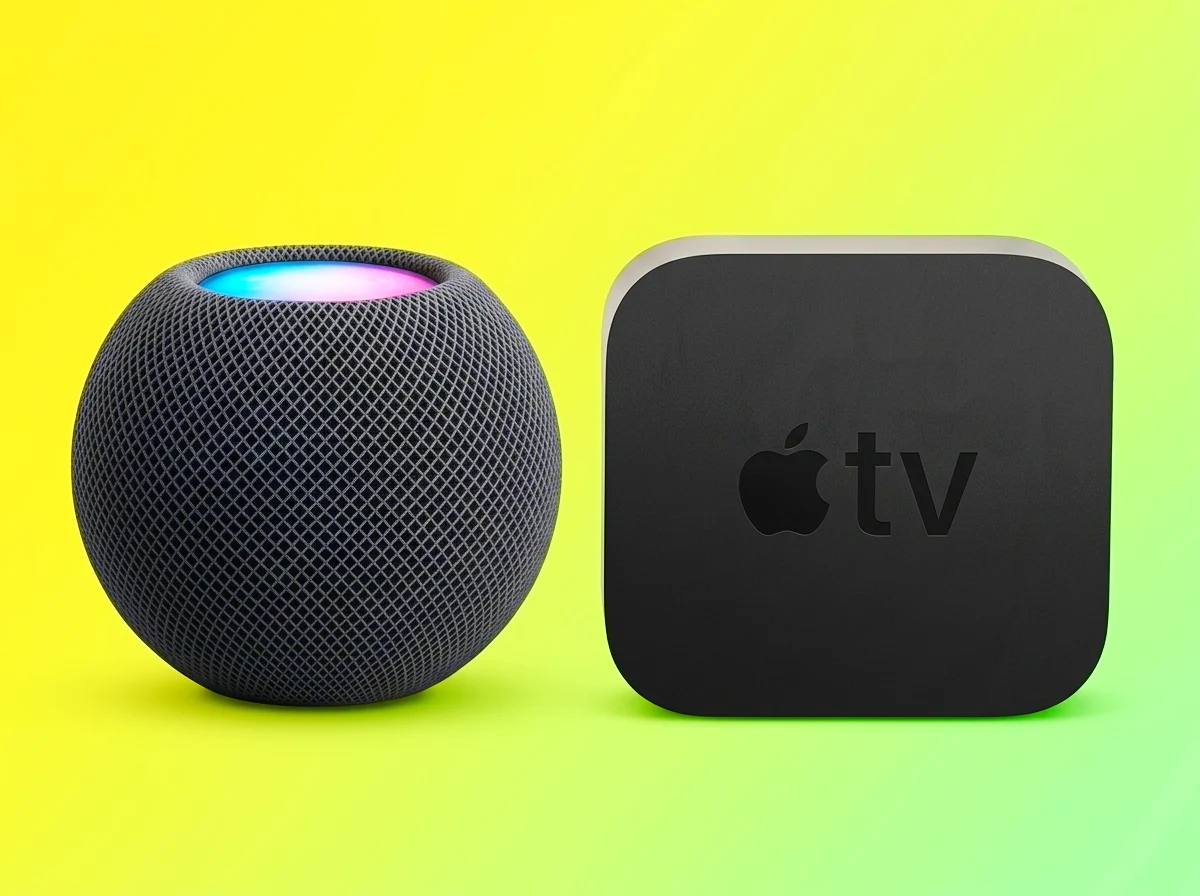
    In a lengthy report dominated by future plans for the first Apple smart glasses, the company’s home entertainment lineup is also due for a long-awaited update, says one of the top tipsters. The leaked info assures Apple users that hardware refreshes for both the Apple TV and HomePod mini have been finished and ready for production for months, but were delayed by the postponed rollout of Apple’s revamped AI-powered Siri. This was apparently a big set back for the home lineup, leaving fans waiting for news.

    AI Compute Power is the Core Motivation

    In line with Apple’s broader AI strategy, the primary motivation for these hardware updates is to provide the necessary compute power to run the next generation of “Apple Intelligence.” Once again, according to the leaked info, the reason these devices have not yet hit the shelves is a strategic decision by Apple to ensure they launch in tandem with its major software overhaul. Both products was designed specifically to leverage the advanced AI capabilities debuting in iOS 27 and its corresponding tvOS and HomePod software updates.

    Delayed Launch to Coincide With Software

    Apple has essentially been holding back these hardware releases to avoid launching “smart” home devices that couldn’t fully utilize the company’s new, highly anticipated AI assistant. With the software now scheduled for a release this fall (though we should get a preview at WWDC 2026), these hardware refreshes are expected to finally make their debut, marking a long-overdue update for Apple’s home ecosystem. Bloomberg reported that the devices have been ready for months but where held up by Siri’s rework.

    Sources
  • Apple iPhone 18 Pro Camera and AI Siri Apps in iOS 27 Leak (Early)

    Apple iPhone 18 Pro Camera and AI Siri Apps in iOS 27 Leak (Early)

    Key Takeaway

    – Siri overhaul to become an always-on AI agent capable of analyzing on-screen content, personal data, and web information.
    – Major enhancements to the iPhone camera experience driven by generative AI.
    – Potential feature exclusivity to newer devices (iPhone 18 Pro/Pro Max and foldable iPhone Ultra with the A20 Pro chip), with some features possibly rolling out to older iPhones later.


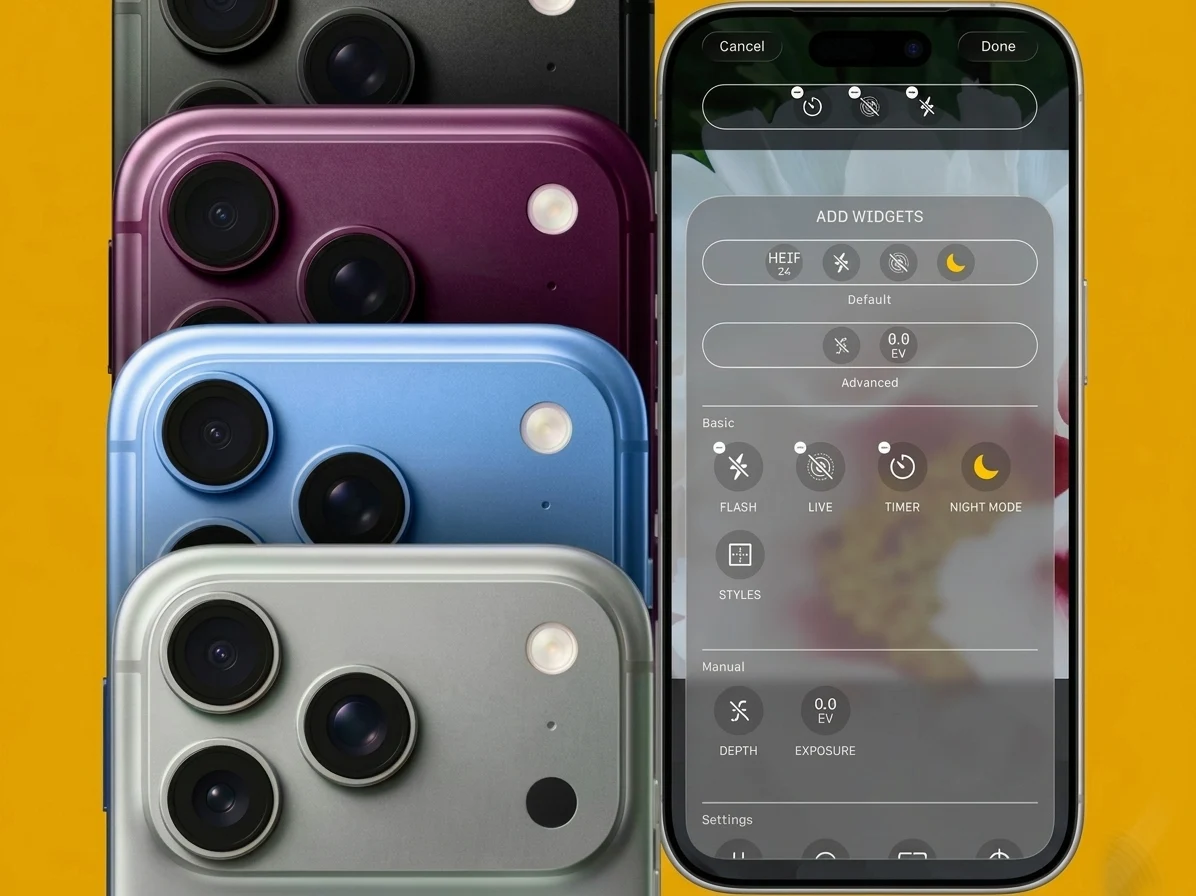
    Ahead of the June 8 Worldwide Developers Conference (WWDC), a very unusual leak (coming from a very reputable source) seems to have revealed Apple’s plans for the upcoming iPhone 18 Pro and iOS 27, suggesting a notable reshaping of Siri and the iPhone camera with a stronger push into generative AI. The piece hints at a total revamp of the voice assistant and major enhancements to native imaging workflows, signaling a broader shift in how users will interact with devices.

    Leaked details and cautions

    According to Bloomberg, the leaked info and iOS 27 renders are based on detailed description by people who’ve seen the software in action, so they are likely to be close to what Apple actually ships with the iPhone 18 Pro when the final version iOS 27 is out. The notes also warn that some features might not appear exactly as shown, since Apple could adjust elements between the beta shown at WWDC and the September final release, a familiar pattern for Apple’s software cycles.

    Potential exclusivity and hardware ties

    It’s worth noting that it’s not 100% clear which new features will make it to all iPhones supporting iOS 27 and which ones will remain exclusive to the new iPhone 18 Pro, iPhone 18 Pro Max and the foldable iPhone Ultra, thanks to the new A20 Pro chip. Apple is known for making certain new software features exclusive to the newest iPhones, so we’ll have to wait and see what lands for older models and what stays behind in the launch lineup.

    Sources
  • iPhone theft protection similar to Android features

    iPhone theft protection similar to Android features

    Key Takeaway

    – Theft detection and automatic locking may extend from Android to iPhone, leveraging sensors like the accelerometer.
    – iPhone theft protection could use Apple Watch proximity (Bluetooth) to distinguish intentional use from theft.
    – Additional locks may activate when theft is detected away from trusted Wi‑Fi or known locations to protect data and passwords.


    Overview of Rising Smartphone Theft

    There is a clear trend that the number of smartphone thefts has risen steadily for years, and phone snatching in particular is on the rise. This paragraph keeps the tone casual while noting the core issue: an unlocked phone being grabbed from a user’s hand, such as from a motorcycle, so the thief has direct access to sensitive data and apps. The risk here is real and immediate, because theft can potentially allow access to codes sent by text messages or email during two-factor authentication, which could open doors to accounts and personal information.

    Current Android Defenses and New Apple Prospects

    Android-Smartphones already offer a feature called Theft Detection Lock, which can automatically lock a smartphone if it is snatched from someone’s hand. According to the latest information from 9to5Mac, Apple is currently working on a similar feature for devices such as the iPhone 17 ($787 on Amazon). To recognize when the iPhone is stolen, Apple uses data from several sensors, especially the accelerometer. The writing here shifts to compare ecosystems and to note the potential parity between platforms, while maintaining a practical focus on how sensors contribute to security decisions.

    Watch Proximity and Lock Triggers

    If the user is wearing an Apple watch, the distance between the iPhone and smartwatch can be estimated by the strength of the Bluetooth signal to provide the software with a further clue and prevent accidental locking. The narrative acknowledges that proximity sensing is used as a subtle cue in addition to other signals, aiming to reduce nuisance locks while still protecting data. When theft is detected away from known Wi-Fi networks or stored locations, such as the user’s home or workplace, additional locks come into effect to make it more difficult to access sensitive data and, in particular, to change passwords. The article emphasizes layered defense rather than a single measure, and details remain speculative about rollout timing.

    Timing and Availability Clues

    It is not yet known when these new anti-theft features will be available, but since 9to5Mac has already found clues in the iOS code, a launch as part of iOS 27 in September is conceivable. The narrative keeps a cautious tone, noting that software clues do not guarantee a release date, yet they hint at near-term possibilities and a potential September window for a major update, with ongoing interest from the user community and developers alike.

    Sources
  • iOS 27: Generate Genmoji from Photos and Typing Habits

    iOS 27: Generate Genmoji from Photos and Typing Habits

    Key Takeaway

    – Apple allegedly developing an intelligent, proactive Genmoji system that auto-suggests custom emojis from your photo library and typing habits in iOS 27/iPadOS 27.
    – Potentially moves Genmoji from a manual feature to a more everyday-use tool by offering context-aware emoji suggestions.
    – Privacy concerns arise over on-device vs. cloud processing and the handling of personal photos and typing history.
    – Unclear whether the new system will run entirely on-device, continuing Apple’s Apple Intelligence emphasis.

    New Bloomberg Leak Hints at Genmoji Upgrades in iOS 27

    rumors from Bloomberg’s Mark Gurman suggest Apple is tinkering with Genmoji in a fresh update, this time pegged to iOS 27 and iPadOS 27. the report describes an “intelligent recommendation” system that could auto generate emoji suggestions from photos in the user’s gallery and the typing patterns they develop over time. the tone here mixes curiosity with caution as we await official confirmation, since these features tread close to personal data use.

    What Genmoji Has Been and Could Become

    Genmoji showed up in iOS 18.2 as part of Apple Intelligence, letting people craft custom emoji from text prompts. later, iOS 26 broadened the slate by letting users blend two emoji styles into a single Genmoji, expanding creative control. if iOS 27 expands this further, it might move beyond a novelty and into a practical daily tool for chats, provided it stays reliable enough to feel non intrusive as conversations flow.

    Proactive Emoji Suggestions on the Horizon

    the upcoming system reportedly tests a keyboard option that would offer auto generated emojis based on what’s in the photo library and the phrases users often type. such a feature could slip into everyday messaging, offering contextually appropriate emoji without manual prompts, provided it learns well and keeps up with diverse chat topics. privacy and on-device processing remain hot topics in this discussion.


    Sources

  • Four iPhone Models Will Not Receive iOS 27, Leaker Reveals

    Four iPhone Models Will Not Receive iOS 27, Leaker Reveals

    Key Takeaway

    1. iOS 27 is expected to be released later this year with new features and improvements.
    2. Support will be dropped for iPhone 11, iPhone 11 Pro, iPhone 11 Pro Max, and iPhone SE (2nd generation).
    3. iOS 27 will only be compatible with iPhone 12 series and newer models, including the iPhone SE (3rd generation).
    4. Dropping support means older devices won’t receive the latest iOS updates but can still function normally.

    Upcoming iOS 27 Features and Changes

    iOS 27 is coming sooner than you think, and it promises to bring some cool new stuff along with improvements to your device. Users can expect smoother performance, refreshed tools, and updates to the apps you use every day. Apple is always working to make the user experience better, so this update is highly anticipated by many fans of the brand. The new system will likely incorporate enhancements that make your iPhone run faster and smarter, with some new features to explore.

    Support Limitations for Older iPhone Models

    But, not everyone will be able to upgrade as seamlessly this time. A leaker from Weibo, known as Instant Digital, suggests that Apple might be dropping support for some older iPhones when iOS 27 launches. The leak indicates that certain models like the iPhone 11 and its Pro variants, along with the second-generation iPhone SE, might be left behind. The list shared hints that only newer models starting from the iPhone 12 will get the update, which could be disappointing for owners of older devices looking forward to the new features.

    Implications for Users and Device Compatibility

    Dropping support for older phones does not mean they will stop working straight away. It just means those phones won’t receive the latest software updates anymore. Your device will still work normally—calls, texts, and apps will function as usual. Still, there’s a catch: eventually, more apps may require newer iOS versions to run properly, potentially limiting functionality on older devices. On the upside, Apple often continues to provide security patches for some time, so your phone will remain protected even if it doesn’t get the newest iOS version.

    Sources
  • iOS 27 and macOS 27: Bug Fixes, Quality Improvements, AI Innovations

    iOS 27 and macOS 27: Bug Fixes, Quality Improvements, AI Innovations

    Key Takeaways

    1. Apple is focusing on enhancing performance and fixing bugs in iOS 27 and macOS 27, rather than introducing many new features.
    2. The updates will involve eliminating outdated code and rewriting segments to improve speed, stability, and efficiency.
    3. The upgrades aim to resolve common issues like overheating, battery drain, choppy animations, and app crashes.
    4. iOS 27 and macOS 27 are expected to prepare for future technologies, including foldable screens and new AI developments.
    5. Bloomberg predicts two new AI features: a competitive web search tool and an AI assistant for Apple Health, available with a paid subscription.


    Over the last few years, Apple has been competing with Google’s Android and Microsoft’s Windows 11 to roll out fresh software features for the iPhone and the Mac before these features hit rival platforms. With everything from the exciting new “Liquid Glass” design to a variety of Apple Intelligence AI capabilities, both iOS 26 and macOS 26 have brought a range of major advancements.

    Future Updates Expected

    Recent reports from Bloomberg indicate that iOS 27 and macOS 27 will likely not have many new features when they arrive next year. Instead, Apple appears to be adopting a strategy similar to macOS 10.6 Snow Leopard, which emphasizes enhancing performance and resolving bugs. The updates are predicted to be quite impactful under the surface, as Apple is said to be eliminating outdated code, tidying up system files, and rewriting large segments of the codebase to improve the speed, stability, and efficiency of the operating systems.

    Fixing Common Issues

    These upgrades are aimed at addressing prevalent issues that can lead to iPhones or Macs overheating, draining battery life, making animations look choppy, or crashing apps. iOS 27 and macOS 27 are also anticipated to set the stage for foldable screens and new AI developments. Bloomberg’s editor Mark Gurman foresees two key new AI features: a web search tool that will rival Perplexity AI, and an AI assistant integrated into Apple Health, which will only be accessible with a paid Health+ subscription.

    Source:
    Link