Tag: Gaming Laptops

  • Alienware 18 vs. MSI Titan 18 HX: Key Feature Comparison

    Alienware 18 vs. MSI Titan 18 HX: Key Feature Comparison

    Key Takeaways

    1. High Performance: The Alienware 18 is one of the fastest gaming laptops available, thanks to its effective cooling system and high-performance hardware.

    2. Limited Display Options: The laptop lacks 4K and HDR display options, offering only a 1600p 300 Hz IPS screen, unlike competitors like MSI.

    3. Price Range: The Alienware 18 is priced between $3500 and $4500, raising expectations for premium features like 4K displays.

    4. Comparison with Competitors: Other 18-inch gaming laptops, such as the MSI Raider A18 and Asus ROG Strix G18, also do not offer 4K options, but MSI provides better display choices.

    5. Gaming Focus: Despite its speed, gamers looking for 4K HDR screens will need to consider alternative models, as the Alienware 18 does not meet this demand.


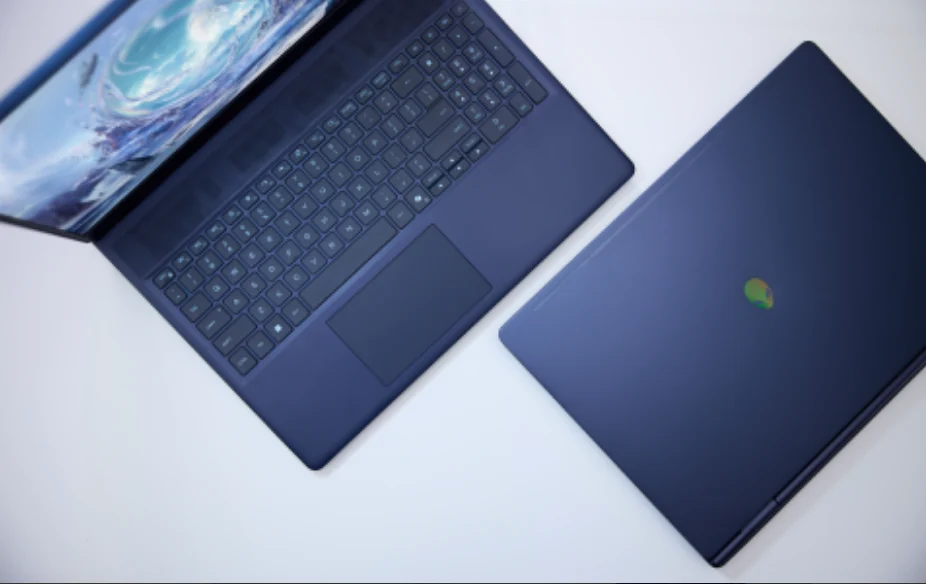
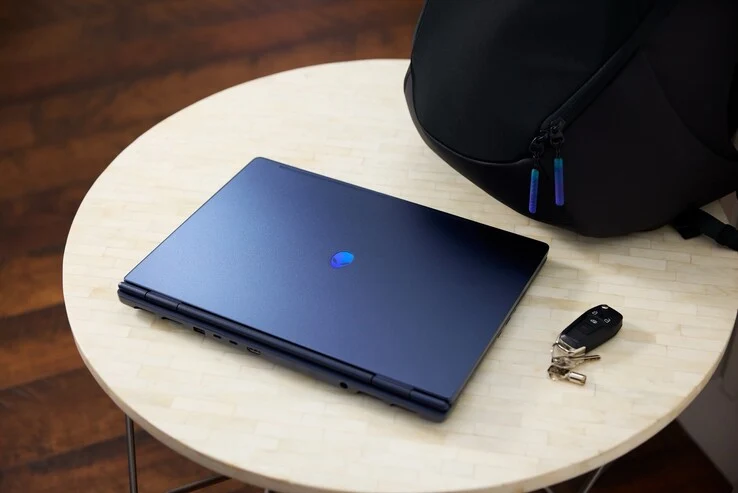
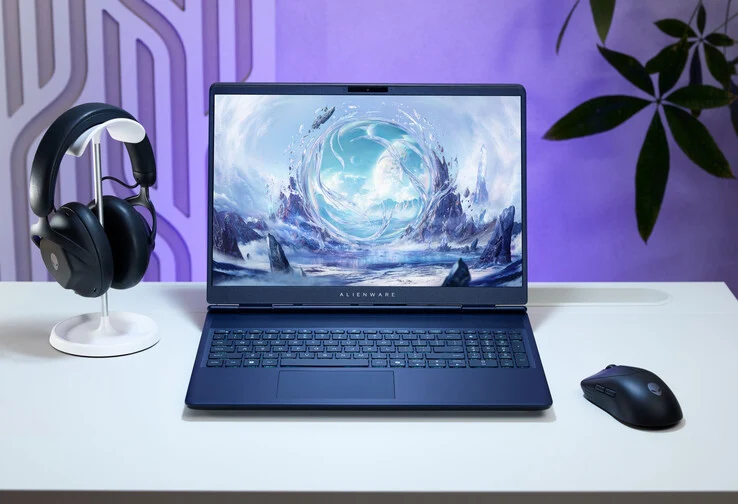
    The Alienware 18 has established itself as one of the quickest gaming laptops you can buy, even when put side by side with others that have similar graphics capabilities. Its large design facilitates a more effective cooling system, which ultimately allows for higher performance limits, maximizing the hardware’s potential.

    Missing Display Options

    Interestingly, there’s a notable feature absent from the Dell laptop. Unlike the rival MSI Raider A18 or MSI Titan 18 HX, the Alienware 18 doesn’t offer the option for 4K or HDR-compatible screens. All current configurations come with the same 1600p 300 Hz IPS display, while MSI users can choose between IPS or a stunning 4K Mini-LED display. This lack of 4K and HDR support in the Alienware is strange, especially since it is a flagship product priced between 3500 and 4500 USD.

    Other Competitors

    It’s important to note that the Alienware isn’t the only 18-inch gaming laptop lacking 4K options. The Asus ROG Strix G18 also comes with a 1600p 240 Hz IPS display. While the Alienware 18 might be a tad faster than the Titan 18 HX for gaming, those who desire 4K HDR on their internal screen will have to opt for the MSI system at this time.

  • Alienware 18 Area-51 Beats Most Gaming Laptops: Benchmark Results

    Alienware 18 Area-51 Beats Most Gaming Laptops: Benchmark Results

    Key Takeaways

    1. Two gaming laptops with the same GPU may perform differently due to factors like thickness, CPU, and RAM.
    2. Larger gaming laptops, like the Alienware 18 Area-51, often deliver better performance than smaller models.
    3. The Alienware 18 consistently outperforms competitors with the same RTX 5090 GPU by 5 to 15 percent in various games.
    4. While some models, like the SCHENKER Neo 16 A25 and MSI Titan 18 HX, can compete with the Alienware 18, such instances are rare and show minimal differences.
    5. The performance benefits of the Alienware 18 come with the trade-off of being one of the biggest and heaviest 18-inch laptops available.


    More often than not, two gaming laptops with the same GPU might not function exactly the same due to variances in thickness, CPU, RAM, and other factors. Generally, a bigger model tends to outperform a smaller one in this aspect.

    Performance Comparison

    The Alienware 18 Area-51 perfectly illustrates why opting for thinner and lighter designs isn’t always the best choice. The Dell laptop surpasses most other gaming laptops equipped with the same RTX 5090 GPU in nearly all tested games, as demonstrated by the comparison charts below. The difference is quite small, ranging from 5 to 15 percent depending on the game, but those who are serious about performance will surely value the additional frames whenever they can get them.

    Competing Models

    There are a few laptops that can beat the Alienware 18, such as the SCHENKER Neo 16 A25 or MSI Titan 18 HX, but these instances are rare and the differences would also be minimal. In most situations, the Alienware still leads the pack.

    Size and Weight Considerations

    However, the performance advantages do come at a cost, as the Alienware 18 Area-51 is also one of the biggest and heaviest 18-inch laptops available. For more information on its performance and features, be sure to check out our full review of the system here.

  • Reliable Gaming Laptop: User Concerns About Thermals & Longevity

    Reliable Gaming Laptop: User Concerns About Thermals & Longevity

    Key Takeaways

    1. User frustrations about gaming laptops often focus on performance issues, overheating, and warranty limitations across brands.
    2. Personal experiences shared indicate that maintenance and thermal design significantly impact laptop reliability and performance.
    3. Many users suggest that issues like clogged fans or blocked vents can contribute to diminished performance over time.
    4. Long-term reliability may depend more on user maintenance than on manufacturer specifications and support.
    5. There is a growing desire for better thermal designs, durable components, and internationally valid warranties among users seeking reliable gaming laptops.


    A recent discussion on r/GamingLaptops gained significant interest when a Reddit user named Sea_Buffalo_8558 posed the question: “What’s the most reliable gaming laptop?” This seemingly simple query sparked a variety of responses that highlighted user frustrations, mainly revolving around performance challenges, heat management issues, and perceived limitations of warranties across different brands.

    User Experiences with Laptops

    In the Reddit thread, the user mentioned upgrading from an HP Envy to a Lenovo Legion 7 (Ryzen 7 5800H, RTX 3070, 32 GB RAM), stating that the laptop began to overheat and slow down after just 18 months of use. They noted that despite performing a full thermal re-paste and cleaning the internals, the device remained slow, particularly under machine learning tasks. “I literally gave up on doing heavy stuff on my laptop,” they expressed.

    Shared Frustrations

    The post received more than twenty replies from users who shared similar experiences with other brands like MSI, Asus, and Alienware. While some people pointed to maintenance issues as the cause of the performance drops, suggesting things like using cooling pads or changing performance settings, others guessed that there might be deeper design flaws at play.

    One user commented, “It’s not the brand, it’s the build quality and thermal design that matters most,” sharing their perspective. Additionally, several respondents noted that warranty services can differ greatly by region, with claims that international purchasers often find themselves without sufficient support.

    Discussions on Reliability and Maintenance

    Among the responses, Reddit user Alternative_Yam_2642 mentioned they had faced vapor chamber failure. Another user, wiseleo, replied to the original post, hinting that clogged fans or blocked vents might be part of the reason for the laptop’s diminished performance.

    While some users reported satisfaction with newer models like the ROG Strix Scar or the Alienware m-series, others speculated that long-term reliability might hinge more on how well users maintain their devices rather than on the assurances provided by the manufacturers.

    Based on the conversation, it seems some commenters are adjusting their expectations regarding gaming laptops. Many users expressed concerns about the shortcomings of just focusing on raw specifications. Among those who use their laptops for both gaming and AI or machine learning, reliability emerged as a key consideration. Likewise, a few posts pointed out the desire for better thermal designs, more durable components, and warranties that are valid across different regions.

    Source:
    Link

  • Alienware Aurora 16 & 16X: Mid-Level Gaming Laptops with RTX 5070

    Alienware Aurora 16 & 16X: Mid-Level Gaming Laptops with RTX 5070

    Key Takeaways

    1. Dell has launched two new gaming laptops, the Aurora 16 and Aurora 16X, featuring advanced hardware for gamers and general users.
    2. Both models are designed for portability, with sleek designs, RGB lighting, and stealth mode for a quieter experience.
    3. The Aurora 16 has a 2560 x 1600 resolution and 120Hz refresh rate, while the Aurora 16X offers 500 nits brightness and a 240Hz refresh rate.
    4. Connectivity options include multiple USB ports, HDMI 2.1, and Wi-Fi 7, with various GPU and CPU configurations available.
    5. The Aurora 16 starts at $1,149.99 and the Aurora 16X at $1,949.99, with battery capacities of 60Wh and 96Wh, respectively.


    Dell has recently introduced two new gaming laptops from its well-known Alienware line. These models, the Aurora 16 and Aurora 16X, are designed for gamers and general users alike. Both laptops come packed with cutting-edge hardware, including the latest Intel processors and Nvidia’s RTX 5000 series graphics cards. Let’s dive into the details.

    Specs and Design of Aurora 16 and Aurora 16X

    The reputable PC manufacturer has revealed the Aurora 16 and Aurora 16X, showcasing a sleek design that emphasizes gaming and everyday use. These laptops come in a striking blue color, with weights of 5.5 and 5.86 pounds (2.4 to 2.6 kg) respectively. While they maintain a gaming aesthetic with RGB lighting, users who prefer a more subtle experience can activate a stealth mode that changes the RGB to light white and reduces fan noise.

    The Aurora series also includes Alienware’s premium desktop PCs, but the Aurora 16 and Aurora 16X are designed to be more portable. Both laptops sport a 16-inch IPS LCD display, with the standard Aurora 16 featuring a resolution of 2560 x 1600, a 120Hz refresh rate, and 300 nits of peak brightness. In contrast, the higher-tier Aurora 16X boasts an impressive 500 nits of brightness and a faster 240Hz refresh rate.

    Connectivity and Performance Features

    For connectivity, both models come equipped with two USB-A ports, two Gen 3.2 USB-C ports (featuring Thunderbolt 4 and DisplayPort 2.1), HDMI 2.1, an Ethernet port, a 3.5mm headphone jack, and Wi-Fi 7 capabilities. The top-tier versions of the Aurora 16 and Aurora 16X can be outfitted with Nvidia GeForce RTX 5070 GPUs, while the base model of the Aurora 16 features either an RTX 3050 or RTX 4050, depending on the region.

    Moreover, the Aurora 16 is powered by the Intel Raptor Lake Refresh CPUs, starting with the Intel Core 5. In contrast, the Aurora 16X utilizes the newer Intel Arrow Lake processors, with the highest model being the Core Ultra 9 275HX. Users can configure the Aurora 16 with up to 32GB of RAM and 2TB of storage, whereas the 16X supports up to 64GB of RAM and 4TB of storage.

    Battery Life and Pricing

    Alienware has equipped the Aurora 16 with a somewhat modest 60Wh battery, while the 16X features a much larger 96Wh cell. Regarding pricing, the Alienware Aurora 16 starts at $1,149.99, while the Aurora 16X begins at $1,949.99. This announcement comes shortly after the company launched the AW3425DW QD-OLED curved gaming monitor in the US.

  • Alienware Aurora 16: New 16-inch Gaming Laptop Starts at €1,099

    Alienware Aurora 16: New 16-inch Gaming Laptop Starts at €1,099

    Key Takeaways

    1. The Aurora 16 is a mid-range gaming laptop from Dell’s Alienware line, priced 35% lower than the Aurora 16X due to fewer features.
    2. It comes with base specs including an Intel Core 5 210H processor, Nvidia GeForce RTX 3050 graphics, 8 GB of RAM, and 512 GB of storage, starting at €1,099 (approximately $1,245).
    3. Upgrade options are available for a Core 9 270H processor and GeForce RTX 5070 graphics card, but the RTX 5070 is limited to 85 W TGP in the Aurora 16.
    4. The laptop features a 300 nit, 120 Hz display and has an option for a larger 96 Wh battery.
    5. Release date for the Aurora 16 in the Eurozone is set for May 27, with complete pricing and availability details yet to be confirmed.


    The Aurora 16 has been unveiled today as one of two new mid-range gaming laptops by Dell under its Alienware line. While the Aurora 16 and Aurora 16X share a similar appearance, the Aurora 16 has fewer features, allowing it to be sold at a price that is 35% lower. For example, this model uses a plastic casing and lacks RGB backlit keys, which are present in the Aurora 16X.

    Specifications and Performance

    Many gamers may find the base specs of the Aurora 16 lacking. Dell states that this model is equipped with an Intel Core 5 210H processor, an Nvidia GeForce RTX 3050 graphics card, 8 GB of RAM, and 512 GB of storage. Additionally, it features a 300 nit, 120 Hz display and a 60 Wh battery, all for a starting price of €1,099 (approximately $1,245). As a point of comparison, other laptops with the GeForce RTX 3050, such as the HP Victus 15 or Asus TUF A15 (currently priced at $658 on Amazon), can be found for under $700.

    Upgrade Options

    However, the Aurora 16 does offer the option to upgrade to a Core 9 270H and a GeForce RTX 5070. This upgrade could make it more competitive with the Aurora 16X. That said, Dell limits the GeForce RTX 5070 to an 85 W TGP in the Aurora 16, whereas the Aurora 16X allows for 115 W with an additional 15 W Dynamic Boost.

    The Aurora 16 also has the option to come with a larger 96 Wh battery. All versions include dual USB Type-A and USB Type-C ports, as well as HDMI 2.1 and Ethernet ports. The release date for the Aurora 16 in the Eurozone is set for May 27, although Dell has yet to confirm complete pricing and availability details.

    Source:
    Link


  • AMD Ryzen AI Max+ 395 Delivers Core i9-14900HX Power in Laptops

    AMD Ryzen AI Max+ 395 Delivers Core i9-14900HX Power in Laptops

    Key Takeaways

    1. The Core i9-14900HX is a powerful mobile processor but feels outdated compared to AMD’s newer Zen 5 processors, like the Ryzen AI Max+ 395.
    2. Performance between the Ryzen AI Max+ 395 and Core i9-14900HX is close in multi-thread tasks, despite differences in device sizes.
    3. The Ryzen AI Max+ 395 includes additional features like a built-in NPU and Radeon GPU, enhancing its overall value.
    4. The Ryzen AI Max+ 395 has high power consumption, requiring over 100 W for intensive tasks, which is almost double that of standard U-series laptops.
    5. While the Ryzen AI Max+ 395 lags in single-thread performance by up to 15% compared to the Core i9-14900HX, it still competes well in CPU-intensive tasks for thinner devices.


    The Core i9-14900HX is among the most powerful mobile processors from Intel, typically seen in large gaming laptops such as the 18-inch Asus ROG Strix Scar and the 18-inch MSI Titan. However, it’s starting to feel a bit outdated due to AMD’s newer Zen 5 processors. The Ryzen AI Max+ 395 is a prime example of this, as it provides significant improvements across various aspects.

    Performance Comparison

    Our charts below illustrate how the Ryzen AI Max+ 395, found in smaller devices like the 13-inch Asus ROG Flow Z13 and the 14-inch HP ZBook Ultra G1a 14, compares to the much larger laptops equipped with the Core i9-14900HX. Despite the stark difference in screen sizes, the raw multi-thread performance between the AMD and Intel chips is remarkably close, differing only by a few percentage points on average. As of now, there are no 14-inch laptops available that feature the Core i9-14900HX processor.

    Additional Features

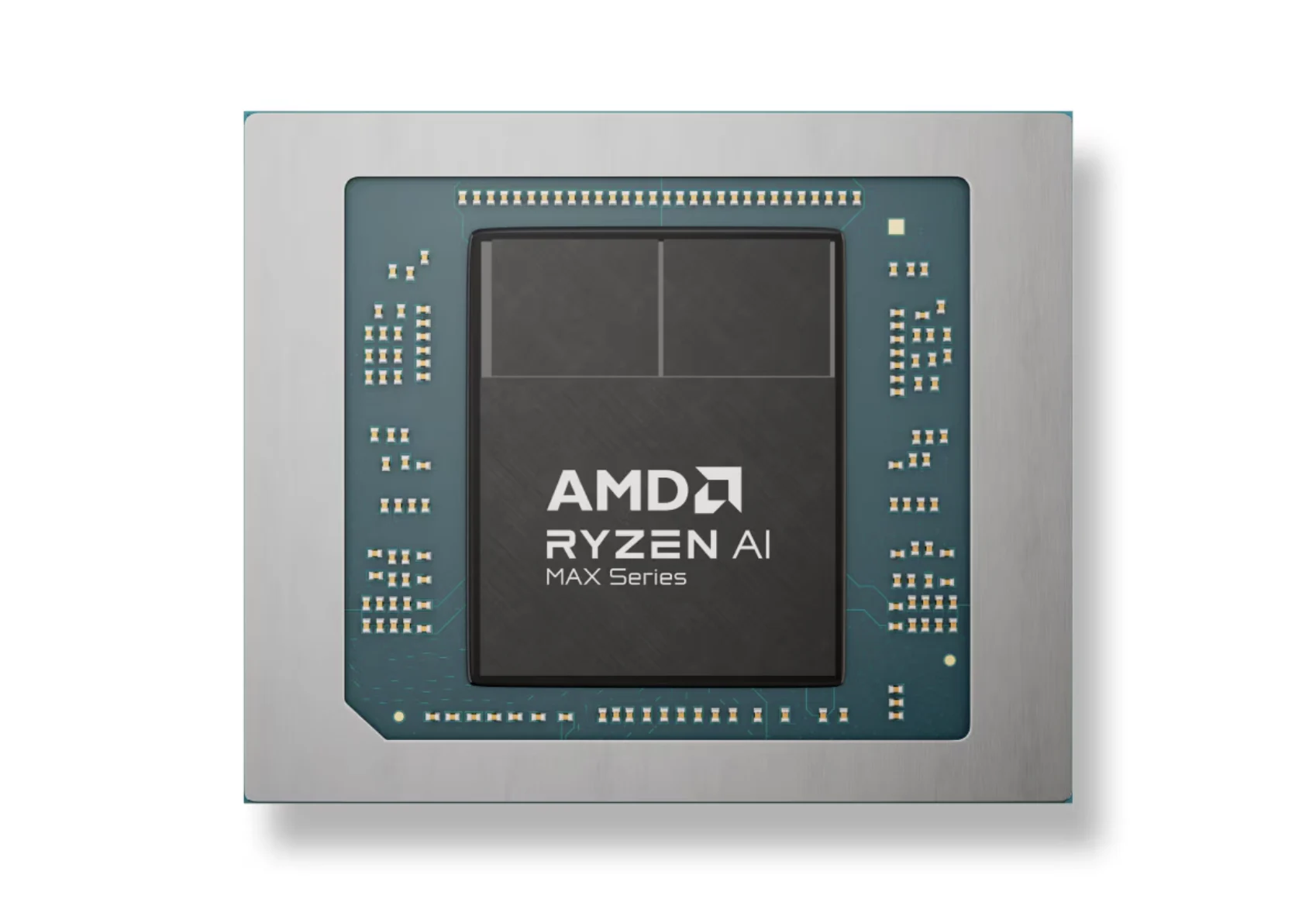
    The AMD CPU comes with extra features that the Intel chip lacks, enhancing its value. It includes a built-in 50 TOPS NPU and a Radeon RX 8060S, making it ready for CoPilot and gaming, respectively. In contrast, laptops powered by the Core i9-14900HX are typically paired with a discrete Nvidia GPU to compensate for its less capable integrated GPU and absence of an integrated NPU.

    Power Consumption and Performance

    While the Ryzen AI Max+ 395 offers impressive performance, it can be quite power-intensive. It requires just over 100 W when running Prime95 on our ZBook Ultra G1a 14, which is nearly double the energy consumption of most U-series 14-inch laptops. Its single-thread performance lags behind, falling short by up to 15 percent in comparison to the Core i9-14900HX. Nonetheless, its capacity to compete with larger 18-inch gaming laptops from 2024 in CPU-intensive tasks is impressive for those seeking thin-and-light alternatives.

  • Pre-Order ASUS ROG Strix SCAR 16 & 18: Intel Core Ultra 9, RTX 50

    Pre-Order ASUS ROG Strix SCAR 16 & 18: Intel Core Ultra 9, RTX 50

    Key Takeaways

    1. Powerful Specifications: The ASUS ROG Strix SCAR 16 and 18 feature NVIDIA RTX 50 Series GPUs and Intel Core Ultra 9 processors, making them ideal for gamers and heavy users.

    2. Display Options: The SCAR 16 has a 16-inch 2.5K ROG Nebula HDR mini-LED display with a 240Hz refresh rate, while the SCAR 18 sports an 18-inch Pantone-validated mini-LED screen, both offering high brightness levels.

    3. Advanced Cooling Solutions: Both models utilize Tri-Fan Technology, vapor chamber cooling, and liquid metal thermal paste to maintain optimal temperatures and reduce noise during heavy use.

    4. Pricing and Availability: Prices start from $2,699.99 for the SCAR 18 and $3,299.99 for the SCAR 16, with pre-orders available on ASUS’s website and select retailers.

    5. Design and Customization: Both laptops feature RGB lighting with Aura Sync and AniMe Vision LED effects, with the SCAR 18 designed for better airflow and the SCAR 16 prioritizing portability.


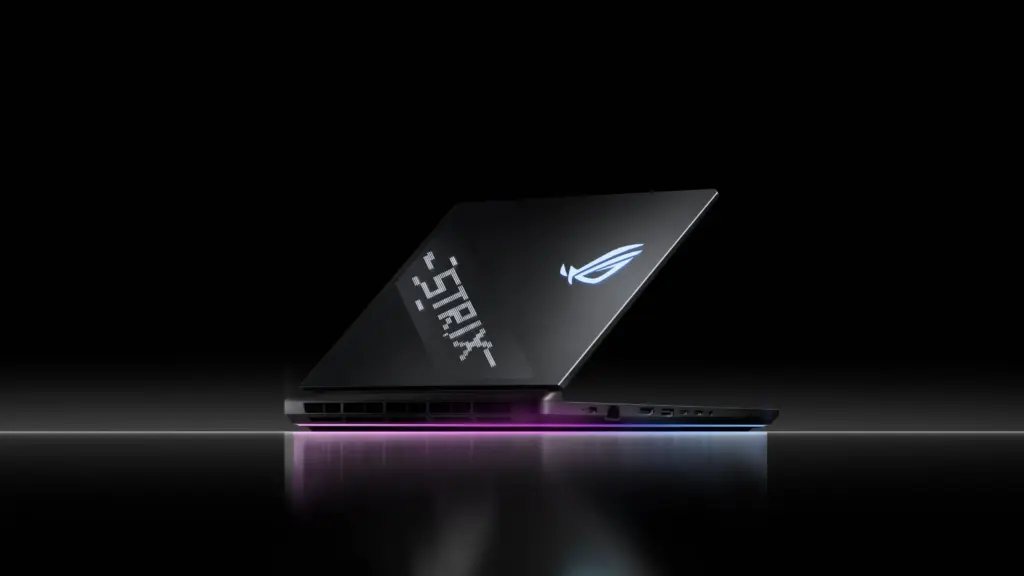
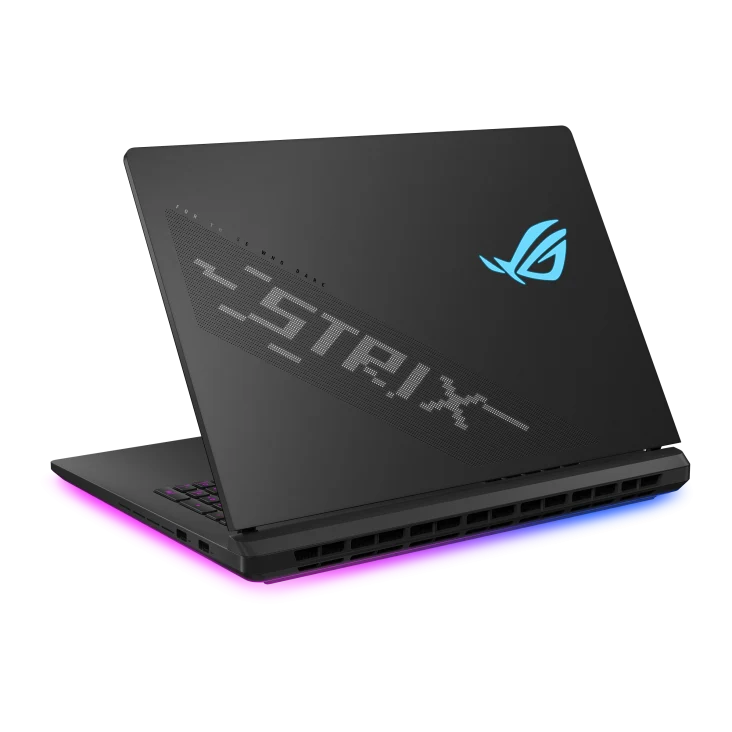
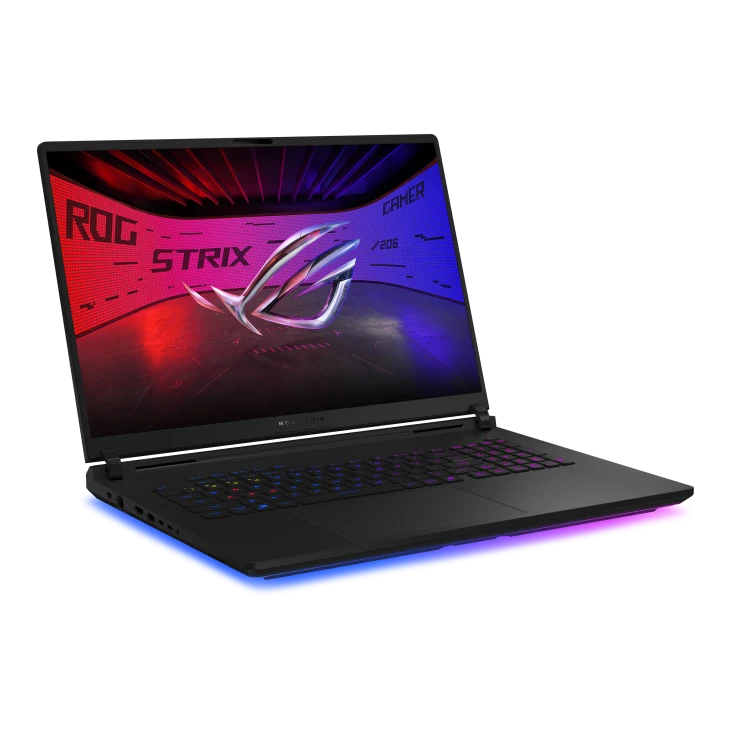
    ASUS has started taking pre-orders for their 2025 ROG Strix SCAR 16 and 18 gaming laptops, which come equipped with NVIDIA’s RTX 50 Series GPUs and Intel Core Ultra 9 processors, along with sophisticated cooling solutions. This new range is aimed at gamers and heavy users who require exceptional performance for AAA games, multitasking, and content creation.

    Graphics and Performance Options

    Customers can choose from RTX 5070 Ti, 5080, or 5090 graphics cards. These laptops feature an Intel Core Ultra 9 275HX CPU and can accommodate up to 32GB of DDR5-5600 RAM, paired with a 2TB PCIe Gen4 SSD that can be upgraded without tools. The display options differ by model: the SCAR 16 comes with a 16-inch 2.5K ROG Nebula HDR mini-LED display boasting a 240Hz refresh rate and brightness levels reaching up to 1,200 nits, whereas the SCAR 18 sports an 18-inch Pantone-validated mini-LED screen at the same brightness.

    Cooling and Connectivity

    Both models are designed with Tri-Fan Technology, vapor chamber cooling, and liquid metal thermal paste (Conductonaut Extreme) to control temperature effectively while keeping noise around 45dB under load. For connectivity, they feature Wi-Fi 7, Bluetooth 5.4, and two Thunderbolt 5 ports.

    Pricing and Availability

    Pricing starts at 2,699.99 dollars for the SCAR 18 with an RTX 5070 Ti and 1TB SSD, increasing to 3,399.99 dollars for an RTX 5080 build with 2TB storage and 4,499.99 dollars for the RTX 5090 version. The SCAR 16 begins at 3,299.99 dollars with an RTX 5080 and a 2TB SSD, going up to 4,299.99 dollars with the RTX 5090. Pre-orders are live on ASUS’s website, and the premium SCAR 18 with RTX 5090 is also available at Best Buy. Each model includes a 90Wh battery and supports NVIDIA’s DLSS 4 and Frame Generation for enhanced ray tracing capabilities.

    Design Features

    Both the SCAR 16 and 18 are equipped with RGB lighting via Aura Sync and an AniMe Vision LED array on the lid for custom effects. The SCAR 18’s larger body allows for better airflow, while the SCAR 16 is more portable without compromising on power.


  • Lenovo’s Nvidia RTX 5050 Gaming Laptops Not Budget-Friendly

    Lenovo’s Nvidia RTX 5050 Gaming Laptops Not Budget-Friendly

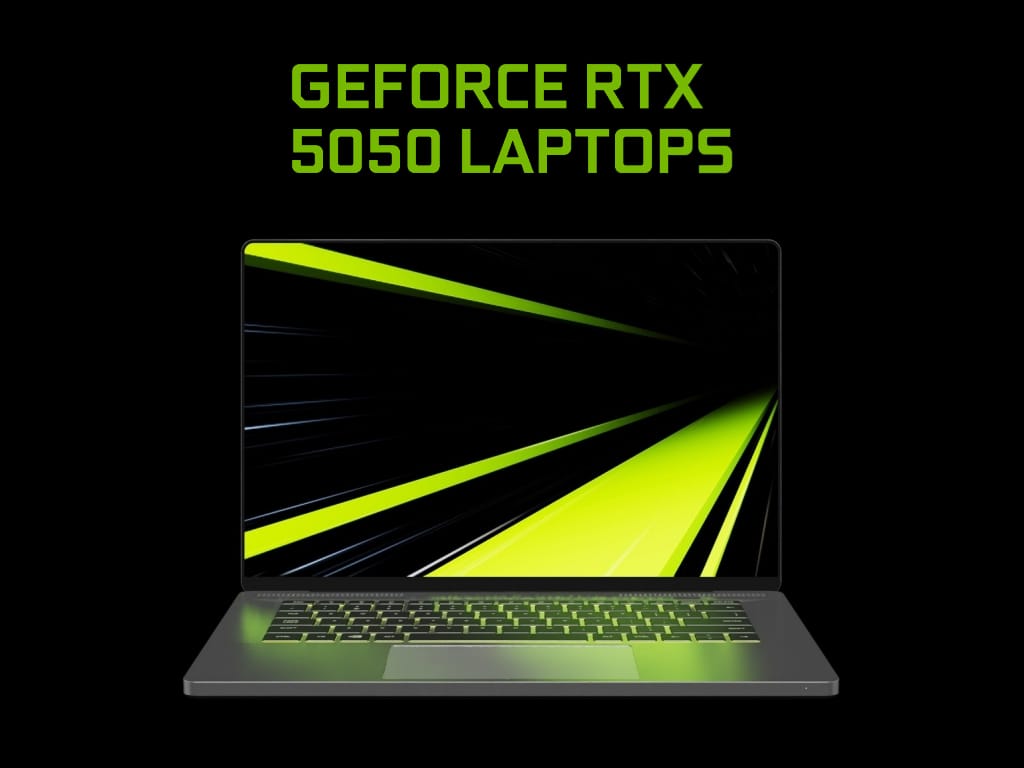
    Nvidia is preparing to launch the RTX 50-series GPUs, with the potential reveal planned for CES 2025. A recent report indicates that the company has ceased production on nearly all of the RTX 40-series GPUs. Additionally, a Product Manager from Lenovo has mentioned that the RTX 4050 Laptop GPU will continue to be available alongside its upcoming successor.

    Updates on the RTX 5050 Laptop GPU

    The Lenovo Product Manager clarified that the RTX 5050 Laptop GPU will not be taking the place of the RTX 4050. According to the company official, this new mobile GPU is aimed at gaming laptops that fall into a higher price category.

    For those who are curious, gaming laptops equipped with the RTX 4050 can be found for under $1,000, with some models priced around $900 (like the MSI Thin 15, currently at $599.99 at Best Buy). While the Lenovo Product Manager hasn’t disclosed the starting price for the RTX 5050 laptops, it’s reasonable to expect that they will be similarly priced to the current RTX 4060 models.

    Specs of the New Nvidia GPU

    Regarding the new entry-level Nvidia Blackwell GPU, previous leaks have suggested that the RTX 5050 Laptop GPU might feature more cores than the previous model and could include 8 GB of GDDR7 memory. For comparison, the RTX 4050 Laptop comes with 6 GB of GDDR6 memory and is equipped with 2560 CUDA cores.

    It’s also worth mentioning that Nvidia is likely to maintain the stock of the RTX 4060 Laptop, as it shares the same AD107 GPU architecture with the RTX 4050 Laptop. However, it remains uncertain how long the laptops with the RTX 4060 will be available, especially if the RTX 5050 Laptop is indeed aimed at a higher pricing tier; the new entry-level Blackwell model may take its place.

    Weibo (translated from Chinese) via: Wccftech

    Source: Link,Link


    Image 1
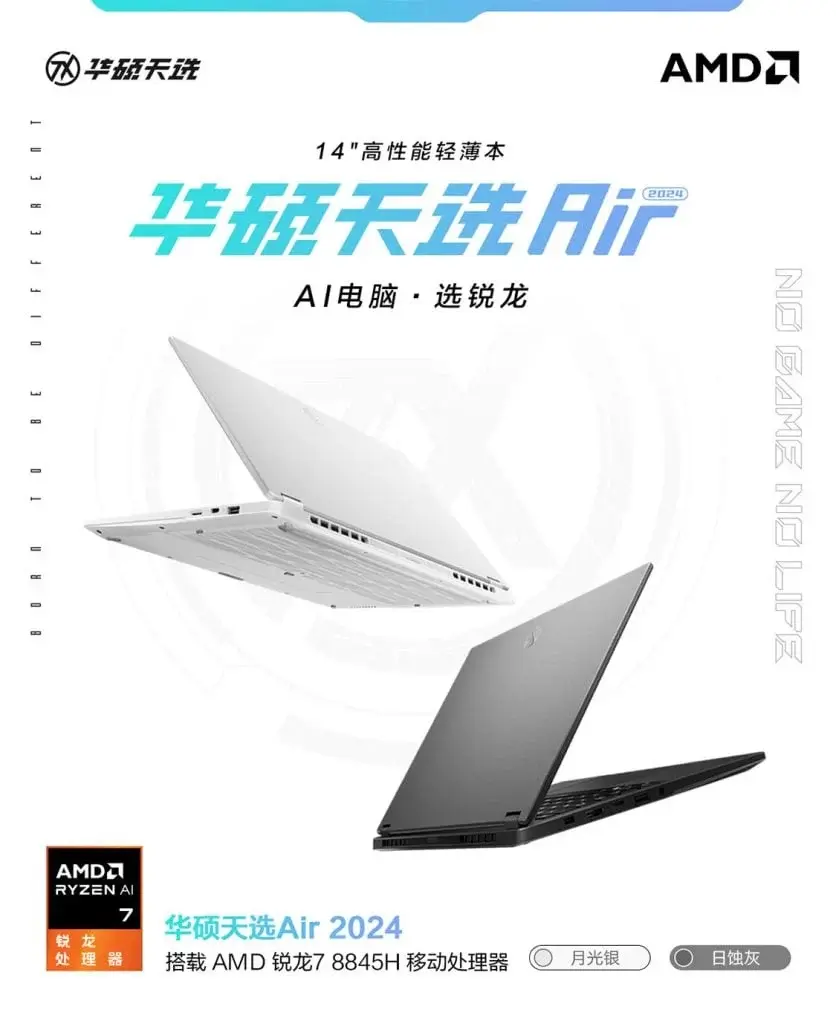
  • Asus Tianxuan Air 2024: Ryzen 9 HX 370 & RTX 4060 Gaming Laptop

    Asus Tianxuan Air 2024: Ryzen 9 HX 370 & RTX 4060 Gaming Laptop

    Asus has introduced the Tianxuan Air 2024, a 14-inch gaming laptop, to the Chinese market with a starting price of 7299 yuan ($1,006). This high-performance gaming laptop boasts a broad range of features and specifications aimed at both gaming enthusiasts and productivity users.

    Asus Tianxuan Air 2024 Specifications:

    The laptop is equipped with a 14-inch 2.5k display that offers a 165Hz refresh rate and a 3ms response time. NVIDIA G-SYNC support ensures a seamless and immersive gaming experience. The display, with a brightness of 400 nits, covers 100% of the sRGB color spectrum for vibrant and precise colors.

    Design-wise, the laptop is both practical and stylish. It includes a new square power connector and supports a 180° hinge design. Made with metal materials on both the A and D sides and featuring CNC-machined edges, the laptop weighs around 1.46kg and is 16.9mm thick.

    The device includes up to 32GB of LPDDR5X dual-channel memory, running at 7500MHz, and a 1TB PCIe Gen4 SSD for storage. Additionally, there are dual M.2 2280 slots for further storage expansion. The cooling system incorporates 89-blade liquid-bearing fans and an advanced rear exhaust design to ensure optimal performance under heavy workload conditions.

    Advanced Hardware and Performance:

    The Tianxuan Air 2024 is powered by the latest AMD Ryzen AI 9 HX 370 processor, featuring a 12-core Zen 5 architecture. Graphics options include either the RTX 4060 or RTX 4050, both with AI Tensor Cores and support for advanced features like DLSS 3.5 and ray tracing. The laptop also supports Ryzen AI and includes NPU performance enhancements, boosting both computing power and efficiency.

    The laptop is powered by a 73Wh large-capacity battery with 100W PD fast charging capability. It also includes dual speakers with Dolby Atmos support, dual microphones, and a dual-camera module featuring an FHD main camera and IR face recognition for unlocking.

    For connectivity, the laptop offers a full-function USB4 port, full-power HDMI 2.1 ports, and a 3.5mm audio jack. It runs on Windows 11.

    Configurations and Pricing:

    The Asus Tianxuan Air 2024 is available in multiple configurations:

    • Ryzen AI 9 HX 370 / RTX 4060 / 32GB / 1TB: 9499 Yuan ($1,310)
    • Ryzen AI 9 HX 370 / RTX 4060 / 16GB / 1TB: 8999 Yuan ($1,241)
    • Ryzen 7 8845H / RTX 4060 / 16GB / 1TB: 7999 Yuan ($1,103)
    • Ryzen 7 8845H / RTX 4050 / 16GB / 512GB: 7299 Yuan ($1,006)

    The gaming laptop is now available for purchase on JD.com.

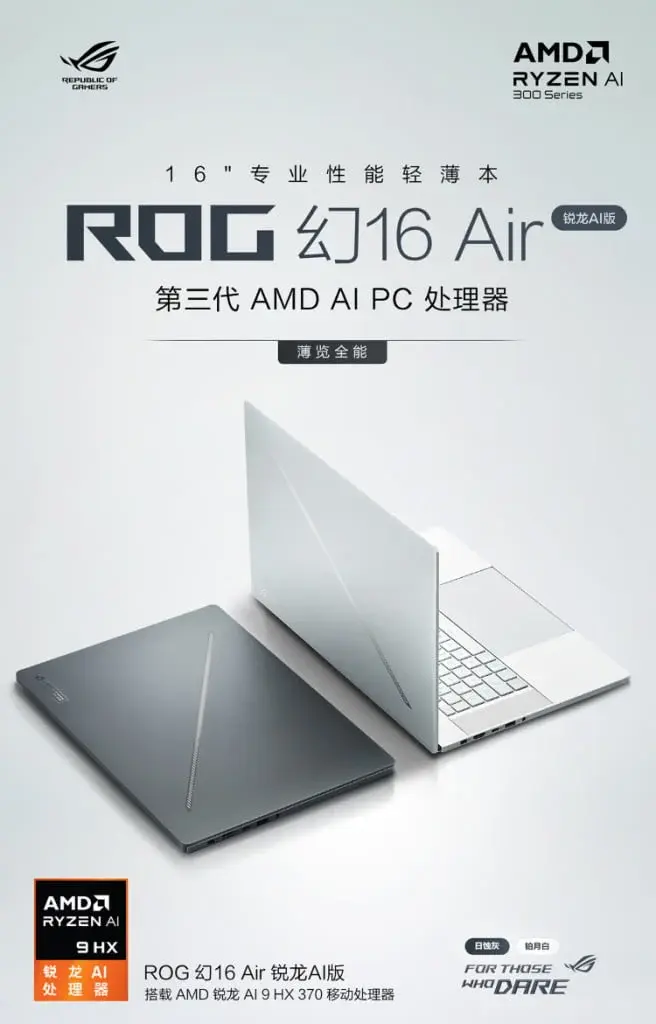
  • ASUS Launches ROG Zephyrus 16 Air Ryzen AI Edition with Top Specs

    ASUS Launches ROG Zephyrus 16 Air Ryzen AI Edition with Top Specs

    ASUS has unveiled the pricing and release details for their ROG Zephyrus 16 Air Ryzen AI Edition gaming laptop. Set to launch on July 28th, the laptop features a robust processor and advanced graphics options for high-performance gaming.

    Graphics and Processor

    The heart of this laptop is the AMD Ryzen AI 9 HX 370 mobile processor, boasting 12 Zen 5 cores, integrated RDNA 3 graphics, and an XDNA 2 NPU specifically for AI tasks. It includes 32GB of LPDDR5X-7500 memory and dual M.2 2280 SSD slots, one of which supports PCIe 4.0 speeds.

    For graphics, users have the choice between NVIDIA RTX 4060 or 4070 options, both equipped with 105W TGP and capable of utilizing the NPU for enhanced AI processing power.

    Cooling and Design

    To handle the heat during intense gaming, ASUS has fitted the Zephyrus 16 Air Ryzen AI Edition with their ROG Glacier Cooling 3.0 system. Despite its high performance, the laptop remains portable with a 14.9mm thin aviation aluminum chassis, weighing in at just 1.85kg. The A-side of the laptop features a customizable light strip with preset effects and a configurable LED matrix.

    Display and Additional Features

    The laptop sports a 16-inch 2.5K OLED panel, offering a 240Hz refresh rate, 500 nits brightness, and a 0.2ms response time. It also supports color gamut switching to cater to different viewing preferences.

    Additional features include a 240Hz glass touchpad, an RGB backlit keyboard with 1.7mm key travel, a 1080p camera with Windows Hello support, and a 6-speaker sound system.

    Battery and Connectivity

    Equipped with a 90Wh battery, the laptop also includes a variety of ports such as USB4 and HDMI 2.1, Wi-Fi 7 for fast wireless connectivity, and support for 100W PD fast charging.


    ASUS Launches ROG Zephyrus 16 Air Ryzen AI Edition with Top Specs