Tag: Galaxy S25 Ultra

  • Upcoming Android Flagship Smartphones with Dual 200MP Cameras

    Upcoming Android Flagship Smartphones with Dual 200MP Cameras

    Key Takeaways

    1. The Galaxy S25 Ultra features a 200MP main rear camera, surpassing competitors’ 50MP cameras.
    2. Up to five companies plan to include 200MP sensors in their future flagship smartphones.
    3. Current flagship models are using high-resolution cameras with periscope zoom lenses.
    4. The Snapdragon 8 Elite processor allows only one 200MP camera to operate at a time, a limitation also present in the MediaTek Dimensity 9500 chipset.
    5. Vivo faces a decision on whether to use a 200MP main camera or a telephoto lens in their upcoming models, with potential flexibility in the “X400 Ultra.”


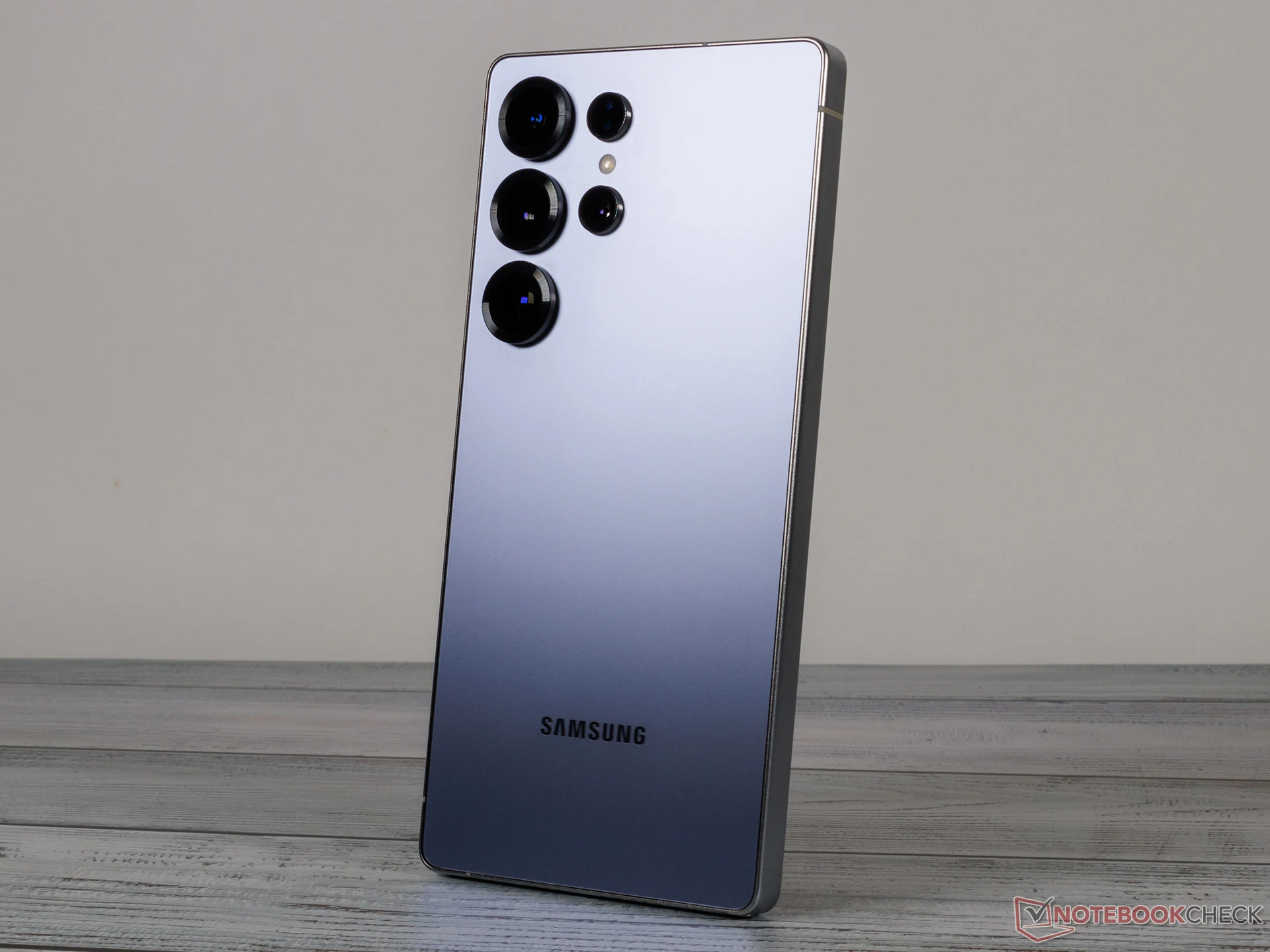
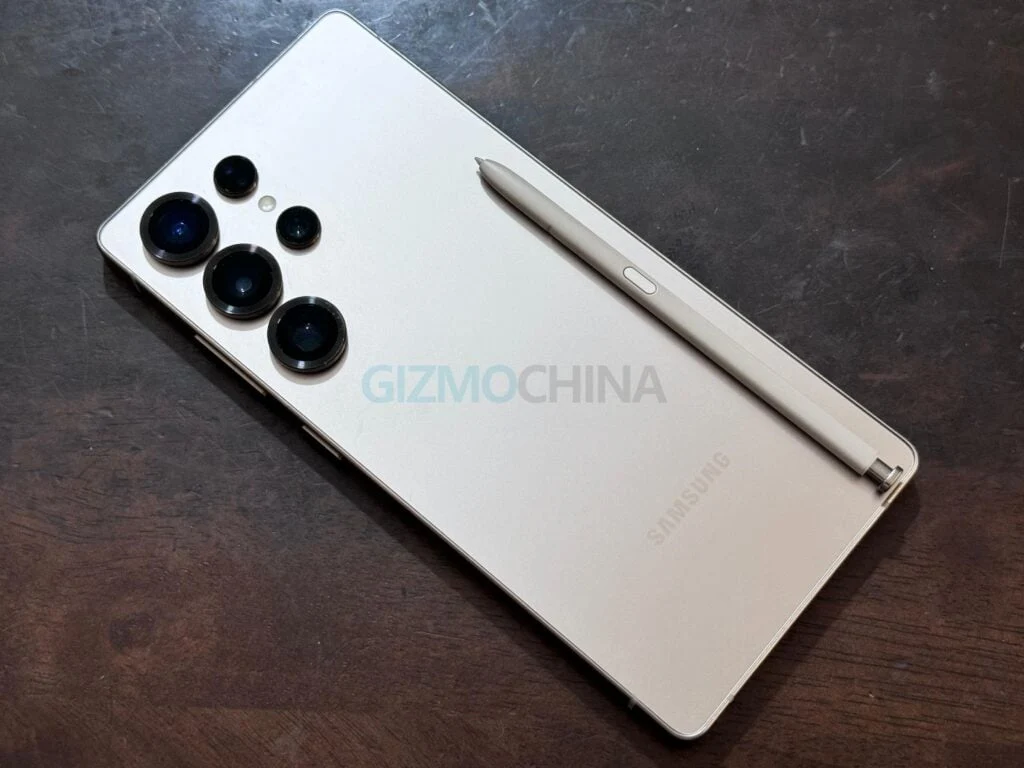
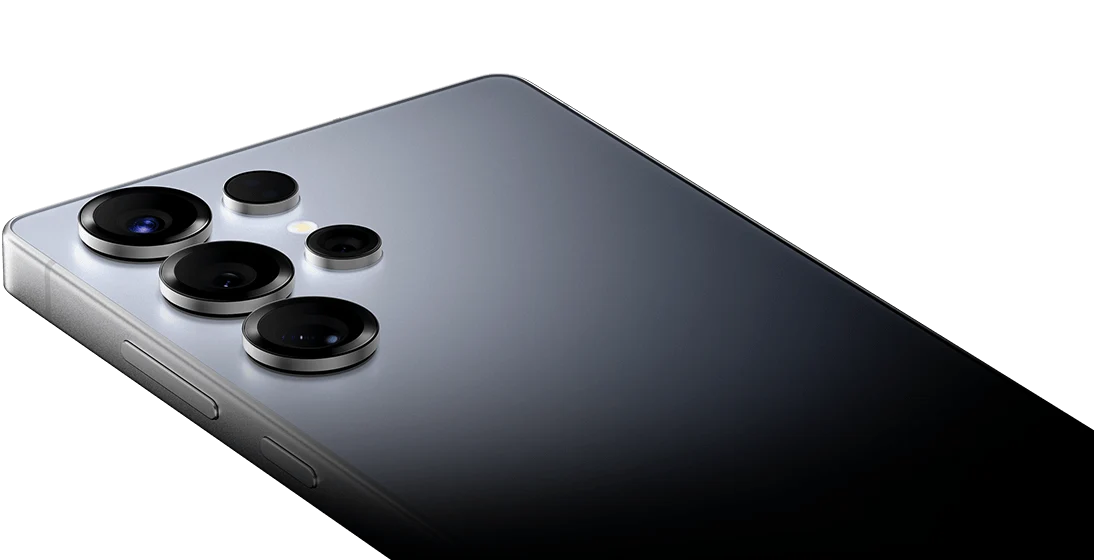
    The Galaxy S25 Ultra, priced around $1,175, has made its entrance with an impressive 200MP main rear camera. This is a significant leap compared to the 50MP cameras found in competitors like the OnePlus 13, Honor Magic7 Pro, and Xiaomi 15 Ultra. However, it appears that Samsung’s competitors are gearing up to catch up in the next generation.

    Future Competitors

    Reports suggest that up to five companies are planning to incorporate 200MP sensors into their upcoming flagship models. These devices will likely be powered by the successor to the Snapdragon 8 Elite processor that the S25 Ultra uses.

    Current Innovations

    Several flagship smartphones, either available now or soon to be released, already feature cameras with this leading resolution. However, they typically utilize periscope zoom lenses, as seen in the much-anticipated X200 Ultra, which is expected to dominate the market.

    Technical Limitations

    It’s worth noting that the “8 Elite Gen 2” processor will only allow for one 200MP camera to operate at a time. This limitation also applies to the competing MediaTek Dimensity 9500 chipset, expected to power other high-end smartphones.

    As a result, Vivo might face a tough decision regarding whether to adopt a 200MP main camera or continue using a telephoto lens of the same resolution in their “X300 Ultra.” However, it seems they may have more flexibility in the “X400 Ultra,” per the latest leaks from Digital Chat Station via Weibo.

    Source:
    Link
  • No New Dark Color Option for Galaxy S25 Ultra Available

    No New Dark Color Option for Galaxy S25 Ultra Available

    Key Takeaways

    1. Samsung teased a potential new color for the Galaxy S25 Ultra but has since removed the post, indicating no immediate plans for a new color variant.
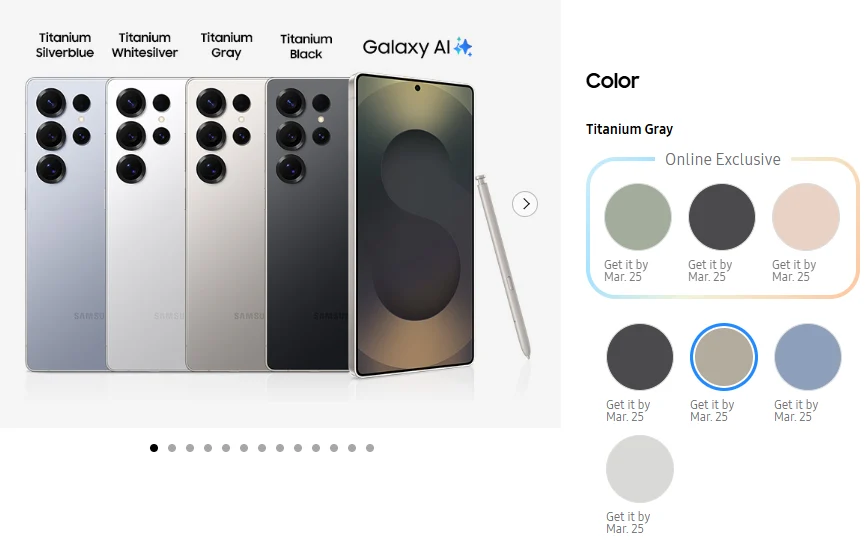
    2. The Galaxy S25 Ultra currently comes in seven color options, with four available worldwide and three exclusive to Samsung’s online store.
    3. Previous color launches have shown that Samsung sometimes introduces new colors months after a device’s initial release, but no such plans are announced for the S25 Ultra.
    4. Samsung is currently offering a trade-in credit of up to $900 for the Galaxy S25 Ultra.
    5. The Galaxy S25 Ultra features improved performance and battery life compared to the previous model, despite retaining the same 5000 mAh battery capacity.


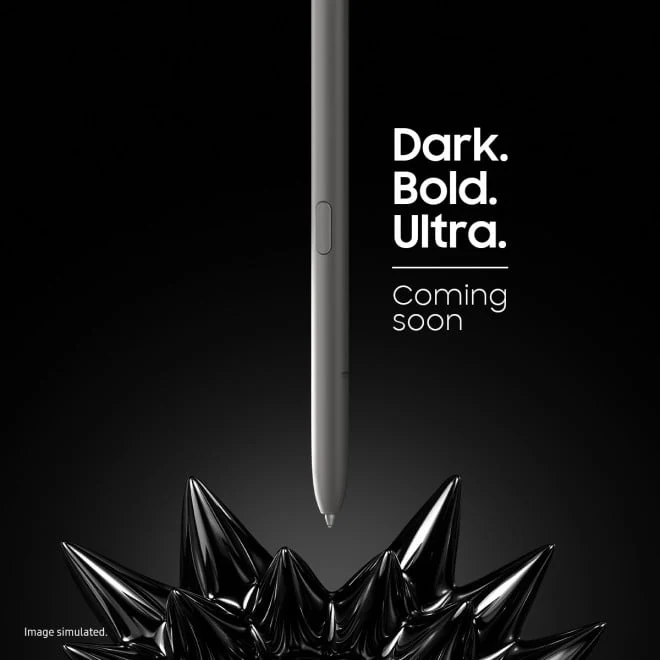
    Samsung India recently stirred up some buzz regarding a potential new color for the Galaxy S25 Ultra with a teaser that said “Dark. Bold. Ultra.” However, the post has been taken down, indicating that there are no immediate plans for a new color variant. Consequently, the current color options for the Galaxy S25 Ultra will remain the same for the time being.

    Galaxy S25 Ultra Color Choices

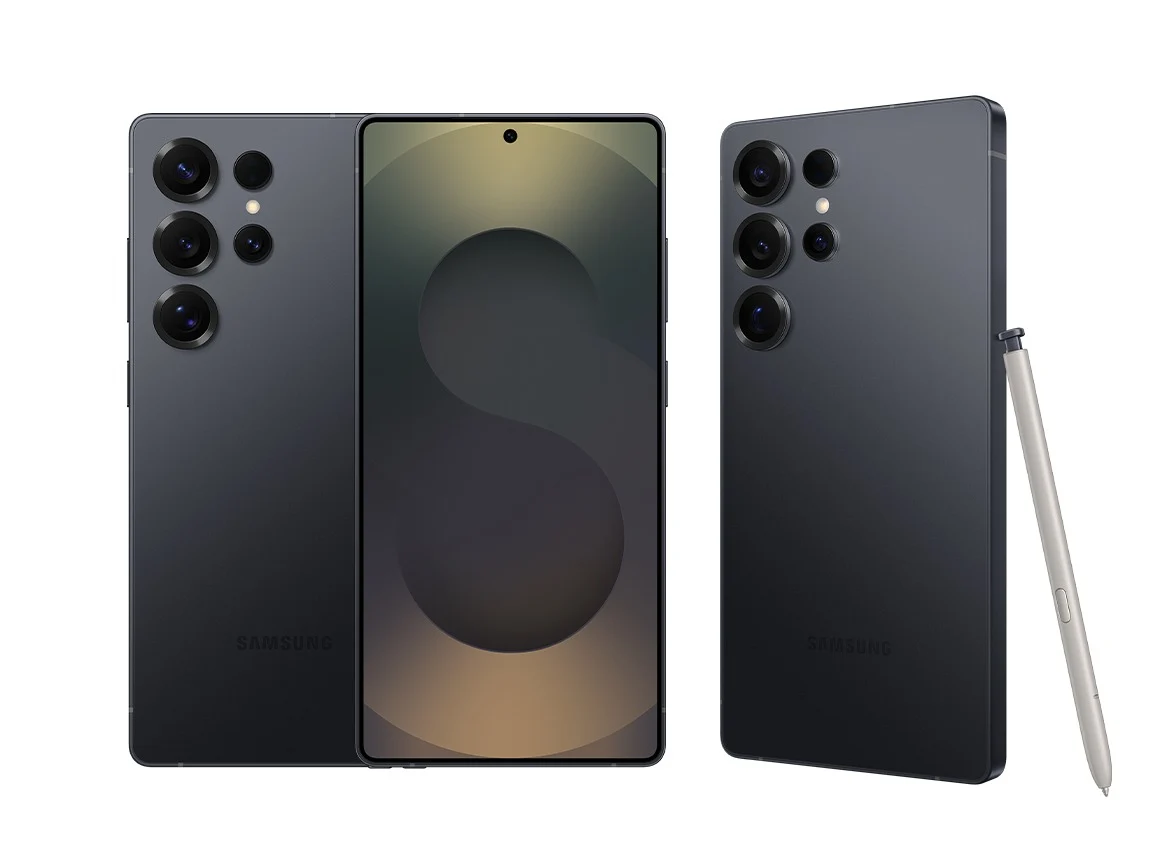
    At this moment, the device comes in seven color choices, with four of them available worldwide: Titanium Black, Titanium Gray, Titanium Silverblue, and Titanium Whitesilver. The other three colors—Titanium Jadegreen, Titanium Jetblack, and Titanium Pinkgold—are exclusive to Samsung’s online store. The teaser image hinted at yet another dark shade, but since there are already two black options, the addition seemed unnecessary.

    Previous Color Launches

    Last year, Samsung revealed a Titanium Yellow color for the Galaxy S24 Ultra in June, several months post-launch. However, this color was introduced along with other variants, only taking longer to become available. In contrast, there are no delayed color releases for the Galaxy S25 Ultra at this time.

    Current Offers and Performance

    Though the teaser gave some hope for a new color, Samsung’s choice to delete the post implies they are sticking with the existing options. For now, buyers of the Galaxy S25 Ultra will have to select from the seven available colors, which offer a diverse range for different tastes. Additionally, Samsung is providing a trade-in credit of up to $900 for this phone currently, and those who are interested can view the product page.

    In addition to the color options, the S25 Ultra boasts enhanced performance and power efficiency compared to last year’s Ultra model. Although the battery capacity remains unchanged at 5000 mAh, the battery life has improved notably, thanks to better efficiency and performance optimization with One UI 7.


  • Samsung Galaxy S25 Ultra Mid-Cycle Refresh Coming Soon

    Samsung Galaxy S25 Ultra Mid-Cycle Refresh Coming Soon

    Key Takeaways

    1. The Galaxy S25 Ultra currently offers seven color options, with potential for an eighth black variant soon.
    2. The new black color is suggested by a post from Samsung India and is already listed on Amazon for $1,149.97.
    3. Existing colors include Titanium Jetblack, Titanium Jadegreen, Titanium Pinkgold, Titanium Silverblue, Titanium Gray, Titanium Black, and Titanium Whitesilver.
    4. The new color is likely to follow the “Titanium” naming convention, but its availability through retail partners is uncertain.
    5. Samsung is deviating from industry norms by introducing a new color variant less than two months after the Galaxy S25 Ultra’s launch.


    The Galaxy S25 Ultra can be purchased in seven different colors, but there are rumors that Samsung might introduce an eighth one shortly. A post from the Samsung India account on X suggests a new black variant for the Galaxy S25 Ultra, which is currently listed on Amazon for $1,149.97. This is intriguing, especially since Samsung already provides two black options for this device.

    Current Color Options

    The existing color options for the Galaxy S25 Ultra include Titanium Jetblack, Titanium Jadegreen, Titanium Pinkgold, Titanium Silverblue, Titanium Gray, Titanium Black, and Titanium Whitesilver. Notably, the first three colors are exclusive to Samsung’s online store, giving customers a unique choice when purchasing directly from them.

    Future Color Speculations

    While the exact name of the new color has yet to be revealed, it is reasonable to assume that it will start with the prefix “Titanium.” However, it’s still unclear whether this new variant will be limited to Samsung’s website or if it will also be sold through retail partners.

    Industry Trends

    It’s common for manufacturers to introduce new color choices for specific smartphones to give the device a fresh look. Typically, these new color options come out after the phone has been on the market for a period, although there are exceptions to this trend.

    In this instance, Samsung appears to be breaking the norm, as the Galaxy S25 Ultra has been on sale for less than two months since its January launch. Still, fans of the Galaxy S25 Ultra can look forward to an additional color option soon.

    Source:
    Link

  • Vivo X200 Ultra: 35mm Primary & Enhanced Telephoto Cameras

    Vivo X200 Ultra: 35mm Primary & Enhanced Telephoto Cameras

    Key Takeaways

    1. The Vivo X200 Ultra aims to compete with other flagship smartphones like the Xiaomi 15 Ultra and Galaxy S25 Ultra, priced at $1,219.99.
    2. The X200 Ultra is expected to use the ISOCELL HP9 sensor for its 200 MP periscope camera, similar to its predecessor, with a 3.7x zoom capability.
    3. The new periscope camera will feature a wider aperture of approximately f/2.27, improving light sensitivity compared to the previous model’s f/2.7.
    4. The primary camera will have an f/1.69 aperture and a 35 mm equivalent focal length, while the ultra-wide camera will maintain a 14 mm focal length.
    5. Both the primary and ultra-wide cameras are likely to use Sony’s LYT-818 sensors for enhanced performance.


    Digital Chat Station has recently shared insights about the Vivo X200 Ultra and how it might soon compete with other ‘Ultra’ smartphones like the Xiaomi 15 Ultra or Galaxy S25 Ultra, currently priced at $1,219.99 on Amazon. Previously, there were hints at the end of last month that Vivo had chosen two camera sensors for the back camera setup in the X200 Ultra.

    Camera Specifications

    For instance, the ISOCELL HP9 is expected to make a comeback, having been used last year in the 200 MP periscope camera of the X100 Ultra. As per Digital Chat Station, this time, Vivo has selected an 85 mm telephoto lens, which corresponds to the 3.7x periscope camera found in its predecessor.

    Improved Aperture Design

    However, Digital Chat Station suggests that the periscope camera in the X200 Ultra will feature a significantly wider aperture compared to the one in last year’s model. To provide some context, the previous model’s camera had an 85 mm equivalent focal length paired with an f/2.7 aperture. The upcoming X200 Ultra is rumored to enhance this to roughly f/2.27, which could lead to better light sensitivity.

    Primary and Ultra-Wide Cameras

    The same enhancements might apply to the primary and ultra-wide cameras of the X200 Ultra. While Digital Chat Station doesn’t specify an aperture for the ultra-wide camera, it does indicate that the primary camera will have an f/1.69 aperture. Furthermore, it’s said that the primary camera will utilize a 35 mm equivalent focal length, while the ultra-wide-angle camera will stick to 14 mm. Reports suggest that Vivo plans to implement Sony’s LYT-818 sensors in both of these cameras.

    Source:
    Link

  • Samsung Galaxy S25 Ultra Falls Short in DxOMark Camera Ranking

    Samsung Galaxy S25 Ultra Falls Short in DxOMark Camera Ranking

    Key Takeaways

    1. The Galaxy S25 Ultra received a DxOMark score of 146, ranking it 24th in camera performance, just two points higher than its predecessor.
    2. It scored lower than competitors like the Google Pixel 8 (148), Apple iPhone 16 (147), and Huawei P60 Pro (156), with Huawei Pura 70 Ultra leading at 163.
    3. The camera system shows versatility, capturing detailed images at long zoom, natural skin tones in good lighting, and vibrant videos with good dynamic range.
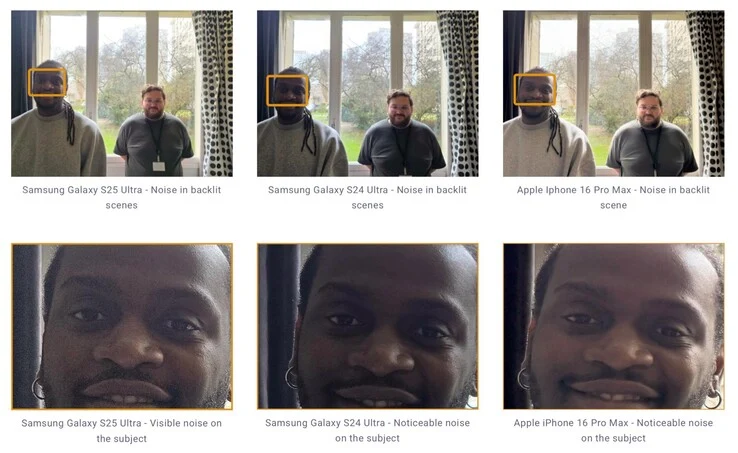
    4. Issues include overexposed highlights even with HDR on, unnatural skin tones in low light, and significant noise in dim lighting videos.
    5. The portrait mode and video autofocus/exposure adjustments can be inconsistent, leading to minor issues that affect overall performance compared to competing smartphones.


    DxOMark has recently evaluated the quad-camera system on the Galaxy S25 Ultra, which is priced at about $1,219 on Amazon, giving it a score of 146. This score places the latest Samsung flagship only two points higher than its predecessor. The result is not particularly impressive for a current-generation flagship, especially since the Galaxy S25 Ultra is ranked 24th in DxOMark’s camera score list, sharing this position with the Apple iPhone 14 Pro.

    Comparisons with Competitors

    Interestingly, the S25 Ultra scored lower than several older or more affordable rivals, including the Google Pixel 8 at 148 points, the Apple iPhone 16 at 147 points, and the Huawei P60 Pro at 156 points. The Huawei Pura 70 Ultra leads the pack with an impressive 163 points. However, during our review, the camera system of the Galaxy S25 Ultra showed versatility, impressing us with the details it captured even at longer zoom distances, as well as its natural skin tones in easier lighting conditions and videos that featured vibrant colors and a good dynamic range.

    Room for Improvement

    Despite its strengths, the Galaxy S25 Ultra has more issues than one might expect from a top-tier device. For instance, highlights can sometimes be overexposed, even when HDR is turned on, and skin tones may appear unnatural in low-light settings. Additionally, videos shot in dim lighting often display a significant amount of noise.

    The portrait mode, which mimics bokeh effects, doesn’t always engage properly. When shooting videos, both exposure adjustments and autofocus can be shaky at times. The analysis indicates that while the Galaxy S25 Ultra’s camera does not have any glaring shortcomings, it does possess several minor issues that accumulate, allowing some competing smartphones to outperform it in terms of still and video quality under certain circumstances.

    Source:
    Link


  • Samsung Launches New OLED Display with 5000 Nits Brightness

    Samsung Launches New OLED Display with 5000 Nits Brightness

    Key Takeaways

    1. Samsung’s new OLED screen achieves a peak brightness of 5,000 nits, significantly enhancing display quality for mobile devices.
    2. The On-Cell Film (OCF) technology removes the polarizer, allowing for brighter displays with improved energy efficiency, using 63% of the power of older panels.
    3. The OCF II OLED panel can reach 3,000 nits for typical activities like movie watching, outperforming the Galaxy S25 Ultra.
    4. The absence of a polarizer makes the OLED panels 20% thinner, facilitating their use in various devices, including smartphones and rollable laptops.
    5. This innovation is expected to increase competition in the display market, prompting further advancements from other manufacturers.


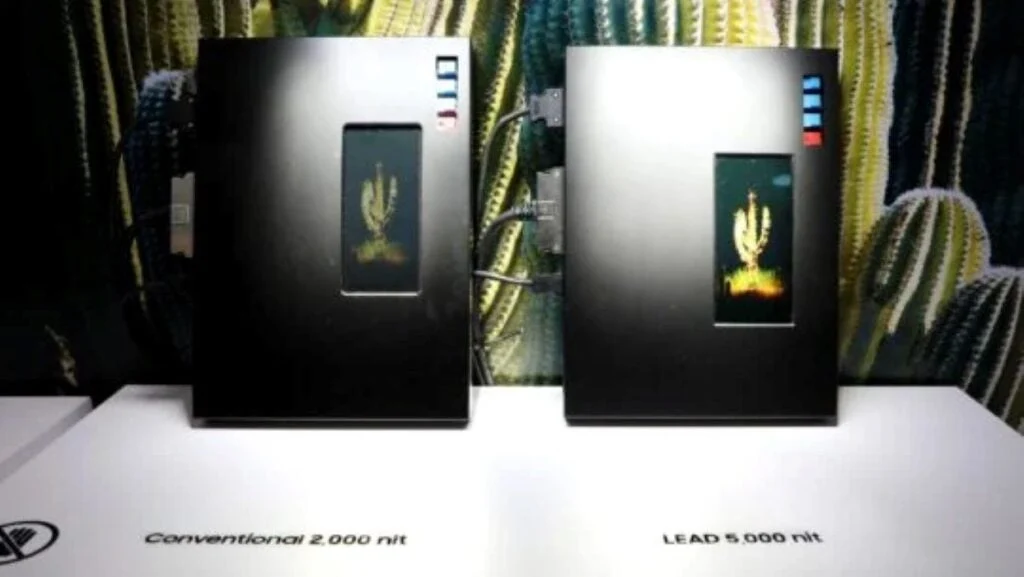
    Samsung has revealed an innovative new OLED screen that can achieve an impressive peak brightness of 5,000 nits. This advancement could change the way displays are viewed on mobile devices like smartphones, smartwatches, and laptops. The company is presenting this state-of-the-art panel at the MWC 2025 expo held in Barcelona, Spain.

    Major advancements in brightness and energy use

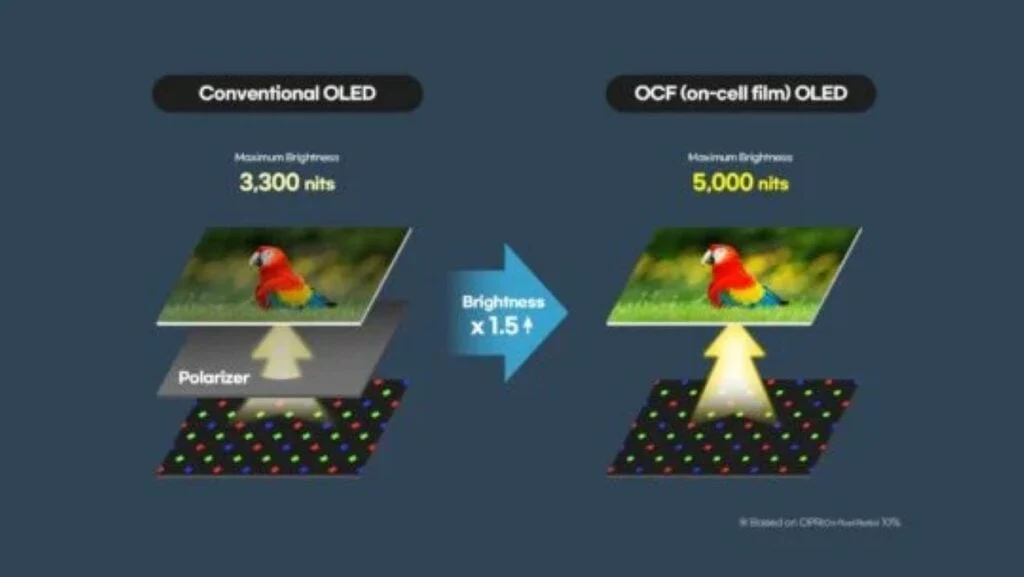
    The new OLED technology features a technology known as On-Cell Film (OCF), an invention by Samsung that does away with the polarizer. Polarizers have traditionally been used to block out outside light but can cut OLED brightness by as much as 50%. By eliminating this component, Samsung has created a display that is not only brighter but also uses energy more efficiently.

    The OCF II OLED panel is capable of hitting that 5,000 nits of peak brightness in a 10% window (which is 10% of the screen area), a remarkable improvement compared to competitors who often measure brightness in much smaller window sizes (1% or 5%) to achieve similar brightness figures.

    For typical activities like watching movies, the panel can hit up to 3,000 nits, which is still quite impressive, even surpassing what the Galaxy S25 Ultra can do under similar conditions.

    Enhancing efficiency and longevity

    However, brightness is not the only concern. In fact, enhancing power efficiency is actually more crucial than merely boosting peak brightness, especially since many of the devices equipped with these displays rely on battery power. Samsung claims that these brightness levels are reached with 1.5 times better efficiency than older panels, allowing the same brightness to be sustained with only 63% of the power usage. This leads to longer battery life, less heat production, and a longer lifespan for the display.

    Thinner design and wider use

    With the removal of the polarizer, Samsung can also make its OLED panels 20% thinner compared to traditional designs. This technology was first seen in the Galaxy Z Fold 3 and is now being adapted for bar-shaped smartphones and even rollable laptops.

    While it may appear to be just another step forward in brightness and efficiency, it goes beyond that. Samsung is not the only major player in the display market. Chinese manufacturers like BOE have made significant strides in brightness and efficiency in recent years. This new development from Samsung Display is anticipated to raise competition levels and encourage rivals to innovate more, ultimately benefiting consumers.

    Joohyung Lee, the Head of Mobile Display Business at Samsung Display, mentioned that the company is committed to retaining its leadership in the display sector through constant innovation.

    Source:
    Link


  • Vivo X200 Ultra Camera Specs Leak: New Flagship Details Revealed

    Vivo X200 Ultra Camera Specs Leak: New Flagship Details Revealed

    Key Takeaways

    1. Xiaomi has launched the Xiaomi 15 Ultra in China, with an international release expected soon.
    2. The Galaxy S25 Ultra was released last month, priced at $1,139.99 on Amazon.
    3. Vivo is speculated to launch the X200 Ultra alongside the X200s, focusing on advanced videography features.
    4. The X200 Ultra is rumored to feature dual Sony LYT-818 sensors and Samsung’s ISOCELL HP9 for high-resolution photography.
    5. The release date for the X200 Ultra remains uncertain, but hints of a ‘Capture Button’ have been noted in teaser images.


    Xiaomi has unveiled the Xiaomi 15 Ultra in China, right before its expected international launch. However, this isn’t the only new ‘Ultra’ flagship coming soon, as the Galaxy S25 Ultra was released last month, currently priced at $1,139.99 on Amazon.

    New Competition on the Market

    Recent speculations suggest that Vivo is preparing to launch the X200 Ultra, likely at the same time as the X200s. Information regarding the videography features of the X200 Ultra emerged yesterday, and now, there are indications about the hardware that makes these features possible.

    Teaser and Speculations

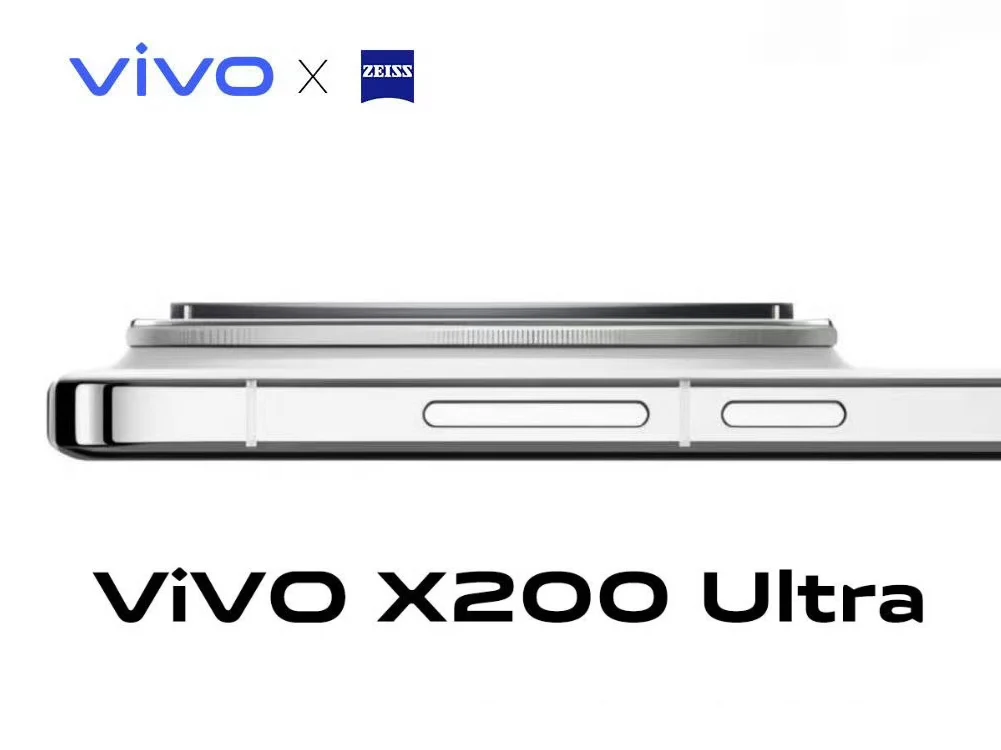
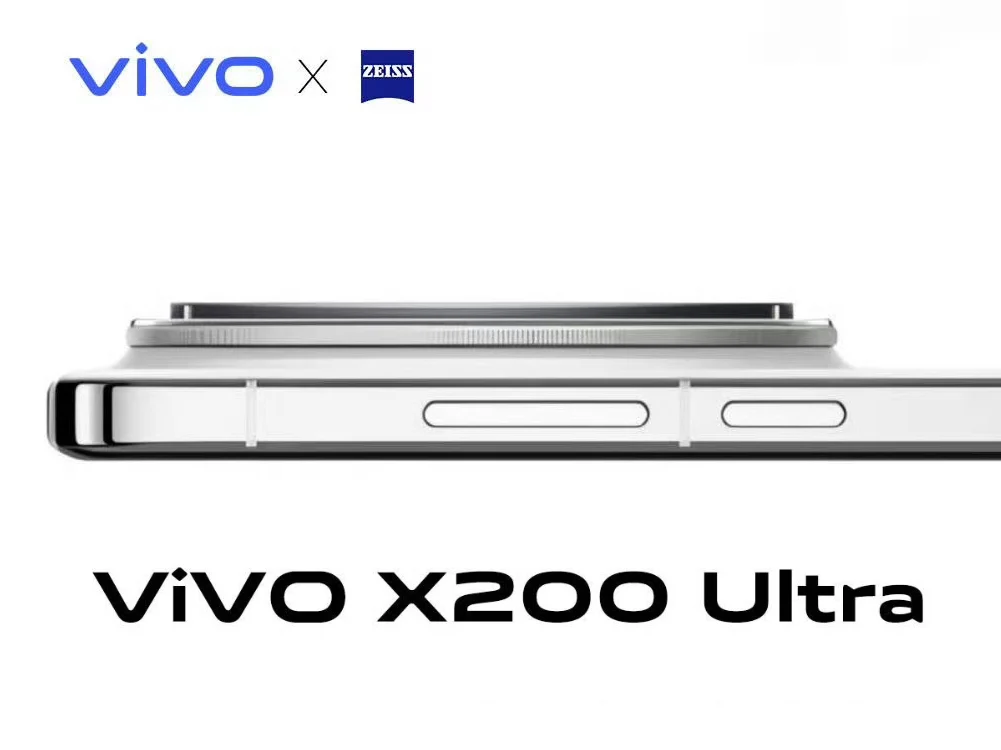
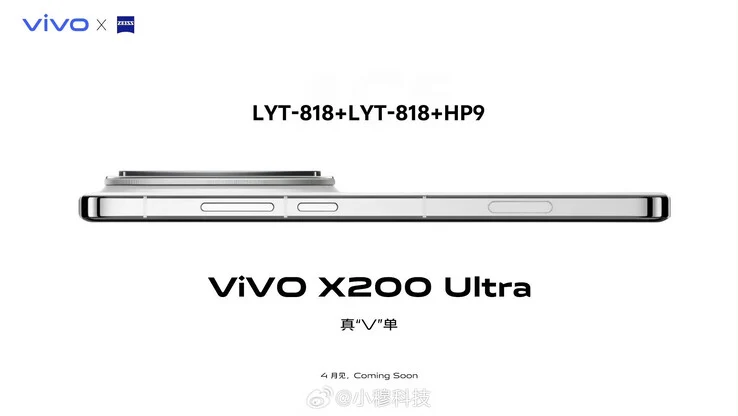
    GSMArena has reported that the image showcased below is an official teaser. Nonetheless, no concrete proof has been found to support this assertion. While this does not imply that the details are incorrect, it also doesn’t confirm them as official at this time.

    Reportedly, the X200 Ultra will come with dual Sony LYT-818 sensors, expected to provide 1/1.28-inch optical formats for both the primary and ultra-wide-angle cameras. On the telephoto side, Samsung’s ISOCELL HP9 is said to be included, which can produce a native resolution of 200 MP and potentially offer 3.7x optical zoom. As for the release date, it remains unclear, but the supposed ‘Capture Button’ is visible in the teaser image below.

    Source:
    Link


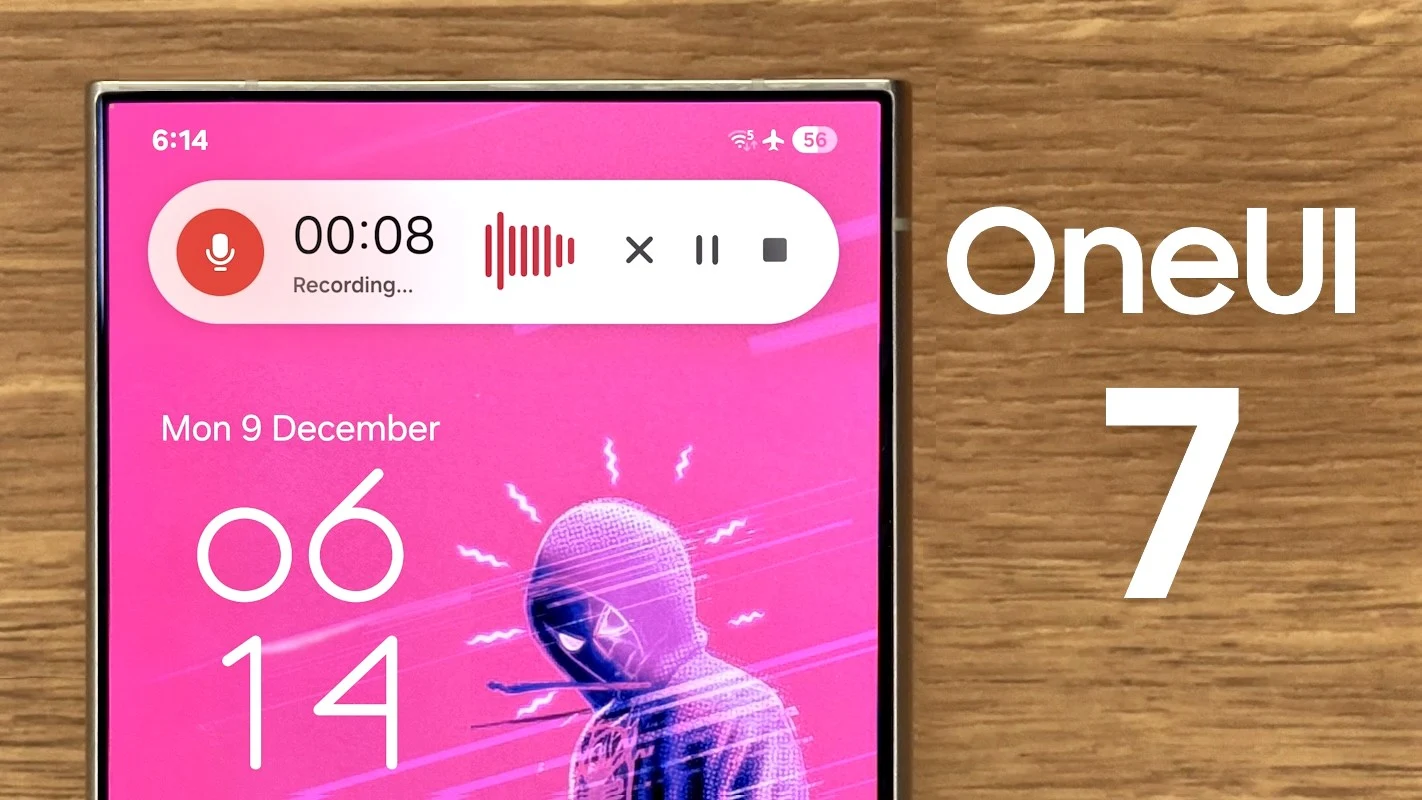
  • Samsung One UI 7: Rollout Plan for Galaxy S, Z, and A Phones

    Samsung One UI 7: Rollout Plan for Galaxy S, Z, and A Phones

    Key Takeaways

    1. Older Galaxy phones will finally receive the One UI 7 update after delays.
    2. The update is expected to roll out to flagship models from 2021 and some newer Galaxy A mid-range smartphones.
    3. A screenshot from a sales representative suggests specific release dates for the update.
    4. The rollout information is likely applicable to Europe but needs official confirmation from Samsung.
    5. Users should approach the release schedule with caution until Samsung verifies it officially.


    Samsung phone users who have been looking forward to an OS update are discovering their older Galaxy phones will finally get upgraded to One UI 7, though not in a typical way. This new operating system, found on Samsung’s newest S series flagship phones like the Galaxy S25 Ultra (priced at $1,299 on Amazon), has faced delays for many months on older models. This situation marks a rare occurrence for billions of Samsung users, as such a late Android update hasn’t happened in recent years.

    Release Dates Finally Revealed

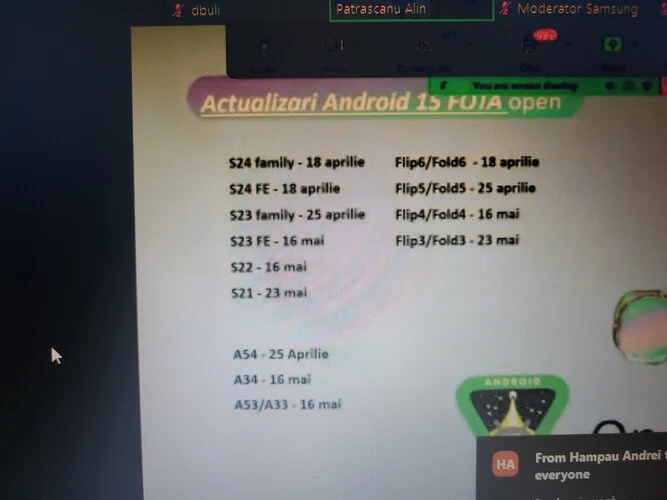
    It seems that Samsung has finally established some concrete release dates, at least if we believe a screenshot shared by a self-identified “sales representative” on the social media site X. The screenshot reportedly comes from a video call with Samsung Romania and outlines when One UI 7 will start rolling out to various older Galaxy devices. The update timeline looks to include Galaxy flagship models from as far back as 2021, in addition to several newer Galaxy A mid-range smartphones.

    Caution Advised

    According to the screenshot, the rollout schedule is expected to be as follows:

    This information is likely to be applicable throughout Europe, although Samsung has yet to confirm its accuracy. Therefore, it might be wise to view this schedule skeptically until Samsung officially verifies it through a press release or a post on a community forum.

    Source:
    Link


  • Vivo X200 Ultra with 35mm Camera Launching Mid-April, X200S Too

    Vivo X200 Ultra with 35mm Camera Launching Mid-April, X200S Too

    Key Takeaways

    1. Samsung has launched the Galaxy S25 Ultra, and rival brands like Xiaomi and Oppo are set to release their own “Ultra” smartphones soon in China.
    2. The Vivo X200 Ultra and X200S are expected to launch in mid-to-late April 2024, six months after the Vivo X200 and X200 Pro.
    3. Vivo and Nubia are influencing smartphone camera technology, with Nubia’s flagship offering a 35mm camera and Vivo potentially following suit with its X200 Ultra.
    4. The Vivo X200 Ultra may feature a 50-megapixel primary camera with 1.5x zoom, differing from its predecessor’s 1-inch camera.
    5. The Vivo X200 Ultra will be the first in its series to use the Snapdragon 8 Elite chipset, while the X200S will debut with the Dimensity 9400 Plus processor.


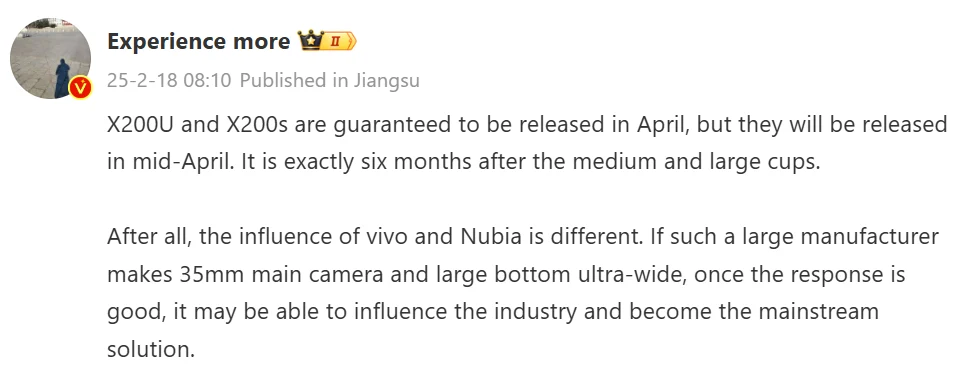
    Samsung has just unveiled the Galaxy S25 Ultra across various markets, including China. In the near future, many other “Ultra”-branded smartphones from rival brands are set to launch in China as well. Xiaomi is anticipated to reveal the Xiaomi 15 Ultra by the end of this month, while Oppo might introduce the Find X8 Ultra in March. A recent leak from tipster Experience More has disclosed not only the expected launch dates for the Vivo X200 Ultra and X200S but also provides insights into a significant aspect of the Ultra’s main camera.

    Vivo X200 Ultra and X200S Expected Release

    According to the leak, the Vivo X200 Ultra and Vivo X200S are likely to be launched around mid-to-late April in China. This timing aligns their release exactly six months after the Vivo X200 and X200 Pro, which were rolled out in October 2024.

    Impact of Vivo and Nubia on the Market

    The leak also highlights how Vivo and Nubia are influencing the smartphone industry. For those unfamiliar, Nubia has included a 35mm camera in its flagship devices for several years. The Nubia Z50 Ultra, released in 2023, boasts a personalized 64-megapixel Sony IMX787 camera as its primary shooter, featuring a 35mm equivalent focal length.

    Although Nubia’s reach is somewhat limited, Vivo, being a more prominent brand, could potentially make certain camera innovations more mainstream. Recent information indicates that the Vivo X200 Ultra might not have a 1-inch primary camera like its predecessor. Instead, it could come equipped with a smaller 1/1.28-inch 50-megapixel primary camera, which supports 1.5x zoom (35mm equivalent) by default.

    Possible Future Trends in Smartphone Cameras

    If Vivo successfully integrates a 35mm main camera along with a large sensor ultra-wide camera in its flagship models and receives favorable feedback, these features might eventually filter down to the Pro versions. This could create a new trend in the industry and inspire other manufacturers to adopt similar camera technologies.

    The Vivo X200 Ultra will be the first in the X200 series to utilize the Snapdragon 8 Elite, while the current X200 and X200 Pro models are powered by the Dimensity 9400 chipset. The X200S is expected to debut with the newer Dimensity 9400 Plus processor. Furthermore, the April launch event may also reveal a new purple variant of the Vivo X200 Pro Mini.

  • Samsung Galaxy S25 Ultra Camera Glitch: Fix Coming Soon

    Samsung Galaxy S25 Ultra Camera Glitch: Fix Coming Soon

    Key Takeaways

    1. Camera Banding Issues: Some early users of the Galaxy S25 Ultra are experiencing banding (horizontal or vertical lines) in images taken with night mode.

    2. Software, Not Hardware: The banding issue is linked to the phone’s image processing software, not a hardware defect.

    3. Wider Model Impact: Users of the Galaxy S25+ have also reported similar camera problems, indicating it’s not exclusive to the Ultra model.

    4. Samsung’s Response: Samsung has acknowledged the camera issue and plans to release a fix in an upcoming software update.

    5. Recommendation for Buyers: Potential buyers of the Galaxy S25 Ultra may want to wait for the software update to avoid the banding problem.


    The Galaxy S25 Ultra stands out as Samsung’s leading camera smartphone. Nevertheless, some users who got it early are facing a frustrating problem with their cameras. A small number of them have reported seeing banding—horizontal or vertical lines—in images taken with the phone’s night mode.

    Banding Issues Noted

    The issue appears to be linked to the phone’s software for processing images, rather than a fault in the hardware itself. Users have taken to platforms like Reddit and Samsung’s community forums to showcase instances of this banding, which tends to appear near the edges of their photos.

    Similar Problems Across Models

    Interestingly, this issue isn’t just limited to the Ultra model; some owners of the Galaxy S25+ have also mentioned experiencing similar camera troubles.

    Samsung Responds to Concerns

    On a positive note, Samsung has recognized the camera problem on the Galaxy S25 Ultra. A spokesperson for the company has confirmed they know about the issue and have a fix ready to be released in an upcoming software update. Coincidentally (or maybe not), the Galaxy S25 series started to receive its first update this week, which is likely to address this specific issue.

    For now, this problem seems to be confined to the night mode and doesn’t seem to affect a large number of users. Yet, it serves as a reminder that even the best devices can have initial problems. If you’re unfortunate enough to be facing this issue, the solution should be available pretty soon.

    Meanwhile, it’s important to point out that the Galaxy S25 Ultra remains one of the most powerful camera phones available, regardless of the banding issue. But if you’re thinking about buying one, you may want to wait until the update is rolled out widely, just to be on the safe side.