Tag: galaxy s24+

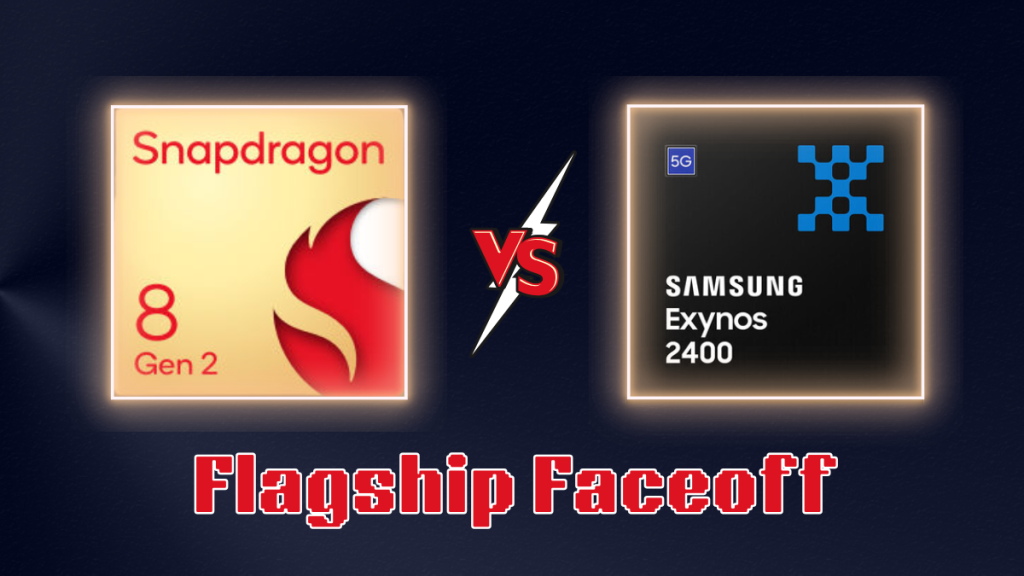
  • Snapdragon 8 Gen 2 vs Exynos 2400: Performance Showdown

    Snapdragon 8 Gen 2 vs Exynos 2400: Performance Showdown

    While the Snapdragon 8 Gen 2 chip was revealed two years ago, it remains one of the top-tier processors for Android devices. It powers a range of smartphones, including the Galaxy S23 series. In contrast, the Exynos 2400 is a newer chip, featured in the Galaxy S24 and S24 Plus models.

    Chip Improvements

    Exynos has shown significant advancements in its chips over the years. The question now is, can the latest Exynos 2400 compete with the Snapdragon 8 Gen 2 in terms of power and efficiency? Let’s take a look at how these two processors compare.

    Specifications Overview

    Feature Snapdragon 8 Gen 2 Exynos 2400
    Release date November 2022 January 2024
    Process node 4nm 4nm
    Manufacturer TSMC Samsung
    Cores 8 10
    CPU architecture 1 x Cortex-X3 @ 3.2 GHz
    2 x Cortex-A715 @ 2.8 GHz
    2 x Cortex-A710 @ 2.8 GHz
    3 x Cortex-A510 @ 2.0 GHz
    1 x Cortex-X4 @ 3.2 GHz
    2 x Cortex-A720 @ 2.9 GHz
    3 x Cortex-A720 @ 2.6 GHz
    4 x Cortex-A520 @ 2.0 GHz
    GPU Adreno 740
    680 MHz frequency
    Ray Tracing support
    Samsung Xclipse 940
    1095 MHz frequency
    Ray tracing support
    NPU Hexagon NPU Yes
    Camera Up to 200MP single camera
    Up to 8K recording at 30fps
    Up to 320MP single camera
    Up to 8K recording at 30fps
    Memory LPDDR5X RAM
    4200 MHz frequency
    LPDDR5X RAM
    4200 Mbps frequency
    Storage UFS 4.0 UFS 4.0
    Connectivity Snapdragon X70 modem
    Downlink: 10 Gbps
    Wi-Fi 7
    Bluetooth 5.3
    Exynos 5300 modem
    Downlink: 9.6 Gbps
    Wi-Fi 7
    Bluetooth 5.4

    Benchmarking Results

    For the benchmark tests, we analyzed the Galaxy S23 (with Snapdragon 8 Gen 2) and the Galaxy S24 (with Exynos 2400).

    AnTuTu Scores

    AnTuTu is a popular tool used for measuring phone performance through various tests that assess CPU, GPU, memory, and user experience.

    The Exynos 2400 has a clear advantage over the Snapdragon 8 Gen 2, scoring approximately 40% higher overall. Here are the details of the AnTuTu v10 scores:

    Feature Snapdragon 8 Gen 2 Exynos 2400
    AnTuTu score 1,205,842 1,712,480
    CPU 259,859 397,638
    GPU 536,961 680,368
    Memory 235,019 344,037
    UX 174,003 290,437

    Geekbench Scores

    Geekbench focuses on the CPU aspect, where the Exynos 2400 again leads the way:

    Feature Snapdragon 8 Gen 2 Exynos 2400
    Single core 1,523 2,082
    Multi core 4,836 6,491

    Notable Differences

    Both chipsets are powerful for smartphones, but there are significant differences between them. The Exynos 2400 has two more cores compared to the Snapdragon 8 Gen 2. The Snapdragon 8 Gen 2 includes one Cortex-X3 core at 3.2GHz, alongside two Cortex-A715 and two Cortex-A710 cores at 2.8GHz, plus three Cortex-A510 cores at 2.0GHz. The Exynos 2400, however, features a Cortex-X4 core at 3.2GHz, with five Cortex-A720 cores (two at 2.9GHz and three at 2.6GHz) and four Cortex-A520 cores at 2.0GHz.

    This indicates that the Exynos 2400 has a more advanced CPU structure. Yet, the Snapdragon chip is more power-efficient, as TSMC’s fabrication process tends to be better than Samsung’s.

    Conclusion

    The Snapdragon 8 Gen 2 and Exynos 2400 are impressive chips that can handle daily tasks and gaming quite effectively. However, in testing, the Exynos 2400 generally performs better in both CPU and GPU benchmarks.

    While the Exynos 2400 might seem to be the superior option, the Snapdragon 8 Gen 2 isn’t far behind. For typical usage and casual gaming, either chip would suffice. But if you find a good deal on a phone using the Snapdragon 8 Gen 2, it could be worth considering to save some money.

    Devices Using Snapdragon 8 Gen 2:

    Devices Using Exynos 2400:

    • Samsung Galaxy S24
    • Samsung Galaxy S24+
    Image 1
    Image 1
  • One UI 7 Adds Native Call Recording for Galaxy Phones in the US

    One UI 7 Adds Native Call Recording for Galaxy Phones in the US

    Samsung has just launched the public beta program for One UI 7, giving a select group of Galaxy smartphone users the chance to test the new update before it officially drops. This update not only includes eye-catching UI changes and plenty of AI features but also introduces a cool new option for those living in the US: a built-in call recorder.

    Call Recording Finally Arrives

    For a long time, Samsung has provided native call recording on its Galaxy devices in many regions. However, the company was hesitant to roll this out in the US due to varying state laws regarding call recording. As noted by SammyGuru, the call recording feature is now available in the United States, specifically for the Galaxy S24 series as part of the latest One UI 7 beta.

    How It Works

    The call recording feature is integrated into the default Phone app, but you’ll need to enable it manually each time you want to record a conversation. When recording starts, the other party will hear a notification saying, "This call is being recorded"—a standard practice for built-in recorders and a requirement by law in some nations. Sadly, there’s no current option for automatic call recording. However, since Galaxy devices in other parts of the world already support this function, it’s likely that US models will get this feature in the future.

    Additional Features

    Along with the call recording, the One UI 7 beta also includes an AI-driven call transcript feature that can automatically turn recorded conversations into text in 20 different languages, such as German, Spanish, French, Russian, and Japanese.

    These functionalities are not just for the Galaxy S24 series (which can be found at Best Buy) and will be extended to more Galaxy smartphones as One UI 7 is rolled out more widely in the upcoming months.

    Source: Link


    Image 1
  • Galaxy S25 Series: Noise Removal & Voice Enhancement in Videos

    Galaxy S25 Series: Noise Removal & Voice Enhancement in Videos

    Samsung has revealed the One UI 7 Beta on December 5, initially rolling out to Galaxy S24 series devices in countries like Germany, India, South Korea, Poland, the United Kingdom, and the United States. The stable version, based on Android 15, is expected to launch with the Galaxy S25 series in January 2025.

    New Features on the Horizon

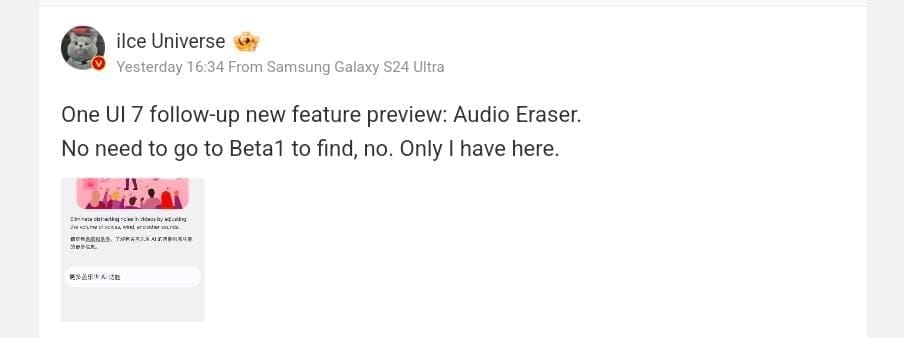
    According to tipster ICE Universe, the next iteration of One UI 7 will introduce a feature called “audio eraser,” which is absent in the current Beta 1 version. This audio eraser will allow users to fine-tune the volume of particular sounds in videos, enabling them to diminish or eliminate background noises such as wind, traffic, and other distractions while keeping voices crystal clear. This enhancement aims to enrich the user experience without requiring any third-party tools.

    Exciting Updates in One UI 7 Beta

    The One UI 7 Beta brings forth numerous thrilling improvements, especially emphasizing AI features to boost productivity and device performance.

    Notable Features and Enhancements

    Advanced Writing Assistance: One UI 7 incorporates sophisticated writing aids within its AI functionalities. These tools assist users in summarizing texts, verifying spelling and grammar, and automatically transforming notes into bullet points. This integration facilitates smooth multitasking, allowing users to highlight text without the hassle of switching apps.

    Automatic Call Transcription: A significant improvement in One UI 7’s calling functionality is the automatic transcription of call recordings once enabled. This innovation eliminates the requirement for manual note-taking during conversations, making it perfect for individuals who must document essential information while on the move.

    NowBar: The newly redesigned notification feature, known as Now Bar, streamlines communication and eases access to vital notifications from the lock screen. This development minimizes the need to unlock the device frequently, allowing users to manage crucial information more effectively. The Now Bar is set to be supported on upcoming Galaxy S series devices and will continue to evolve for a smarter experience in future updates.

    Revamped Camera Experience: One UI 7 also revamps the camera interface, providing users with more intuitive access to advanced settings. The redesigned camera buttons, modes, and controls ensure smoother navigation and a clearer view of photos and videos prior to capturing them.

    Source: Link


    Image 1
  • iPhone 15 Series Leads Global Sales, Samsung Galaxy S24 Follows

    iPhone 15 Series Leads Global Sales, Samsung Galaxy S24 Follows

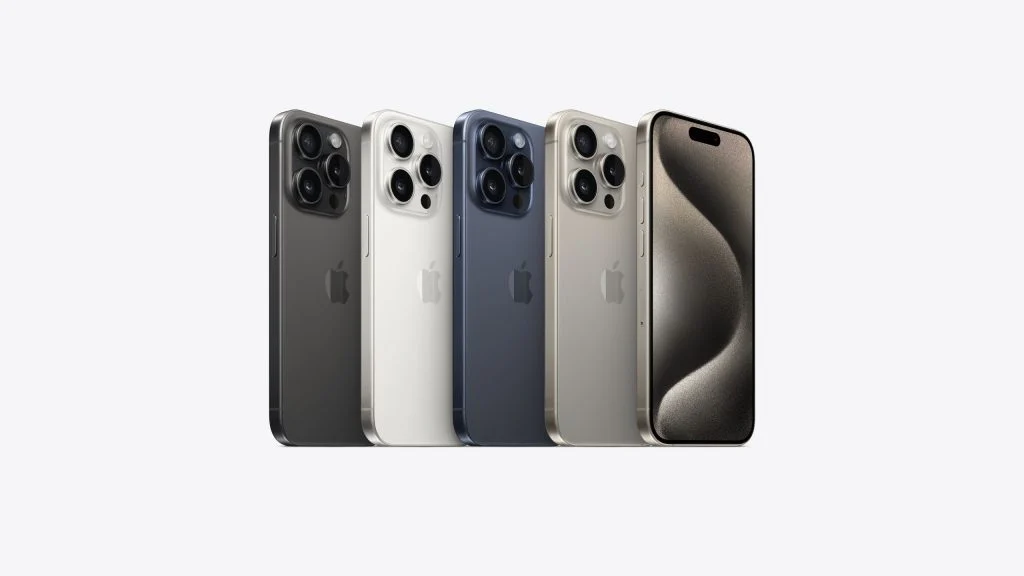
    Apple’s iPhone 15 tops global smartphone sales in the third quarter of 2024, with the iPhone 15 Pro Max and iPhone 15 Pro following closely behind, according to Counterpoint Research data. This quarter marks a significant milestone, as it’s the first time that Pro models accounted for half of all iPhone sales in a third quarter.

    Samsung’s Performance

    Samsung’s Galaxy S24 has remained within the top 10 for three consecutive quarters, marking the first time since 2018 that a Galaxy S model has achieved this feat. Collectively, the top 10 smartphone models represented 19% of total smartphone sales worldwide in Q3 2024.

    Brand Distribution

    Apple secured four positions in the top 10, while Samsung claimed five spots, and Xiaomi captured one. The lineup has not changed significantly from last year, indicating that consumer preferences are relatively stable. A noticeable trend is the increasing interest in premium smartphones, as evidenced by the narrowing gap between the standard and Pro iPhone models. Apple’s marketing strategies, varied payment options, and trade-in promotions have made the latest iPhones more accessible to a broader audience, particularly in emerging markets.

    Xiaomi’s Position

    The Galaxy S24 from Samsung also achieved impressive results, thanks in part to its emphasis on GenAI features that attracted customers. The Galaxy A series, recognized for its budget-friendly pricing and extended software support, secured four positions in the top 10, largely due to its popularity in developing markets and a focus on affordable options. Xiaomi’s Redmi 13C maintained its place in the top 10 owing to its low cost and superior features compared to the previous Redmi 12C model.

    Overall, the iPhone 15 series dominated the global smartphone market in Q3 2024, driven by robust demand and innovative features. Samsung’s Galaxy S24 and Galaxy A series performed admirably, bolstered by their strong brand image and diverse product offerings.


    Image 1
  • Galaxy Phones Eligible for One UI 7 Beta (Android 15)

    Galaxy Phones Eligible for One UI 7 Beta (Android 15)

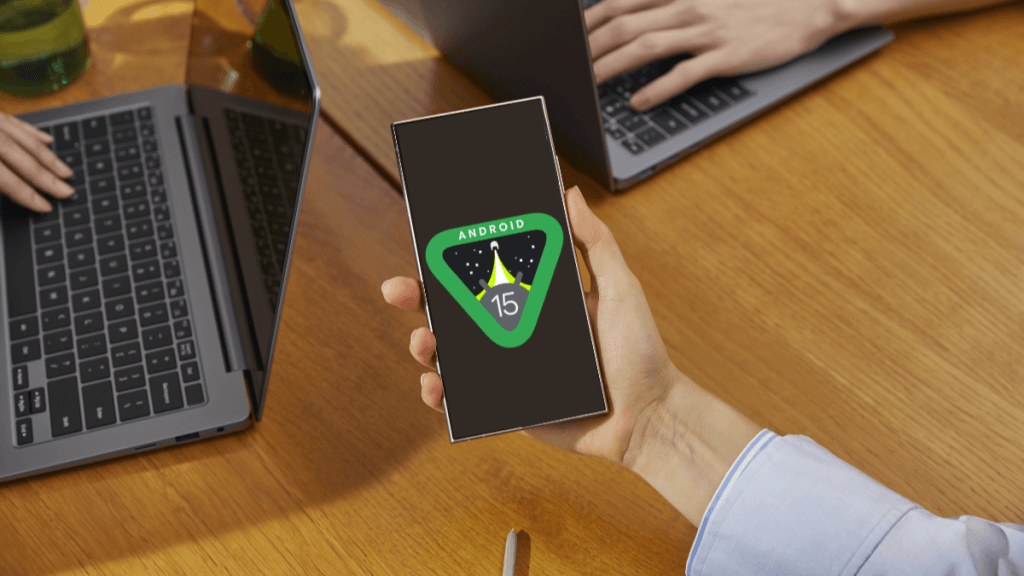
    Samsung’s new Android interface, One UI 7, is nearly ready for public testing and will be launching soon. It is based on Android 15 and promises a lot of exciting features and enhancements. This upgrade is expected to be the largest in the One UI series.

    Eligibility for Beta Testing

    If you own a Samsung Galaxy device that should receive the One UI 7 upgrade, it doesn’t automatically mean you’ll be part of the beta program. Samsung has a limit on how many Galaxy phones can access the beta version of the software early.

    At the time of this writing, Samsung hasn’t made any official statements regarding which devices will be eligible for the One UI 7 beta. However, it has been confirmed that the beta will start this year. The latest flagship models, such as the Galaxy S24 series and Galaxy Z Fold 6/Flip 6, are sure to be included. The beta program will also cover various Galaxy flagship and mid-range models.

    Potential Devices for the One UI 7 Beta

    According to Sammobile, based on Samsung’s previous beta experiences, here’s a list of Galaxy devices likely to receive the One UI 7.0 beta:

    • Galaxy S24
    • Galaxy S24+
    • Galaxy S24 Ultra
    • Galaxy S24 FE
    • Galaxy S23
    • Galaxy S23+
    • Galaxy S23 Ultra
    • Galaxy S23 FE
    • Galaxy S21
    • Galaxy S21+
    • Galaxy S21 Ultra
    • Galaxy S21 FE
    • Galaxy Z Fold 6
    • Galaxy Z Flip 6
    • Galaxy Z Fold 5
    • Galaxy Z Flip 5
    • Galaxy Z Fold 4
    • Galaxy Z Flip 4
    • Galaxy Z Fold 3
    • Galaxy Z Flip 3
    • Galaxy A55
    • Galaxy A54
    • Galaxy A35

    This list isn’t exhaustive, as the One UI 7.0 beta will likely be available for even more devices, especially mid-range ones. So, stay tuned for updates in our One UI 7 section.

    Timing for the Release

    While Vivo and Google have started rolling out the stable Android 15 update, Samsung is still focused on the One UI 7.0 beta, and there’s a reasonable explanation for that. The company is taking its time to ensure it delivers software that’s less problematic and offers a better user experience.

    If it doesn’t happen this month, the One UI 7.0 beta will probably be announced in November. The final stable version is set to launch alongside the Galaxy S25 series, expected in January 2025. After that, older Galaxy devices will begin receiving it.

    What’s New in One UI 7.0?

    Samsung is anticipated to implement major internal changes in One UI 7 that will enhance animations, improve stability, and streamline app switching. This means users can expect a smoother software experience with fewer glitches.

    The new software will reportedly feature updated icons, widgets, wallpapers, and larger folders. You might also notice changes in the camera interface, new unlock animations, and fresh icons for battery and charging. Screenshots that have leaked indicate that the control center will have larger toggles for brightness and volume adjustments.

    The forthcoming One UI 7 may also introduce separate gestures for accessing the control center and notification center, similar to features seen in Xiaomi’s HyperOS and other Android skins. One UI 7.0 could incorporate even more features, which we will learn about when the beta program officially kicks off.

  • Is the Google Pixel 9 Losing Its Unique Identity?

    Is the Google Pixel 9 Losing Its Unique Identity?

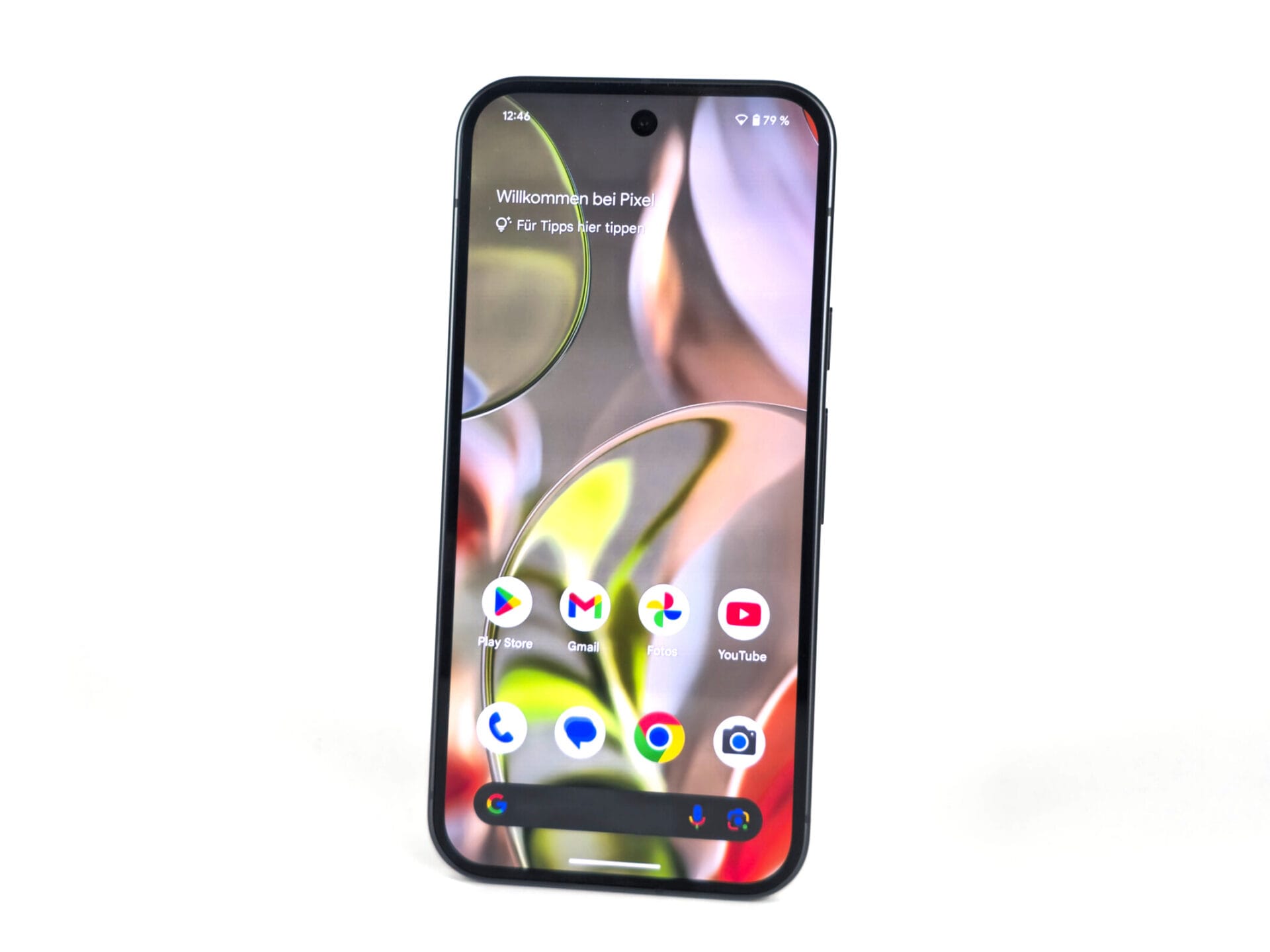
    The Google Pixel 9 packs a punch in a compact design, boasting impressive durability for a smaller smartphone. During our battery assessment, this device ran for over 16 hours while set at medium brightness. Additionally, Google’s commitment to software updates is noteworthy, with the Pixel 9 expected to receive OS upgrades for a remarkable seven years, along with monthly security patches.

    Focus on Photography

    Historically, the Pixel line from Google has prioritized top-notch photography, establishing itself as a benchmark among “budget” Android phones over recent years. The Pixel 9 impresses with its 50 MP primary camera and f/1.7 aperture, producing photos with neutral colors, as noted in our review. Yet, the 1/1.31-inch sensor, paired with Google’s image processing, doesn’t particularly stand out from the crowd.

    Camera Performance

    In the early days of the Pixel, the camera quality was generally above average for its price category. However, since the Pixel 7, Google has elevated its game from the upper mid-range to premium offerings in just two iterations. With a suggested retail price just shy of $800, the Pixel 9 now faces stiff competition from other flagship devices, and it unfortunately falls short in zoom photography, as our tests have shown. Furthermore, the main camera doesn’t outperform other smartphones in the same price segment, suffering from issues like noticeable blurriness at the edges.

    Comparing Prices

    When we look at pricing, one of the Pixel 9’s main rivals is the Galaxy S series. The Galaxy S24, which has been available for more than eight months, currently retails for around $620 on Amazon, making it a more budget-friendly option compared to the Pixel 9. Additionally, the newly launched Xiaomi 14T Pro is also priced lower than the Google S24.


    Image 1
    Image 1
  • Samsung Announces One UI 7 Update Schedule for Galaxy S24

    Samsung Announces One UI 7 Update Schedule for Galaxy S24

    In summer, a reliable source had already shared the anticipated release date for the first One UI 7 beta version, which is based on Android 15, set for August 29. However, after that announcement, there was silence, and no updates followed. Rumors suggest that Samsung decided to delay the new One UI version due to numerous bugs, but they haven’t made any official comments about it—until now.

    Samsung’s Developer Conference Update

    During the recent developer conference, Samsung finally revealed its plans, which are likely to disappoint eager Samsung enthusiasts. The update for Android 15 on Galaxy devices will arrive much later this year compared to last year’s Android 14. The Galaxy S23 series was the first to get One UI 6 in October 2023, but One UI 7 is expected to take significantly longer to be released.

    Timeline for One UI 7

    Samsung has stated that the initial One UI 7 version for developers will be available this year, but the complete version for devices like the Galaxy S24 (which is available here at Amazon) will be launched alongside the Galaxy S25 in January 2025. The reasons for this extended timeline have also been hinted at. Besides the updates regarding Android 15, a major redesign is on the way, which is anticipated to simplify user experience, along with new Galaxy AI features that are expected to debut.

    Looking Ahead

    As Samsung moves forward, users can look forward to these enhancements, albeit with a longer wait than many had hoped for. The upcoming changes are set to bring a fresh look and smart capabilities to the Galaxy lineup, making the anticipation worthwhile for those who appreciate innovation in their devices.


    Image 1
    Image 1
    Image 1
  • Galaxy Devices Eligible for 7 Android Updates: Complete List

    Galaxy Devices Eligible for 7 Android Updates: Complete List

    While many Android brands limit their devices to a maximum of four Android updates, Samsung stands out by offering an impressive seven years of Android and feature updates for its premium models. This sets a new standard for Android device update policies.

    New Update Policy with Galaxy S24 Series

    Samsung rolled out this updated policy with the launch of the Galaxy S24 series earlier this year. Since then, numerous Galaxy devices have benefited from this commitment. Although there hasn’t been any official word on software support for future models, it is expected that all upcoming flagship Galaxy phones and tablets will receive seven generations of Android updates along with security patches for a full seven years.

    Devices Covered Under the Update Policy

    Here’s a list of Samsung Galaxy devices currently included in this new update plan:

    This list is still limited as Samsung has not yet applied the new update policy to older Galaxy models. However, it is likely to expand as the company introduces more high-end smartphones and tablets.

    Current Android Version and Future Updates

    All devices mentioned above come pre-installed with Android 14, meaning their last major Android upgrade will be Android 21. They will continue to receive One UI feature updates and security patches until 2031.

    Samsung is not the only company providing seven years of Android upgrades; Google was the pioneer in this area. However, Samsung is poised to serve more users due to its faster release of flagship devices and its wider market presence.

  • Galaxy S25 and S26 May Use Same Main Sensor as Galaxy S22

    Galaxy S25 and S26 May Use Same Main Sensor as Galaxy S22

    Samsung has maintained the same main sensor across the Galaxy S22, S23, and S24 models. Recently, tipster Ice Universe revealed that this trend will continue with the Galaxy S25 and potentially the S26 as well.

    Camera Comparisons

    This information follows a comparison by Techwiser on X, which evaluated the main camera capabilities of the Galaxy S24 against those of the newly launched iPhone 16. The iPhone 16 not only rendered skin tones more accurately but also produced a generally brighter image.

    Smartphone photography today heavily depends on innovative software techniques along with the optical components. Nevertheless, upgrading the sensor or lenses is advantageous for image processing algorithms, providing more precise data to work with. Maintaining the same sensor for 4-5 years may not be the best approach, especially since Samsung is a leading manufacturer of smartphone camera sensors.

    Sensor Specifications

    For those interested, the Galaxy S24 is equipped with the Samsung ISOCELL (S5K)GN3 main sensor, which has an optical format of 1/1.57″. This 50MP sensor features a Dual Tetrapixel RGB Bayer pattern and supports video recording at 30fps in 8K, 120fps in 4K, and 240fps in FHD. The Galaxy S24 can record in 8K at 24/30fps, 4K at 30/60fps, and 1080p at 30/60/240fps.

    While the S24 and S24 Plus continue to use this older sensor, competitors such as Google, OnePlus, and Xiaomi have adopted significantly larger main sensors. For instance, both the Pixel 9 and Xiaomi 14 utilize a 1/1.31″ main sensor, enhancing their camera systems. The OnePlus 12 boasts a 1/1.43″ main sensor, which also surpasses the sensors found in the current Galaxy S flagship models.

    Implications of Sensor Size

    It is important to note that if the base and plus models are paired with appropriate optical hardware, they could achieve better results than what is currently observed. A larger main sensor, in particular, would greatly improve performance in low-light conditions, resulting in brighter images with reduced noise.


    Image 1
  • 6 Incredible One UI 6.1 AI Features You Must Explore

    6 Incredible One UI 6.1 AI Features You Must Explore

    Samsung recently made headlines when they unveiled Galaxy AI alongside their Galaxy S24 series launch, marking an astounding success for their brand. Consumers responded positively to its advanced AI features which resulted in increased sales of these flagship devices from Samsung.

    Galaxy AI Expansion

    Samsung is expanding their Galaxy AI features beyond just their Galaxy S24 series with their One UI 6.1 update for previous-generation flagship phones and tablets, so no matter where they stand in your journey here are six noteworthy AI functionalities you shouldn’t ignore!

    1. Circle to Search With Google
      One UI 6.1 boasts one notable AI feature – Circle to Search With Google – that allows you to quickly retrieve search results without switching applications, saving both time and energy. By simply circling an object or text on screen, this feature makes searching Google easier than ever!
    2. Powerful AI Image Editing
      One UI 6.1 introduces advanced AI image editing tools within its native Gallery app that allow users to effectively enhance images for greater results, providing access to perfect shots easily and conveniently.
    3. Instant Slow-Mo Videos

    One UI 6.1’s update enables any video stored in Gallery to instantly become slow-motion video using AI analysis of existing frames and creation of new frames to achieve smoother, more engaging results.

    Enhanced Texting And Communication

    1. Texting Gets a Major Upgrade
      With One UI 6.1 update, Samsung Keyboard features significant upgrades. Users now have access to altering message tone as well as verifying correct spelling and grammar to enhance communication experience.
    2. Real-Time Call Translation
      Samsung devices featuring Galaxy AI capabilities now allow real-time translation of call conversations across a range of languages to ensure smooth communication among individuals with different languages.

    Intelligent Notes And More

    1. Intelligent Notes App
      The Samsung Notes app is now equipped with AI features that streamline note-taking tasks, such as formatting long notes for improved readability, summarizing content, and offering language translation capabilities.

    These six notable AI features of One UI 6.1 show Samsung’s commitment to improving user experiences through cutting-edge technologies. While some features may only be found on certain devices, overall the expansion of Galaxy AI across their product offerings demonstrates progress toward embedding artificial intelligence (AI) into everyday tasks and interactions.