Tag: Apple Vision Pro

  • Cost to Build Apple Vision Pro: Surprisingly Affordable!

    Cost to Build Apple Vision Pro: Surprisingly Affordable!

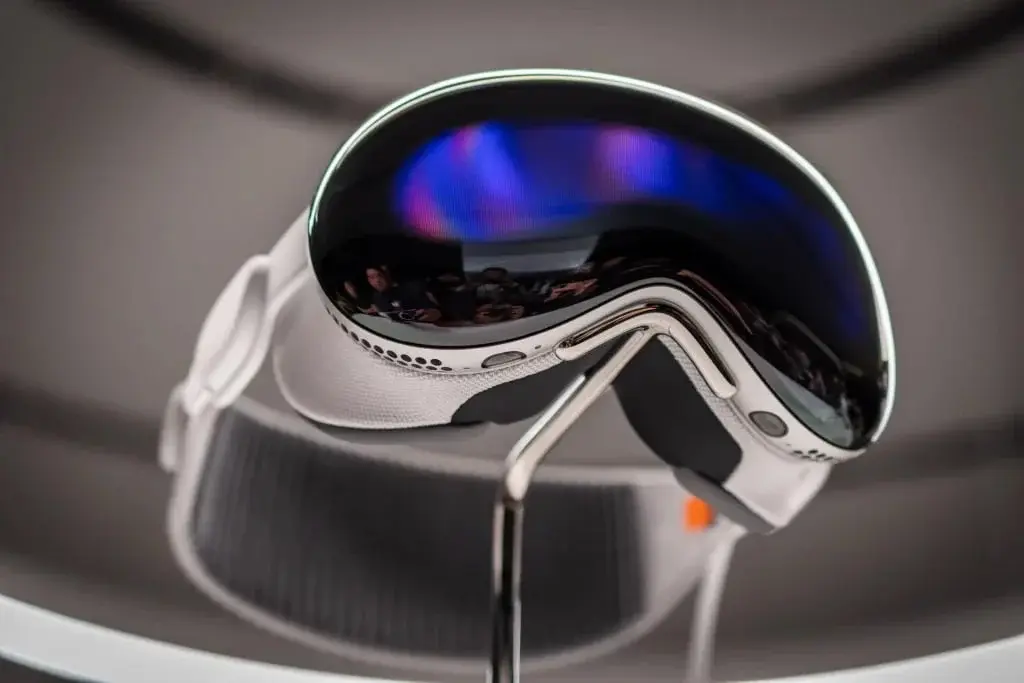
    Apple’s latest groundbreaking baby AR/VR headset, the Vision Pro, comes with a starting price tag of $3,500. Quite a hefty sum, right? But before you dismiss it entirely, let's delve deeper into what makes this device so special and expensive.

    The Breakdown

    Analysts reveal that the actual manufacturing cost of the Vision Pro, considering all its intricate components, hovers around $1,500. This indicates that Apple is marking up the price significantly to turn a profit.

    Costly Components

    The most expensive elements of the Vision Pro are its advanced displays, one dedicated to each eye, which collectively amount to $912. These displays, priced at around $456 each, are the primary cost drivers. Following closely are the powerful chips, essential for both general processing and managing camera and sensor data.

    Beyond Just Parts

    It's crucial to note that the aforementioned costs solely reflect the expenses on raw materials. Apple incurs additional expenditures on research, development, marketing, and other hidden outlays. Moreover, as a nascent product with limited production volumes, the initial pricing must compensate for these investments.

    Future Prospects

    Considering that this is merely the initial iteration, future generations of the Vision Pro could witness a decline in pricing as the technology evolves and production scales up. Whether the Vision Pro justifies its premium price hinges on your eagerness to explore the forefront of AR/VR and your financial capabilities. It’s worth mentioning that Apple already charges a notable sum for replacing parts of the headset, indicating potential concerns regarding long-term affordability.

    Conclusion

    In conclusion, Apple's Vision Pro AR/VR headset, while undeniably cutting-edge, comes with a substantial price tag. As the product matures and volumes increase, we may witness a more accessible pricing structure in the future. Ultimately, the decision to invest in the Vision Pro rests on personal enthusiasm for advanced technology and financial feasibility.

    Remember, the future of AR/VR is just a blink away.
  • Apple Vision Pro Users Report Overnight Cracks on Headsets: What’s Happening?

    Apple Vision Pro Users Report Overnight Cracks on Headsets: What’s Happening?

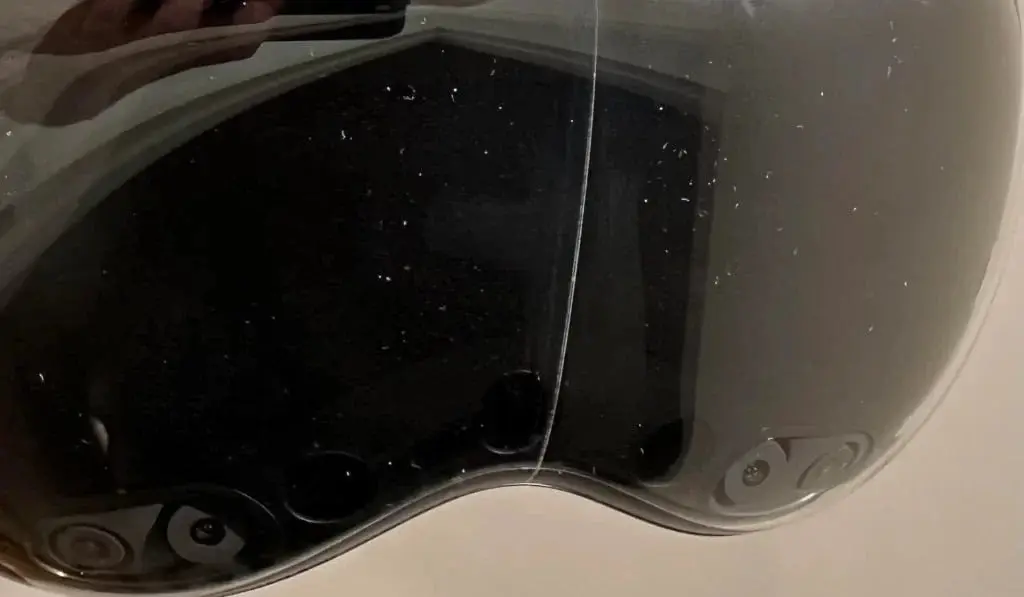
    Recently, a small number of Apple Vision Pro users have encountered a puzzling issue where the glass on their devices cracked overnight, without any apparent cause. These incidents, shared by users on Reddit, reveal a surprising development for Apple’s high-tech headset. Some of the photos posted showcase a clean split across the glass, particularly around the nose bridge area, stirring conversations about the durability of these devices.

    Concerns and Speculations

    The cases, though few, have caught the attention of tech enthusiasts and raised questions about potential manufacturing flaws. One particular user highlighted that when they reached out to Apple regarding the damage, they were informed about a hefty $800 repair cost, which could be reduced to a $300 deductible under AppleCare.

    Image Credits: u/inphenite on Reddit

    Mixed Reactions and Apple's Response

    This situation presents a dual-edged sword for Apple. On one hand, the number of reports is minuscule compared to the estimated 200,000 units sold, suggesting that this might not be a widespread issue. On the other hand, it underscores the importance of robust quality control and the need for a fair and accommodating customer service response to unforeseen problems.

    Conclusion and Future Steps

    It’s crucial to approach such reports with a balanced perspective, recognizing the significance of each complaint while also considering the overall reliability of the product based on the vast majority of user experiences. For now, these reports serve as a reminder of the complexities and challenges in manufacturing cutting-edge technology. As more information comes to light, it will be interesting to see how Apple addresses these concerns and whether any steps will be taken to prevent such incidents in the future.

  • Using Apple Vision Pro While Driving: 1 in 5 Americans Support the Concept

    Using Apple Vision Pro While Driving: 1 in 5 Americans Support the Concept

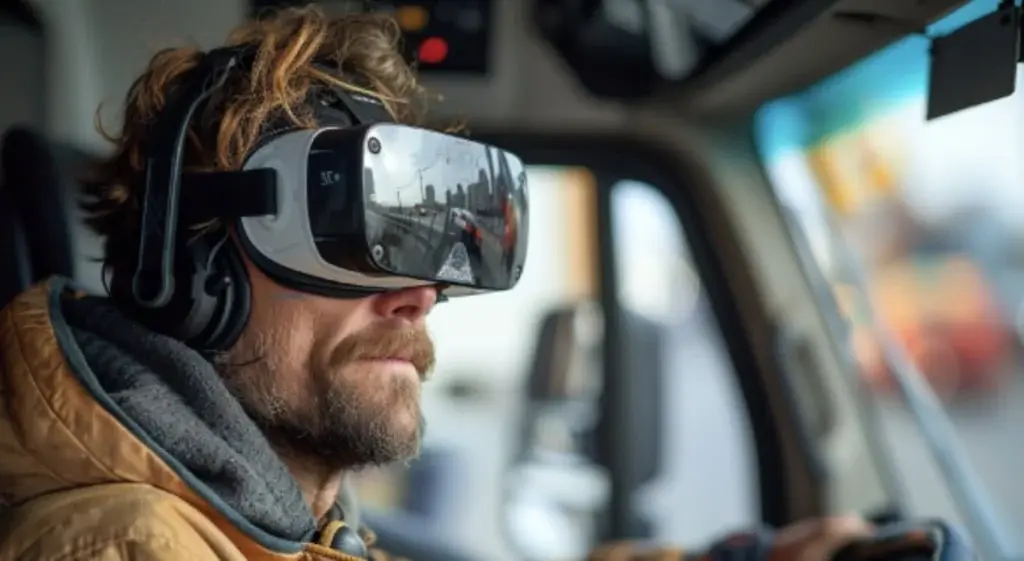
    With virtual and augmented reality (AR) technologies gearing up to transform passenger experiences, things should seem more exciting. Yet, as these advancements edge closer to everyday reality, concerns about safety, particularly with devices like the Apple Vision Pro, are steering the conversation.

    A comprehensive survey sheds light on American attitudes toward AR technology in vehicles, focusing on the implications for self-driving cars. Here’s what emerged from the views of 1,000 Americans and 105 truck drivers.

    Safety Concerns and Interest in Apple Vision Pro

    A significant majority, three in five Americans, express deep concerns about the safety risks posed by drivers—or more aptly, riders—of self-driving cars who might use the Apple Vision Pro. Despite these safety apprehensions, a surprising one in five are intrigued by the prospect of using the device themselves in an autonomous vehicle.

    Call for Legislative Action

    The demand for legislative action is loud and clear, with 80% of respondents emphasizing the necessity for explicit laws and guidelines governing the use of AR devices like the Apple Vision Pro in self-driving cars. This sentiment spans generations, though baby boomers show the most concern for regulation.

    Trucking Community’s Perspective

    The trucking community, often the first to encounter the realities of road innovation, mirrors the general public’s sentiments. While nearly 60% were unaware of the use of AR devices by drivers of autonomous vehicles, the same ratio—three in five—signals a serious apprehension towards the safety implications. Still, a notable fraction, one in four truckers, remains open to the idea, highlighting a blend of caution and curiosity that characterizes the industry’s approach to technological advancements.

    The survey reveals a generational divide in attitudes towards AR in autos. Baby boomers show the greatest concern for safety and the need for regulation, while Gen Z’s worries are less pronounced. Conversely, Gen Xers display a relatively higher willingness to embrace the technology, with Gen Zers showing the least interest in wearing the Apple Vision Pro while at the wheel of a self-driving car.


    This survey was conducted on 1000 Americans and 105 truck drivers.

  • Luxury Airline Beond to Introduce Apple Vision Pro on Flights

    Luxury Airline Beond to Introduce Apple Vision Pro on Flights

    Beond Airlines, a newly established luxury airline, has created a buzz in the aviation industry by being the first airline to introduce Apple Vision Pro headsets for select passengers, elevating the inflight entertainment experience through cutting-edge technology.

    A Luxurious Upgrade

    Tero Taskila, the Chairman and CEO of Beond Airlines, has unveiled this groundbreaking move, emphasizing the airline's dedication to delivering a premium travel experience from beginning to end.

    The Apple Vision Pro, with a starting price of $3499, boasts advanced features such as the M2 chip for computing and the R1 chip for processing data from various lenses, sensors, and microphones. These components work together to offer a seamless and immersive mixed reality content viewing experience.

    Innovative Travel Entertainment

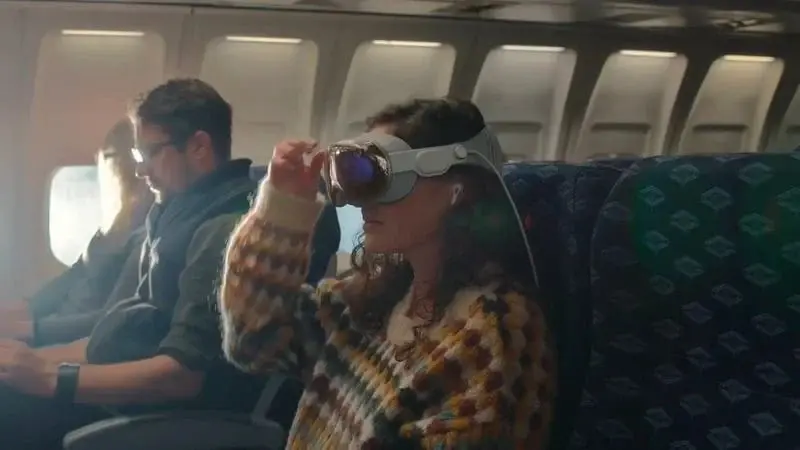
    Tailored by Apple with a travel mode designed specifically for air travel, the Vision Pro allows passengers to indulge in movies on a large virtual screen, enhancing the enjoyment and privacy of long-haul flights. This unique feature has been lauded for its potential to significantly improve passenger comfort and entertainment during flights.

    Beond Airlines intends to leverage the Vision Pro to not only present regular content but also showcase captivating visuals of resort destinations and activities in the Maldives, building anticipation and excitement among passengers before they reach their destination.

    Future Plans

    Scheduled to launch in July 2024, this service coincides with Beond Airlines' plans to expand flight services from key cities worldwide to Malé, Maldives, offering fully flat seating configurations for an unparalleled travel experience.

    However, the specifics of which passengers will be eligible for the Vision Pro experience have not been clarified by Beond, sparking speculation. Additionally, concerns regarding hygiene may arise with shared headsets, particularly in a post-pandemic environment.

    The response to the Apple Vision Pro from users, critics, and the public has been varied. While some individuals are returning their headsets due to comfort issues and skepticism about its everyday utility, complaints have surfaced about discomfort, headaches, motion sickness, and doubts about practicality.

    Despite these challenges, the inclusion of Apple Vision Pro on Beond flights marks a significant milestone in the advancement of inflight entertainment, offering passengers an unparalleled level of immersion and customization in their travel adventures.

  • An Affordable Alternative to the Apple Vision Pro Gains Popularity in China Under $300

    An Affordable Alternative to the Apple Vision Pro Gains Popularity in China Under $300

    Let’s be honest, Apple’s Vision Pro headset is one of the hottest topics in tech right now. While enthusiasts in many parts of the world wait eagerly for the delivery of the headset, another mixed-reality headset is slowly surfacing. A Shenzhen-based company, EmdoorVR, is offering a more wallet-friendly alternative. Named Vision SE, this device draws heavily on the design cues of Apple‘s much-discussed headset but at a fraction of the cost.

    EmdoorVR’s Vision SE: A Budget-Friendly Alternative

    EmdoorVR’s CEO, Shi Qing, sees this as a smart move to catch the wave of interest Apple has created, despite the slight slowdown in the VR and AR sectors. The Vision SE, while resembling Apple’s offering in looks, cuts down significantly in capabilities and price. For around $280, users get to experience VR and AR through a decently specced 5.5-inch display, though without the sophisticated features like eye tracking and hand-gesture controls that the $3,499 Apple Vision Pro boasts.

    Similarities and Distinctions

    Shi acknowledges the similarities between the two devices, which has even earned the Vision SE a playful nickname online, linking it to Shenzhen’s reputation for tech imitations. However, he assures that all legal bases are covered with patents and audits to avoid any issues.

    Challenging Times for the AR and VR Industry

    The backdrop to this launch is a challenging year for the AR and VR industry, with a reported decline in shipments and economic pressures affecting both consumers and businesses. Yet, with giants like Apple and Meta introducing new devices, there’s renewed optimism for growth in the sector.

    EmdoorVR, which began by making VR devices for other companies, sees the Vision SE as its entry into the consumer market. This strategy seems timed to ride on Apple’s launch, with the Vision SE launching just as the tech world is on and on about the Vision Pro.

    Adapting to a Changing Landscape

    Apple’s move into VR and AR is drawing more developers and possibly altering how we interact with digital content. For EmdoorVR, the immediate goal is survival in a competitive atmosphere, and more so, adapting to these changes. Let us wait and see how that turns out for the China-based company.

  • Introducing TikTok’s Apple Vision Pro Native App: A Sleek and Impressive Interface

    Introducing TikTok’s Apple Vision Pro Native App: A Sleek and Impressive Interface

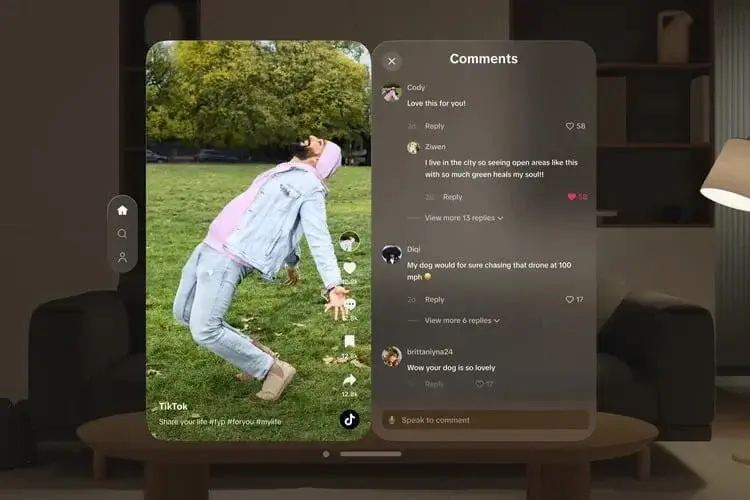
    TikTok has recently launched a new app for Apple’s Vision Pro headset, bringing the popular video platform into the realm of augmented reality. This move allows users to enjoy TikTok in a way that is familiar yet takes full advantage of the capabilities of the Vision Pro.

    The Familiar Layout with Additional Windows

    The app’s layout closely resembles the mobile version, complete with videos playing vertically and buttons for liking, commenting, and sharing. However, TikTok has optimized the layout for the Vision Pro, making it easier to view comments and creator information without obstructing the video.

    Designed for the Vision Pro

    TikTok had previously announced its plans to develop an app specifically for the Vision Pro. The app is designed to allow users to watch videos either with a view of the real world or in a completely virtual space, such as on the moon. Additionally, it is designed to seamlessly integrate with other apps on the headset.

    A Cautionary Approach from Streaming Giants

    While TikTok is diving headfirst into augmented reality, other major streaming platforms are taking a more cautious approach. Disney, for example, fully supports Vision Pro users by offering movies in 3D. Similarly, Amazon Prime Video has also joined the bandwagon. However, Netflix and YouTube have chosen to stick to the basics, suggesting users watch through the browser. Although, YouTube might consider developing an app for the Vision Pro in the future.

  • Meta Quest 3: Zuckerberg Claims Superiority over Apple Vision Pro as MR Headset

    Meta Quest 3: Zuckerberg Claims Superiority over Apple Vision Pro as MR Headset

    Mark Zuckerberg, CEO of Meta, has ignited a debate in the mixed reality space by asserting the superiority of Meta’s Quest 3 headset over Apple’s Vision Pro in a recent Instagram video. Zuckerberg’s comparison highlights several key advantages of the Quest 3, including its affordability, comfort, and immersive capabilities. His remarks underscore Meta’s ambition to dominate the mixed reality market and challenge Apple’s stronghold in the realm of cutting-edge technology.

    Zuckerberg explains how the Meta Quest 3 is a better product than the Apple Vision Pro

    In the video, Zuckerberg emphasizes the Quest 3’s affordability, being priced nearly one-seventh of Apple’s Vision Pro. Despite the stark price difference, the Meta Quest 3 manages to deliver high-quality passthrough on large screens, he says, rivaling the capabilities of its Apple counterpart. Moreover, Zuckerberg praises the Quest 3’s lightweight design, shedding 120 grams compared to the Vision Pro, and its wireless functionality, providing users with unrestricted movement.

    A key point of distinction highlighted by Zuckerberg is the Quest 3’s superior visual clarity and wider field of view

    Contrasting with the motion blur experienced with the Vision Pro. Additionally, the Quest 3 boasts precision controllers and hand tracking, with Zuckerberg noting the enhanced precision of the Quest’s hand tracking feature. The extensive library of immersive content available on the Quest platform further solidifies its appeal, offering users a diverse range of experiences, from gaming to multimedia consumption.

    Zuckerberg’s critique extends beyond the technical specifications

    Delving into philosophical considerations of product design and market dynamics. He appreciates Apple’s decision to put a higher resolution display but disagrees with the ones that take away users’ comfort. He also advocates for Meta’s open model approach to the Mixed Reality space and assures that he will go to his absolute limits to let Meta Quest’s open model approach dominate the MR space. Drawing parallels with past industry trends, Zuckerberg suggests that while Apple may excel in certain product categories, the future of mixed reality may favor Meta’s open model, akin to Microsoft’s dominance during the PC era.

  • First software update for Apple Vision Pro introduces passcode reset capability

    First software update for Apple Vision Pro introduces passcode reset capability

    Following its recent launch, Apple has released the first software update for the Vision Pro headset. The update, visionOS 1.0.3, arrives two weeks after the previous 1.0.2 version which was released before the headset launch.

    Resetting Passcode Made Easier

    While Apple doesn’t disclose all the fixes in this update, it targets a significant issue and includes general bug fixes.

    The most notable change in the visionOS 1.0.3 update is the ability to reset a forgotten passcode. Previously, users who forgot their Vision Pro passcode had no recourse other than visiting an Apple store for a reset. Now, if the incorrect passcode is entered enough times, the headset will offer the option to erase the device.

    This feature provides additional convenience and control for Vision Pro users. Apple maintains security by keeping the Activation Lock in place; erasing the headset won’t bypass the requirement for the owner’s Apple ID.

    Important Bug Fixes

    Apple’s release notes simply state that the update includes “important bug fixes”. The specific bugs that have been addressed aren’t publicly detailed.

    Vision Pro owners can download and install the update directly on their headset. Navigate to the Settings app and locate the Software Update section to begin the process.

    Keeping Your Vision Pro Up to Date

    As with any device, keeping your Vision Pro software updated is important to ensure you have the latest features, bug fixes, and security enhancements that Apple provides.

    First software update for Apple Vision Pro introduces passcode reset capability
  • Despite high sales, Apple’s Vision Pro headset receives mixed reactions

    Despite high sales, Apple’s Vision Pro headset receives mixed reactions

    When Apple unveiled its Vision Pro headset, reactions from users were varied. Initial rumors suggested that the product might struggle to meet sales expectations, but the reality turned out differently.

    Impressive Sales Figures

    The spatial computing headset, blending very close to augmented reality, has enjoyed considerable success since its launch, despite its hefty price tag of $3,499. During the pre-sale period alone, approximately 200,000 units were sold. However, along with its popularity, some users have engaged in risky behavior, such as wearing the headset while driving, prompting concerns about safety.

    Omar Shahine shares his experience with the Apple Vision Pro

    Head of Microsoft Word shares his experience using Apple’s VR headset on flight

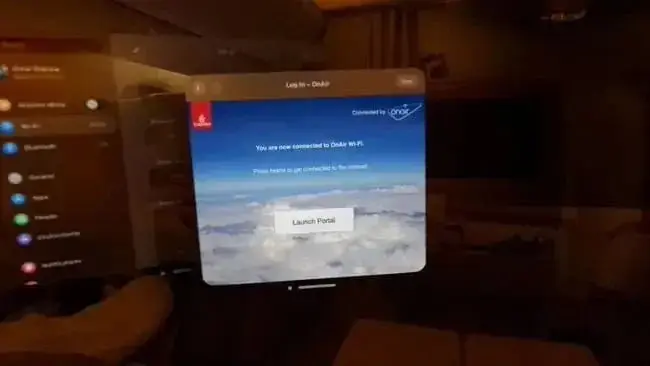
    Omar Shahine, the head of Microsoft Word, recently shared his firsthand experience using Apple’s VR headset during a lengthy flight from Seattle to Dubai. He lauded its versatility, noting how it transformed the entire cabin into a personalized entertainment hub. Omar expressed his preference for the Vision Pro over traditional in-flight entertainment systems, citing its superior interface and immersive experience.

    Drawbacks and Cost-effectiveness

    Despite its acclaim, Omar highlighted some drawbacks of the Vision Pro, including its weightiness and tendency to cause eye fatigue over extended use. He opted to enhance his audio experience with AirPods Pro during flights, finding them more comfortable than AirPods Max when paired with the already bulky headset.

    However, Omar underscored the cost-effectiveness of the Vision Pro compared to a high-end home entertainment setup. He emphasized its superior performance and entertainment value, despite acknowledging the need for gradual adjustment to its physical discomfort.

    In conclusion, Apple’s Vision Pro headset has made a significant impact in the tech industry, boasting impressive sales figures and garnering praise for its innovative features. However, user experiences have been mixed, with some embracing its immersive capabilities while others grapple with its physical discomfort.

  • Apple Vision Pro: the journey to iPad Killer may span four generations

    Apple Vision Pro: the journey to iPad Killer may span four generations

    Apple‘s recently launched mixed-reality headset, Vision Pro, has generated buzz for its potential to revolutionize interaction and entertainment. However, according to Bloomberg’s Mark Gurman, its journey to becoming a true game-changer might be longer than some anticipate.

    Apple Vision Pro is not a polished product yet

    Gurman’s sources within Apple’s Vision Products Group reportedly believe the device is far from its “ideal form” and could require four generations of refinement before truly exceeding customer expectations for everyday use. While the exact definition of this “ideal form” remains unclear, concerns from early adopters offer some clues.

    Headset weight, battery life, app scarcity, and software bugs plague the current iteration

    Users find extended wear uncomfortable, and the limited app ecosystem hinders its versatility. Gurman draws parallels to Apple’s historical approach, suggesting four generations of improvement similar to the iPhone, iPad, and Apple Watch could propel Vision Pro to eventually replace the iPad.

    Views align with Elon Musk’s perspective

    The views also align with Elon Musk’s perspective, which he shared last week on X (Formerly Twitter) regarding Vision Pro. According to him, Vision Pro is not great yet, much like the first iPhone. However, in his opinion, the iPhone 3 solved all the issues and became a great device. He believes the case will be very similar to Vision Pro as well.

    Apple’s efforts to make the iPad a Mac replacement haven’t yielded the desired results

    Features haven’t fully bridged the productivity gap, leaving the iPad in a somewhat ambiguous position within the Apple portfolio. He views Vision Pro, at its current $3,500 price tag, as more of a “prototype” funded by early adopters than a polished consumer product.

    Potential and limitations of Vision Pro

    Despite its limitations, Vision Pro exhibits potential. Its capabilities in video streaming, light work, and entertainment are promising, offering an alternative for traditional iPad users seeking a more immersive experience. However, the weight, battery life, and app availability limitations hold it back.

    Gurman urges potential buyers to exercise caution, highlighting the potential pitfalls of investing in an unfinished product. He stresses the importance of waiting for substantial software improvements and hardware refinements before considering Vision Pro a viable consumer option.