Tag: AMD Ryzen AI Max+ 395

  • Aoostar Nex395 Mini-PC Launch with AMD Ryzen AI Max+ 395, 128GB RAM

    Aoostar Nex395 Mini-PC Launch with AMD Ryzen AI Max+ 395, 128GB RAM

    Key Takeaways

    1. Aoostar has launched the EG02 eGPU dock, priced at $469 on Amazon, alongside an update to its Maco mini-PC.
    2. The Nex395 mini-PC has been redesigned for a more streamlined appearance, moving away from its previous flashy design.
    3. The Nex395 will feature an AMD Ryzen AI Max+ 395 APU and support up to 128 GB of RAM.
    4. It will include a Radeon 8060S integrated GPU, offering performance comparable to other mini-PCs like the GMKtec EVO-X2 and Asus ROG Flow Z13.
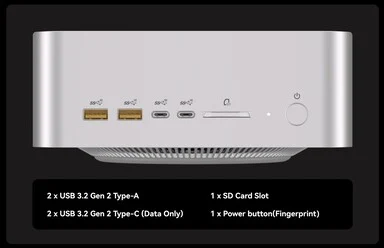
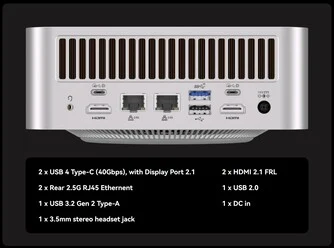
    5. The Nex395 will have two USB4 ports, enhancing connectivity options.


    Aoostar has unveiled its new EG02 eGPU dock following an update to its Maco mini-PC earlier this month, which is currently priced at $469 on Amazon. In addition to this, the company has resumed teasing the Nex395, a mini-PC that was first introduced back in July.

    Redesigned Appearance

    From what we’ve observed, Aoostar has made some subtle changes to the Nex395 since its summer debut. The mini-PC previously had a design similar to Aoostar’s XG76 and XG76XT eGPUs, featuring a square body and noticeable cutouts for improved cooling. Now, the Nex395 sports a more streamlined appearance, moving away from some of its earlier flashy design elements.

    Impressive Specs

    The Nex395 will keep the AMD Ryzen AI Max+ 395 APU that Aoostar plans to offer with up to 128 GB of RAM. Furthermore, it will come with a Radeon 8060S integrated GPU, making it comparable in performance to the GMKtec EVO-X2 we reviewed in September and Asus’ latest ROG Flow Z13 that uses the same Strix Halo APU as its mini-PC competitors. Listed as ‘coming soon’, Aoostar has also confirmed that the Nex395 will feature a second USB4 port on the back, in addition to the one shown in the company’s recent teaser image.


    Source:
    Link



  • Abee AI Station: Powerful AMD Ryzen AI+ Max 395 Mini-PC with 128GB RAM

    Abee AI Station: Powerful AMD Ryzen AI+ Max 395 Mini-PC with 128GB RAM

    Key Takeaways

    1. Abee has launched the AI Station mini-PC, powered by the AMD Ryzen AI+ Max 395 APU, with a price of approximately $2,525 in China.
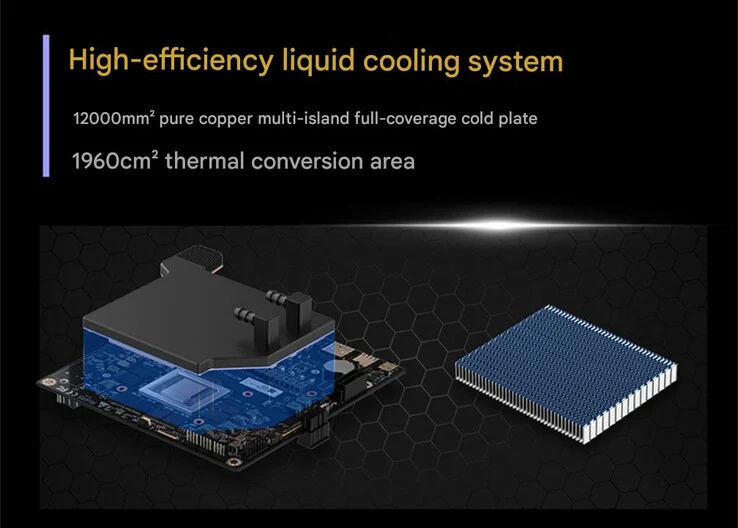
    2. The AI Station features a unique in-house liquid cooling system with dual 92 mm fans and a custom radiator for enhanced cooling performance.
    3. It includes 128 GB of RAM, 2 TB of storage, and has a compact design measuring 199 x 199 x 199 mm, weighing 5.3 kg.
    4. The mini-PC maintains a low noise level of about 35.1 dB(A) even under maximum load due to its efficient cooling solution.
    5. There are currently no announcements regarding the availability of the AI Station in international markets.


    Abee has recently unveiled its AI Station mini-PC after a few months of anticipation. This device, revealed during the summer, is powered by the same AMD Ryzen AI+ Max 395 APU that is also found in other premium mini-PCs, such as the GMKtec EVO-X2, which we previously reviewed and is currently priced at $1,699 on Amazon.

    Unique Cooling System

    What sets the Abee AI Station apart from other mini-PCs is its unique in-house liquid cooling system. It employs a pair of 92 mm fans alongside a custom radiator. Just recently, Abee has launched this mini-PC in China, where it is priced at CNY 17,999 (approximately $2,525) and includes 128 GB of RAM and 2 TB of storage.

    Connectivity and Design

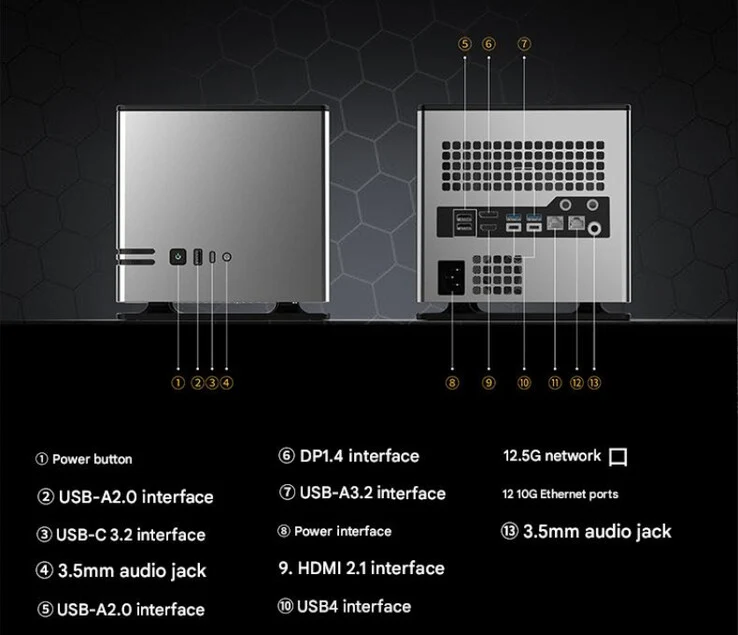
    As depicted in the image below, the Abee AI Station boasts a variety of ports on both its front and back panels. The mini-PC also integrates a 400 W power supply (PSU) within its design. Abee states that the dimensions of the AI Station are a compact 199 x 199 x 199 mm. The all-aluminium casing contributes to an official weight of 5.3 kg, making it a sturdy yet portable option.

    Noise and Cooling Performance

    Abee’s innovative cooling solution is designed to maintain a noise level of approximately 35.1 dB(A) even under maximum load. This efficiency is largely due to a large cold plate that covers a significant portion of the motherboard. However, it remains unclear whether Abee has plans to introduce the AI Station to international markets in the future.

    Source:
    Link


  • Intel Reduces Open-Source Contributions to Boost Competition

    Intel Reduces Open-Source Contributions to Boost Competition

    Key Takeaways

    1. Intel may shift away from open-source contributions unless they provide a direct competitive advantage.
    2. The company plans to use open-source software strategically rather than for collaborative purposes.
    3. Intel’s decision to discontinue Clear Linux reflects its changing approach to open-source engagement.
    4. This shift highlights Intel’s ongoing struggles to compete with AMD and Nvidia amid technical challenges.
    5. Recent job cuts at Intel have impacted teams responsible for Linux kernel driver maintenance, complicating its open-source strategy.


    Intel has been known for its active role in the open-source community, contributing to initiatives like the RISC-V architecture and providing open-source Linux drivers for both its Arc integrated GPUs and the more recent gaming-oriented discrete GPUs. However, reports from Phoronix suggest that this trend is about to change, as indicated by comments from Kevork Kechichian, the executive vice president and general manager of Intel’s Data Center Group.

    Shift in Contribution Philosophy

    Kechichian mentioned that Intel will likely stop supporting open-source projects unless those contributions directly benefit the company and provide a competitive advantage over rivals. He stated, “We need to find a balance where we use [our open-source software] as an advantage to Intel and not let everyone else take it and run with it.”

    “We take pride in our open-source contributions. We will continue to do this. But as I said, it needs to give us an edge against everyone else.” – Kevork Kechichian (via Phoronix)

    A New Approach to Open Source

    Additional remarks from the Intel executive suggested that the company may not participate in open-source projects if it believes those contributions could aid competitors. This announcement follows Intel’s decision in July to discontinue Clear Linux, a performance-focused Linux distribution the company had been developing for over a decade. Such a move contradicts the essential spirit of open-source, which promotes the idea that “a rising tide raises all ships,” where all participants benefit from shared contributions.

    With this new approach, it appears Intel aims to leverage the open-source community as a tool to regain its competitive stance rather than engaging in genuine collaboration.

    Struggles in Competition

    Intel’s latest strategy seems to highlight the company’s ongoing challenges in competing with AMD and Nvidia, especially considering Kechichian’s emphasis on maintaining a competitive edge. The company has faced numerous setbacks, delays, and technical challenges related to both CPU and GPU designs, as well as its foundry operations. This shift in its open-source strategy appears to be yet another indication of Intel’s struggles, even though there are signs of improvement with the Panther Lake architecture.

    Moreover, these remarks come in the wake of job cuts at Intel that reportedly impacted those responsible for maintaining the company’s Linux kernel drivers. The situation becomes more complex with the heavy reliance on open-source software in various corporate settings, particularly in AI development.

    If you’re looking for a compact Linux gaming solution, Intel may not be your best option. Consider alternatives like the Asus ROG Flow Z13 2-in-1 laptop, which features an AMD Ryzen AI Max+ 395 and is currently priced at $2,169.99 on Amazon.

    Source:
    Link


  • Minisforum M1-1295 Mini-PC: Intel Core i9-12950HX, 64GB RAM

    Minisforum M1-1295 Mini-PC: Intel Core i9-12950HX, 64GB RAM

    Key Takeaways

    1. Minisforum launched the MS-S1 Max with AMD Ryzen AI Max+ 395 APU and the M1-1295 with Intel Alder Lake in a minimalistic design.
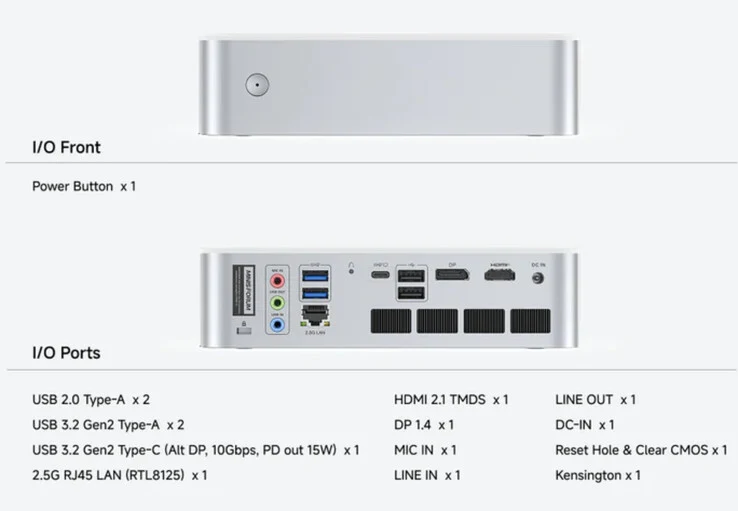
    2. The M1-1295 features only a power button on the front, with all ports located at the back, including four USB ports and three display outputs.
    3. The cooling system includes a single turbofan and copper heat pipe, with perforations on the sides for improved airflow.
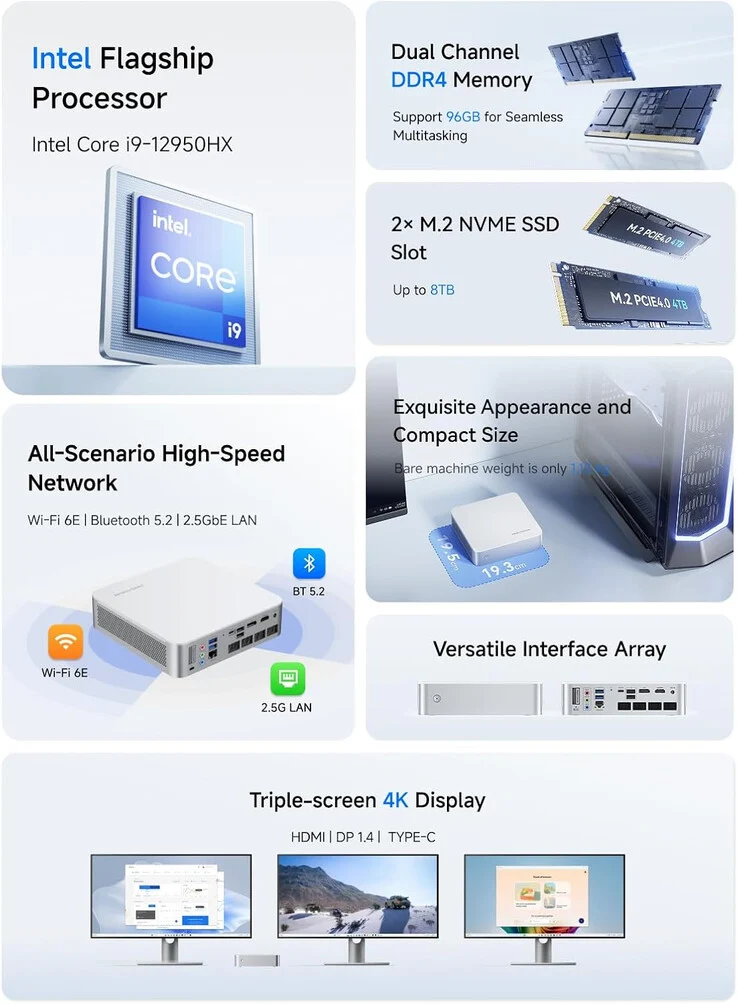
    4. The M1-1295 is powered by a Core i9-12950HX CPU, which has 16 cores and 24 threads, performing slightly behind the Ryzen AI counterparts in benchmarks.
    5. The M1-1295 is priced at $469 for a preconfigured model with 32 GB RAM and a 1 TB SSD, with a future barebones version expected to be around $329.


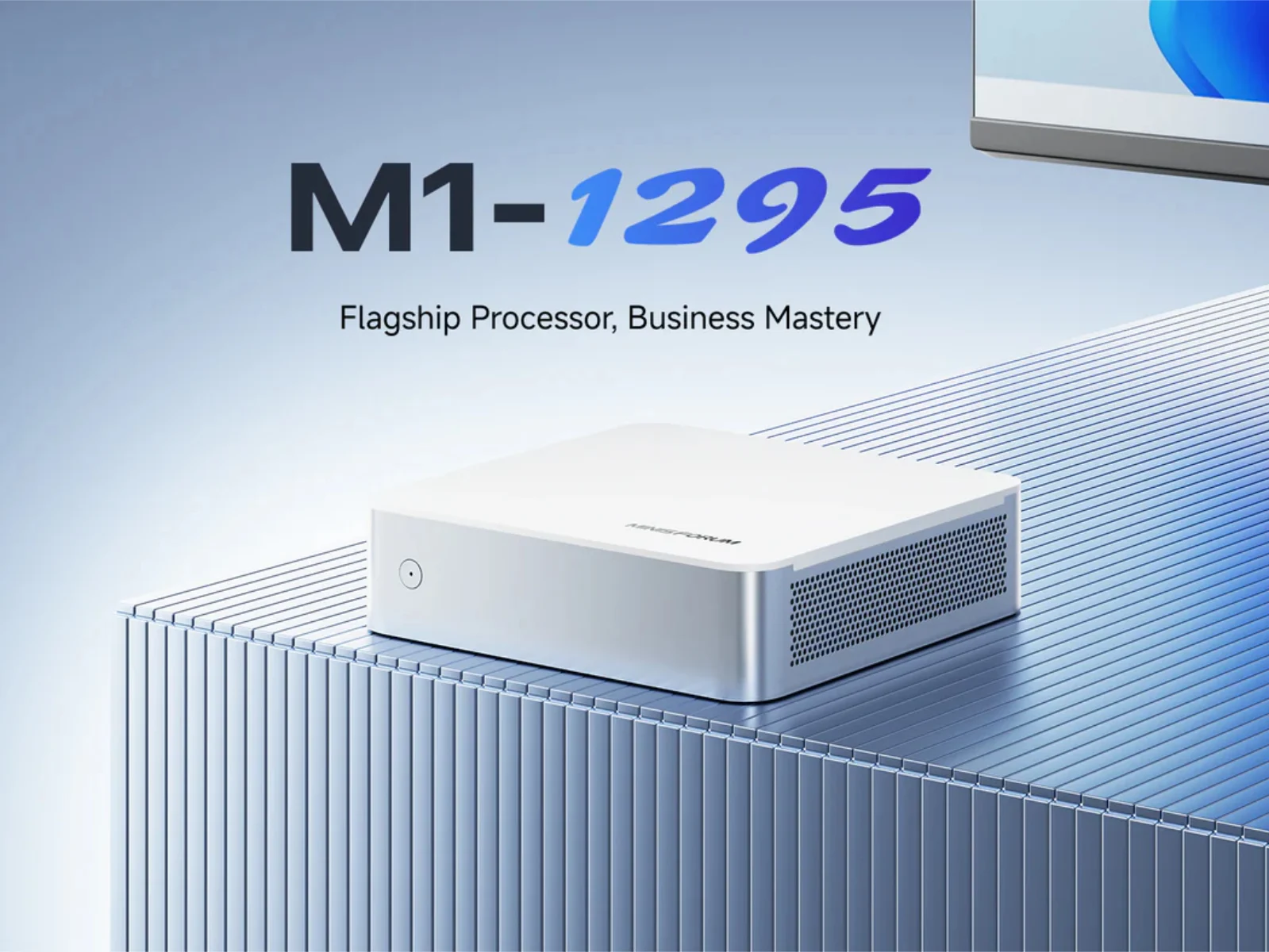
    Minisforum has introduced the MS-S1 Max featuring the AMD Ryzen AI Max+ 395 APU. In addition, they have quietly launched the M1-1295, which is based on Intel’s Alder Lake but has a very minimalistic design. Unlike many modern mini-PCs, the M1-1295 doesn’t display any ports on its front, opting instead for a plain silver box look.

    Design and Connectivity

    The only feature on the front is a small power button, with all connectivity options located at the back of the unit. As shown in the image below, the M1-1295 is equipped with four USB ports, a 2.5 Gigabit LAN port, three display outputs, and dedicated mic and line-in/out inputs. The dimensions of the device are 195 x 193 x 52 mm, and it weighs in at 1.12 kg.

    Cooling System

    To improve airflow for its single turbofan and copper heat pipe cooling system, Minisforum has made perforations on both the left and right sides of the mini-PC. The M1-1295 is powered by the Core i9-12950HX, featuring a 16-core and 24-thread CPU, which falls slightly behind the Ryzen AI 9 HX 370 in benchmark tests and trails the Ryzen AI Max+ 395 by a noticeable margin.

    Pricing and Configuration

    Currently, the M1-1295 is available as a preconfigured mini-PC, which includes 32 GB of RAM and a 1 TB SSD, priced at $469 if bought directly or $579 on Amazon. However, it can support up to 64 GB of DDR4-3200 RAM. Eventually, Minisforum plans to offer a barebones version for around $329.

    Source:
    Link


  • AMD Ryzen AI Max+ 395 Powers Fastest Mini PCs Available

    AMD Ryzen AI Max+ 395 Powers Fastest Mini PCs Available

    Key Takeaways

    1. Most laptops with AMD Zen 5 CPUs target a TDP of 45 W to 65 W, except for the Ryzen AI Max+ 395, which targets 120 W for better performance.
    2. The Ryzen AI Max+ 395 outperforms many mini PCs, including the Core i9-14900HX, though it is limited in availability due to cooling requirements.
    3. The integrated Radeon 8060S GPU in the Ryzen AI Max+ 395 is 3 to 3.5 times faster than the Radeon 890M, rivaling mobile GeForce RTX 4060 and RTX 4070.
    4. Mini PCs with the Ryzen AI Max+ 395 can effectively run the latest games at 1080p or 1440p resolutions.
    5. While dedicated GPUs offer better graphics performance, they come with larger sizes and higher power consumption compared to the Ryzen AI Max+ 395.


    While the latest laptops often feature AMD Zen 5 CPUs, they usually aim for a TDP between 45 W and 65 W, even those designed for high performance. An interesting exception is the Ryzen AI Max+ 395, which has a target TDP of 120 W for enhanced performance. This CPU is not commonly found in most laptops due to its greater cooling demands, yet it has made its way into some of the fastest mini PCs of 2025.

    Benchmark Performance

    Our benchmarks, alongside the recent assessment of the Framework Desktop, demonstrate that the Ryzen AI Max+ 395 significantly outclasses many other mini PCs in the marketplace, including the Minisforum AtomMan G7 Ti with its Core i9-14900HX. The Minisforum MS-A2 stands out with its quicker Ryzen 9 9955HX; however, it is coupled with a rather sluggish Radeon 610M solution and lacks an integrated NPU.

    Graphic Capabilities

    The integrated Radeon 8060S GPU is where the Ryzen AI Max+ 395 really excels, being approximately 3 to 3.5 times faster than the Radeon 890M. This performance places it between the mobile GeForce RTX 4060 and the mobile RTX 4070. As a result, mini PCs like the Beelink SER9 Pro, Framework Desktop, and BOSGAME M5 are transformed into gaming machines that can handle the latest titles at 1080p or 1440p resolutions.

    Limitations of Dedicated GPUs

    Although mini PCs equipped with dedicated GPUs generally surpass the Ryzen AI Max+ 395 in graphics performance, they are usually larger and consume more power. We look forward to seeing the AMD CPU in a wider variety of mini PCs or high-performance laptops, as it remains quite rare in the current market.

  • SFF Enthusiast Reveals Passively Cooled AMD Ryzen AI Max+ PC

    SFF Enthusiast Reveals Passively Cooled AMD Ryzen AI Max+ PC

    Key Takeaways

    1. The AMD Ryzen AI Max+ 395 is a leading chip with strong performance, featuring a Zen 5-based CPU and integrated graphics that rival mid-range discrete options.
    2. DIY enthusiast TheJiral modified the AMD Ryzen AI Max+ 395 into a fanless system, creating a visually appealing 7.5-liter passively cooled chassis named Monochrome 2.
    3. The Monochrome 2 chassis functions as a large heat sink, capable of dissipating up to 150 watts, which is sufficient for the Ryzen AI Max+ 395 that operates at 100 watts.
    4. Performance testing showed that while the system could handle 100 watts effectively, temperatures exceeded 80°C under heavy load at that power level, prompting adjustments.
    5. The actively cooled GMKTec EVO-X2 featuring the Strix Halo APU is available for $1,999 on Amazon for those interested in this high-performance chip.


    There is no doubt that the AMD Ryzen AI Max+ 395 is currently one of the most discussed chips globally. Featuring a robust Zen 5-based CPU with integrated graphics that can compete with mid-range discrete graphics, the top-tier Strix Halo chip from AMD, which we also praised in our review, offers remarkably impressive performance.

    Innovative Modding

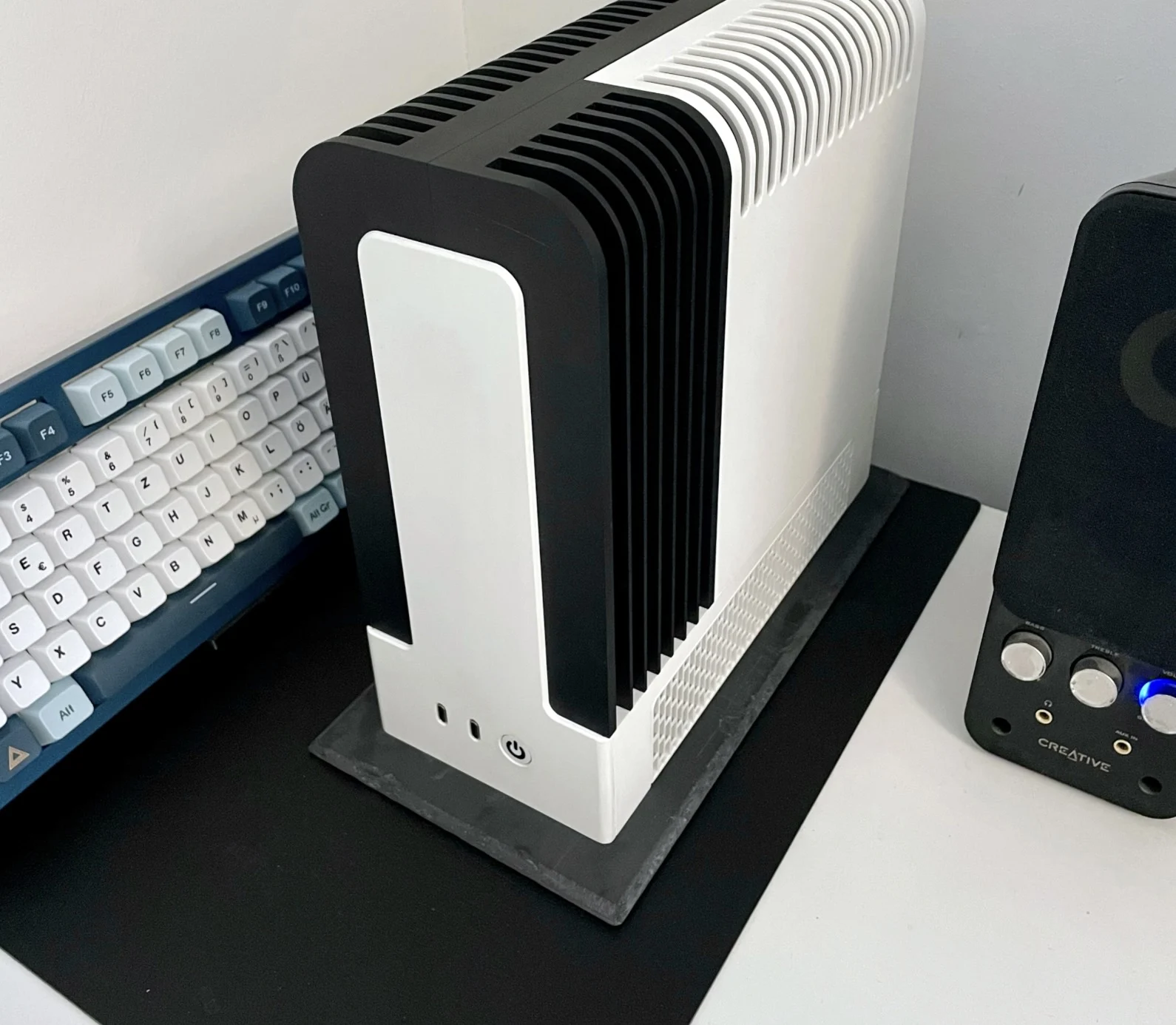
    Naturally, it was just a matter of time before a DIY enthusiast with a knack for fanless technology came up with a modified system. A member of the SFF community, known as TheJiral, appears to have accomplished just that by using the Framework Desktop’s AMD Ryzen AI Max+ 395 “Strix Halo”-equipped motherboard. The end result is a 7.5-liter passively cooled chassis that looks quite appealing, featuring a sleek black-and-white design.

    Efficient Cooling Solutions

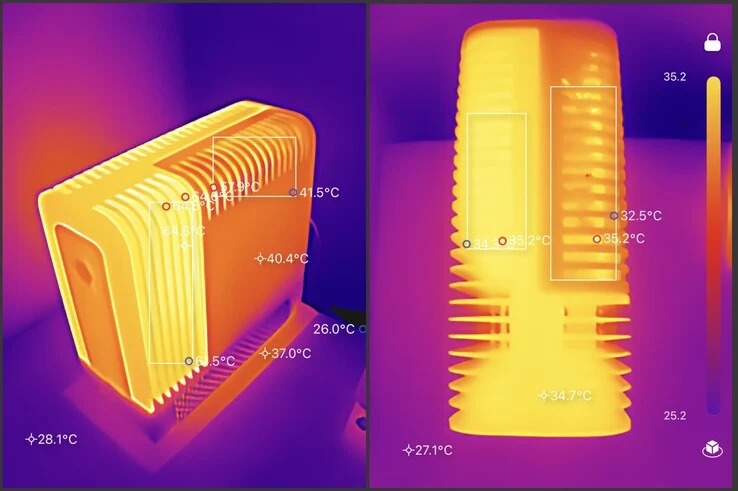
    Managing heat from the AMD Strix Halo is no easy feat, which is why the entire case exterior functions as a large heat sink for the chip. TheJiral asserts that the case, cleverly named Monochrome 2, can dissipate up to 150 watts. This should be more than enough to handle the Ryzen AI Max+ 395 APU, which runs at 100 watts, as temperatures became quite warm at 120 watts and above. The project kicked off two months ago and has recently been marked as finished by the creator. Consequently, the initial benchmarks are in, and they appear quite promising:

    Performance Testing Results

    TheJiral did experiment with the system at 120 and 140 watts but chose to dial it back when temperatures reached 98.8 C after two hours of stress testing. At 100 watts, the system met their expectations, only exceeding 80 C when both CPU and GPU were under load at the same time. To get an idea of the outer case temperatures, check out the image above.

    For those interested in trying the Strix Halo APU, the actively cooled GMKTec EVO-X2 is available for $1,999 on Amazon.

    Source:
    Link


  • Geekom A9 Mega: AMD Strix Halo, 128GB RAM, Ryzen AI Max+ 395

    Geekom A9 Mega: AMD Strix Halo, 128GB RAM, Ryzen AI Max+ 395

    Key Takeaways

    1. Geekom A9 Mega is a mini PC powered by an AMD Stix Halo APU with a sleek design and durable aluminum construction.
    2. It features the AMD Ryzen AI Max+ 395 with up to 16 cores and 32 threads, supporting up to 128 GB LPDDR5X RAM for strong performance.
    3. The device excels in AI tasks with up to 126 TOPS performance, capable of running large models like Stable Diffusion locally.
    4. It offers extensive connectivity options, including USB4, HDMI 2.1, dual 2.5 GB LAN, Wi-Fi 7, and up to 8 TB of SSD storage.
    5. Priced at around $1,899, it comes with Windows 11 Pro, targets power users, and will be showcased at IFA later this year.


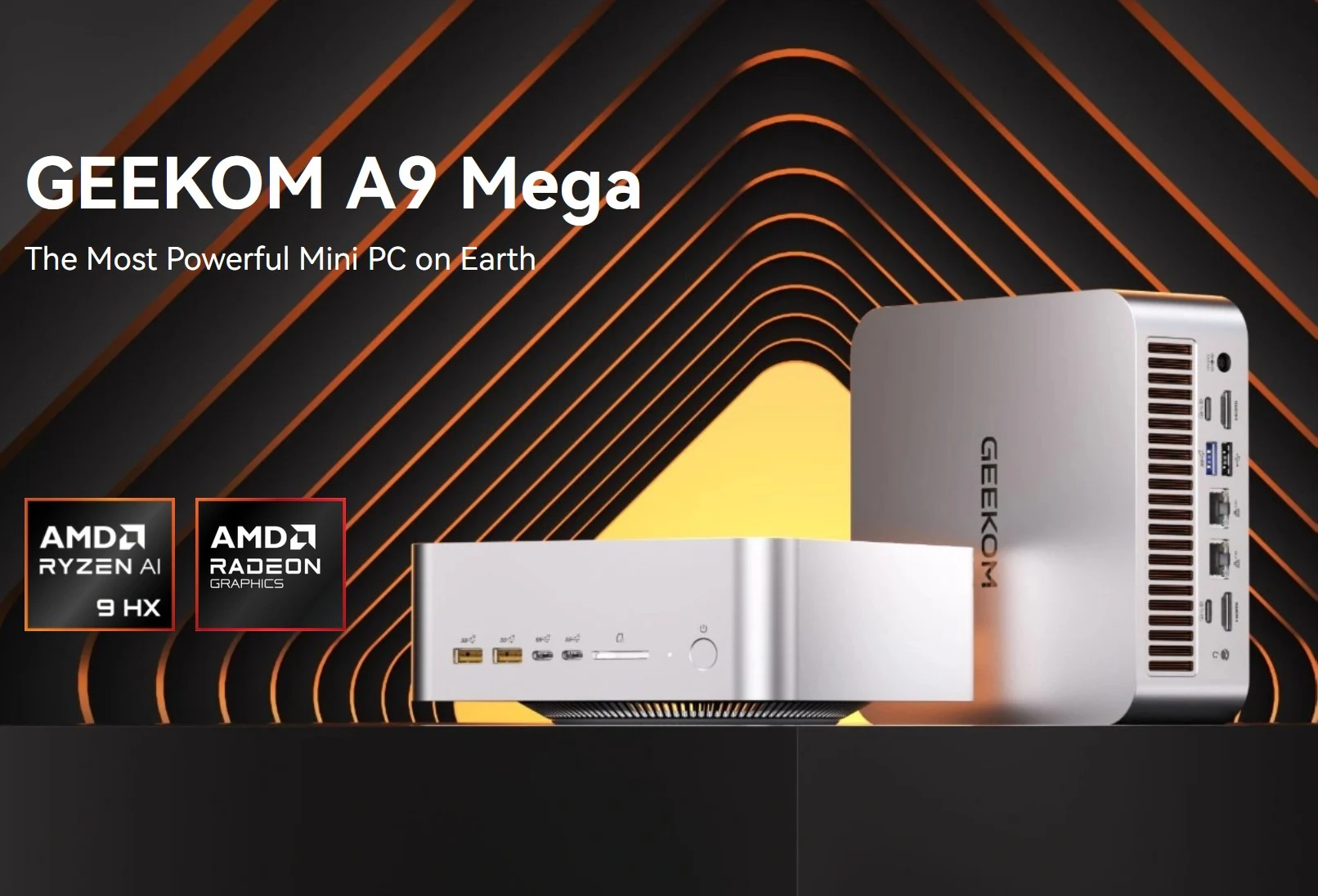
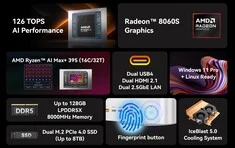
    Geekom has unveiled the A9 Mega, a robust mini PC powered by an AMD Stix Halo APU. This device integrates the capabilities of a high-end desktop into a sleek and compact design. Constructed from durable aluminum and featuring intricate CNC details, it merges top-notch aesthetics with exceptional computing strength. At its core lies the cutting-edge AMD Ryzen AI Max+ 395, which boasts up to 16 cores and 32 threads, along with the option for up to 128 GB LPDDR5X RAM that can be flexibly allocated to the powerful integrated GPU.

    AI Performance Highlights

    One standout feature is its AI capabilities: leveraging the XDNA 2 NPU and achieving a maximum performance of up to 126 TOPS, it can efficiently run large models like Stable Diffusion or LLaMA locally—this is a significant benefit for developers and those engaged in creative tasks.

    Extensive Connectivity Options

    The connectivity options are remarkably diverse. It includes multiple USB ports, two of which support speedy USB4, HDMI 2.1, dual 2.5 GB LAN, and Wi-Fi 7 with Bluetooth 5.4, catering to nearly every use case. Additionally, it supports up to 8 TB of SSD storage and is equipped with a reliable cooling system to maintain stable performance even under heavy load. The cooling unit is specified to handle 120 watts of power dissipation from the AMD Ryzen AI Max+ 395.

    With Windows 11 Pro already installed and compatibility with Linux, the A9 Mega targets power users who desire a compact yet visually striking system. The starting price is around $1,899 USD, which is considerably lower than similar workstations, Mac Studio setups, or the HP Z2 Mini G1a.

    Availability and Viewing Options

    The device will be showcased at IFA, although it is not anticipated to be available until the latter part of the year.

    Source:
    Link


  • Aokzoe Mini PC with Ryzen AI Max+ 395 Launches Globally

    Aokzoe Mini PC with Ryzen AI Max+ 395 Launches Globally

    Key Takeaways

    1. Aokzoe is developing a mini-PC featuring the AMD Ryzen AI Max+ 395 processor, popular for high-performance gaming.
    2. The company plans to launch the mini-PC globally but has not provided specific details about the release date or pricing.
    3. The mini-PC will likely be named the Aokzoe Mini PC.
    4. It will include various ports such as Ethernet, DisplayPort, HDMI, an SD card reader, a 3.5 mm audio jack, and USB Type-C ports.
    5. Aokzoe recently introduced the A1X gaming handheld, featuring advanced specs and priced at $1,749.


    Almost three months ago, Aokzoe hinted at the development of a mini-PC. At that point, they released some product images, but all were taken from the same angle. They also mentioned that this unnamed device would come with the AMD Ryzen AI Max+ 395, which is quickly becoming the favored processor for high-performance gaming mini-PCs, similar to the GMKtec EVO-X2.

    Global Release Plans

    About six weeks later, Aokzoe announced plans to launch its gaming mini-PC worldwide. However, they chose not to provide more details in their Weibo post. Instead, they introduced the A1X gaming handheld, showcasing OCuLink connectivity, an 8-inch VRR display, a 72.7 Wh battery, a Ryzen AI 9 HX 370 APU, and 64 GB RAM, currently priced at $1,749 on Amazon.

    Name and Features

    It appears that Aokzoe has finally decided on a name for its inaugural mini-PC. The device will likely be called the Aokzoe Mini PC, rather than opting for something more creative. Nevertheless, this mini-PC is still expected to launch globally with the Ryzen AI Max+ 395 APU. Furthermore, the company has confirmed that the Aokzoe Mini PC will include rear-facing ports like Ethernet, DisplayPort, and HDMI, along with an SD card reader, a 3.5 mm audio jack, and USB Type-C ports located on the front panel. Sadly, Aokzoe has yet to reveal any details regarding the price or release date for its first mini-PC.

    Awaiting More Information

    Fans are still left wondering about the specifics of when the Aokzoe Mini PC will become available and how much it will cost.

    Source:
    Link
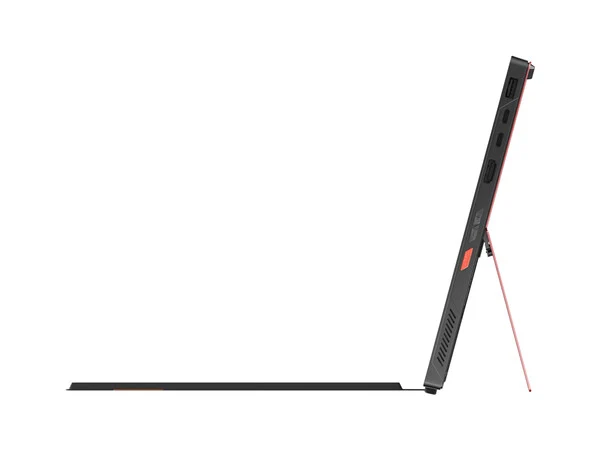


  • GPD Win 5 Beats Nvidia RTX 4060 Laptops with 128GB RAM

    GPD Win 5 Beats Nvidia RTX 4060 Laptops with 128GB RAM

    Key Takeaways

    1. GPD indicates that the Win 5 gaming handheld may be priced lower than expected compared to competitors like the ROG Flow Z13.
    2. The Win 5 features an AMD Ryzen AI Max+ 395 APU, 128 GB of LPDDR5x RAM, and up to 4 TB of storage.
    3. GPD compares the Win 5’s Radeon 8060S iGPU performance to mobile versions of GeForce RTX 4060 and 5050.
    4. The Win 5 is smaller than the Steam Deck, has a 7-inch display, and weighs 915 g with an 80 Wh battery.
    5. The exact price and release date for the Win 5 are still uncertain, with expectations of an October launch.


    Earlier this week, GPD suggested that the price of its upcoming Win 5 gaming handheld might be lower than what many anticipated, especially when compared to the latest ROG Flow Z13, which is currently priced at $2,299 on Amazon. They also released several videos showcasing different features of the Win 5 ahead of its launch.

    Specifications Unveiled

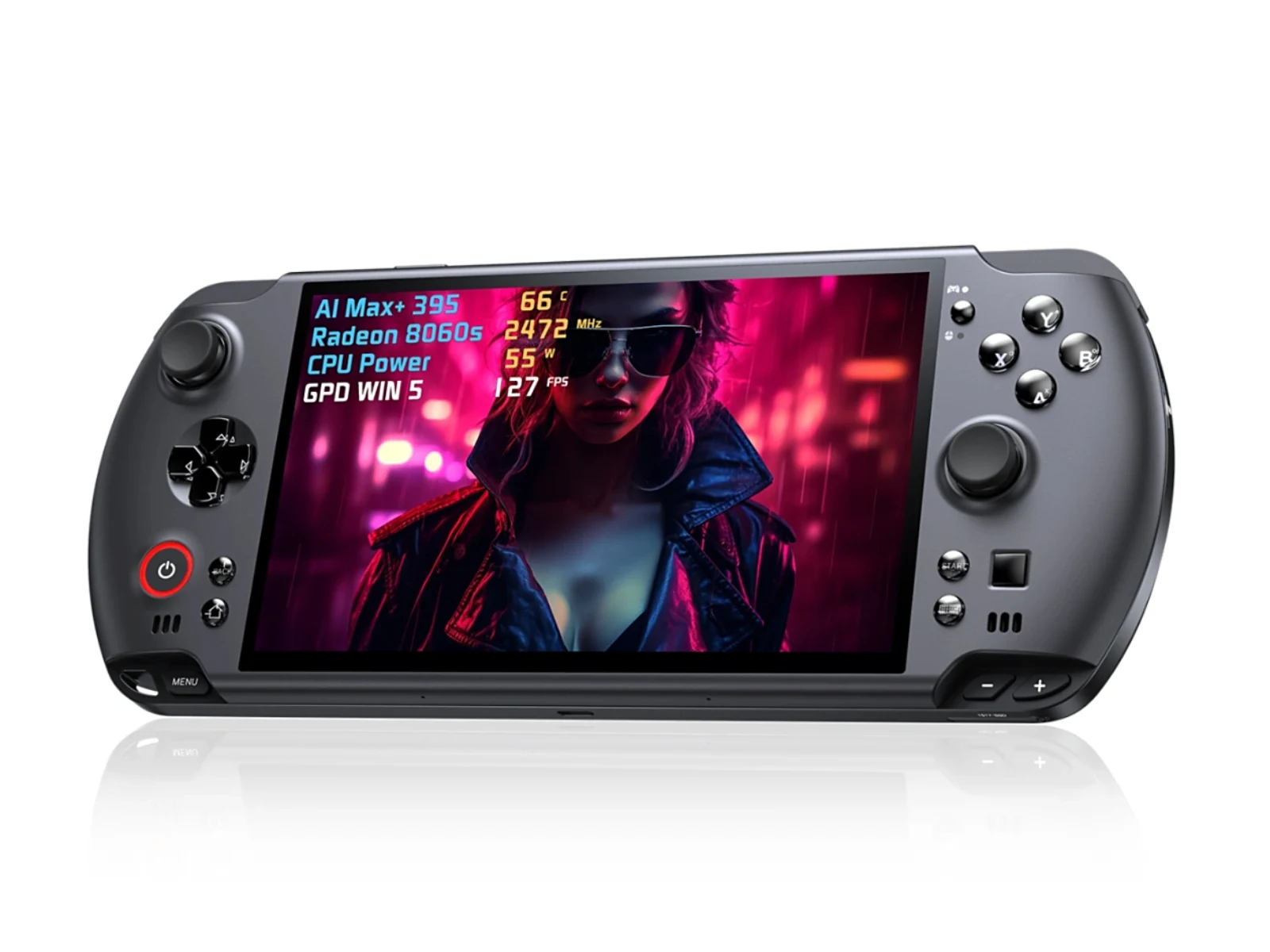
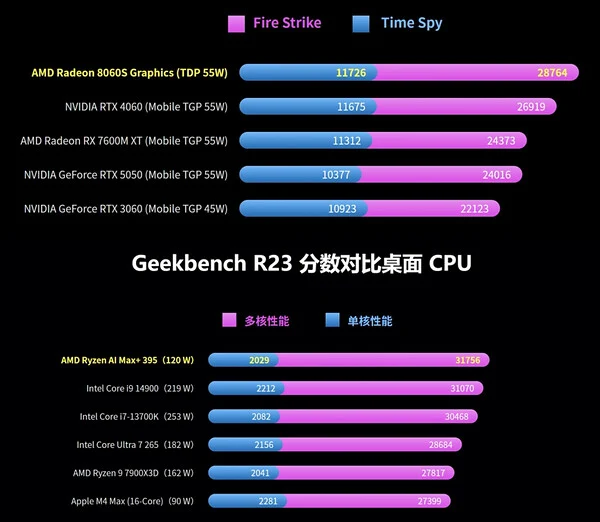
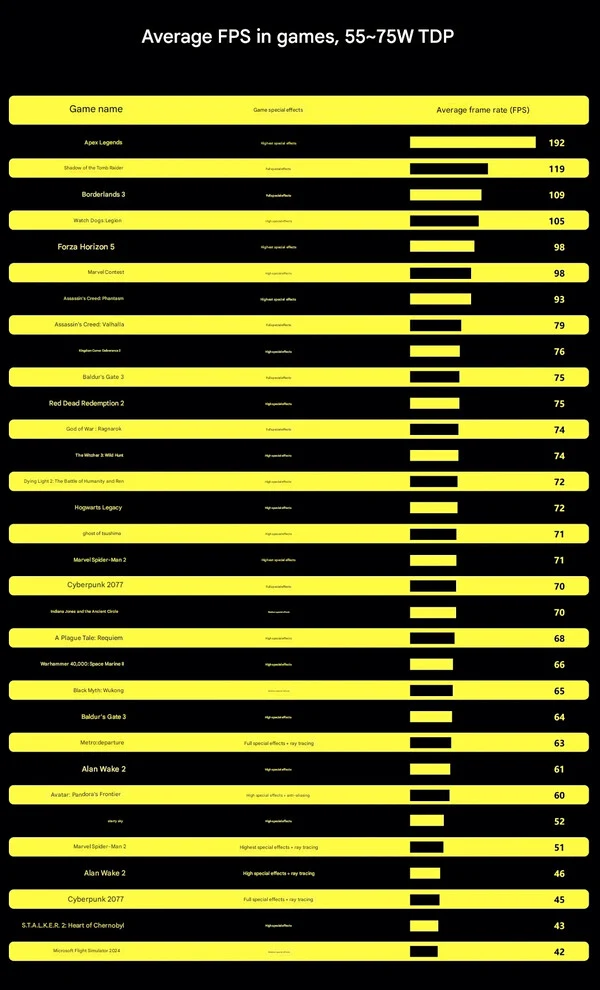
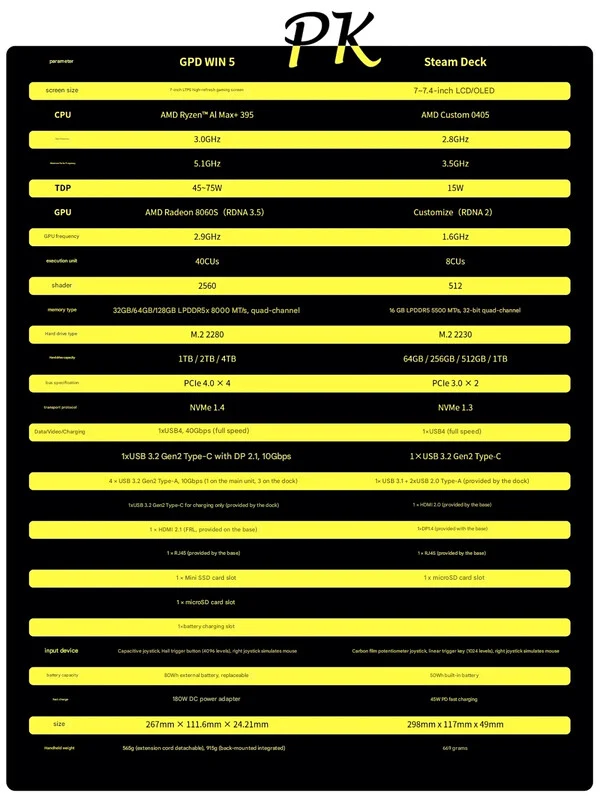
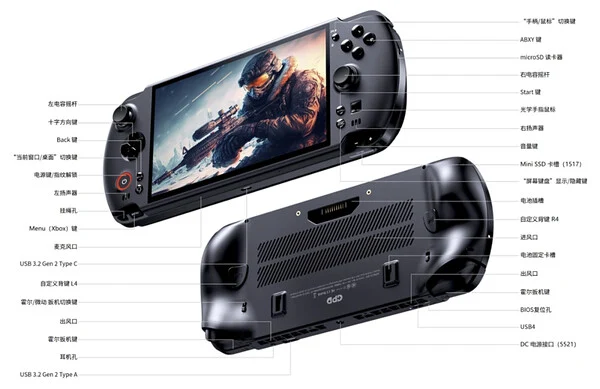
    Now, GPD has provided complete specifications and official benchmark results for the device. As seen in the images below, the GPD Win 5 will offer configurations with an AMD Ryzen AI Max+ 395 APU, 128 GB of LPDDR5x 8000 RAM, and up to 4 TB of PCIe 4.0 x4 storage. Reportedly, the Win 5 can draw up to 120 W from its Ryzen AI Max+ 395 APU, but GPD prefers to compare its Radeon 8060S iGPU to the mobile versions of the GeForce RTX 4060 and GeForce RTX 5050, which operate at 55 W.

    Size and Weight Comparison

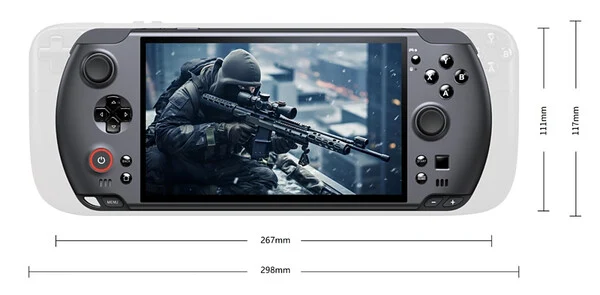
    Additionally, GPD claims that the Win 5 is significantly smaller than the Steam Deck, all while having a 7-inch display and a more robust processor. The official weight of the Win 5, with its attached 80 Wh battery pack, is 915 g. You can check the images below for further details. However, the price of the Win 5 is still uncertain at this point. Previous expectations suggested that the gaming handheld would be launched sometime in October, likely starting on Indiegogo before its release in China.

    Source:
    Link


  • OneXPlayer Super X Set to Outperform Asus ROG Flow Z13

    OneXPlayer Super X Set to Outperform Asus ROG Flow Z13

    Key Takeaways

    1. One-Netbook launched the OneXPlayer Super X in China, featuring AMD’s Strix Halo architecture and Ryzen AI Max+ 395 with a power output of 120 W.
    2. The device will have a global release, following the success of the OneXPlayer X1 series, and an English teaser video has been released.
    3. The OneXPlayer Super X is positioned to compete directly with the Asus ROG Flow Z13, claiming superior resolution and an AMOLED display.
    4. It features a larger battery (83.5 W) and improved storage options with M.2 2280 and mini SSD slots.
    5. The OneXPlayer Super X is expected to launch in October, but pricing and OCuLink connectivity details are still unclear.


    Earlier today, One-Netbook unveiled the OneXPlayer Super X in China. As previously discussed, the company has confirmed that this device is one of the growing range of products utilizing AMD’s Strix Halo architecture with the Ryzen AI Max+ 395. Allegedly, the OneXPlayer Super X can push this APU to 120 W, which is a notable difference from the Asus ROG Flow Z13, currently priced at $2,229 on Amazon.

    Global Release Plans

    One-Netbook has announced that the OneXPlayer Super X will have a worldwide launch, similar to the OneXPlayer X1 series that came before. To support this, the company has released an English version of the teaser video they previously shared in Chinese, which is included below.

    Competition with ROG Flow Z13

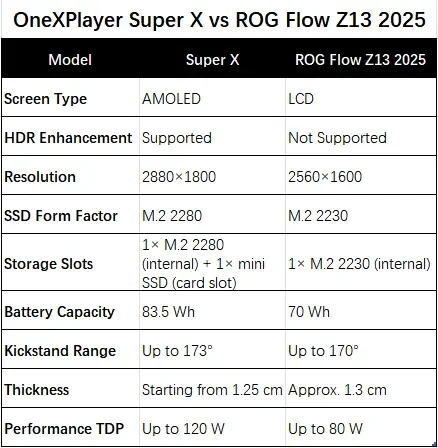
    Furthermore, the company has made it clear to Discord members that the OneXPlayer Super X is designed to directly compete with the latest ROG Flow Z13. If the teaser video didn’t already make this clear, One-Netbook has also shared a concise table that outlines the areas where the OneXPlayer Super X is said to outperform the ROG Flow Z13.

    For example, the OneXPlayer Super X features a better resolution and an AMOLED display compared to the ROG Flow Z13. It is expected to have a 14-inch panel size, considering its display type, resolution, and a larger keyboard accessory than what is offered with the OneXPlayer X1 series. This display will likely consume more power than the 2.5K IPS panel found in the ROG Flow Z13.

    Enhanced Battery and Storage Options

    To address this power demand, One-Netbook has equipped the device with a battery that is 19.2% larger, rated at 83.5 W. Additionally, the OneXPlayer Super X comes with M.2 2280 and mini SSD slots, which is a step up from the M.2 2230 slot in the ROG Flow Z13. As we understand it, this is the same 1517 SSD type made by Biwin, which will also be featured in the GPD Win 5. Currently, One-Netbook is planning to launch the OneXPlayer Super X in October. However, details on pricing and whether the device will include OCuLink connectivity remain uncertain at this time.

    Source:
    Link