
Key Takeaways
1. Memory shortages are affecting gamers’ choices, leading to fewer new game purchases for the Switch 2.
2. NAND flash prices are rising significantly, with a predicted increase of up to 90% this quarter, impacting storage costs.
3. Nintendo is negotiating with retailers to keep expandable storage prices steady, but price increases may still occur in the future.
4. The Switch 2’s storage capacity of 256GB is limiting gamers, causing them to manage files or purchase additional MicroSD Express cards.
5. The situation may lead to a decline in third-party game support due to high storage costs and potential limitations on game card capacities.
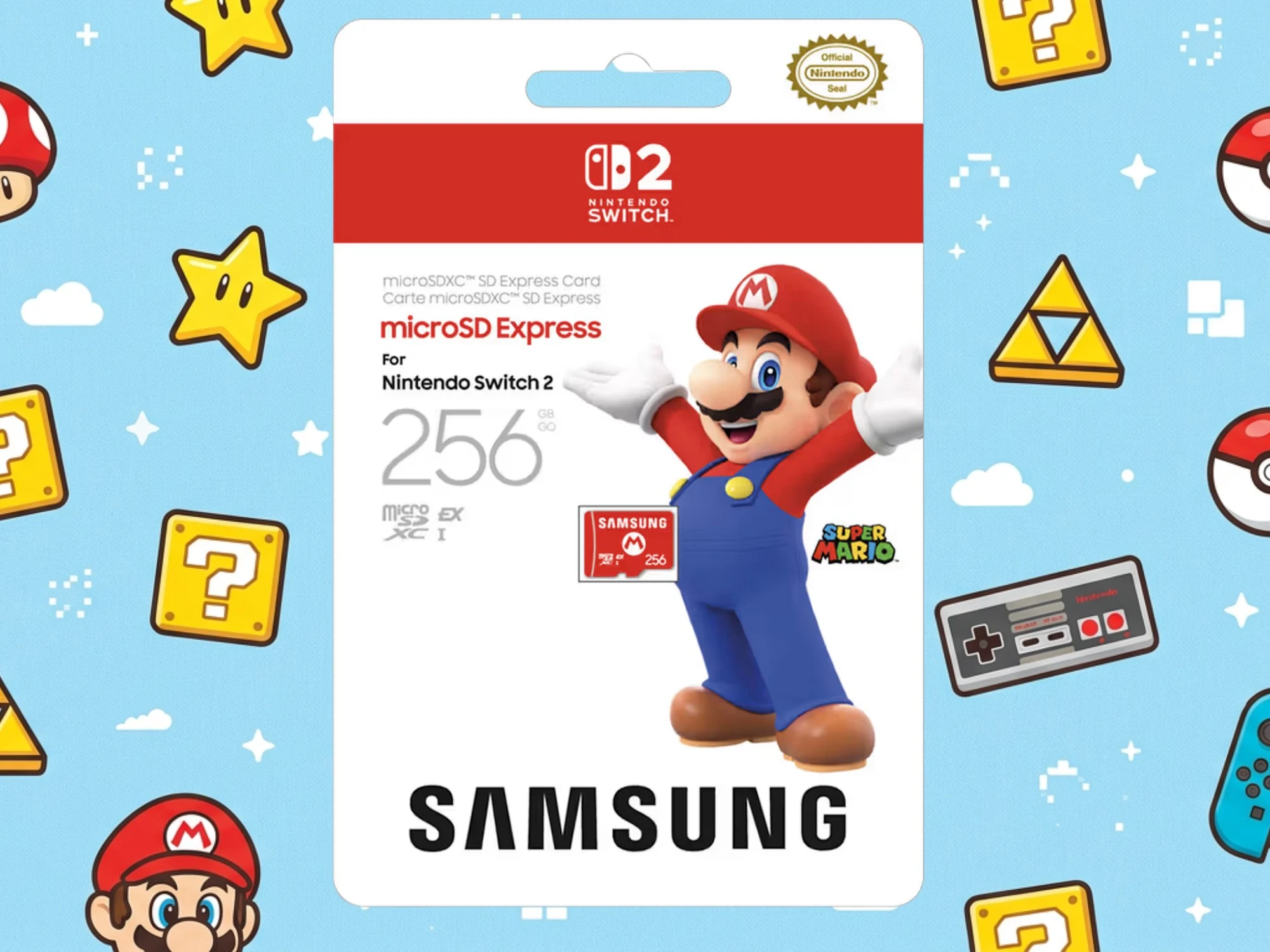
The memory shortage has yet to trigger a price hike for the Switch 2. However, it is pushing gamers with extensive game collections to make tough choices. A piece from Bloomberg highlights how the increasing costs of NAND flash are raising the prices of MicroSD Express cards. As Nintendo fans rush to clear their storage, they’re buying fewer new titles for the Switch 2.
AI Data Centers and Memory Demands
DRAM supplies are being heavily consumed by AI data centers, which also need various types of storage. Takashi Mochizuki refers to a Trendforce report that predicts a rise of up to 90% in NAND contract prices this quarter. In Japan, gamers have already noticed a significant jump in the cost of MicroSD Express cards since the console’s release.
Nintendo’s Response to Pricing Pressures
Despite the initial high costs, the price of expandable storage for the Switch 2 remains steady in other areas. However, Mochizuki notes that Nintendo has taken steps to prevent price increases. By negotiating with retailers, the company managed to persuade some to accept a smaller profit margin on first-party accessories. Still, there’s a chance that they might eventually increase the MSRP for the cards or the console itself.
The Bloomberg article links the memory issue with a downturn in Switch 2 game sales. A financial report from Nintendo revealed that by the end of 2025, there were 2.18 games sold for every console purchased. In comparison, the original Switch had a figure of 3.88 at a similar stage in its lifecycle.
Sales Trends and Storage Limitations
While overall sales of the newer handheld are commendable, users are accumulating fewer games. Fans are feeling limited by the system’s 256GB storage capacity. Notably, certain third-party games, such as Final Fantasy 7 Remake Intergrade, require over 90GB for installation. As time goes on, players will either need to buy more MicroSD Express cards or delete some files.
Due to the potential for the 64GB cartridges to slow down read speeds, publishers like Square Enix have turned to Game-Key Cards. These products come with minimal data pre-loaded on the physical media, leading to large downloads. This situation forces players to manage their Switch 2 storage space carefully.
Mochizuki warns that this situation might lead to a decline in third-party support. Although higher-capacity game cards could work for some titles, Nintendo might struggle to find a cost-effective solution. Some experts estimate that the prices for memory and storage won’t stabilize until 2028.
Source:
Link
Leave a Reply