Tag: microSD Express

  • Fastest MicroSD Cards Cost Double Express Prices

    Fastest MicroSD Cards Cost Double Express Prices

    Key Takeaway

    – UHS-II microSD cards for gaming handhelds cost over 120 euros for 256 GB, roughly double the price of faster microSD Express cards.
    – MicroSD Express cards (256 GB) are widely available for 50–60 euros, supported by Switch 2 production and stable pricing.
    – SD Express readers remain rare and sold out; new readers supporting both SD Express and UHS-II are expected later this year.
    – Fast UHS-I microSD cards now cost nearly the same as microSD Express, offering significantly less performance.
    – Rising adoption of SD Express by laptops and handhelds (e.g., Asus) may drive future price increases, though current inventories are ample.


    Leading the Pack at Computex

    Acer realy led the way at Computex with there new Predator Atlas 8 gaming handheld which relies on microSD cards with UHS-II. These types of cards have become somewhat exotic in the current market by now. But what does this actualy mean for gamers who want to buy these fast cards? To find out we looked at the current market prices of UHS-II cards on the European price comparison service Geizhals, while also checking out a local MediaMarkt retail store for a real world perspective.

    Price Trends and Comparisons

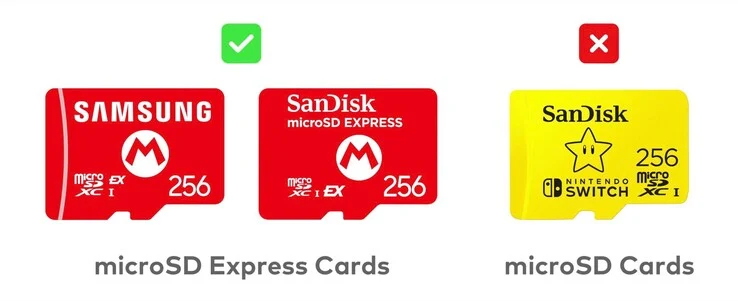
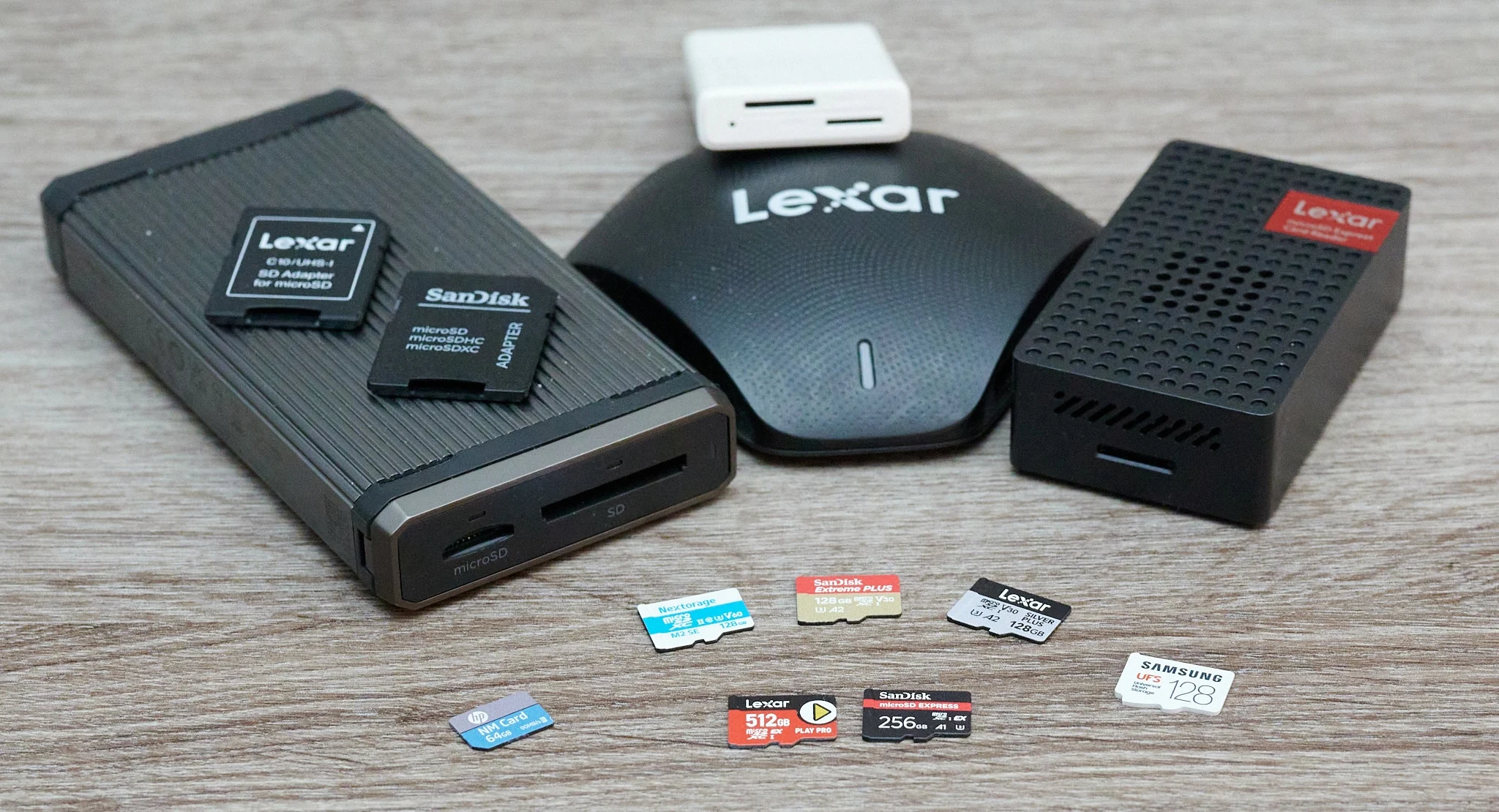
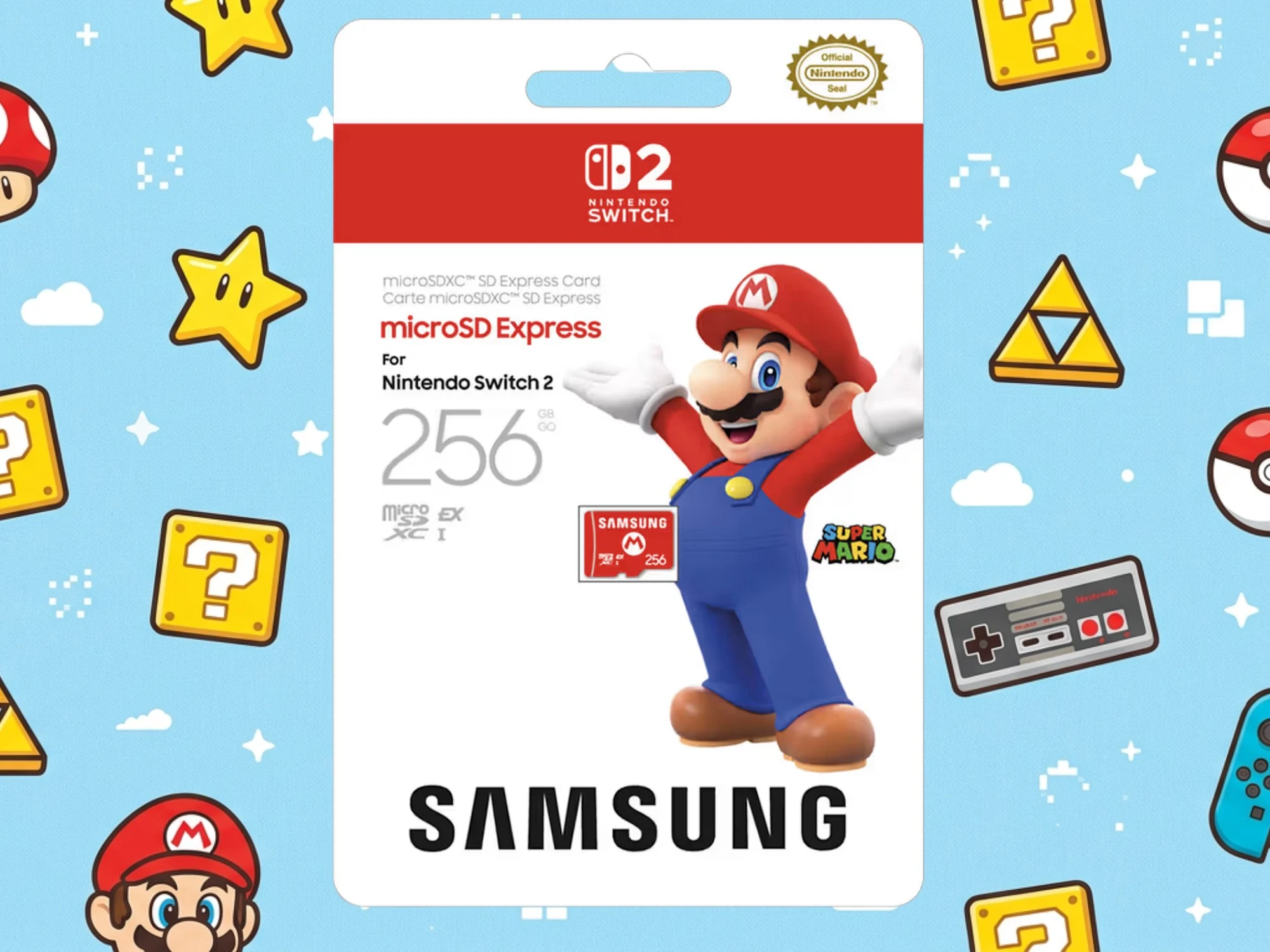
    A clear trend is emerging, especialy for the popular 256 GB size. Not only have prices for UHS-II cards skyrocketed over the past year, but they are now also roughly twice as expensive as microSD Express cards which are significantly faster overall but also much slower in legacy scenarios. Established in the market thanks to Nintendo’s Switch 2, 256 GB microSD Express cards typicaly cost between 50 and 60 euros so thats a major gap.

    There are only a few outliers here which can easily be ignored due to the large selection of Express cards. We also saw this same price point at MediaMarkt, both for Nintendo-branded cards by SanDisk and standalone SanDisk cards displayed individually in the store’s Nintendo section. However, anyone interested in an Acer Predator Atlas 8 or another handheld with microSD-format UHS-II support will have to dig real deep into there pockets.

    Expensive UHS-II Options

    Nexstorage’s UHS-II card currently costs a hefty 120 euros for just 256 GB of capacity. Lexar’s Professional Gold model costs only marginally less at 115 euros while Sabrent’s Rocket sits slightly above 120 euros. According to the price comparison service Geizhals that is already where the selection of cards ends. For that same price you generaly already get 512 GB of capacity in the SD Express camp wich is a huge difference.

    • The market offers about five cards in this segment up to roughly 130 euros.
    • However latecomers who started production later are significantly more expensive.
    • Prices for those later cards are peaking at 200 to 300 euros.

    Harbinger of Higher Prices?

    Whether this is a harbinger of even higher prices is difficult to say right now. Retailer inventories are likely well stocked and we have also heard isolated reports from memory manufacturers that the production batch for the Switch 2 was sufficent for demand. The comparatively stable prices for SD Express cards support these statements we have seen.

    This could change however if more and more laptops adopt SD Express technology. On top of that Asus’s new gaming handheld also features microSD Express support wich is interesting. Asus has been supporting SD Express largely unnoticed for a while now. Especially in the wake of the RTX Spark launch at Computex, indications have mounted that even more manufacturers are banking on SD Express, including the full-size format where ADATA is currently the only supplier delivering cards.

    SD Express Advantages and Limitations

    The massive speeds of the SD Express standard offer clear advantages even if there are occasional thermal issues as seen in our previous microSD Express review. However users with UHS-II readers cannot utilize the speed of SD Express at all because SD Express readers remain very rare and are partly sold out. In compatibility mode they drop back to UHS-I speeds which is quite slow. At least SD Express card readers that can also handle UHS-II are expected to arrive later this year wich is something that was previously not technically possible to do.

    Fast UHS-I Cards Also Getting Pricey

    By the way fast UHS-I cards in the microSD format from well-known manufacturers have now also reached the price range of microSD Express cards as we observed with 256 GB models. At the MediaMarkt retail store SanDisk’s gamer cards in the Nintendo design were almost equally expensive to the Express ones. Prices have also drawn close at other retailers wich is surprising considering how little performance they actualy deliver compared to Express. At least the prices of these slower cards have dropped slightly in recent weeks. But the AI-driven memory crisis does not stop at simple microSD cards you see.
    Sources
    • Switch 2 Game Sales Drop Amid Memory Shortage and High Storage Costs

      Switch 2 Game Sales Drop Amid Memory Shortage and High Storage Costs

      Key Takeaways

      1. Memory shortages are affecting gamers’ choices, leading to fewer new game purchases for the Switch 2.
      2. NAND flash prices are rising significantly, with a predicted increase of up to 90% this quarter, impacting storage costs.
      3. Nintendo is negotiating with retailers to keep expandable storage prices steady, but price increases may still occur in the future.
      4. The Switch 2’s storage capacity of 256GB is limiting gamers, causing them to manage files or purchase additional MicroSD Express cards.
      5. The situation may lead to a decline in third-party game support due to high storage costs and potential limitations on game card capacities.


      The memory shortage has yet to trigger a price hike for the Switch 2. However, it is pushing gamers with extensive game collections to make tough choices. A piece from Bloomberg highlights how the increasing costs of NAND flash are raising the prices of MicroSD Express cards. As Nintendo fans rush to clear their storage, they’re buying fewer new titles for the Switch 2.

      AI Data Centers and Memory Demands

      DRAM supplies are being heavily consumed by AI data centers, which also need various types of storage. Takashi Mochizuki refers to a Trendforce report that predicts a rise of up to 90% in NAND contract prices this quarter. In Japan, gamers have already noticed a significant jump in the cost of MicroSD Express cards since the console’s release.

      Nintendo’s Response to Pricing Pressures

      Despite the initial high costs, the price of expandable storage for the Switch 2 remains steady in other areas. However, Mochizuki notes that Nintendo has taken steps to prevent price increases. By negotiating with retailers, the company managed to persuade some to accept a smaller profit margin on first-party accessories. Still, there’s a chance that they might eventually increase the MSRP for the cards or the console itself.

      The Bloomberg article links the memory issue with a downturn in Switch 2 game sales. A financial report from Nintendo revealed that by the end of 2025, there were 2.18 games sold for every console purchased. In comparison, the original Switch had a figure of 3.88 at a similar stage in its lifecycle.

      Sales Trends and Storage Limitations

      While overall sales of the newer handheld are commendable, users are accumulating fewer games. Fans are feeling limited by the system’s 256GB storage capacity. Notably, certain third-party games, such as Final Fantasy 7 Remake Intergrade, require over 90GB for installation. As time goes on, players will either need to buy more MicroSD Express cards or delete some files.

      Due to the potential for the 64GB cartridges to slow down read speeds, publishers like Square Enix have turned to Game-Key Cards. These products come with minimal data pre-loaded on the physical media, leading to large downloads. This situation forces players to manage their Switch 2 storage space carefully.

      Mochizuki warns that this situation might lead to a decline in third-party support. Although higher-capacity game cards could work for some titles, Nintendo might struggle to find a cost-effective solution. Some experts estimate that the prices for memory and storage won’t stabilize until 2028.

      Source:
      Link


    • Final Fantasy 7 Remake Switch 2 Pre-Load Highlights Game-Key Issues

      Final Fantasy 7 Remake Switch 2 Pre-Load Highlights Game-Key Issues

      Key Takeaways

      1. Pre-load Availability: Final Fantasy 7 Remake Intergrade is available for pre-load on the Switch 2, launching January 22nd, with a file size exceeding 90GB.

      2. Cartridge Limitations: The game cannot fit on standard cartridges due to its size, requiring the use of Game-Key Cards, which complicates downloads for players.

      3. Visual Quality Focus: Square Enix prioritized high visual quality without compression, resulting in the game taking up significant storage space on the Switch 2.

      4. Developer Challenges: Developers face issues with cartridge read speeds not matching the console’s capabilities, leading to performance concerns if not addressed.

      5. Rising Storage Costs: The demand for storage is increasing prices for memory solutions, creating budget concerns for gamers needing additional space for large games.


      Final Fantasy 7 Remake Intergrade is now available for pre-load on the Switch 2 ahead of its launch on January 22nd. Square Enix announced that the download will exceed 90GB, and gamers are now racing to clear storage on their consoles. With the cost of microSD Express cards rising in some areas, this added expense is causing budget concerns for many players.

      Cartridge Challenges

      Ideally, the RPG would come on a standard cartridge to save the handheld’s 256GB internal memory. Sadly, the file size goes over the 64GB limit of physical media, leaving Game-Key Cards as the only option. Buyers are also faced with limited information about these releases, which means they have to monopolize their internet connections for downloads.

      Visual Quality Prioritized

      Unlike other titles on the Switch 2, Square Enix did not compress Final Fantasy 7 Remake. Players need similar free space on both PC and PS5. Game Director Naoki Hamaguchi stated that they didn’t want to compromise on the visual quality of the game. Modern lighting effects were prioritized to ensure the graphics stand up against those on different platforms.

      Digital Foundry has praised the demo of the game, calling it one of the best-looking games on the Nintendo handheld. However, this refined presentation takes up over a third of the system’s available storage.

      Developer Dilemmas

      Other limitations related to the Switch 2 specs have also led developers to use Game-Key Cards. The read speeds of cartridges simply can’t keep up with the console’s internal UFS drive or external media. If they didn’t, players would face issues such as stuttering during gameplay or longer loading times.

      With fans having to delete installed games, many are now demanding alternative solutions. There have been recent hints that Nintendo may consider cheaper, smaller cartridges. This could persuade more publishers to move away from Game-Key Cards. However, even with this change, the media would still struggle to fit large games like Final Fantasy 7 Remake Intergrade.

      Rising Costs

      The increasing demand from AI data centers is causing memory and storage prices to rise. Japan is already witnessing the impact on external NAND flash, like microSD Express cards. An upgraded Switch 2 with a larger capacity drive may be unavoidable, yet Nintendo must also think about the growing costs.

      Source:
      Link


    • MicroSD Card Shortage May Raise Switch 2 Storage Prices

      MicroSD Card Shortage May Raise Switch 2 Storage Prices

      Key Takeaways

      1. Memory Shortages: Expanding AI data centers are causing significant shortages in memory supplies, affecting products like microSD cards in Japan.

      2. High Demand for Storage: AI companies are driving up demand for high-capacity storage options, making it challenging for other consumers, such as gamers, to find alternatives.

      3. Impact of Game-Key Cards: The introduction of Game-Key Cards requires gamers to purchase additional microSD Express cards, raising costs and complicating game installation.

      4. Pricing Trends: While flash card prices in the U.S. are rising, they are not increasing as sharply as DDR5 memory, but high costs still pose concerns for Switch 2 owners.

      5. Broader Implications: The memory shortage could lead to price hikes for various gaming consoles, impacting a wider audience beyond just Nintendo fans.


      Expanding AI data centers are leading to memory shortages and causing consumer prices to soar. The NAND flash memory market is also feeling the pinch, with microSD cards in Japan frequently selling out. Facing backlash over rising prices, the microSD Express standard designed for Switch 2 storage is in jeopardy.

      MicroSD Availability Issues

      Tom’s Hardware pointed out an IT Media report that tracks the lack of microSD cards in stores. Japanese retailers have observed that the higher-capacity cards, particularly those ranging from 512GB to 2TB, are the most sought after. Even larger traditional hard drives are becoming increasingly difficult to find in stock.

      Demand from AI Companies

      Businesses focused on AI technologies require significant storage to train and create new models. As they purchase M.2 SSDs and traditional drives, other buyers will be searching for alternatives. Unfortunately, for gamers eager to expand their Switch 2 storage, microSD Express cards are appealing when speed is essential.

      Game-Key Cards and Their Impact

      The rise of Game-Key Cards has made it vital to supplement the handheld’s 256GB UFS 3.1 internal storage. Switch 2 titles only come with a small amount of data on their cartridges, necessitating large downloads. While game preservation advocates oppose this format, it’s also making it pricier to keep the console up and running.

      Game-Key Cards are more affordable for publishers compared to Nintendo’s 64GB Game Cards. However, gamers who need to buy several microSD Express cards to install their games may not see any real benefits.

      Pricing Trends in the U.S.

      In the U.S., the faster flash cards aren’t experiencing the same steep price hikes as DDR5 memory. Nonetheless, 1TB options from brands like Lexar still require a $200 investment. Even higher prices might cause Switch 2 owners to reconsider building a large library.

      It’s not just Nintendo enthusiasts who could struggle with dwindling supplies. Moore’s Law is Dead recently disclosed that the memory shortage might result in yet another price hike for Xbox consoles.

      Source:
      Link


    • Switch 2 Games Load Slower from Cartridges than MicroSD or Internal Storage

      Switch 2 Games Load Slower from Cartridges than MicroSD or Internal Storage

      Key Takeaways

      1. The Switch 2 offers various storage options: internal storage, microSD Express cards, and Game-Key Cards, affecting game loading times.
      2. Internal storage (256GB UFS) performs the best, booting games in 16.60 seconds, while microSD Express cards range from 19.18 to 19.78 seconds, and cartridges take 23.91 seconds.
      3. Slower storage options could impact gameplay performance, especially for games that require loading large amounts of data.
      4. Nintendo may be limiting publishers to expensive 64GB cartridges, encouraging a shift towards digital sales over physical media.
      5. There are hopes that Nintendo will allow games from Game Cards to be installed in internal storage for faster loading and better game preservation.


      The various options for playing or storing Switch 2 games can make it hard for customers to decide. Besides cartridges, there’s internal storage, microSD Express cards, and even Game-Key Cards to think about. Nintendo fans who care about speed can look at a new benchmark that compares these different formats. It might not be surprising that the console’s built-in flash storage comes out on top, but the slower performance of Switch 2 cartridges could catch some gamers off guard.

      YouTuber’s Analysis

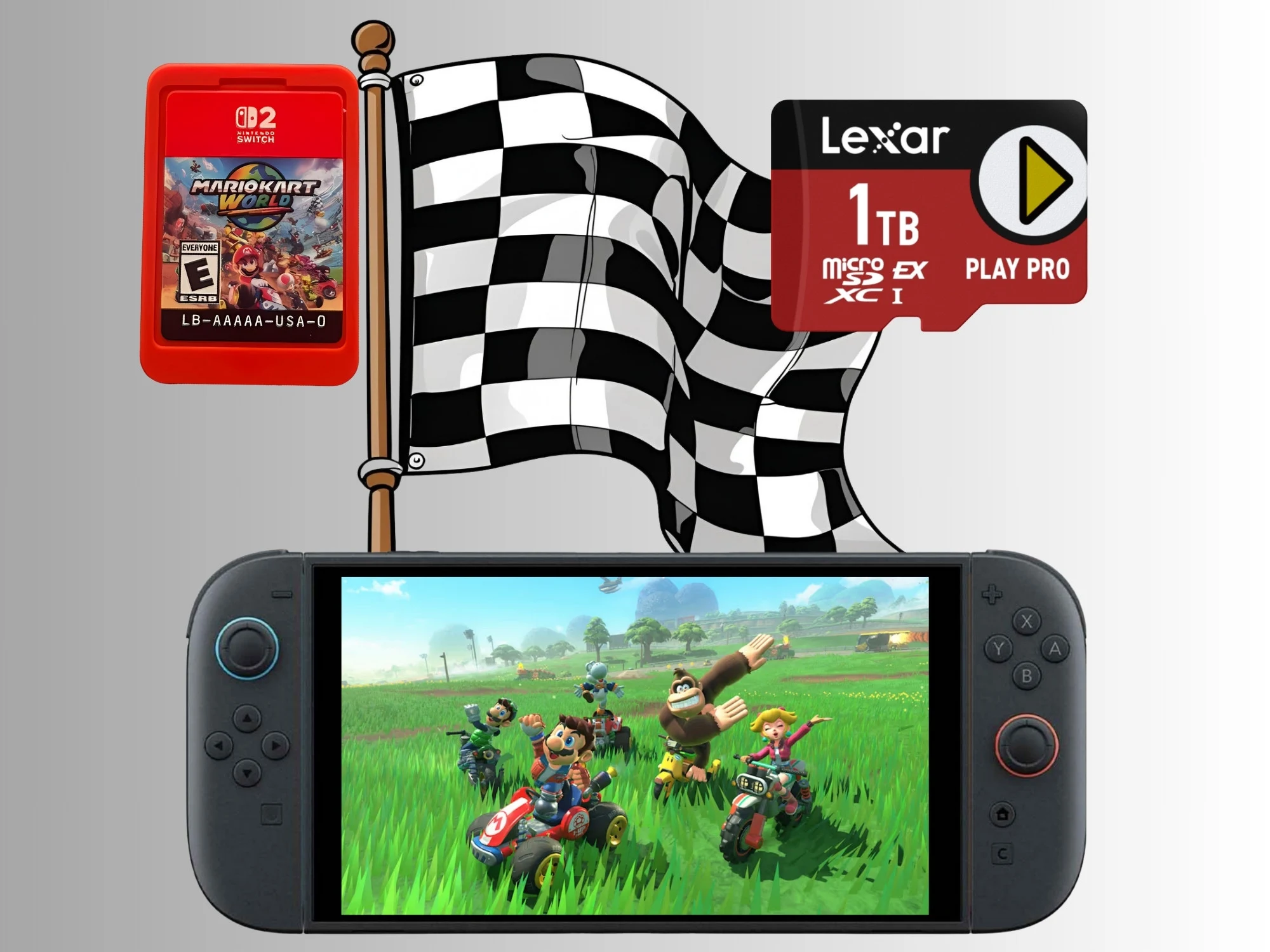
      YouTuber 4416Y took a closer look at the Switch 2 storage options using Mario Kart World for his test. In the video, viewers can see how fast the console boots the game right from the Home Menu. The Switch 2 has 256GB UFS internal storage, which achieves a speedy time of 16.60 seconds. Meanwhile, microSD Express cards from brands like SanDisk, Samsung, and Lexar take second place with times ranging from 19.18 to 19.78 seconds. Lastly, the Game Card or cartridge lags behind, clocking in at 23.91 seconds.

      Impact on Gameplay

      When a game needs to load a lot of data during play, having slower storage could really affect how it performs. The internals of Switch 2 cartridges haven’t been fully examined, but many think they use non-volatile flash memory. While the original Switch Game Cards have the same tech, the newer cartridges do offer quicker read speeds. Sadly, they still can’t match the performance of other storage formats that the handheld supports.

      Digital Gaming Shift

      Supporters of digital gaming now have a new reason to favor downloads over traditional physical media. There are rumors that Nintendo is restricting publishers to costly 64GB cartridges. Because smaller, cheaper options aren’t available, companies stand to gain more from digital sales. The release of Game-Key Cards tries to cater to both sides by providing physical media that depends on downloaded content.

      Some fans are hoping that Nintendo will let users install Switch 2 games from Game Cards into internal storage. This way, game preservation enthusiasts could enjoy faster load times while building up their cartridge collections.

      Source:
      Link

    • Nintendo Switch 2 Games Over 70 GB: Storage Space Alert

      Nintendo Switch 2 Games Over 70 GB: Storage Space Alert

      Key Takeaways

      1. The Nintendo Switch 2 will start shipping on June 5, and pre-orders may require an extra memory card due to large game sizes.
      2. Some Nintendo titles have increased storage requirements, with Mario Kart World at 23.4 GB and Donkey Kong Bananza at 10 GB.
      3. Third-party games can occupy significant space, with titles like Split Fiction needing 73 GB and Cyberpunk 2077 at 59 GB.
      4. Storage updates for existing Nintendo games also increase their size, such as The Legend of Zelda updates adding 9.8 GB and 3.6 GB.
      5. The Nintendo Switch 2 supports microSD Express cards up to 2TB for expanded game storage, with options like the Lexar 1TB and SanDisk 2TB cards available.


      The Nintendo Switch 2 is set to begin shipping on June 5. If you’ve already pre-ordered this console, you might need an extra memory card because certain new games demand more than 50 GB of space. This means you could fill the console’s internal storage after downloading just four games.

      Game Storage Requirements

      Typically, Nintendo’s own titles are not too large, and the Nintendo Switch 2 keeps this trend. For instance, Mario Kart World requires 23.4 GB, which is over three times larger than Mario Kart 8 Deluxe. Additionally, Donkey Kong Bananza takes up 10 GB. The updates for The Legend of Zelda: Breath of the Wild and Tears of the Kingdom raise the storage needs by 9.8 GB and 3.6 GB, respectively. Meanwhile, the upgrade for Kirby and the Forgotten Land nearly triples its storage requirement to 16.7 GB.

      Third-Party Game Sizes

      Some third-party games can take up a lot of space. For instance, Split Fiction needs 73 GB on the Nintendo Switch 2, which is only about 10% less than what is required on other platforms. Cyberpunk 2077 and Hitman World of Assassination both clock in at 59 GB, while Yakuza 0 needs 53.7 GB. The differences are significant, as shown by Rune Factory: Guardians of Azuma, which takes up 5.8 GB on the original Switch and 18.1 GB on the new version.

      Storage Expansion Options

      The Nintendo Switch 2 will be compatible with microSD Express cards that can hold up to 2TB, providing ample room for a variety of games. Some of the supported cards are the Lexar 1TB Play Micro SD Card and the SanDisk 2TB Extreme microSDXC UHS-I Memory Card.

      Source:
      Link

    • Benefits and Drawbacks of MicroSD Express for Nintendo Switch 2

      Benefits and Drawbacks of MicroSD Express for Nintendo Switch 2

      Key Takeaways

      1. The Nintendo Switch 2 features a 120Hz 1080p display and a dock with 4K HDR capability and an active fan.
      2. It supports microSD Express technology, allowing for data rates up to 985 MB/s, improving loading times significantly.
      3. Previous Nintendo Switch memory cards are not compatible with the Switch 2, necessitating new purchases.
      4. The cost of new microSD Express memory cards is higher, with a 512GB card priced at least $99.
      5. Increased game storage requirements may lead players to frequently delete games, although Nintendo’s cartridges allow play without upfront installation.


      The Nintendo Switch 2 has been officially revealed today. Notable upgrades include a 120Hz 1080p display, a dock with an active fan and 4K HDR capability, and enhanced multiplayer options. Among these improvements, the memory card reader stands out as a key feature. Unlike the original Nintendo Switch, which only supported UHS-I SD cards with speeds up to 104 MB/s, the Switch 2 now embraces microSD Express technology.

      Speed Improvements

      The main benefit of this upgrade is the speed increase. The slowest SD Express standard uses PCIe 3.0 x1, allowing for data rates of up to 985 MB/s. This can drastically reduce loading times for games. However, there are two major drawbacks for those looking to buy the Nintendo Switch 2. Firstly, memory cards from the previous Nintendo Switch cannot be transferred to the new device. Secondly, expanding storage for the new console is going to be more expensive.

      Pricing Details

      To illustrate, a 512 GB UHS-I memory card that works with the original Switch is available for $39 on Amazon. Conversely, the same brand sells a 256GB microSD Express card for $59, while a 512GB version will set you back at least $99.

      Game Storage Concerns

      Given that it’s likely Nintendo Switch 2 games will require more storage owing to the console’s superior resolution and graphics, the high prices for memory cards could compel players to frequently delete games to make room for new ones. However, it’s worth noting that Nintendo’s game cartridges allow users to purchase and play games without needing to install them upfront, unlike the PlayStation 5 and other competitors.

      Source:
      Link


    • Nintendo Switch 2 Retailer Leak: Launch Titles and Pricing Revealed

      Nintendo Switch 2 Retailer Leak: Launch Titles and Pricing Revealed

      It’s widely known that Nintendo is planning to launch a new version of the Switch, Switch Lite, and Switch OLED by the end of March. Although the company hasn’t provided many details, there are whispers of an announcement in January followed by a full release sometime in April. With these timelines in mind, it’s not surprising that stores are beginning to get insights about what’s coming next.

      GameStop’s New Offerings

      In line with these developments, GameStop has started offering microSD Express cards that provide transfer speeds similar to SSDs for the upcoming console. Recently, an employee or representative from French retailer Micromania shared new information about the so-called Switch 2. According to reports, Micromania has already set everything in place, with prices ranging from €69 to €79 for over 25 launch titles.

      Price Insights and Game Titles

      If these price estimates are correct, then games for the Switch 2 would be around €10 more expensive than current offerings. Additionally, Micromania’s internal records are rumored to include mentions of a new Mario Kart and even Super Mario Galaxy 3, instead of a new Super Mario Odyssey (currently priced at $47.89 on Amazon). It seems a similar price increase could apply to the console itself, which is expected to be priced at €399 in Europe. However, it’s important to remember that these details are just speculative at this point and should be viewed with a dose of caution until more solid proof emerges.

      Future Expectations

      The excitement around the Switch 2 is palpable, as fans eagerly await more information. As Nintendo prepares for this new chapter, retailers appear to be gearing up for the impending release. With a potential lineup of games and accessories, there’s much to look forward to in the coming months.

      Source:
      Link