
Key Takeaways
1. Scientists from Monash University created a new carbon-based material called multiscale reduced graphene oxide (M-rGO) to enhance supercapacitor energy storage.
2. Supercapacitors have fast charging but low energy density; the new material addresses this limitation by allowing deeper ion penetration.
3. The M-rGO material achieved a volumetric energy density of 99.5 Wh/L, comparable to lead-acid batteries, and a high power density of 69.2 kW/L.
4. This innovation could enable fast-charging supercapacitors to replace batteries in various applications, providing quicker energy delivery.
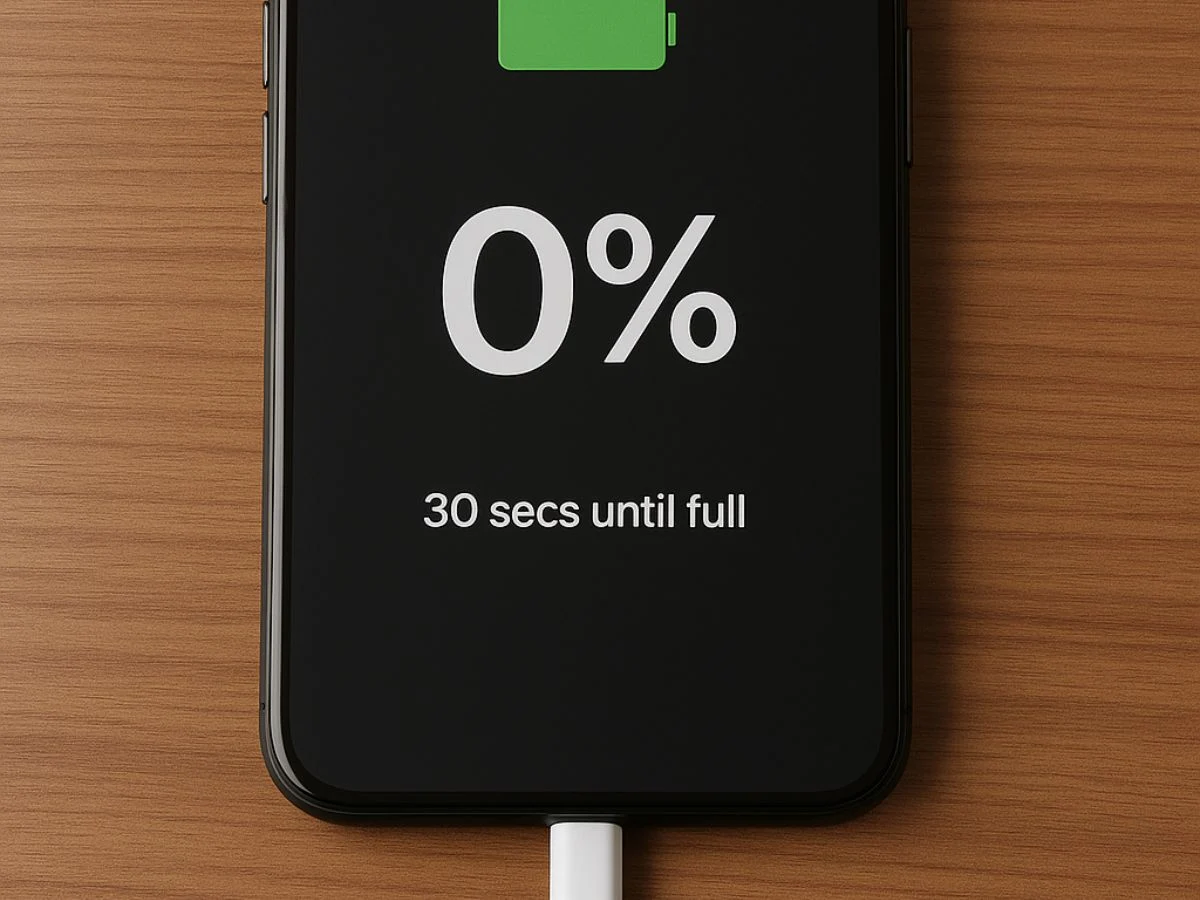
5. The technology is being commercialized by Ionic Industries, aiming to create ultra-fast-charging devices that can be fully charged in seconds.
A group of scientists from Monash University has created a novel carbon-based material that enhances the energy storage capacity of supercapacitors, addressing a key challenge that has limited their use in small devices. This breakthrough, which is discussed in the journal Nature Communications, could lead to a new era of energy storage technology.
The Challenge with Supercapacitors
Supercapacitors are praised for their rapid charging and discharging capabilities. However, they are often criticized for their low volumetric energy density, meaning they can’t hold as much energy relative to their size when compared to batteries. The research team at Monash University has tackled this issue by developing a new material structure known as multiscale reduced graphene oxide (M-rGO).
Unique Material Structure
This innovative material is derived from natural graphite and is created through a quick heating treatment that results in a distinct arrangement of highly curved and intertwined graphene crystallites. An unexpected finding by the researchers revealed that this curved design permits ions from the electrolyte to penetrate deep into the internal layers of the material, a phenomenon they refer to as “electrochemical interlayer expansion.” This process increases the surface area available for energy storage.
Impressive Results
The outcomes were remarkable. When the new material was used in pouch cell devices, it achieved a volumetric energy density of 99.5 Wh/L, comparable to lead-acid batteries. Additionally, it showcased a high power density of 69.2 kW/L.
This innovation could pave the way for fast-charging supercapacitors that can accumulate enough energy to take the place of batteries in various applications, delivering energy much more swiftly. — Professor Majumder.
Commercialization Efforts
Currently, the technology is being commercialized by a spinout company from Monash University, Ionic Industries, which is collaborating with partners to introduce this groundbreaking material to the market. If successful, we might witness ultra-fast-charging devices that can be fully charged in mere seconds.
Nature via Monash University
Source:
Link
Leave a Reply