
Tag: supercapacitors

  • Supercapacitor Breakthrough: Future Electronics Charge in Seconds

    Supercapacitor Breakthrough: Future Electronics Charge in Seconds

    Key Takeaways

    1. Scientists from Monash University created a new carbon-based material called multiscale reduced graphene oxide (M-rGO) to enhance supercapacitor energy storage.
    2. Supercapacitors have fast charging but low energy density; the new material addresses this limitation by allowing deeper ion penetration.
    3. The M-rGO material achieved a volumetric energy density of 99.5 Wh/L, comparable to lead-acid batteries, and a high power density of 69.2 kW/L.
    4. This innovation could enable fast-charging supercapacitors to replace batteries in various applications, providing quicker energy delivery.
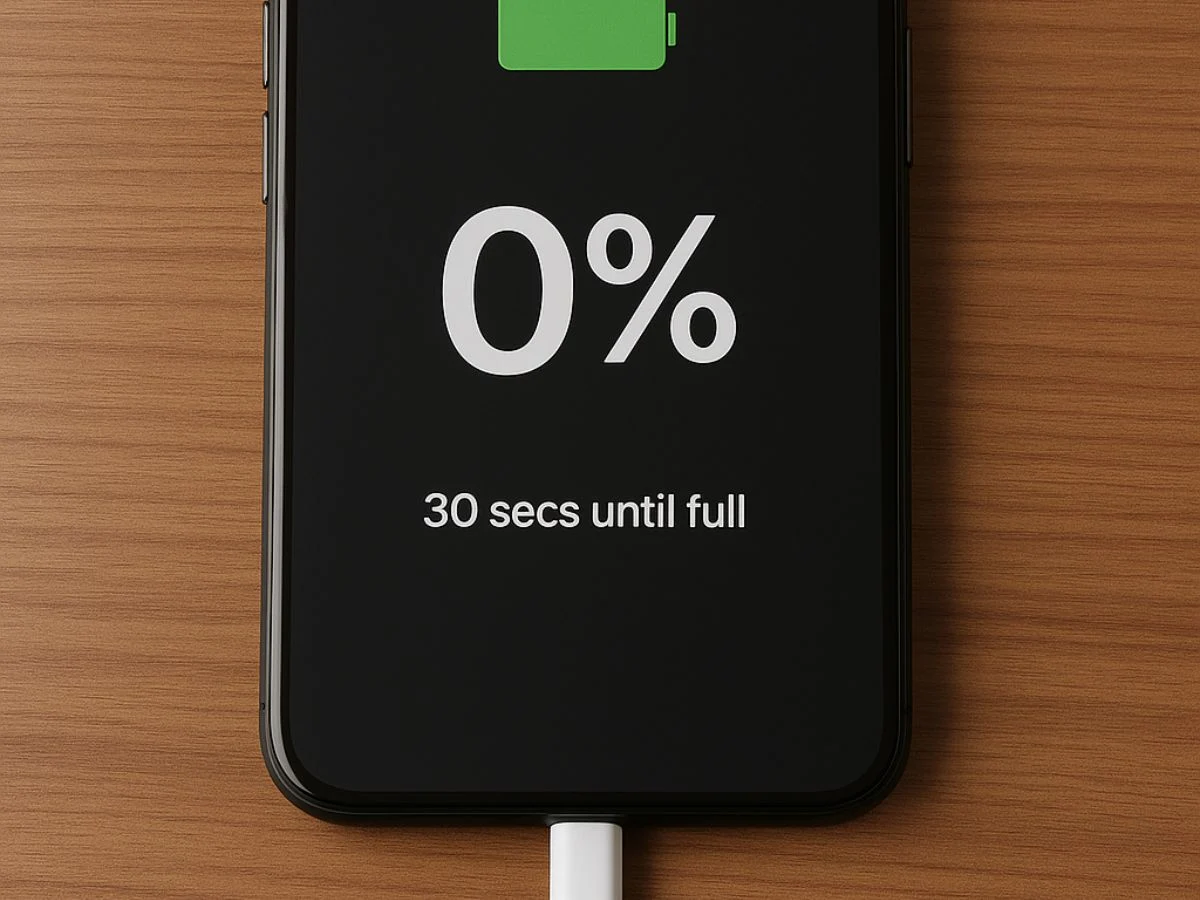
    5. The technology is being commercialized by Ionic Industries, aiming to create ultra-fast-charging devices that can be fully charged in seconds.


    A group of scientists from Monash University has created a novel carbon-based material that enhances the energy storage capacity of supercapacitors, addressing a key challenge that has limited their use in small devices. This breakthrough, which is discussed in the journal Nature Communications, could lead to a new era of energy storage technology.

    The Challenge with Supercapacitors

    Supercapacitors are praised for their rapid charging and discharging capabilities. However, they are often criticized for their low volumetric energy density, meaning they can’t hold as much energy relative to their size when compared to batteries. The research team at Monash University has tackled this issue by developing a new material structure known as multiscale reduced graphene oxide (M-rGO).

    Unique Material Structure

    This innovative material is derived from natural graphite and is created through a quick heating treatment that results in a distinct arrangement of highly curved and intertwined graphene crystallites. An unexpected finding by the researchers revealed that this curved design permits ions from the electrolyte to penetrate deep into the internal layers of the material, a phenomenon they refer to as “electrochemical interlayer expansion.” This process increases the surface area available for energy storage.

    Impressive Results

    The outcomes were remarkable. When the new material was used in pouch cell devices, it achieved a volumetric energy density of 99.5 Wh/L, comparable to lead-acid batteries. Additionally, it showcased a high power density of 69.2 kW/L.

    This innovation could pave the way for fast-charging supercapacitors that can accumulate enough energy to take the place of batteries in various applications, delivering energy much more swiftly. — Professor Majumder.

    Commercialization Efforts

    Currently, the technology is being commercialized by a spinout company from Monash University, Ionic Industries, which is collaborating with partners to introduce this groundbreaking material to the market. If successful, we might witness ultra-fast-charging devices that can be fully charged in mere seconds.

    Nature via Monash University

    Source:
    Link



  • Supercapacitors: A Thin, Sustainable Alternative to Batteries

    Supercapacitors: A Thin, Sustainable Alternative to Batteries

    Key Takeaways

    1. Pouch supercapacitors are thin, maintenance-free, and made from non-toxic materials, making them ideal for portable gadgets.
    2. The rise in battery waste presents environmental challenges, with only 111,000 tons of the 244,000 tons of portable batteries sold in the EU being recycled in 2022.
    3. Pouch supercapacitors are fully recyclable and can replace bulky cylindrical designs, making them suitable for space-constrained applications.
    4. Companies like Ligna Energy produce pouch supercapacitors that can endure over 250,000 charging cycles, reducing carbon footprints with sustainable materials.
    5. Supercapacitors may serve as a maintenance-free alternative to traditional batteries, offering cycle stability and ecological benefits for future smart devices.


    According to Energyload, supercapacitors present benefits that make them a compelling choice for today’s portable gadgets. Pouch supercapacitors are extremely thin, require no maintenance, and are made from non-toxic materials. Their extended lifespan and ability to be recycled contribute to a more sustainable future for smart devices and IoT technologies.

    Environmental Concerns with Battery Waste

    The increasing number of devices has led to a rise in the environmental challenges associated with battery waste. The European Commission reports that in 2022, 244,000 tons of portable batteries were sold within the EU, yet only 111,000 tons were recycled. Batteries often contain harmful elements such as lithium, manganese, and cobalt, which pose significant environmental risks. Additionally, replacing batteries in industrial settings can be costly and requires skilled personnel, leading to expenses that can reach $200 per unit.

    The Transition to Pouch Supercapacitors

    Historically, cylindrical supercapacitors have been bulky and restricted by their design limitations. In contrast, pouch supercapacitors feature ultra-thin profiles, are completely recyclable, and utilize non-toxic materials. They are ideal for applications where space is at a premium, such as smart cards, electronic shelf labels, and wireless gadgets. They can also be integrated with energy harvesting technologies and solar panels, for example.

    Ligna Energy is one of the companies that has created pouch supercapacitor products capable of enduring over 250,000 charging cycles. The use of sustainable materials and an efficient roll-to-roll production method significantly cuts down on the carbon footprint. This allows engineers to design durable, ultra-thin devices that are more environmentally friendly.

    The Future of Supercapacitors

    In summary, supercapacitors have the potential to become a maintenance-free substitute for traditional batteries. Their impressive cycle stability, ecological benefits, and design versatility may position them as the perfect solution for the upcoming generation of smart devices.

    Source:
    Link