
Key Takeaways
1. Wolf-Rayet stars are massive, hot, and bright, shedding their outer hydrogen layer and creating strong stellar winds.
2. The Tarantula Nebula is located in the Large Magellanic Cloud, about 160,000 light-years from Earth.
3. It is the largest and brightest star-forming region among nearby galaxies in the Milky Way group.
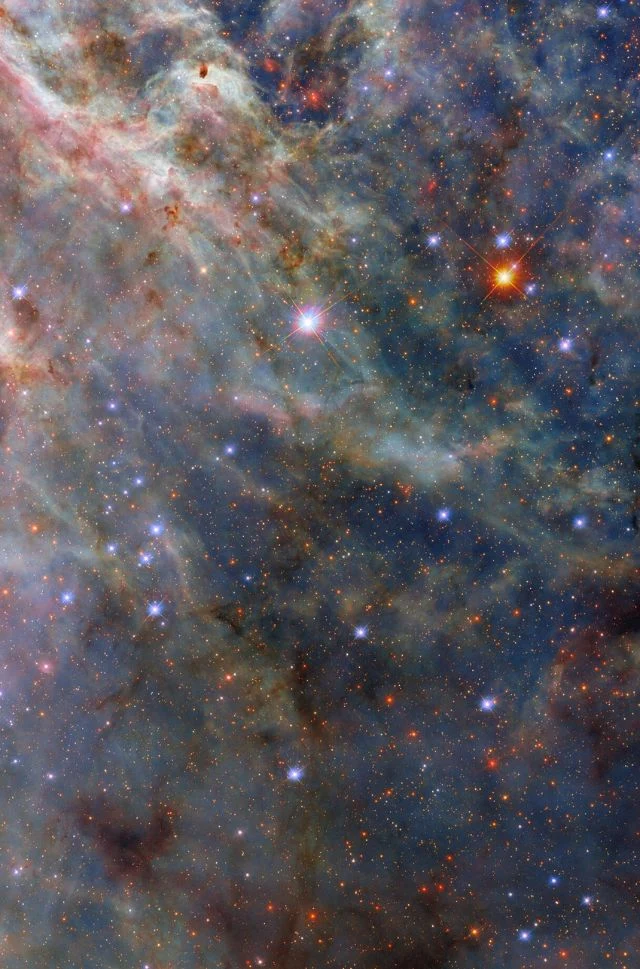
4. Hubble has recently focused on a specific area near a Wolf-Rayet star in the Tarantula Nebula.
5. The image of the Tarantula Nebula was captured using data from the Scylla program, in collaboration with the ULLYSSES initiative.
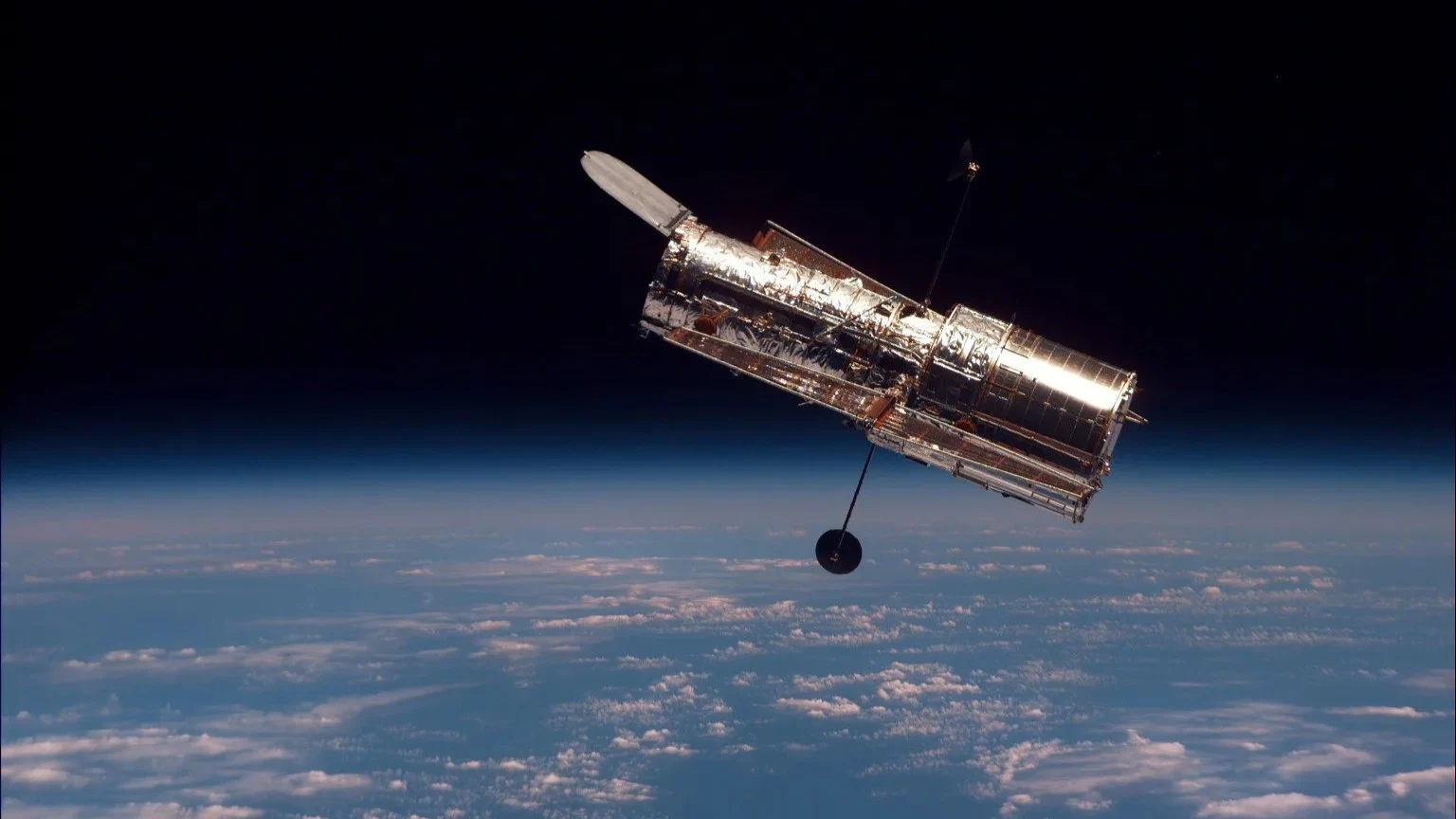
Since the launch of Hubble in 1990, the Tarantula Nebula has been a regular subject of interest. Recently, Hubble has focused on a specific area near a rare type of star in the nebula, reffered to as a Wolf-Rayet star.
Characteristics of Wolf-Rayet Stars
Wolf-Rayet stars are enormous, roughly 20 times heavier than our Sun, and they are at a later stage in their life cycle. These stars are incredibly hot and bright, having shed their outer hydrogen layer, which creates strong and dense stellar winds.
Location of the Tarantula Nebula
The Tarantula Nebula is found within the Large Magellanic Cloud, a dwarf galaxy roughly 160,000 light-years from Earth, situated in the constellations Dorado and Mensa. This dwarf galaxy is a satellite of the Milky Way, which is the largest among the many small galaxies that orbit our galaxy.
Star-Forming Regions
This galaxy contains multiple areas where stars are forming, but the Tarantula Nebula stands out as the largest and most luminous. It holds the title of the biggest and brightest star-forming region among all the nearby galaxies that are part of the Milky Way group.
The image captured of the Tarantula Nebula was made using data collected from Scylla, an observational program. This program works alongside another Hubble initiative known as ULLYSSES (Ultraviolet Legacy Library of Young Stars as Essential Standards). While ULLYSSES concentrates on young giant stars in both the Small and Large Magellanic Clouds, Scylla investigates the interstellar medium that surrounds these regions.
Source:
Link
Leave a Reply