
Key Takeaways
1. The SpaceX Cargo Dragon spacecraft successfully launched on August 24, 2023, from Cape Canaveral, carrying vital materials for experiments to support future Moon and Mars missions.
2. Key experiments include the Microgravity Associated Bone Loss-B (MABL-B) project, aimed at reducing bone loss in astronauts, and initiatives in 3D metal printing for in-space manufacturing.
3. The mission features bioprinting studies, including liver tissue with blood vessels and implantable nerve devices, which could improve astronaut health and recovery during long missions.
4. Researchers are exploring how microgravity can enhance the growth and quality of bioprinted tissues and devices, potentially leading to better medical solutions in space.
5. The spacecraft is equipped with a boost kit to help maintain the International Space Station’s altitude and is expected to remain docked until December, when it will return research samples to Earth.
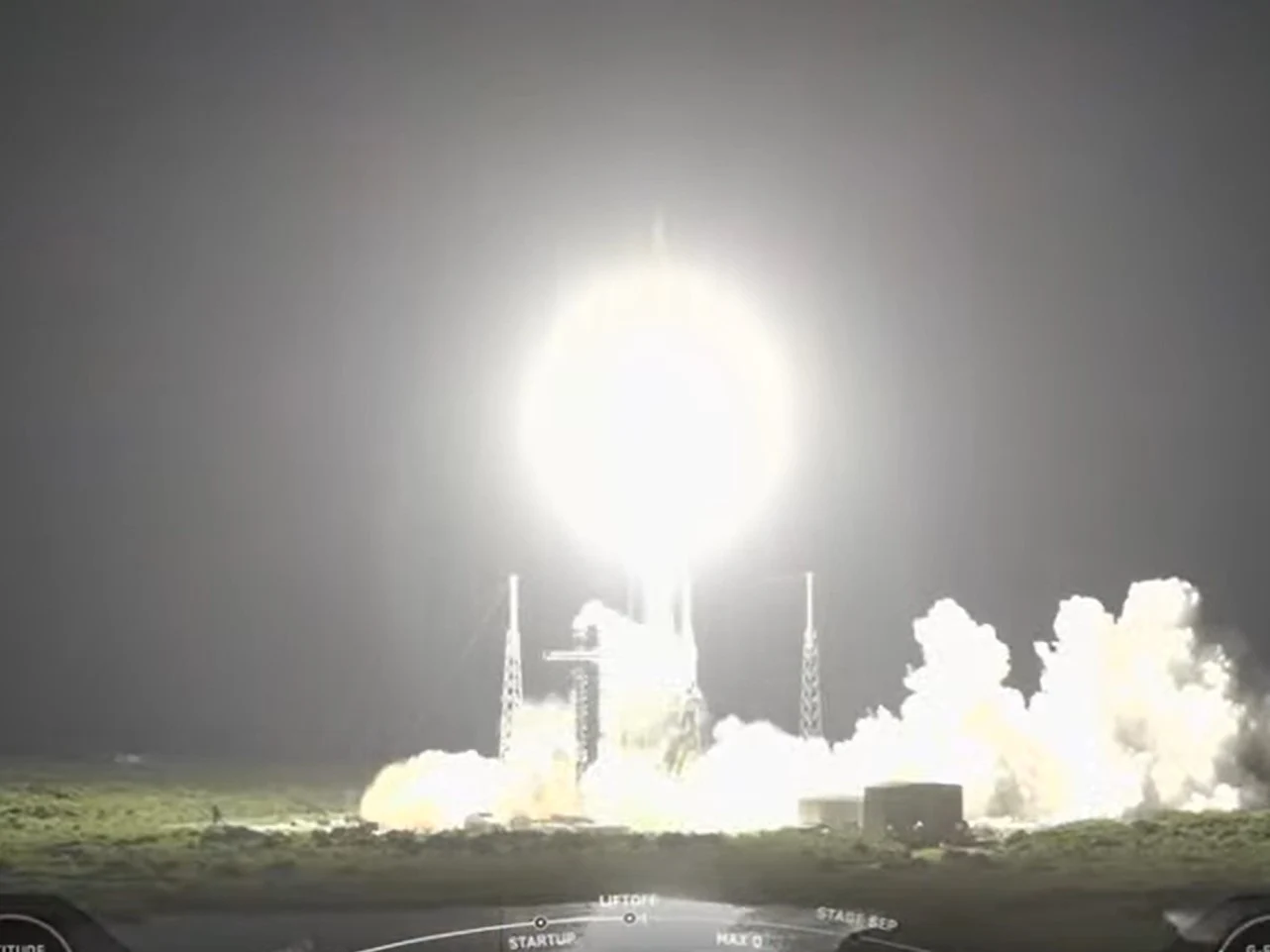
NASA’s SpaceX 33rd Commercial Resupply mission successfully lifted off a SpaceX Cargo Dragon spacecraft at 6:45 AM UTC on August 24. This launch took place from the Space Launch Complex 40 located at Cape Canaveral Space Force Station in Florida. The spacecraft, which was propelled by a Falcon 9 rocket, has successfully docked with the Harmony module of the space station.
Mission Objectives
This resupply mission is packed with materials for vital experiments that may enhance future long-duration expeditions to the Moon and Mars. Some of the key experiments included are Microgravity Associated Bone Loss-B (MABL-B), 3D metal printing, bioprinting of liver tissue, and the creation of implantable nerve devices through bioprinting.
The MABL-B experiment seeks to reduce bone loss that astronauts often suffer in space by inhibiting the signaling pathway of the IL-6 protein. The 3D metal printing initiative might allow missions to create their own tools and components in space when necessary. This capability will minimize the need for continual resupply from Earth, which might not be practical during extended missions. The cargo also includes supplies for tissue bioprinting studies.
Health Innovations
Bioprinting liver tissue containing blood vessels could play a key role in keeping astronauts healthy during lengthy missions. This experiment has already been initiated on the ground, with researchers exploring if microgravity can enhance the growth of bioprinted tissue. Another fascinating study focuses on bioprinted nerve devices.
The bioprinted implantable nerve devices could speed up recovery from nerve injuries. The InSPA-Auxilium Bioprinter is responsible for this printing process. Experts think that microgravity might allow for the creation of better-quality devices on the ISS than those made on Earth. NASA aims to produce up to 18 of these implants during this mission.
Supporting the Space Station
The spacecraft involved in this mission is also equipped with a boost kit designed to help maintain the space station’s altitude. It is anticipated that the spacecraft will stay docked at the ISS until December, when it will bring back research samples and other cargo to Earth.
Source:
Link
Leave a Reply