
Key Takeaways
1. The tech industry is experiencing a significant memory shortage due to high demand from AI data centers, leading to increased prices for RAM, SSDs, and GPUs.
2. Sony may delay the launch of the PS6 until 2028 or 2029 due to rising memory and component costs.
3. Sony has secured enough memory supply to keep PS5 prices stable through 2026, while negotiating with suppliers to meet customer demands.
4. To mitigate rising memory costs, Sony plans to generate revenue from the existing PlayStation user base and expand software and network services.
5. Gamers may experience higher game prices, fewer discounts, and potential subscription price increases as Sony adjusts its strategies amid the memory crisis.
The tech industry is facing a significant memory shortage. Demand from AI data centers has surged, leading to a majority of the global RAM and storage supply being directed towards these large-scale operations. Consequently, the prices for RAM, SSDs, and even GPUs have risen sharply in recent months.
Sony’s Challenges Ahead
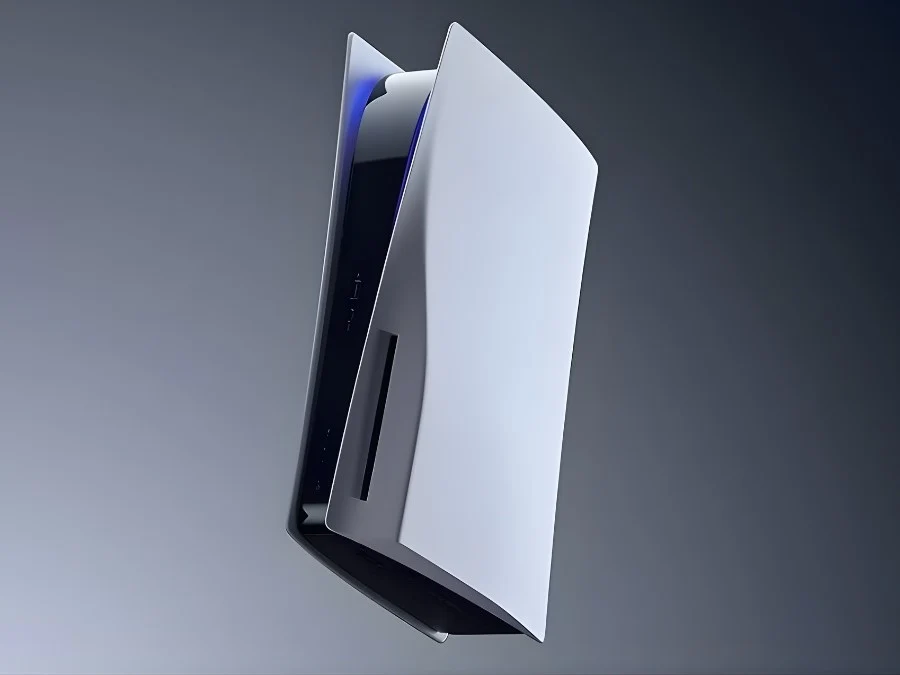
Sony is not exempt from this dilemma. Recent reports indicate that the launch of the PS6 might be delayed until 2028 or 2029, instead of the previously planned 2027, primarily due to increasing costs of memory and components. While this impacts long-term strategies, Sony is also focusing on managing current pressures with the PS5.
In an earnings call held earlier this month, CFO Lin Tao stated that Sony has secured sufficient memory supply to maintain stable PS5 pricing through 2026. The company is also working on negotiating with suppliers to ensure they can fulfill customer demands.
Navigating Rising Costs
Nonetheless, the escalating memory prices will eventually affect the business. To address this, Sony aims to monetize the “installed base.” Essentially, this means generating additional revenue from current PlayStation users rather than depending solely on hardware sales. The company also seeks to enhance its revenue from software and network services, which include digital game sales, add-ons, subscriptions, and various online services.
Given where we are in the console cycle, our strategy for hardware sales can be adjusted flexibly, and we plan to lessen the effects of increased memory costs on this segment moving forward by focusing on monetizing the installed base and expanding our software and network services revenue.
Impact on Gamers
If Sony successfully implements this strategy, gamers might notice the effects in various ways. Game prices could gradually increase, and substantial discounts during sales events might become rarer. Additionally, the PlayStation Plus subscription may see a price increase, particularly for the Premium and Extra tiers.
Sony’s approach to handling the memory crisis will be crucial in shaping the future experience for its users.
Source:
Link
Leave a Reply