
Key Takeaways
1. Many smartphones in China are being released with large batteries, some reaching 15,000mAh, but most do not reach the European market due to regulations.
2. The European Agreement on the International Carriage of Dangerous Goods classifies batteries over 20Wh as dangerous, complicating transportation and increasing costs.
3. Batteries exceeding 20Wh cannot be easily imported or traded, as they are often mislabeled and companies refuse to repair them.
4. A potential solution is using multi-cell batteries under 20Wh, but this would make phones thicker and less appealing, which manufacturers are reluctant to do.
5. Current laws limiting battery capacity are not expected to change until at least 2027, despite consumer dissatisfaction with smartphone battery life.
More and more smartphones in China are coming out with really big batteries. Even smaller models, such as the iQOO 15 Mini, feature a 7,000mAh capacity, while brands like Realme are working on thinner devices that could have as much as 15,000mAh. Still, many of these high-capacity smartphones never reach the European market, and others, like the Xiaomi 15 Ultra, are sold with smaller batteries.
Reasons Behind the Restrictions
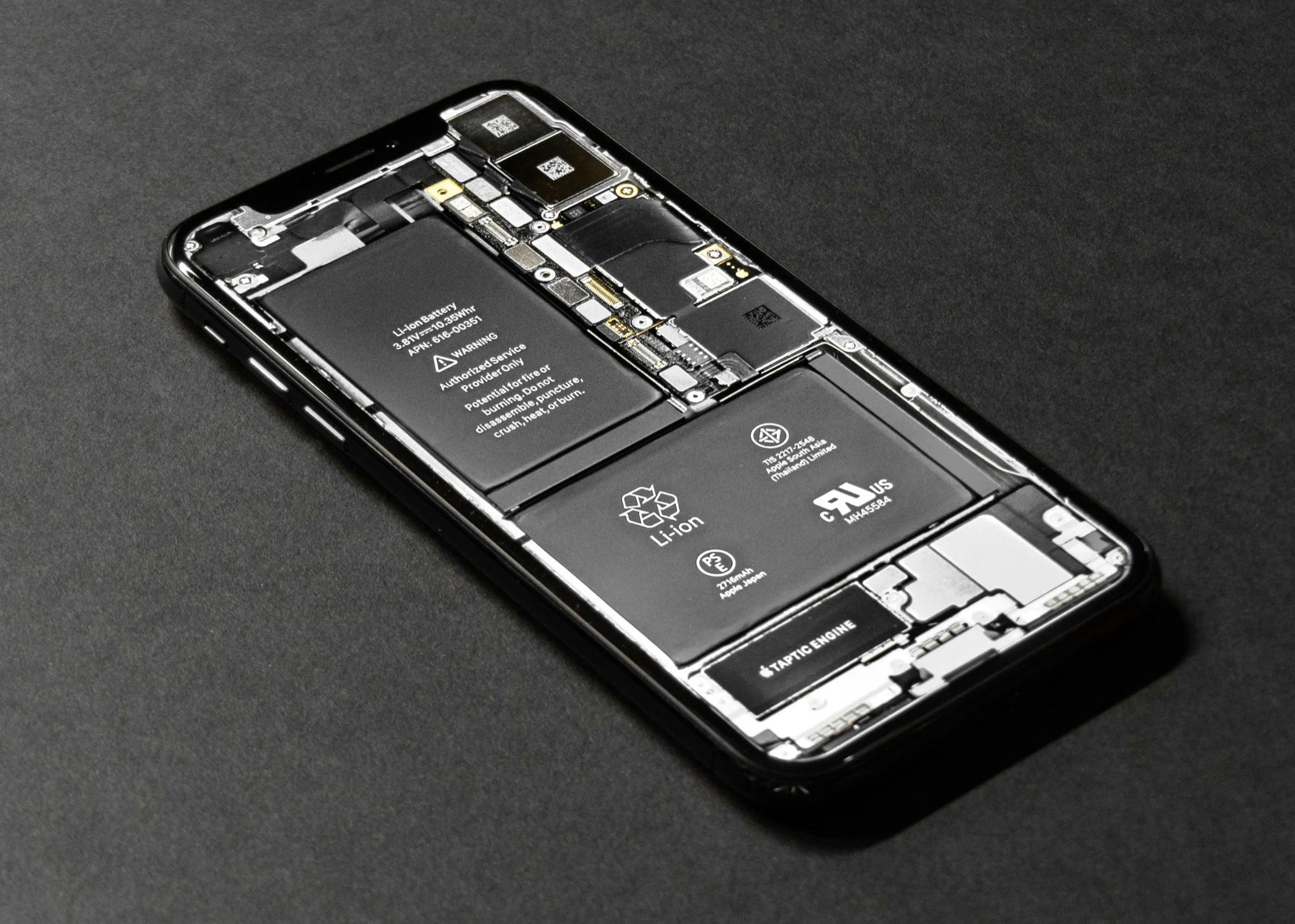
The main reason for this is the European Agreement on the International Carriage of Dangerous Goods by Road (ADR), which states that battery cells over 20Wh need to be classified as dangerous goods. This requirement not only raises transportation costs but also complicates the process, since only a few shipping companies will handle packages classified as dangerous.
Importing Challenges
20Wh is roughly equal to about 5,200mAh when considering the standard voltage of smartphone batteries. In theory, consumers can import phones with bigger batteries from places like France or China. However, as noted by Ingram, many of these devices are often mislabeled, making their transport illegal. Additionally, users should keep in mind that devices with batteries exceeding 20Wh usually can’t be repaired or traded in, as companies often refuse them due to the added logistical challenges.
Possible Solutions
The most straightforward way to deal with this issue is to use batteries made up of multiple cells. If each individual cell is under 20Wh, it allows for much larger batteries to be installed. This is why laptops, gaming devices, and tablets can have larger batteries without facing the same issues.
However, Vivo argues that this isn’t a viable solution, since multi-cell batteries take up more room and would make phones thicker and heavier, making them less appealing. The EU and US markets are simply not large enough to justify creating a new production line for smartphones with a thicker build and multi-cell batteries, according to Vivo. Instead, they send the same batteries to Europe as they do to China, but with lower voltage to remain within the 20Wh limit.
For instance, the Vivo X200 Pro typically has a 6,000mAh battery in most areas, but in Germany and Austria, it is only 5,200mAh. The industry is pushing for a change in the laws, but any adjustments are not expected until at least 2027, and there are no concrete plans to revise the current battery capacity limit. Despite a survey from Vivo showing that two-thirds of users are unhappy with their smartphone battery life, no improvements are anticipated in the near future.
Source:
Link
Leave a Reply