
Key Takeaways
1. The new Isocell HP5 sensor has a 200 MP resolution in a smaller 1/1.56-inch format, allowing for compact lenses.
2. Ideal for ultra-wide-angle and telephoto cameras, the Isocell HP5 is expected to be used in the Oppo Find X9 Pro.
3. Enhanced micro lenses aim to improve light capture and reduce reflections for better image quality.
4. Features include dual in-sensor zoom and HDR image merging from three exposures in under two seconds.
5. Supports 8K video at 30 fps, 4K at 120 fps, and 1080p slow-motion at 480 fps, with potential for 14-bit RAW file storage.
Until now, Samsung’s smallest sensor was the Isocell HP9, which came in a 1/1.4-inch size and had a resolution of 200 MP. However, things are changing with the introduction of the new Isocell HP5. This new sensor offers the same pixel count but in a smaller 1/1.56-inch format, reducing each pixel size from 0.56 µm to just 0.5 µm. The key benefit of this smaller sensor is that it allows for more compact lenses to be used.
Ideal for Various Camera Types
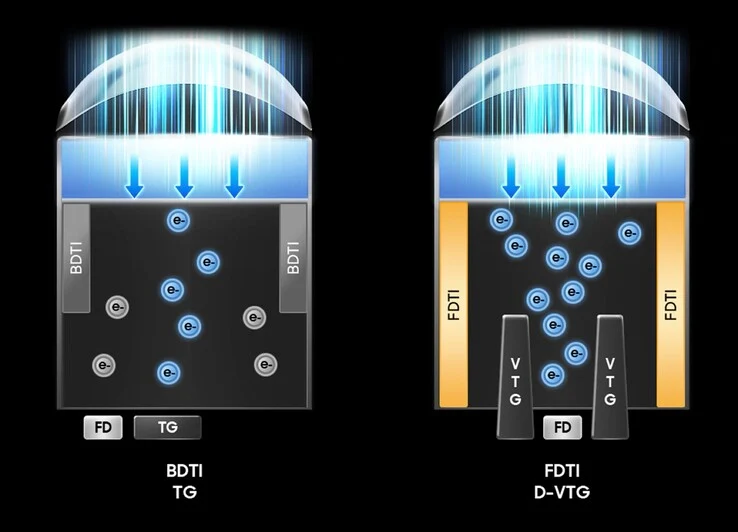
Due to its size, the Isocell HP5 is considered perfect for ultra-wide-angle and telephoto cameras, which typically use smaller sensors compared to the main smartphone camera. It’s anticipated that the Oppo Find X9 Pro will utilize this particular sensor in its telephoto camera. To ensure that image quality remains high and light intensity is sufficient, Samsung is enhancing the micro lenses in front of the sensor, aiming to boost light capture and minimize unwanted reflections.
Advanced Features for Photography
The sensor is said to feature dual in-sensor zoom, which should provide better quality digital zoom and extend the capabilities of telephoto cameras. Additionally, it can merge three photos taken with different exposures into one HDR image, which can be done in under two seconds, even at the full resolution of 200 MP. When taking pictures at a resolution of 16,384 x 12,288 pixels, the sensor can shoot at a rate of 7.5 images per second.
8K video recording is achievable at 30 frames per second, while 4K videos can be recorded at speeds of up to 120 fps, and 1080p slow-motion can hit 480 fps. Finally, the sensor should be able to store 14-bit RAW files, assuming the smartphone it’s in can support such a feature.
Source:
Link

Leave a Reply