
Key Takeaways
1. HydroSpread is a new method developed by scientists at the University of Virginia for creating ultrathin flexible robots directly on water surfaces.
2. This technique eliminates the challenge of damaging thin robots when transferring them from solid surfaces to water.
3. The process uses liquid polymer ink, specifically polydimethylsiloxane (PDMS), which forms thin films that can be accurately shaped with a laser.
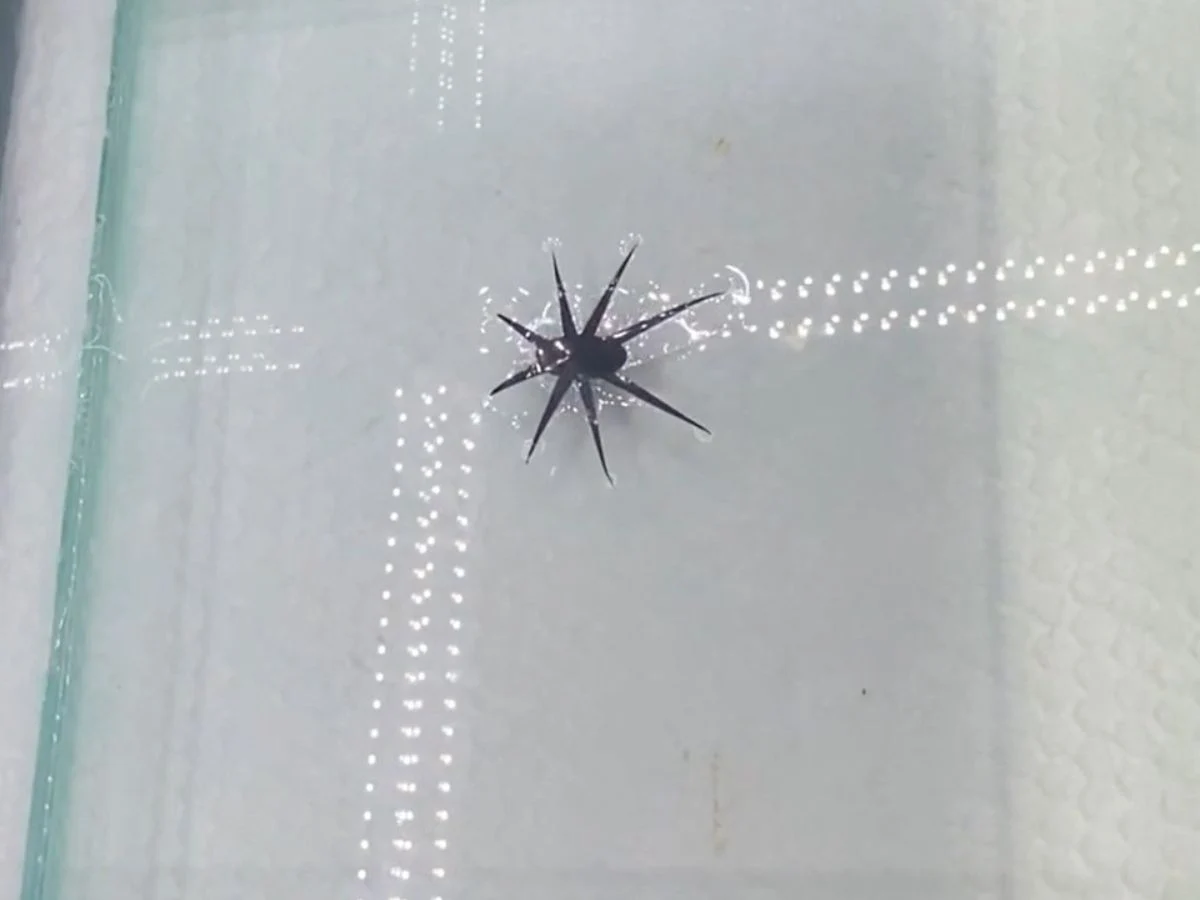
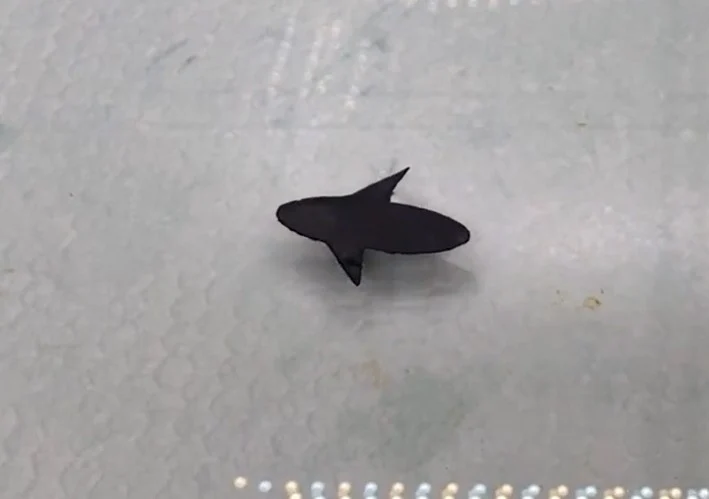
4. Researchers created two prototypes: HydroFlexor, with fin-like paddles, and HydroBuckler, mimicking the movement of water-strider insects, both powered by infrared heat.
5. The HydroSpread method may also be applied to produce ultrathin films for wearable medical devices and flexible electronics.
A group of scientists at the University of Virginia’s School of Engineering and Applied Science has come up with a new method called HydroSpread that lets them create ultrathin flexible robots right on the surface of water. This innovative technique, explained in the journal Science Advances, removes a tricky step in manufacturing and might lead to mass production of tiny robots for uses like environmental monitoring and search and rescue operations.
Overcoming Challenges
One of the biggest hurdles in making robots that can walk on water is that their super thin bodies often get damaged when moving them from the hard surface where they are made to the water. HydroSpread tackles this issue by allowing the film to be created directly on water. The process begins by laying down a liquid polymer ink onto the water surface.
Precision in Production
For their experiments, the team used polydimethylsiloxane (PDMS) on the water, where it spread out into thin, layered films. A laser is then utilized to accurately design the films into the wanted shapes. According to the researchers, this approach provides more accuracy compared to making them on solid surfaces. The reason is that the water quickly draws away heat from the laser, keeping it from overheating, which can cause flaws in the patterns.
Innovative Prototypes
Using this new method, the researchers created two prototype devices: HydroFlexor, which moves with fin-like paddles, and HydroBuckler, which imitates the walking motion of water-strider insects. These robots are powered by heat from an external infrared source, leading the two layers of the film to expand at different paces, thus generating movement.
The team also mentions that this technique could find uses in making ultrathin films for wearable medical gadgets and flexible parts for future electronics.
Source:
Link
Leave a Reply