
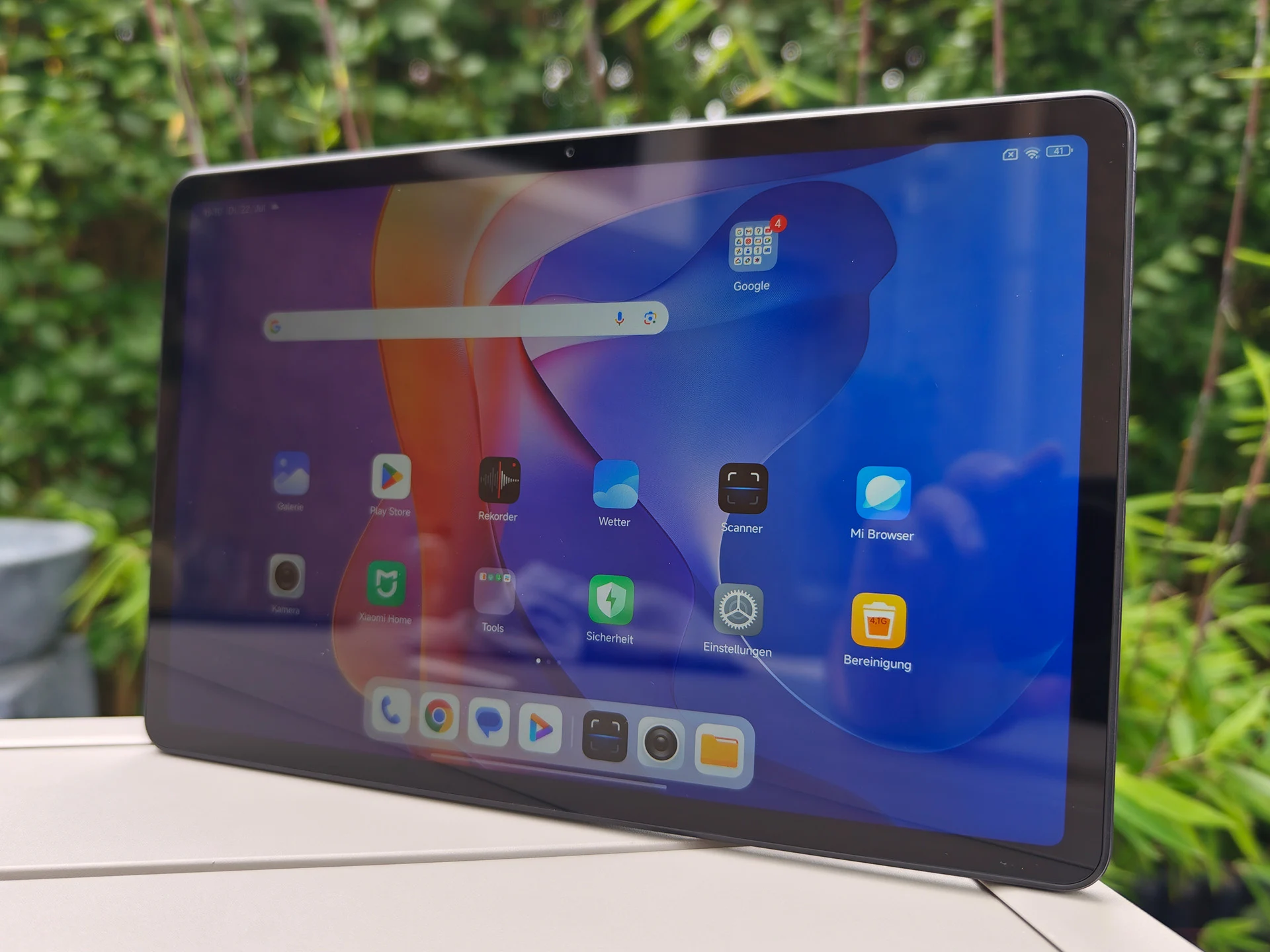
Key Takeaways
1. Affordability and MicroSD Expansion: The Xiaomi Redmi Pad 2 4G maintains its focus on being budget-friendly and supports microSD expansion for additional storage.
2. Build Quality and Design Changes: The new model features a sturdier aluminum chassis but is heavier, with a plastic strip on the back and a hybrid SIM/microSD card slot.
3. Software and Update Commitment: It runs on Android 15 and HyperOS 2.0, with promised updates until June 2032, though the frequency and number of major updates remain unclear.
4. Basic Camera and Display Performance: The tablet has functional cameras and an 11-inch LCD display with good pixel density but lacks HDR support and has limitations in outdoor brightness.
5. Multimedia Features and Limitations: Equipped with four speakers, LTE, and a headphone jack, it offers decent multimedia capabilities but has drawbacks like a weak ambient light sensor and basic camera setup.
The Xiaomi Redmi Pad 2 4G is a follow-up to the original Redmi Pad. Even though it took three years for this new model to arrive and it doesn’t bring many fresh features, it still sticks to its main strengths: affordability and the option for microSD expansion.
New Additions and Changes
This latest version includes a headphone jack and support for cellular connectivity. The aluminum chassis is sturdier, though the weight has increased by 74 grams from the previous model. At first glance, the quality of construction seems robust, but it now has a plastic strip on the back and a card slot that isn’t flush. The hybrid slot accommodates either two nano-SIM cards or one SIM and one microSD card. While it has an older Wi-Fi 5 module, it remains adequate for daily tasks. The optional stylus performs well, although it doesn’t quite mimic the natural feeling of writing. The security features are limited to a somewhat unreliable facial recognition system, and there is no vibration motor present.
Software and Updates
On the software front, the tablet comes with Android 15 and HyperOS 2.0, and Xiaomi claims updates will continue until June 2032. However, it’s uncertain how many major updates will happen or how often security patches will be issued. The security and system updates included during the review were already outdated.
Camera and Display Quality
When it comes to the cameras, they are basic but functional: the front camera has decent color accuracy but lacks detail. The main camera produces acceptable images in good lighting, and even the 2x zoom holds up reasonably well. Full HD video recording is possible at 30 frames per second, though it lacks optical image stabilization.
The 11-inch LCD display stands out with its high pixel density, good contrast, and low black levels, but it does not support HDR and typically reaches around 400 cd/m² brightness, despite the manufacturer stating it can go up to 600 cd/m² in outdoor mode.
Conclusion
The Redmi Pad 2 4G offers good value for an affordable tablet equipped with decent multimedia features. It includes four speakers, LTE, FM radio, a headphone jack, and the ability to expand storage. However, it does have limitations such as its display’s performance outdoors, a weak ambient light sensor, and a basic camera setup. Nevertheless, its relatively low price makes it a compelling option in its category, making it one to think about.
Source:
Link
Leave a Reply