
Key Takeaways
– Inexpensive Wi-Fi chips, like the $5 ESP32, can track heart rates as accurately as high-end devices such as the Apple Watch 10.
– The Raspberry Pi outperformed expectations by analyzing Wi-Fi Channel State Information (CSI) data with AI algorithms for heart rate measurement.
– Wi-Fi channel characteristics change slightly with each heartbeat and breath, allowing for accurate pulse detection through machine learning.
– The system can measure heart rates regardless of participants’ positions, making it versatile for various settings.
– Researchers are expanding their work to include breathing rate detection, which could aid those with sleep apnea.
Cheap Wi-fi chips, similar to those in a $30 Raspberry Pi, can accurately measure human pulse, rivaling clinical heart rate monitors and pricey fitness trackers like the Apple Watch.
Pulse-Fi Study Insights
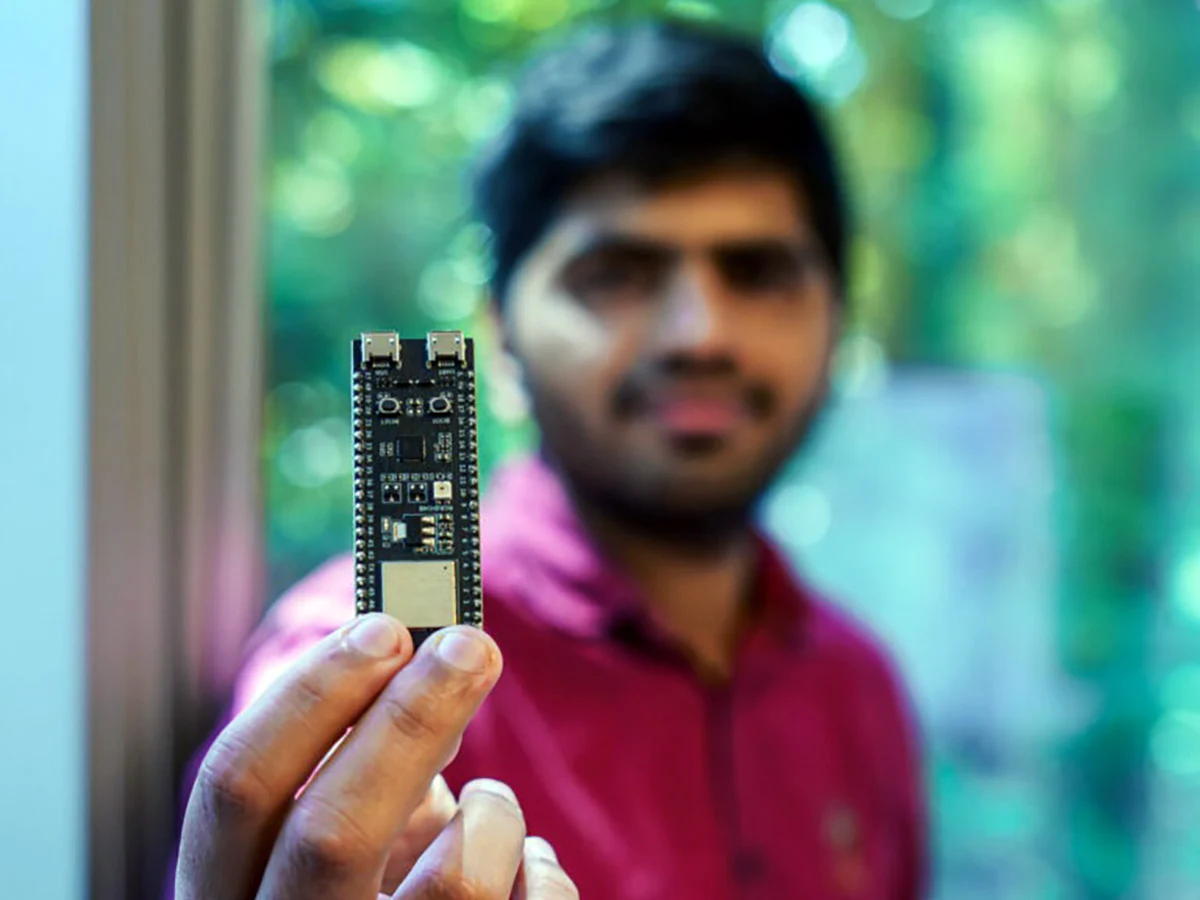
Researchers from UCSC, who led the Pulse-Fi study, found that a basic Wi-Fi network made with a $5 ESP32 chip can track heart rates as effectively as the Apple Watch 10, which is currently on sale at $359 on Amazon. The findings show that these inexpensive devices can perform on par with much costlier options.
The Raspberry Pi’s test results were even better, as the researchers analyzed Wi-Fi Channel State Information (CSI) data through AI algorithms to determine the heart rates of over 100 participants in the study.
How It Works
The Wi-Fi channel characteristics, such as phase, frequency in the environment, and amplitude, change slightly with every breath and heartbeat. These tiny variations are filtered using machine learning algorithms that eliminate other factors affecting CSI, allowing the Raspberry Pi to accurately measure the pulse of all 118 participants in the research.
Interestingly, the Wi-Fi network was capable of detecting heart rates regardless of the participants’ positions—whether they were moving, standing, sitting, or lying down.
Development of the System
To accomplish this, the team had to build a database from the ground up and utilize a clinical-grade oximeter as a reference device. This helped the AI algorithms learn which changes in Wi-Fi channel frequency or amplitude were associated with a heartbeat and which were due to other interferences.
The AI system they implemented allowed for pulse detection from a greater distance, enabling casual heart rate monitoring through Wi-Fi networks using the Pulse-Fi algorithm. In addition to heart rate detection, the UCSC researchers are now also focusing on recognizing breathing rate patterns, which could benefit individuals suffering from sleep apnea.
Source:
Link


Leave a Reply