
Key Takeaways
1. Microsoft will end support for Windows 10 on October 14, 2025, leaving companies without security updates or assistance.
2. UK businesses must choose between transitioning to Windows 11 or paying for costly Extended Security Updates (ESU), which will increase in price annually.
3. A survey revealed that over half of UK IT decision-makers doubt their ability to maintain device security without migration or ESU, highlighting significant concerns about cyber threats.
4. German firms showed less anxiety about security risks and costs compared to UK businesses, indicating a disparity in preparedness.
5. Compatibility issues with applications and software are a major challenge for 47% of IT managers planning the transition to Windows 11, risking disruptions in operations.
Microsoft is set to end support for Windows 10 on October 14, 2025, which means no more security updates or technical assistance. In some areas, customers can access a year of Extended Security Updates (ESU) for free, but the UK is excluded from this benefit. This situation leaves British companies with two choices: either transition to Windows 11 or pay for ESU subscriptions, which will see their prices rise annually.
Survey Insights
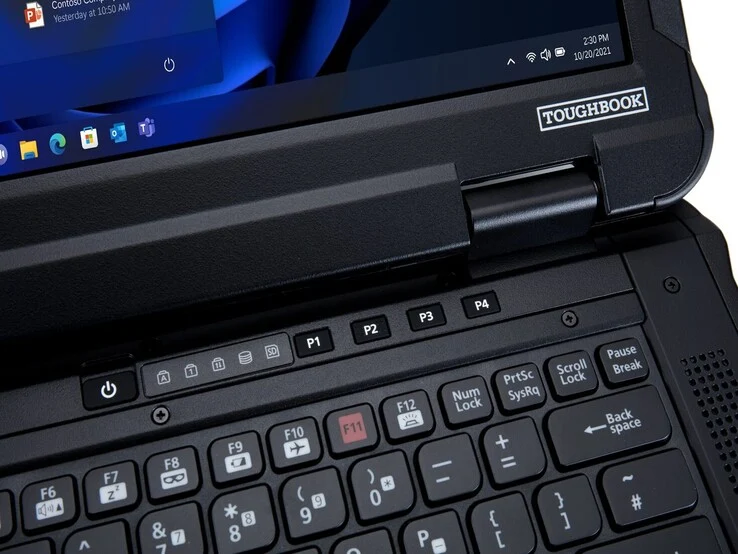
Panasonic TOUGHBOOK carried out a survey involving 200 IT decision-makers from the UK and Germany. The findings highlight significant worries among UK participants:
Over half of the respondents expressed doubts about their ability to maintain device security if they either fail to migrate or opt-out of ESU.
Chris Turner, who is the Head of Go-to-Market at Panasonic TOUGHBOOK Europe, emphasized the seriousness of the situation:
“Postponing the transition to Windows 11 or choosing not to engage in Microsoft’s Extended Security Updates brings considerable risks for UK firms, including increased susceptibility to cyber threats, compliance issues, and rising costs. With Windows 10 support ending shortly, outdated systems will miss out on vital patches. This scenario could leave companies, especially those in crucial infrastructure sectors, vulnerable to ransomware and operational setbacks.”
Comparison with German Firms
Turner pointed out that German organizations surveyed showed less concern regarding these risks, while UK businesses exhibited significantly greater anxiety about security threats and associated costs.
Panasonic’s broader report outlines the financial implications. For a company managing 1,000 Windows 10 devices, ESU fees might accumulate to more than £340,000 in unforeseen charges once Microsoft’s per-device pricing is considered. The cost doubles each year for up to three years, making it an impractical temporary fix rather than a viable long-term strategy.
Compatibility Concerns
Beyond the financial aspect, software support presents another challenge. 47% of IT managers identified application and software compatibility as their primary hurdle when planning the transition to Windows 11. Many organizations anticipate disruptions as older hardware and essential business applications become unsupported.
The message from both Microsoft and Panasonic is straightforward: inaction is not a safe option. Unsupported systems are prime targets for ransomware attacks, while compliance issues could result in regulatory penalties. For companies involved in critical services, the stakes extend beyond financial loss — outages or compromised systems can jeopardize public safety and operational stability.
While Microsoft’s ESU program might provide temporary relief, it comes at a high cost and is short-lived. For most organizations, planning migration is no longer a matter of choice. As Turner stated, avoiding “decision paralysis” is crucial: delaying action until the last moment could turn out to be both the most expensive and risky decision.
Source:
N/A)
Leave a Reply