
Key Takeaways
1. Smart wearables claim to monitor sleep and stress, which can help users make lifestyle changes for better health.
2. A study at Leiden University found that the accuracy of these devices may be questionable, especially for stress measurements.
3. The study involved 781 students using the Vivosmart 4 device over three months, with EMA surveys assessing sleep, fatigue, and stress.
4. While wearables accurately tracked sleep and fatigue, their stress readings did not align with EMA data.
5. The findings suggest that wearable devices may not be reliable for monitoring stress, raising concerns for users who depend on them for health insights.
An increasing number of smart wearables are claiming to monitor how well users are sleeping and how much stress they are experiencing. This information is important as it may help people make lifestyle changes to tackle significant health issues that could arise.
New Study Findings
However, a recent study suggests that the accuracy of these devices may not be as reliable as they claim. Conducted at Leiden University in the Netherlands, the research involved 781 students who wore the same device for three months. During this period, they were also asked to fill out ecological momentary assessment (EMA) surveys, which focused on their own experiences of sleep, fatigue, and stress.
Diverging Results
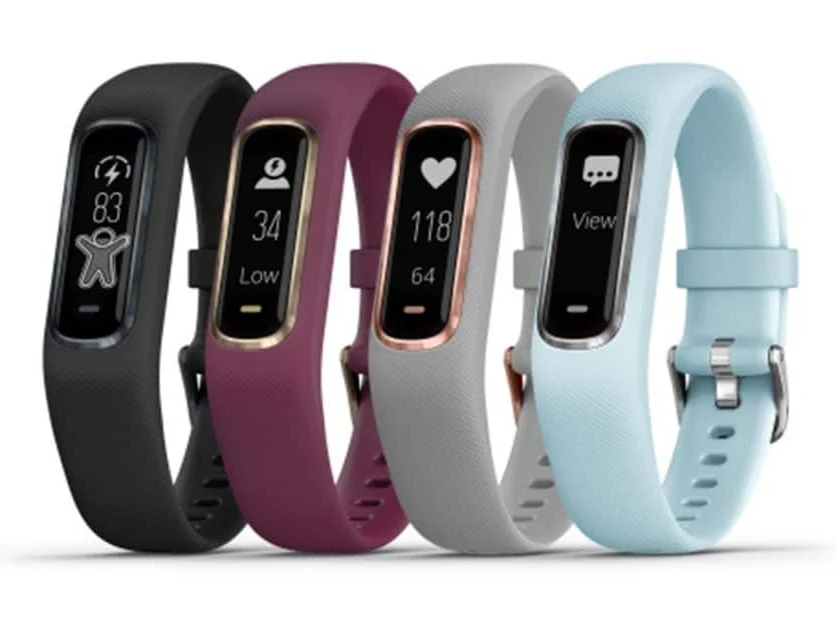
The findings showed that while the EMA data matched well with the wearables’ readings for fatigue and sleep, they did not align when it came to measuring stress levels. It’s worth mentioning that the study only examined one specific device: the Vivosmart 4, which was released around 2018 and later discontinued by Garmin in favor of the updated Vivosmart 5, available for $149.99 on Amazon since 2022.
This raises questions as it seems Garmin’s method for evaluating stress might be different from the EMA approach, which could have influenced the study’s results.
Implications of the Study
Overall, the research is now being seen as an indication that most wearable devices designed to track stress may not be very accurate. The implications could be significant for users who rely on these gadgets to monitor their health and wellbeing, as stated in the Journal of Psychopathology and Clinical Science.
Source:
Link


Leave a Reply