
Key Takeaways
1. The mesopause is the coldest part of the atmosphere, located 53 to 65 miles above sea level, with temperatures dropping to nearly −148 °F (−100 °C).
2. It acts as a crucial energy transfer point between the lower atmosphere and outer space, affecting atmospheric density and satellite drag.
3. The TOMEX+ mission aims to study turbulence in the mesopause by focusing on the sodium layer formed by burning meteors.
4. The mission will launch three rockets to collect data on wind patterns and sodium atom movements, using vapor tracers and lidar technology.
5. The launch has faced delays due to cloudy weather, with a new scheduled date of no earlier than August 21.
The mesopause is known as the coldest part of our atmosphere, with temperatures dropping to almost −148 °F (−100 °C). This area is situated about 53 to 65 miles (85 to 105 km) above sea level, serving as the division between the mesosphere and the thermosphere.
Energy Transfer Between Layers
The mesopause plays a crucial role in connecting Earth to outer space by moving energy from the lower atmosphere upwards. This movement can lead to variations in atmospheric density, which may increase the drag experienced by satellites orbiting the planet.
The TOMEX+ Mission
To observe the turbulence found in the mesopause, the TOMEX+ (Turbulent Oxygen Mixing Experiment Plus) mission will concentrate on the sodium layer of the atmosphere. This layer is formed by the small meteors that burn up as they enter Earth’s atmosphere. A special laser will excite sodium atoms, causing them to emit light, and the patterns of this light will help researchers measure turbulence levels in the area.
Launch Plans and Delays
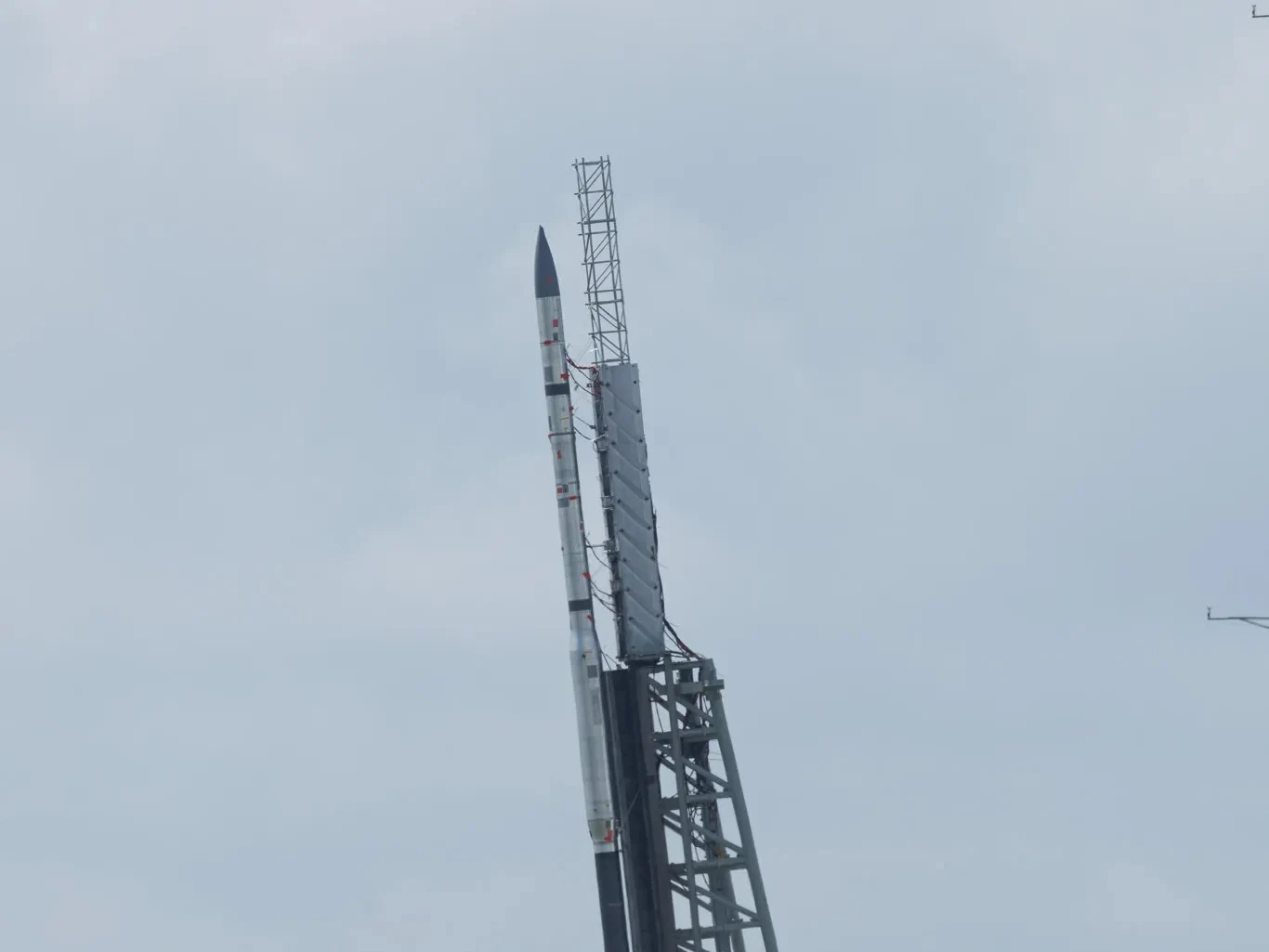
The TOMEX+ mission, which is an improved version of the TOMEX rocket launched back in 2000, will involve the launch of three rockets. The first two will carry vapor tracers and will be launched just a minute apart. The third rocket, which is scheduled to launch about five minutes later, will carry a lidar (light detection and ranging) instrument. The vapor tracers will observe wind patterns, while the lidar will map the sodium atom movements. Together, the data collected will provide insights into the turbulence present in the mesopause.
Originally planned for August 18, the mission has been delayed twice and is now set to launch from NASA’s Wallops Flight Facility no earlier than August 21. The delays were caused by cloudy weather conditions.
Source:
Link
Leave a Reply