
Key Takeaways
1. HALE InSAR is a lightweight radar tool designed for detecting Earth’s surface changes with millimeter accuracy.
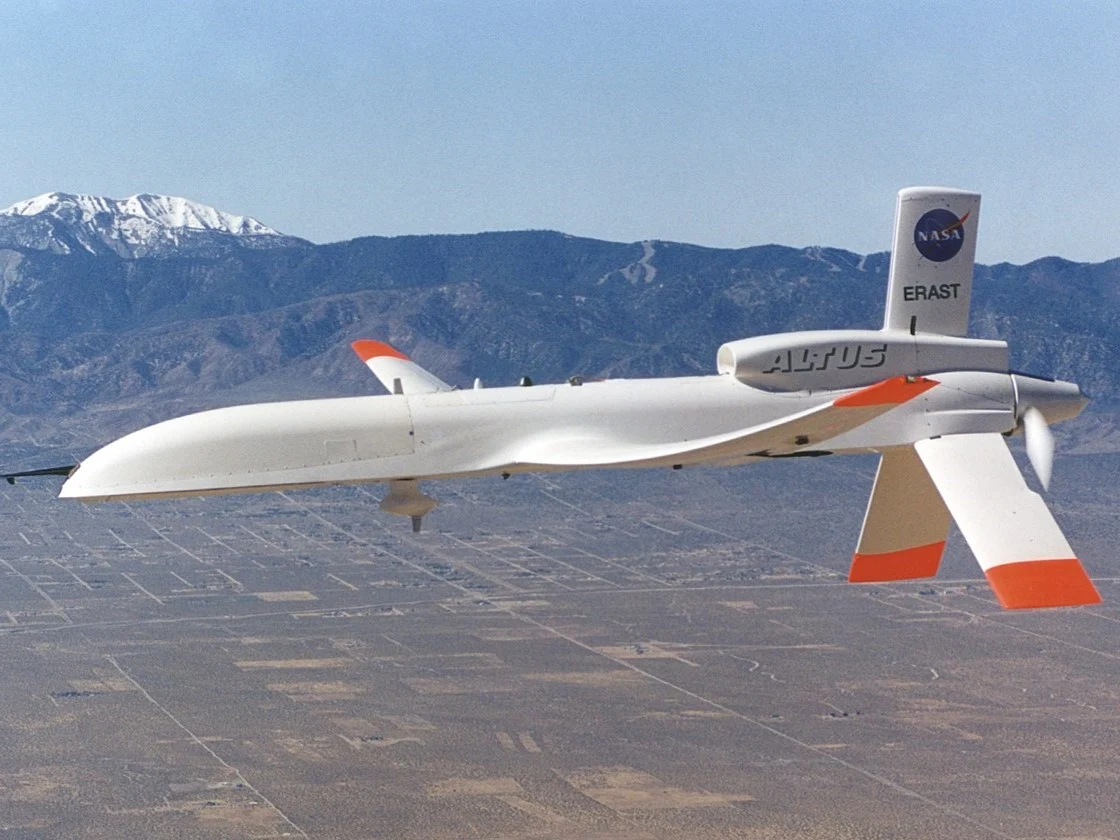
2. Weighing under 15 pounds, it can be mounted on various HALE vehicles that can operate for extended periods at high altitudes.
3. The device has low power requirements, needing less than 300 W, making it energy-efficient.
4. It can self-locate without GPS, enabling functionality in areas with unreliable GPS signals.
5. HALE InSAR has been tested successfully on an airship and stratospheric balloons, with plans for future tests on HALE aircraft and potential use in Earth’s orbit.
HALE InSAR is a radar tool created by Aloft Sensing with the support of NASA’s Earth Science Technology Office (ESTO). This device is a small Interferometric Synthetic Aperture Radar (InSAR) mounted on a HALE (High-altitude Long-endurance) platform. It uses radio waves to detect changes in the Earth’s surface with remarkably precise millimeter accuracy.
Advantages of HALE InSAR
Although there are already InSAR devices available, HALE InSAR stands out due to its lightweight and compact design, weighing under 15 pounds (7 kilograms). Its small size allows it to be used on various types of HALE vehicles, which are lightweight and can operate for years without stopping, flying at altitudes as high as 13 miles (21 kilometers) above sea level.
Performance and Features
Not only is HALE InSAR lightweight, but it also has low power requirements, needing less than 300 W. A unique aspect of this system is its capability to locate itself without GPS, making it functional in areas where GPS signals may not be reliable. Additionally, it can adjust its focus without needing to move, thanks to its flat phased array antenna.
The HALE InSAR device has been successfully tested on an airship at 65,000 feet (19,800 meters) and small stratospheric balloons. Its next test will involve a HALE aircraft, and there are plans for it to potentially reach Earth’s orbit in the future.
Source:
Link
Leave a Reply