
Key Takeaways
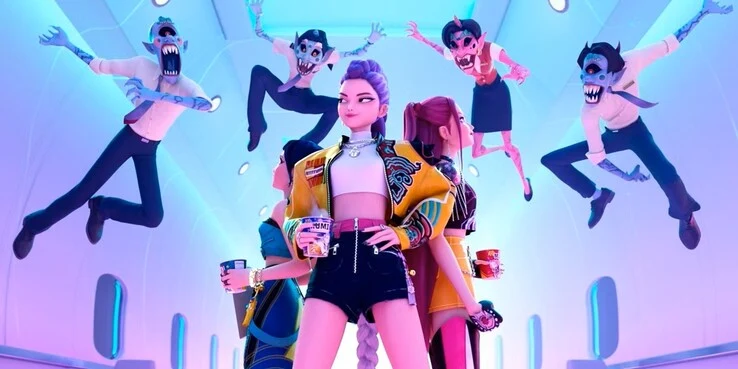
1. Innovative Animation Style: The film blends 2D and 3D animation, creating a dynamic visual experience that enhances character emotions and maintains a cinematic feel.
2. Plot and Character Dynamics: The story follows the K-pop girl group Huntr/x as they use their music and magical abilities to combat soul-stealing demons, emphasizing themes of friendship and teamwork.
3. Cultural Authenticity: The film integrates Korean cultural elements, including traditional clothing and mythology, contributing to its originality and setting it apart from Western animation.
4. Musical Integration: The soundtrack, featuring contributions from K-pop industry professionals, plays a crucial role in the narrative, with songs serving as emotional expressions and plot devices.
5. Commercial Success: K-Pop Demon Hunters became a record-breaking hit on Netflix, surpassing previous records for views and demonstrating its global appeal and cultural significance.
The animation of K-Pop Demon Hunters in 2025 pushed limits by mixing 2D style with immersive 3D settings. This blend resulted in a lively, dynamic appearance that distinguishes it from traditional animation methods. This mix enables characters to show more emotion while keeping a cinematic feel. The outcome is visually impressive and narratively engaging for audiences.
Plot Overview
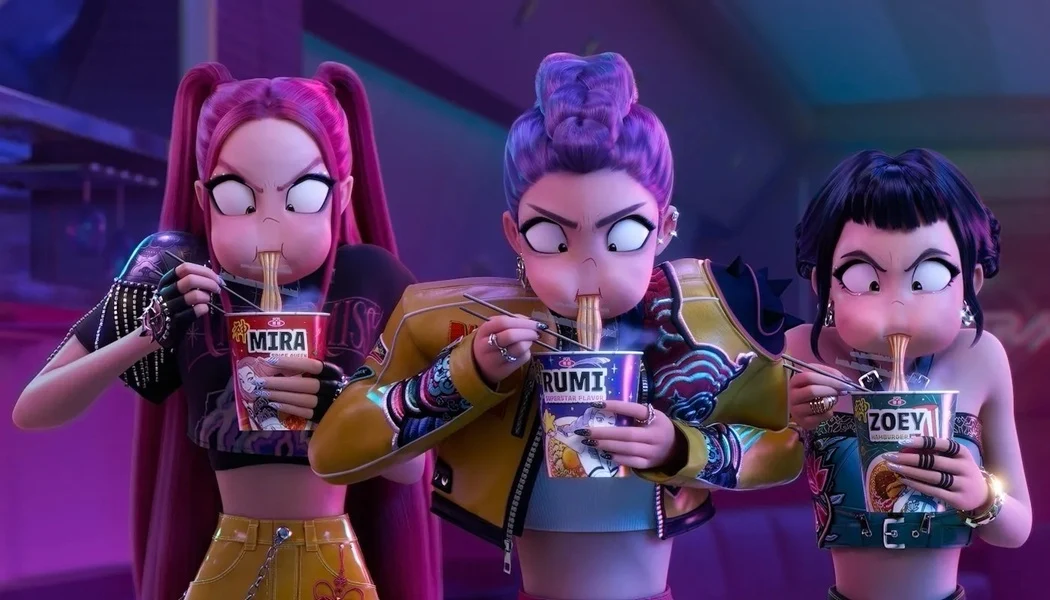
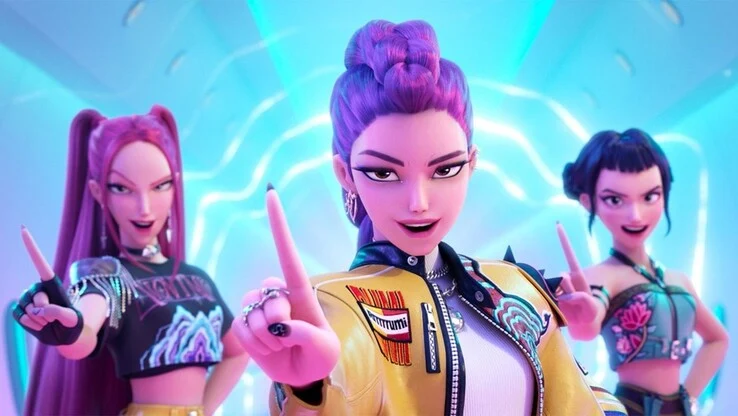
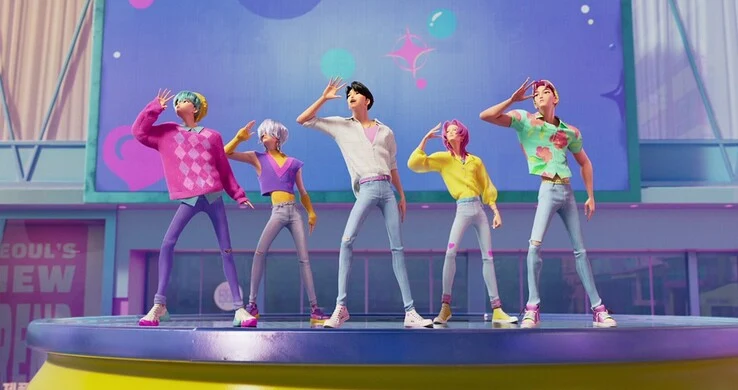
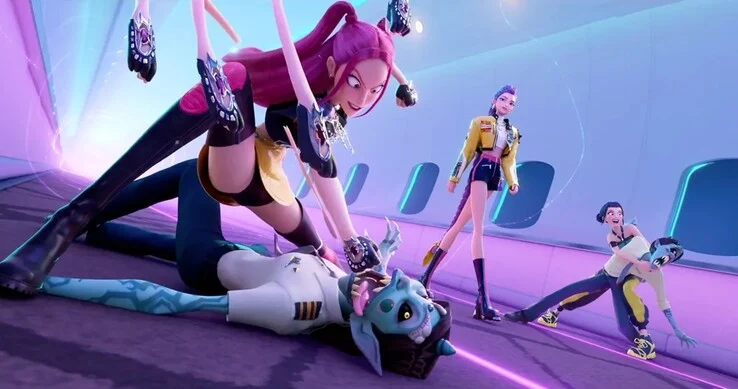
K-Pop Demon Hunters centers around Huntr/x, a famous K-pop girl group made up of Rumi, Mira, and Zoey, who secretly use their musical talents and hidden magical gifts to combat soul-stealing demons. When a rival demon boy band known as the “Saja Boys” appears to capture fans’ souls, the Huntr/x trio must unite their music, combat skills, and friendship to safeguard humanity and activate a powerful magical barrier called the Honmoon.
Animation Inspiration
The film takes significant cues from anime, featuring striking hairstyles, unique facial designs, and dramatic expressions. Director Chris Appelhans remarked that he and co-director Maggie Kang drew a lot of inspiration from anime aesthetics but created a CG version. This approach allowed characters to break away from strict realism to achieve highly dynamic motion and emotion. Kang noted, “The animators altered the characters’ facial expressions based on the context, allowing them to be glamorous pop stars while also having funny and exaggerated looks.”
Technical Achievements
A key aspect of K-Pop Demon Hunters’ animation was its implementation of variable frame rates. The animation often operated “on twos,” giving it a bold, graphic style reminiscent of comic books and classic animation. This intentional choice added to the overall stylized vibe of the film.
The animators heavily utilized smear frames and omitted in-betweens, especially during fight scenes. These techniques not only heightened the intensity of action sequences but also helped streamline production. Alongside creative camera work, every battle feels vibrant and impactful. Appelhans expressed, “The studio aimed to explore new avenues that we haven’t previously seen in animation.”
Character Design
One notable aspect was the film’s ability to balance character charm with bold exaggeration. The directors aimed to avoid the common fear of making female characters appear “ugly,” instead opting for realistic, unrefined behaviors coupled with exaggerated expressions. This character design method provides each character with a unique personality while still being connected to the group dynamic.
Musical Elements
Music plays a vital role in the film’s storyline. The soundtrack was crafted by leading professionals from the K-pop industry, including Teddy Park from The Black Label, who has collaborated with groups such as Black Pink.
The original songs serve not only as background tracks but also as critical plot elements that express emotions and even function as weapons. For instance, Huntr/x’s track “Takedown” is an aggressive diss aimed at their opponents, whereas the Saja Boys’ anthem “Your Idol” is designed to manipulate the masses.
The soundtrack also features contributions from real K-pop stars, including members of Twice, who sing an alternate version of “Takedown.”
Cultural Authenticity
K-Pop Demon Hunters rooted its story in Korean cultural authenticity. From modernized hanbok designs to traditional jewelry (norigae) and mythology inspired by demons, the film blends contemporary aesthetics with heritage, which is crucial. Director Maggie previously told the media, “Once they really grounded the mythology into Korean shamanism, it created an opportunity to showcase various eras of Korea and illustrate the evolution of Korean music over time.” These aspects amplify the film’s authenticity and originality, setting it apart from Western animated projects.
Voice Cast
The movie boasts a talented cast with unique speaking and singing voices. For Huntr/x, Arden Cho voices Rumi and EJAE provides vocals. May Hong voices Mira, with vocals from Audrey Nuna. Zoey is voiced by Ji-Young Yoo, while Rei Ami sings her parts. The Saja Boys feature Ahn Hyo-seop as Jinu, with Andrew Choi lending his voice, along with SungWon Cho (ProZD) and Kevin Woo. Notable characters also include Ken Jeong as Bobby, the group’s manager, and Daniel Dae Kim.
Animation Innovation
Besides the technical accomplishments, K-Pop Demon Hunters reaffirmed Sony’s leadership in animation innovation. The film is part of a growing collection of works, alongside Spider-Verse and The Mitchells vs. the Machines, that redefine the visual landscape of mainstream animation. “The studio’s philosophy of not adhering to a ‘house style’ has been a progression that I am thrilled to support,” said Chris Appelhans.
Commercial Success
The film achieved incredible commercial success on Netflix, breaking records. It is currently the most-watched title in Netflix’s history, amassing 266 million views, surpassing the previous record held by Squid Game. The film also dominated the charts in over 35 countries, showcasing its global appeal.
The animation of K-Pop Demon Hunters transcended mere visual attraction… it marked a transformation in how mainstream films merge culture, technology, and aesthetic. With its anime-inspired exaggeration, the blend of 2D and 3D, and cultural integration, the film not only entertained but also inspired with its memorable soundtrack. Director Maggie Kang acknowledged that “she never imagined a movie could achieve such popularity,” underlining the film’s unexpected cultural significance. K-Pop Demon Hunters isn’t just another animated production… it’s essentially where the future of animation is going.
Source:
Link
Leave a Reply