
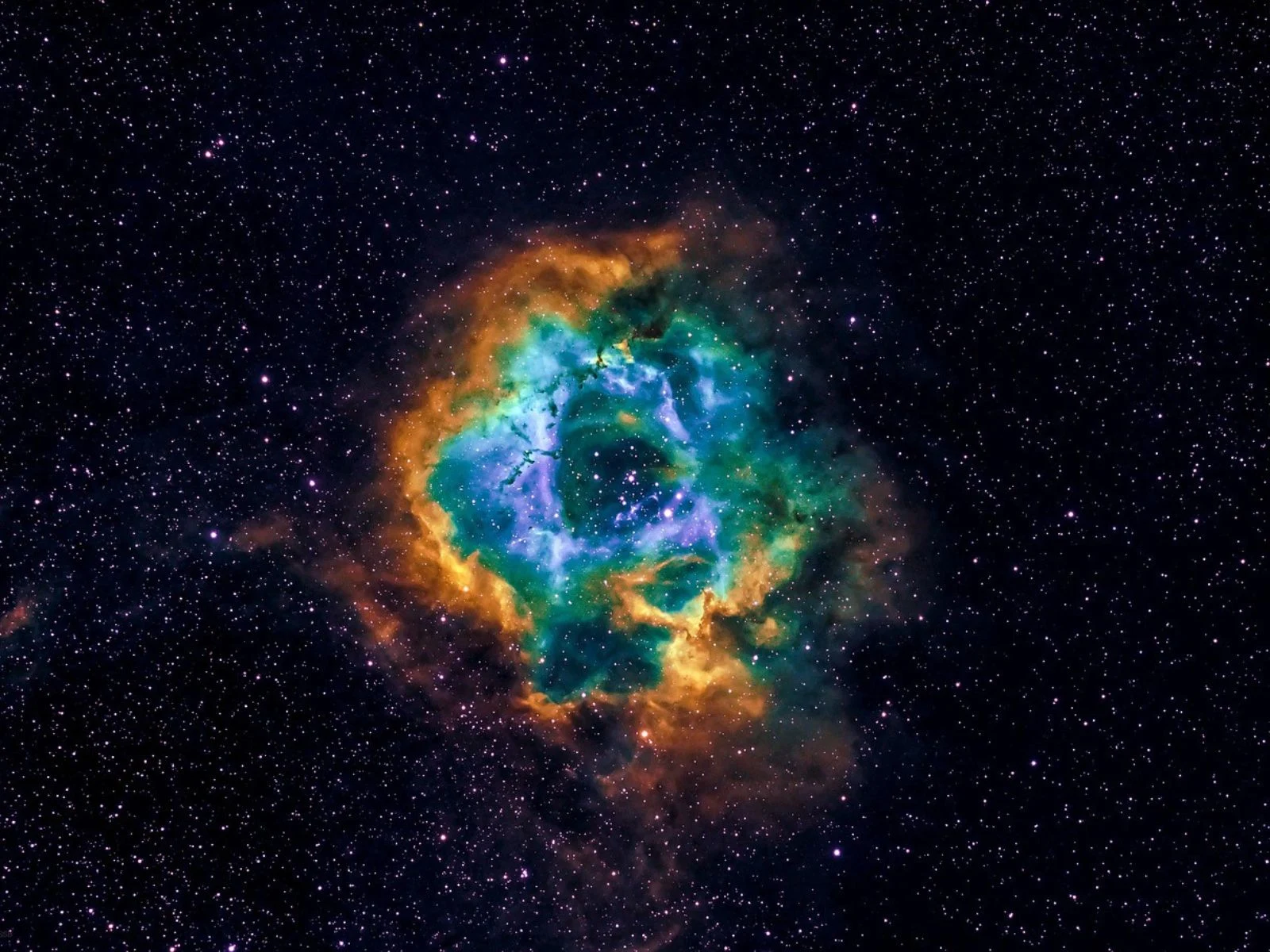
Key Takeaways
1. The Exposed Cranium Nebula (PMR 1) is located 5,000 light-years away and was discovered in 2000.
2. NASA’s James Webb Space Telescope has captured new images that reveal unique details of the nebula.
3. The nebula’s structure includes an outer hydrogen gas shell and a denser core, along with dark twin jets.
4. The central star responsible for the nebula’s formation is nearing the end of its life, but its mass remains uncertain.
5. Further studies of the nebula may uncover additional secrets and deepen our understanding of cosmic phenomena.
The Exposed Cranium Nebula, also refereed to as PMR 1, was found in 2000 and is around 5,000 light-years away from our planet. This nebula, which consists of gas and dust, presents a fascinating enigma for scientists.
New Discoveries with James Webb
Recently, NASA released stunning images captured by the James Webb Space Telescope, showcasing the nebula’s unique characteristics. The telescope’s advanced instruments, such as the NIRCam (Near-Infrared Camera) and the MIRI (Mid-Infrared Instrument), enable us to observe details that were previously hidden from view.
Exploring the Structure
In the visuals produced by these two instruments, we can observe the various stages of this nebula’s development. The outer gas shell is mainly made of hydrogen, while the center features a denser cloud of gas. Additionally, two dark twin jets can be seen in the core of the structure, which might be the result of activity from the central star.
The Mystery Star
The star that led to the formation of this nebula remains shrouded in mystery. Although astronomers have determined that this star is nearing the end of its life, its mass is still unknown. This uncertainty leaves its future ambiguous; it could either explode as a supernova or shrink into a white dwarf if it doesn’t have enough mass. Based on the recent image, it’s likely that some astronomers will take a greater interest in studying this nebula. Further investigations could reveal additional secrets and enhance our understanding of such cosmic phenomena.
Source:
Link
Leave a Reply