
Key Takeaways
1. The moon was once the brightest light in the night sky, but artificial lights now overshadow it, affecting natural rhythms in many species.
2. Over 80% of the global population lives under light-polluted skies, with that number reaching 99% in the US and Europe.
3. Research shows that women’s menstrual cycles were once aligned with the lunar cycle, but this connection has weakened since 2010 due to increased artificial light exposure.
4. Artificial light at night disrupts sleep patterns and biological functions across species, leading to health issues and affecting reproduction in coral reefs.
5. Many small creatures and animals, including marine insects, birds, and turtles, rely on the moon for navigation and timing, but light pollution is causing confusion and detrimental impacts on their survival.
Many people living in cities might not realize this, but the moon was once the brightest light in the night sky until just a short time ago. Nowadays, the moon struggles to shine bright due to all the artificial lights around us, causing disruptions in important natural rhythms for various species, affecting everything from sleep to migration and even menstruation.
The Impact of Urban Light
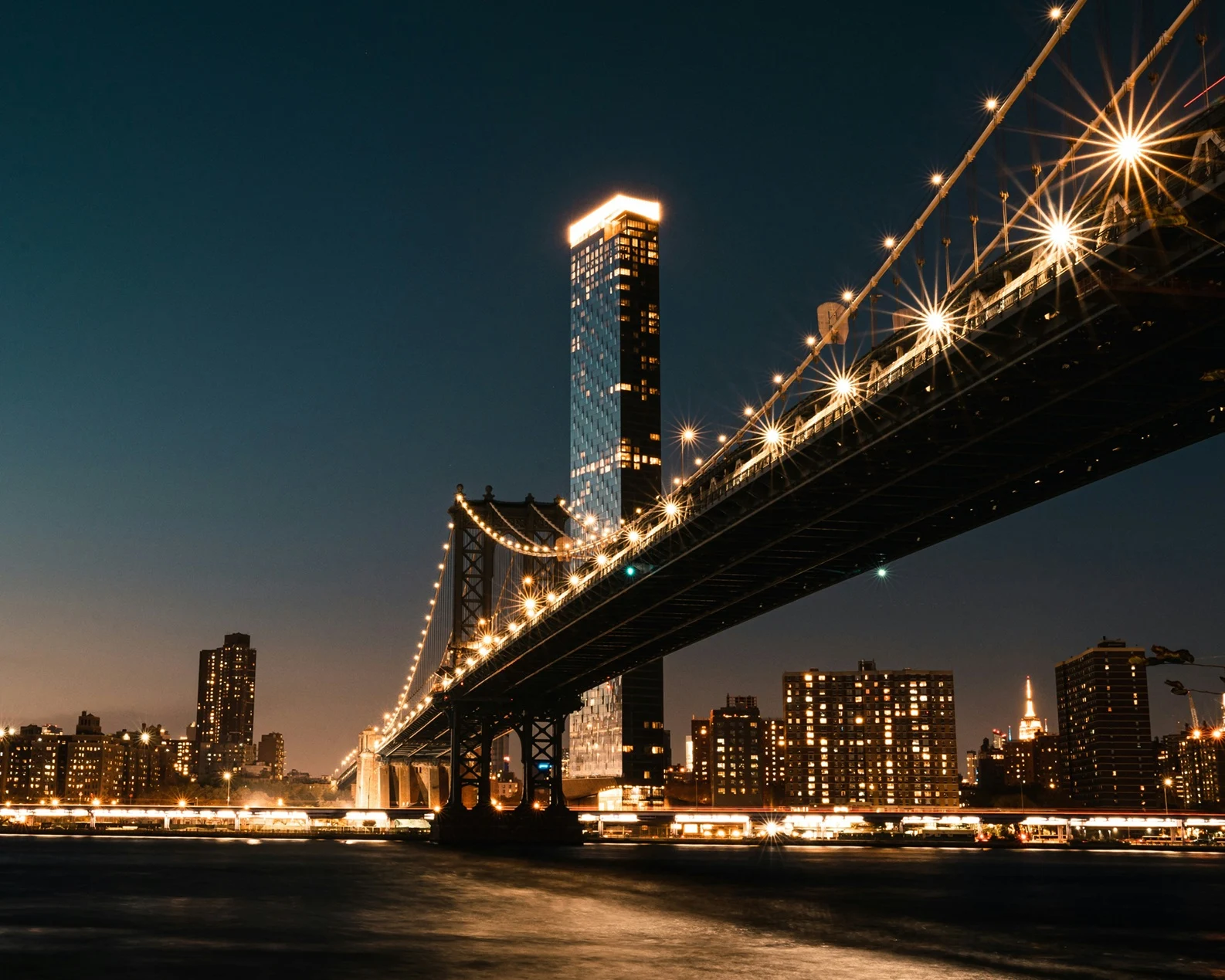
In today’s world, especially for those in urban areas, the night sky is seldom truly dark. Light sources are everywhere, from streetlights and neon signs to the glow of smartphone screens used late at night. According to The New World Atlas of Artificial Night Sky Brightness, over 80% of the population lives under skies contaminated by light pollution, which makes it hard to see the Milky Way. In the US and Europe, this figure rises to a staggering 99%.
Light Pollution’s Reach
The brightness from urban centers can even be detected in remote areas hundreds of kilometers away. For instance, the lights from Las Vegas and Los Angeles can be seen from Death Valley National Park.
Humans follow a 24-hour circadian rhythm that controls key biological functions like sleep, wakefulness, hormone production, and digestion. Additionally, there’s a slower biological clock that aligns with the lunar phases. This lunar clock has influenced human sleep, fertility, and hormone levels for thousands of years. Unfortunately, research indicates that artificial light at night (ALAN) is gradually diminishing the moon’s impact on us.
Changes in Menstrual Cycles
A striking example comes from a 2025 study revealing that before 2010, women’s menstrual cycles were closely linked with the lunar cycle. However, this connection has faded since 2010, with January being the only exception.
The researchers attributed this change to the rise of light-emitting diodes (LEDs) and increased smartphone usage that became common after 2010. They suggest that the strong gravitational forces between the Moon, Sun, and Earth in January are enough for synchronization, but the growing exposure to artificial light at night disrupts this synchronization at other times.
Effects of Artificial Light on Nature
The consequences of ALAN are severe, leading to interrupted sleep patterns due to a decrease in melatonin production (a hormone that helps regulate sleep), increased inflammation, mood disorders, and metabolic issues.
Even coral reefs, which live in the ocean, rely on the moon. They use lunar cycles to time their mass spawning events, which are crucial for their survival. Researchers showed this by replacing natural moonlight with constant light or complete darkness. The outcome was chaos, as their reproductive cycles were thrown off and reproduction failed.
Although this experiment took place in a controlled environment, scientists caution that coral reefs near coastlines may already be suffering from disrupted spawning due to light pollution, even as other pollution factors are considered.
The Ripple Effect on Smaller Species
Small creatures also align their biological functions with lunar cycles and are affected by ALAN. For instance, marine insects like Clunio marinus breed during low tides, which are influenced by the moon. Research indicates these insects have internal lunar clocks that rely on monthly cues, which could disappear with constant light exposure.
Species such as birds and turtles also depend on the Moon and stars for finding their way. However, ALAN in urban areas and near coastlines has confused birds, leading them to fly into bright lights. Similarly, turtle hatchlings may end up on land instead of heading to the water.
The moon once served as a guiding light for many species as they aligned their biological routines with its phases. However, with the spread of ALAN, this vital connection is fading. Our nights are no longer dark, and we drift further away from the ancient signals that have guided life for thousands of years.
Source:
Link
Leave a Reply