
Key Takeaways
1. The Hasselblad X2D II 100C features a 100MP backside-illuminated CMOS sensor with enhanced HDR capabilities and a new base ISO of 50.
2. The autofocus system includes 425 phase-detection zones with LiDAR assistance and improved stabilization rated at 10 stops for sharper handheld shots.
3. The camera design is lighter, includes 1TB of internal SSD storage, and offers customizable controls with a new tilting display.
4. The new XCD 2.8-4/35-100E lens provides a versatile zoom range with advanced optical features and an integrated leaf shutter for flash synchronization.
5. The X2D II 100C is priced at $7,399, making it €1,500 more affordable than its predecessor, the X2D 100C.
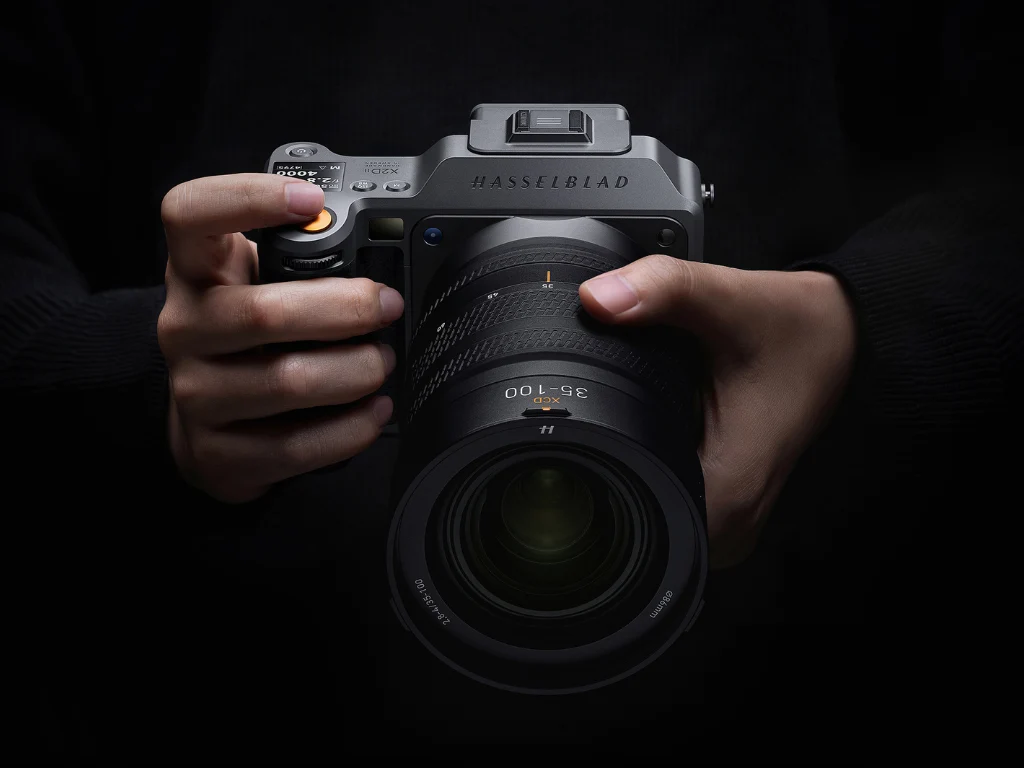
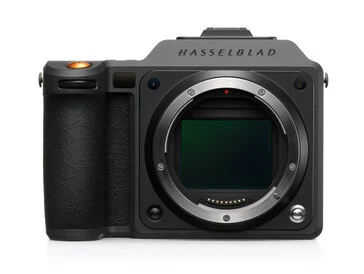
Nearly three years after the introduction of the X2D 100C (currently priced at $8,199 on Amazon), Hasselblad has just launched the X2D II 100C. This latest 100-megapixel medium-format mirrorless camera features continuous autofocus, complete HDR imaging, and a lighter, improved design. It is being released alongside the XCD 2.8-4/35-100E lens, which offers a standard zoom range from wide-angle to medium telephoto.
Enhanced Sensor and Image Processing
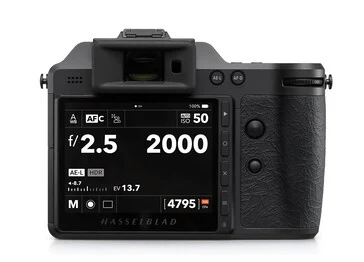
The X2D II 100C boasts a 100MP backside-illuminated CMOS sensor that captures 16-bit color with a claimed dynamic range of 15.3 stops and a new base ISO of 50. A standout aspect of this new camera is the Hasselblad Natural Colour Solution combined with High Dynamic Range capabilities. This allows for true end-to-end HDR capture and viewing. The camera can process HDR images directly in-camera as HDR HEIF or Ultra HDR JPEG files, and it can preview them on its bright 3.6-inch, 1,400-nit OLED display. For post-production, it can apply HNCS HDR processing to RAW files in Phocus Mobile 2, which is a useful addition since it retains full editing flexibility throughout the workflow.
Advanced Autofocus and Stabilization
The autofocus system has been significantly upgraded, featuring the company’s first AF-C implementation in a Hasselblad body. The phase-detection autofocus (PDAF) coverage has increased from 294 to 425 zones, and it is supported by LiDAR-assisted focusing and a new AF illuminator that doubles as a self-timer indicator. The stabilization is rated at 10 stops across five axes, and Hasselblad claims this offers up to eight times greater stability for distant subjects compared to the previous model, making longer handheld exposures much sharper.
Updated Body Design and Lens Features
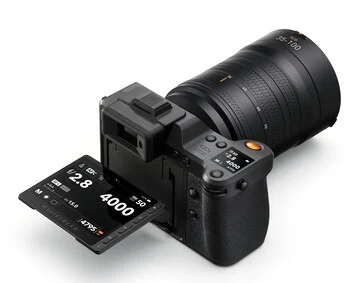
The camera body retains one of the major practical advantages of the X2D series, which is 1TB of internal SSD storage, and it now includes a CFexpress Type B slot for additional storage or backup. The chassis is lighter, weighing about 7.5 percent less than the X2D 100C, and features a matte graphite-grey finish, a redesigned textured grip, a tilting rear display, a new five-direction joystick, and eight customizable buttons. Phocus Mobile 2 for iOS has also been updated to include HDR editing and Hasselblad Natural Noise Reduction for RAW files.
As for the lens, the new XCD 2.8-4/35-100E offers a full-frame equivalent range of 28-76mm with an aperture of f/2.8-4. Its optical design consists of 16 elements arranged in 13 groups, including three aspherical elements and five ED elements. Hasselblad states that it utilizes the fastest stepping motor in the XCD lineup, featuring internal focusing and optimized control algorithms for effective subject tracking with the camera’s AF-C. The integrated leaf shutter allows for flash synchronization at all speeds from 1/4000 second up to 68 minutes. The lens measures 138mm in length and weighs 894g, adopting the ergonomic control-ring design found in the XCD V Series. New 86mm UV, ND8, and CPL filters will also be available for purchase.
The X2D II 100C is priced at $7,399 / €7,200, while the XCD 2.8-4/35-100E lens is listed at $4,599 / €4,800. Compared to the original X2D 100C, which launched at €8,700, the new X2D II 100C is €1,500 more affordable at its release. Hasselblad also clarifies that HDR functionality may not be available in all situations and that some features require compatible XCD lenses with updated firmware; further details can be found in the company’s FAQs.
Source:
Link

Leave a Reply