
Key Takeaways
1. Job insecurity remains a significant issue in the game development industry, even for experienced professionals like Josh Sawyer.
2. The gaming sector is currently facing challenges, including layoffs and the cancellation of long-term projects.
3. Positive changes in diversity and remote work have expanded the talent pool and improved productivity among developers.
4. The disconnect between large profits from blockbuster games and the unstable job conditions for developers raises concerns about industry sustainability.
5. The gaming landscape is evolving, with increasing budgets and ambitious projects aimed at a global audience.
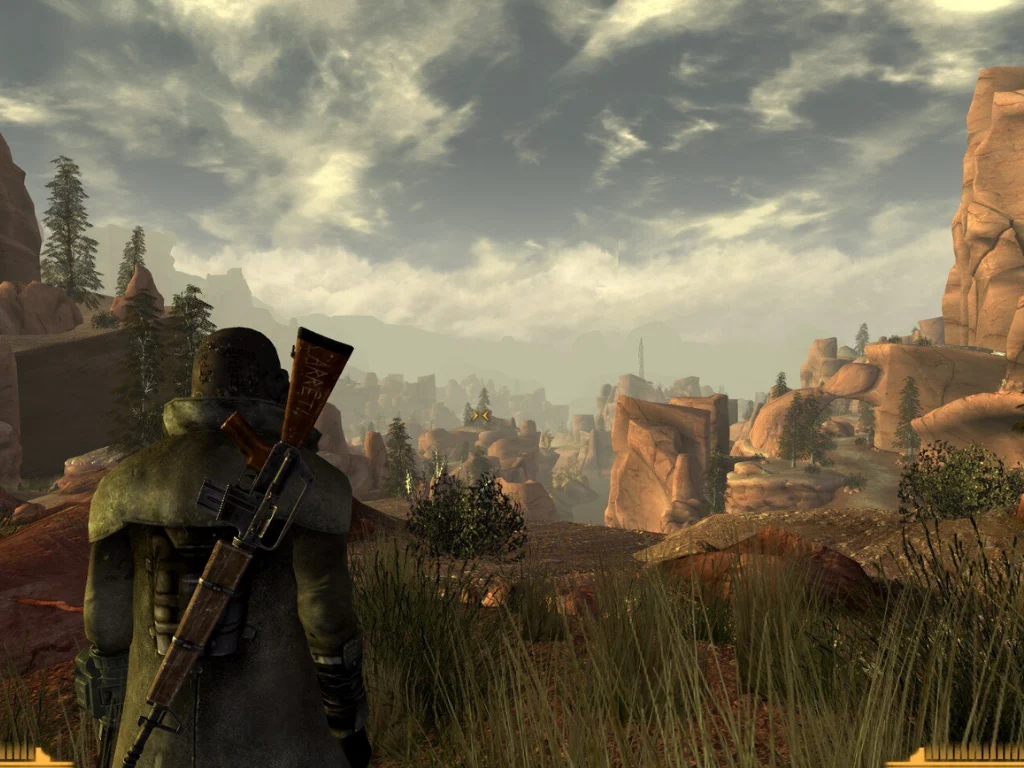
Josh Sawyer, who is the Design Director and Game Director for Fallout: New Vegas and the Pillars of Eternity series, shared his thoughts on the ongoing job insecurity in the game development field during a keynote at the Games Connect Asia Pacific conference held in Melbourne. With 26 years of experience in the video game industry, he provided valuable insights into the challenges developers face.
Early Career Insights
Sawyer kicked off his professional journey in 1999 with Black Isle Studios, focusing on role-playing games that stemmed from his passion for tabletop gaming. Over the years, he has led projects that include the well-received Fallout: New Vegas launched in 2010 and the Pillars of Eternity series released in 2015 and 2018.
Despite his accomplishments, including his position at Obsidian, which is owned by Microsoft, he admitted to the audience that he has never truly felt secure in his job. He remarked, “In 26 years, I’ve never really felt secure in a job. Even now. Less so now, actually. That’s pretty messed up.”
Industry Challenges
Sawyer’s remarks come amid a turbulent time for the gaming sector, which is experiencing significant layoffs, including job cuts at studios like Cloud Chamber and ZeniMax Media, as well as the halting of several long-term projects.
Nevertheless, he pointed out some positive changes, especially regarding diversity, as remote work options have expanded the talent pool beyond traditional locations. He noted that during his initial five years in the industry, there were no female developers on his teams and very little international representation. He further shared, “I didn’t work with any women developers for my first five years,” highlighting the contrast with today, where 75% of developers report increased productivity in flexible work environments that draw in underrepresented voices.
The Future of Gaming
Sawyer’s keynote illustrates how even seasoned veterans in the gaming field wrestle with their stability. The gaming landscape is broadening, with increasing budgets and ambitious project scopes aimed at reaching millions of players globally.
Yet, there appears to be a disconnect between the enormous profits from blockbuster games and the precarious situation many developers find themselves in, which raises questions about the sustainability of practices within the industry. While the video game sector has become a significant player in the market, its business operations have not evolved accordingly.
Source:
Link
Leave a Reply