
Key Takeaways
1. Baylor St. Luke’s Medical Center conducted the first fully robotic adult heart transplant in the U.S., led by Dr. Kenneth Liao.
2. The robotic procedure is minimally invasive, reducing bleeding, blood transfusion needs, and infection risks for transplant patients.
3. The recipient of the transplant spent about a month in recovery and went home without complications.
4. Robotic systems enhance surgical precision and flexibility, especially for complex suturing in tight spaces.
5. Future studies may confirm robotic heart transplants as a viable alternative to traditional open-chest surgery.
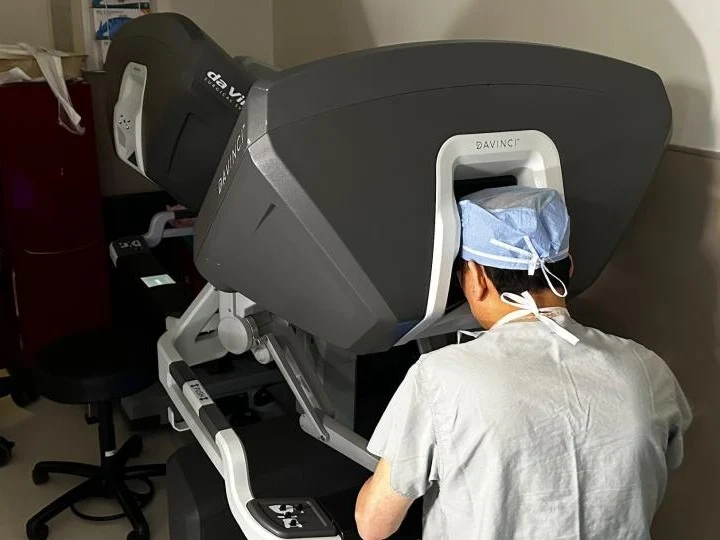
Surgeons at Baylor St. Luke’s Medical Center have achieved a significant milestone by conducting the first fully robotic adult heart transplant in the U.S. The lead surgeon, Dr. Kenneth Liao, employed a surgical robot to create several small cuts instead of performing a traditional breastbone splitting procedure. This innovative team inserted the donor heart through the preperitoneal space, allowing the chest wall to remain undisturbed.
Benefits of the Robotic Procedure
This minimally invasive technique greatly reduces bleeding, minimizes the need for blood transfusions, and lowers the risk of infections—an important consideration for transplant patients who must take immunosuppressants for life. Moreover, it aids in maintaining respiratory function, enabling patients to start moving and begin rehabilitation sooner than with traditional methods.
Patient Recovery
The recipient of the transplant, a 45-year-old man, had been hospitalized with end-stage heart failure since November 2024 and depended on various mechanical support systems. He underwent the robotic transplant in March 2025 and spent roughly a month in recovery, eventually going home without any complications.
Future of Robotic Surgery
Robotic systems are already utilized in valve repairs and coronary bypass surgeries. However, their application in transplants requires precise vascular connections and swift ischemic times. The robot’s flexible arms provided surgeons with enhanced reach for intricate suturing in confined areas.
If larger trials validate similar or improved graft survival rates and quicker recovery times, robotic heart transplants might become a common alternative to open-chest surgery.
Source:
Link
Leave a Reply