
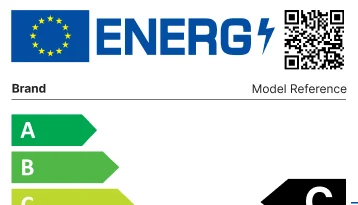
Key Takeaways
1. Introduction of a new “Energy Label” for personal electronic devices in the EU starting June 20, 2025.
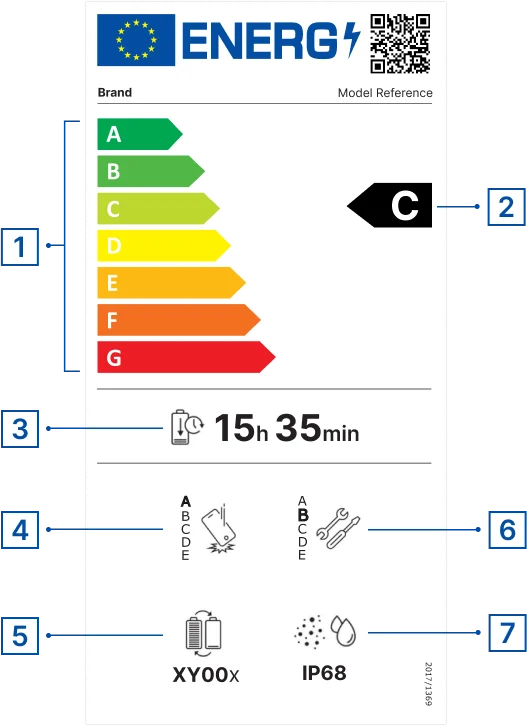
2. The label includes new symbols for “repairability” and “repeated free fall reliability,” rated from A to E.
3. The label features a vibrant energy efficiency scale ranging from A to G and includes battery life information.
4. The European Commission aims to enhance consumer choices and value assessment through these labels.
5. New regulations apply to most smartphones, tablets, and basic phones, with some exceptions for innovative future devices.
A large number of personal electronic devices that are released starting today (June 20, 2025) will feature something new for consumers in the European Union (EU). The new “Energy Label” will be recognized by anyone who has purchased a refrigerator in the area recently, but this label is specifically crafted for mobile gadgets.
New Features on the Energy Label
This label includes new symbols indicating the “repairability” and “repeated free fall reliability” categories for the smartphone or tablet in question. Both of these new metrics use a scale from A to E, with A being the most repairable and reliable, and E being the least. These ratings are derived from “standardized testing.”
Next to more well-known graphics for IP ratings, you’ll find these new symbols along with information on the device’s battery life measured in cycles. However, the label will prominently feature the device’s position on a vibrant energy efficiency scale that ranges from A to G.
Supporting Consumer Choices
The European Commission supports these labels to enhance consumers’ ability to evaluate the value for their money and how well a new gadget meets their needs before making a purchase.
The Energy Labelling Regulation has been introduced alongside the new EC Ecodesign Regulation. This regulation mandates manufacturers to enhance device sustainability by improving build quality, providing support for at least 5 years with software updates, and ensuring the longevity of batteries that should maintain at least 80% of their original capacity after 800 full charge cycles.
Applicability of the New Regulations
These regulations apply to most smartphones and tablets, as well as many basic phones and feature phones. There are some exceptions, particularly for future devices that might come with innovative sliding or rollable displays.
Source:
Link
Leave a Reply