
Key Takeaways
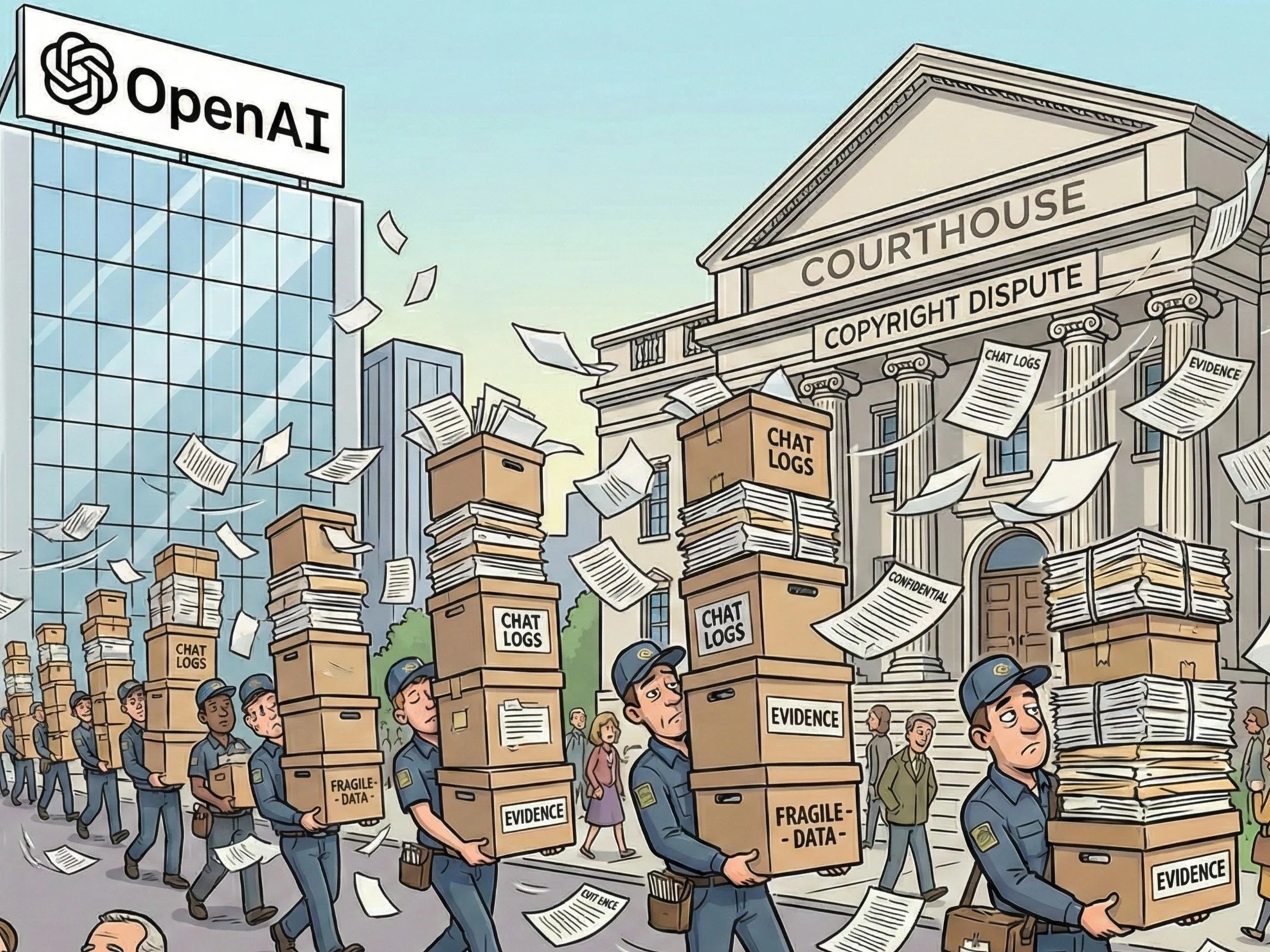
1. A New York court ordered OpenAI to provide 20 million chat logs to lawyers from major media outlets due to a copyright lawsuit.
2. The lawsuit claims OpenAI used media articles for training its AI without consent, and the chat logs may help demonstrate copyright issues.
3. The court believes that anonymizing the data is enough to protect user privacy, despite concerns over its effectiveness.
4. OpenAI expressed that compiling this data could harm customer privacy and be a burden, but the court dismissed these worries.
5. This ruling is seen as a legal setback for OpenAI and poses significant risks to user privacy, potentially inviting similar lawsuits.
Now folks might get a bit anxious if they thought the deep or even silly chats they had with ChatGPT would stay secret forever. A New York court has ordered OpenAI to hand over around twenty million chat logs to lawyers representing major media outlets such as the Chicago Tribune and the New York Times due to a continuing copyright battle. While the data will be anonymized, there’s still a considerable amount of information exchanged here. It remains debatable whether truly anonymizing regular users can work effectively given this scale.
Background of the Lawsuit
This situation stems from a lawsuit where media companies claim that OpenAI has been using their articles for training its AI without consent. The plaintiffs aim to utilize the chat logs to demonstrate that ChatGPT often reproduces copyrighted content and not just when the bot is manipulated to do so intentionally (“hacking”), as OpenAI has asserted. Judge Sidney H. Stein has reaffirmed a previous ruling and dismissed OpenAI’s worries. The company argued that compiling data was too burdensome and could jeopardize customer privacy.
Court’s Perspective
The court, however, had a different view and concluded that anonymizing the data was adequate as a safeguard, asserting that the importance to the case outweighed the potential risks. For OpenAI, this marks a legal setback that security professionals are already calling a disaster. Dr. Kolochenko from ImmuniWeb pointed out that this could lead to imitators in similar situations. This ruling poses a significant threat to user privacy, regardless of whether the 20 million data sets include serious copyright violations.
Source:
Link
Leave a Reply