
Key Takeaways
1. The transportation landscape is rapidly changing with innovations like flying cars, airborne motorcycles, and air taxis.
2. CopterPack is a leader in personal transportation innovation, focusing on backpack helicopters instead of traditional flying vehicles.
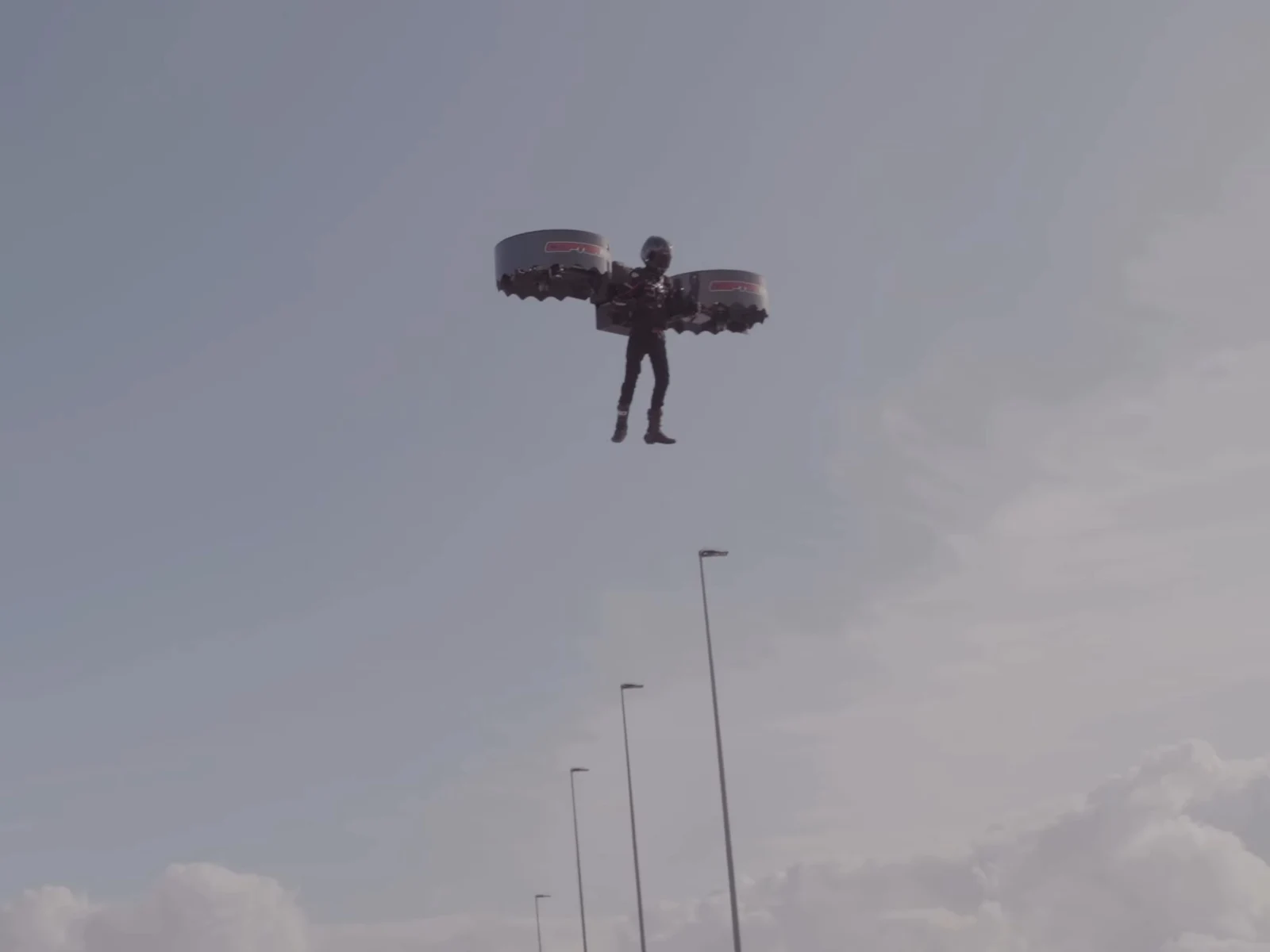
3. The CopterPack Gen3 features a self-leveling autopilot and a lightweight, strong honeycomb carbon fiber airframe.
4. The prototype of CopterPack Gen3 has a wingspan of 3.1 meters and supports a maximum payload of 120 kilograms.
5. The device can operate at altitudes up to 3,048 meters and reach speeds of 200 km/h.
The race for the future of commuting is becoming quite fascinating. Over just the past year, we’ve witnessed the emergence of flying cars, airborne motorcycles, and air taxis. Traditional transportation methods are also evolving, with improvements in self-driving vehicles, quicker trains, and more.
CopterPack’s Innovative Approach
One of the leaders in this wave of innovation is CopterPack. Rather than focusing on flying cars or air taxis, they are advocating for backpack helicopters. Four years back, they introduced the CopterPack—a device that can be worn like a backpack, equipped with two adjustable rotors on each side. Two years later, they unveiled the CopterPack Gen2, and now we have the CopterPack Gen3.
The Features of CopterPack Gen3
The CopterPack Gen3, promoted as a backpack helicopter featuring a self-leveling autopilot, was presented just a week ago. Its airframe is constructed from honeycomb carbon fiber, ensuring it remains both strong and lightweight despite its dimensions. The prototype boasts a wingspan of 3.1 meters (10 feet) and was engineered for agility. It supports a maximum payload of 120 kilograms (265 pounds), can operate at altitudes of up to 3,048 meters (10,000 feet), and can reach speeds of 200 km/h (124 mph).


Leave a Reply