Key Takeaways
1. Rare Finds: The DW-6935-4 and DW-5635-9 G-Shock models, designed for G-Shock’s 35th anniversary, are highly sought after with only 35 units of each color made, leading to prices around $11,000.
2. Authentication Challenges: Unlike luxury Swiss watches, these G-Shocks lack reliable authentication methods, making it difficult for collectors to confirm their authenticity due to missing serial numbers and no official verification system.
3. Market Instability: The luxury watch market is experiencing a downturn after a pandemic-driven bubble, affecting G-Shock resale values, particularly for regular models, while ultra-limited editions experience significant price hikes due to scarcity.
4. Buyer Precautions: Potential buyers should perform tests like the “three-button test” and check the watch’s weight and quality of engravings, but are advised to purchase from reputable stores to minimize risks.
5. Future Improvements Needed: There is a pressing need for better authentication systems for ultra-rare G-Shocks to protect buyers from counterfeits, especially as the luxury watch market seeks stability.
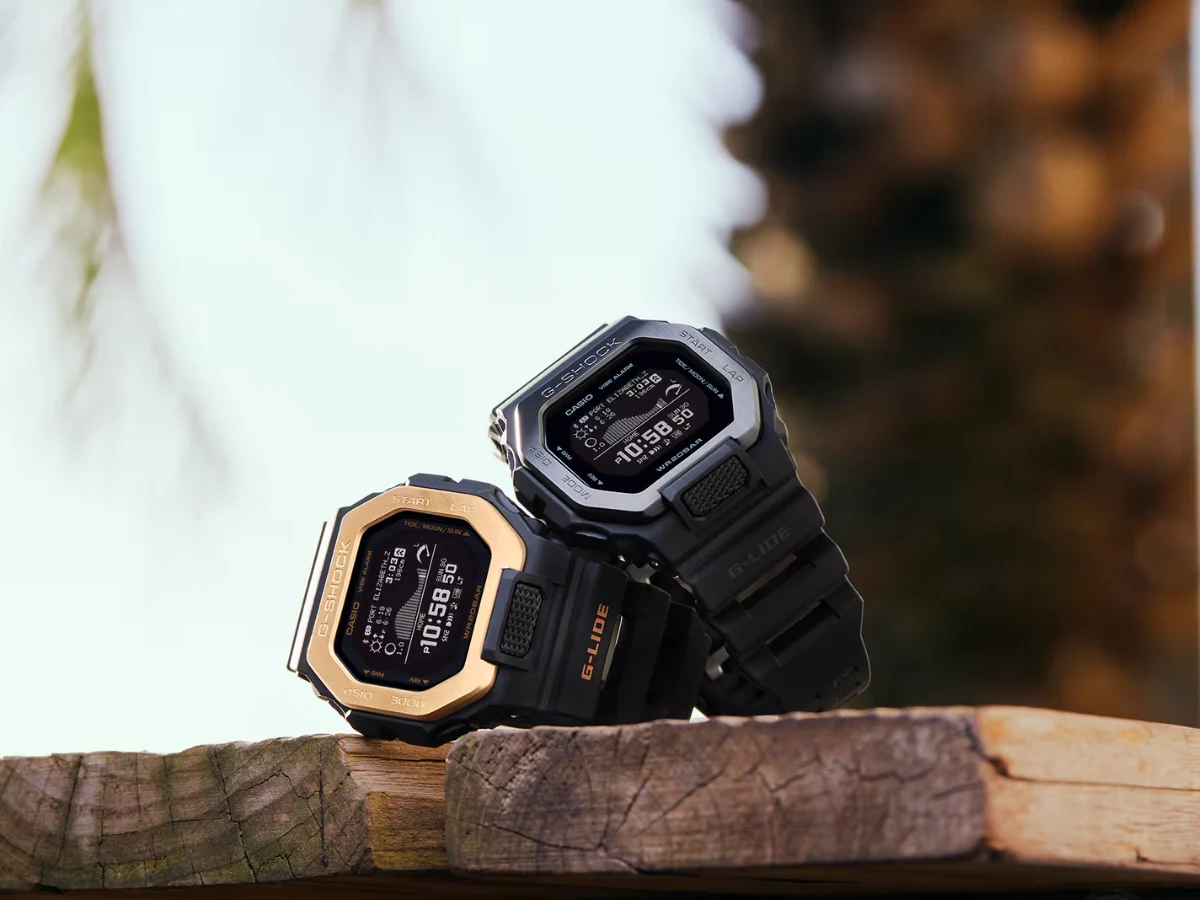
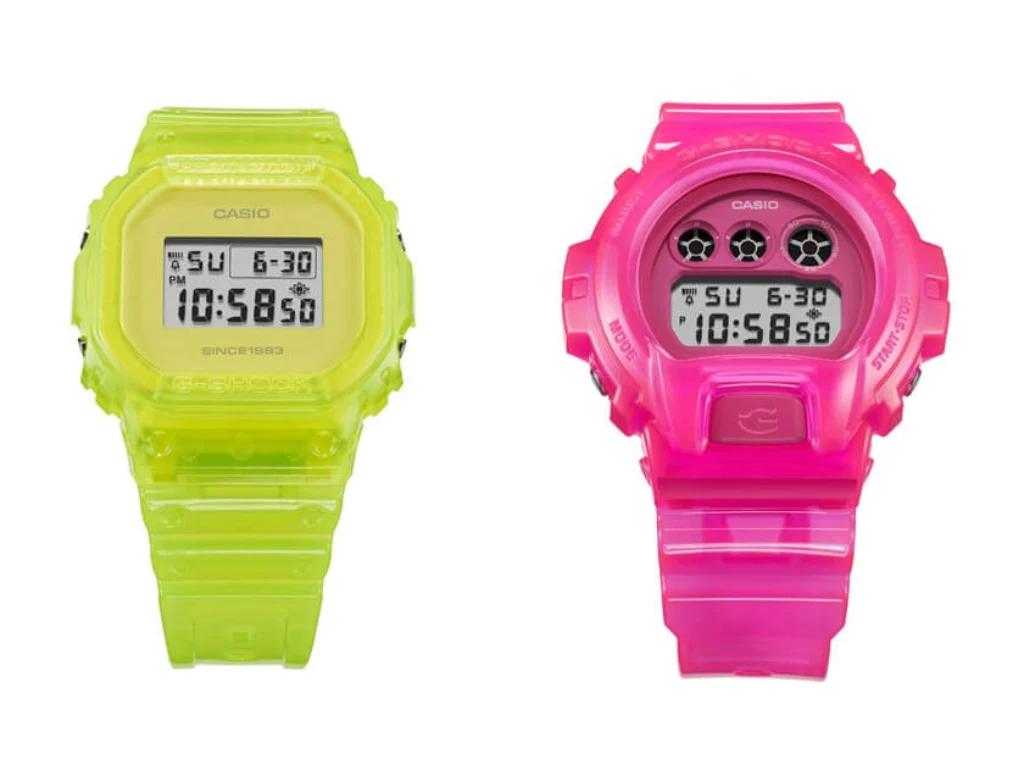
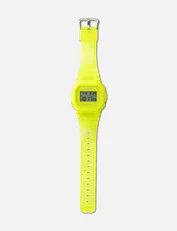
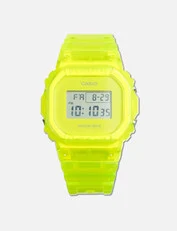
In August 2025, a watch enthusiast browsing the secondhand site Buyee came across an odd find: two seemingly ordinary G-Shock watches, one in pink and the other in yellow, each priced at around $11,000 (check the video at the end of this article or see our sources). These watches don’t have any flashy embellishments or precious materials; they are simply made of see-through resin that could easily be mistaken for budget-friendly options. However, the seller claimed these were some of the rarest G-Shocks ever made, with only 35 units of each color produced globally.
Celebrating a Milestone
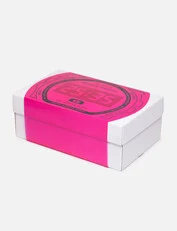
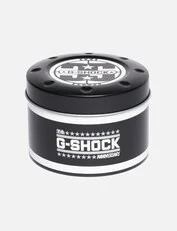
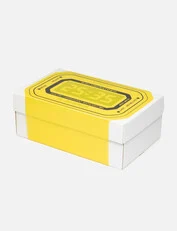
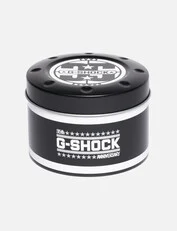
The timepieces in discussion are the DW-6935-4 and DW-5635-9, designed in 2018 to celebrate G-Shock’s 35th anniversary. This unique collaboration involved Japanese fashion designer NIGO, known for his A Bathing Ape brand, and Kikuo Ibe, the original creator of G-Shock. Casio’s initial announcement stated that these extremely limited models used a unique translucent dyeing method covered with two coats of resin and an anti-UV coating to stop fading from sunlight – a first for G-Shock.
Initially, the suggested retail price was just $135, and they were made available via a raffle in early 2018. Now, they have become highly sought-after items for dedicated collectors, with some listings reaching nearly five figures. However, an unexpected twist arises: confirming their authenticity has turned out to be exceedingly challenging.
The Authentication Dilemma
Unlike high-end Swiss watches, which boast thorough databases and serial number checks, these ultra-rare G-Shock models operate in a confusing “grey zone” of authentication. These watches should have a “serial number” etched on the back. However, when looking at actual listings, things get more complicated. YouTube watch enthusiast Matthew Hardman noted this issue while examining various listings for the NIGO x K.IBE watches. “I don’t really see a serial number on there,” he remarked, while reviewing images of the back cases. “We can see the model number here, but not the actual serial number.”
Recognizing missing serial numbers isn’t the only hurdle. Without an official Casio verification site for G-Shock watches, and with ShockBase (the community-driven G-Shock database) having limited validation methods, collectors are now left to rely solely on visual checks. This is a risky venture, especially when large sums of money are involved.
Market Instability and Scarcity
This “authentication black hole” is found in a luxury watch sector still recovering from the collapse of its pandemic-driven bubble. Following a price peak in March 2022, the secondary market for luxury watches has faced 13 consecutive quarters of downturn, only just beginning to stabilize. The watch industry has learned hard lessons about speculation, hype, and the risks of viewing watches only as investment tools.
G-Shock, despite its strong brand, hasn’t been spared from these market shifts. Most regular models have minimal resale value, with Reddit users reporting that even popular items typically sell for “about 50 percent” of their original retail price after a few years. However, ultra-limited collaborations like the NIGO models exist in a completely different realm. In this space, scarcity creates significant price hikes and attracts counterfeiters. This issue is compounded by G-Shock’s manufacturing style. Unlike some high-end limited editions that feature unique numbering (like “27 of 300”), many G-Shock collaborations lack this crucial verification element. Finding comparable sales of authentic pieces can lead to price discrepancies from $6,000 to over $11,000, which complicates determining fair market value.
Tips for Buyers
For those looking to purchase high-value G-Shocks, several precautions can be taken. The “three-button test” – pressing buttons A, C, and D at the same time to show all LCD sections – can help identify lower-quality counterfeits. However, even very convincing fakes can imitate this function. Another approach is to check the watch’s weight against the official specs or closely inspect the quality of buckle engravings for additional clues.
However, even with these measures, they might not be enough for watches priced over $10,000. “If you’re gonna invest in expensive watches, buy them from a reputable store,” advises Hardman. “Avoid making purchases online.”
While we wait for the luxury watch market to find its footing, we can hope that the authentication systems for ultra-rare G-Shocks will improve in time. Until that happens, the pressing question remains: when only 35 of a watch exist worldwide, how can you prove you own the elusive number 36?
Source:
Link