Category: Wearables

  • Roger Dubuis Unveils 45mm Excalibur Spider Flyback Chronograph

    Roger Dubuis Unveils 45mm Excalibur Spider Flyback Chronograph

    Key Takeaways

    1. Limited Edition: The Roger Dubuis Excalibur Spider Flyback Chronograph is limited to just 88 units and features the internal reference DBEX1138.

    2. Unique Design: The watch showcases an extreme skeletonized design with an 18K pink gold case and anti-reflective sapphire crystals, emphasizing its intricate mechanics.

    3. Functional Dial: The multi-layered dial includes a black lower flange, pink gold upper flange, screw-style hour markers filled with Super-LumiNova, and a tachymeter scale for enhanced functionality.

    4. Advanced Chronograph: As a flyback chronograph, it allows for easy timing restarts with a single press, featuring a fully visible automatic movement with modern design elements.

    5. Convenient Strap System: The watch comes with a black rubber strap and a quick-release clasp system, allowing for easy strap changes without tools, while the clasp features titanium blades and an 18K pink-gold cover.


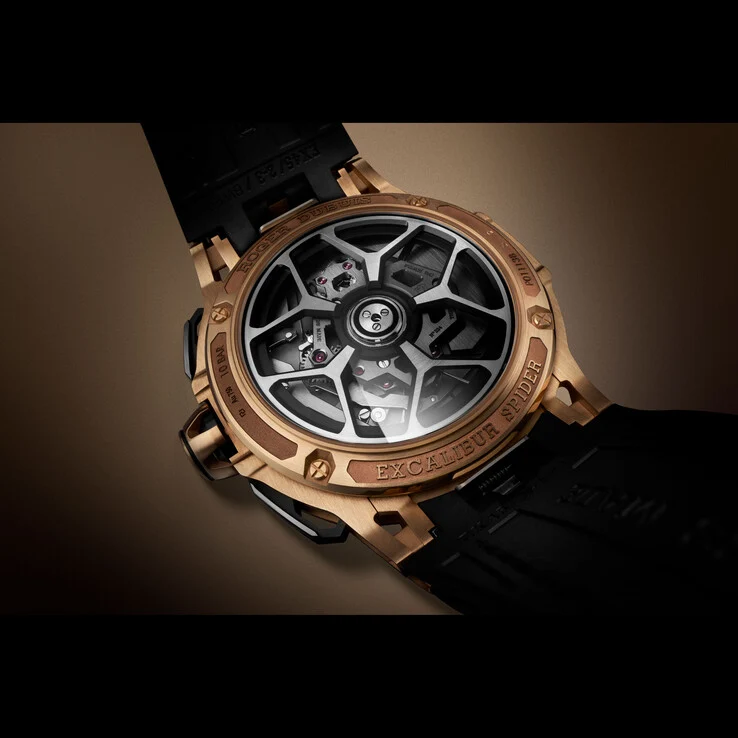
    Roger Dubuis has launched a new, limited edition Excalibur Spider Flyback Chronograph crafted from 18K pink gold. This striking 45 mm timepiece is limited to just 88 units. It bears the internal reference DBEX1138 (also known as RDDBEX1138) and adheres to the brand’s philosophy of “skeletonized to the extreme,” showcasing a design where the case, dial elements, and hands are minimized to highlight the intricate mechanism within.

    Design Features

    The watch features a pink-gold case adorned with lacquered markings, and both sides are protected by a sapphire crystal that has been treated with an anti-reflective coating. A matching pink-gold crown with a lacquered ring complements the overall aesthetic. Despite its open design, the watch boasts a water resistance rating of 10 bar (100 meters), which surpasses many other chronographs with display case-backs.

    Dial and Functionality

    At the forefront, the dial presents a complex, multi-layered setup. A black lower flange showcases the printed minute track and text, while an upper flange coated in pink gold outlines the movement. The hour markers are screw-style, rhodium plated, and filled with Super-LumiNova for visibility. A tachymeter scale is placed on the rehaut (the raised inner ring of the watch case), and the hands are designed to be bold and luminous, ensuring they stand out against the dynamic mechanical background.

    This chronograph is a flyback model, allowing users to restart timing with a single press without the need to stop and reset. The automatic movement is fully visible, featuring modern bridges, a visible gear train, and a deep, three-dimensional layout akin to the brand’s other pieces.

    Strap and Clasp

    Each owner receives a black rubber strap with a coordinating black rubber inlay, and both the strap and clasp utilize the maison’s Quick Release System, enabling easy swaps without tools. The clasp is a triple-folding design made with titanium blades and capped with an 18K pink-gold cover to harmonize with the case.

    While pricing and availability details are not listed on the brand’s website as of now, aBlogtoWatch indicates that the Excalibur Spider Flyback Chronograph has a manufacturer’s suggested retail price of $135,000.

    Source:
    Link


  • Amazfit Helio Strap Update: Enhanced Heart Rate and Sleep Features

    Amazfit Helio Strap Update: Enhanced Heart Rate and Sleep Features

    Key Takeaways

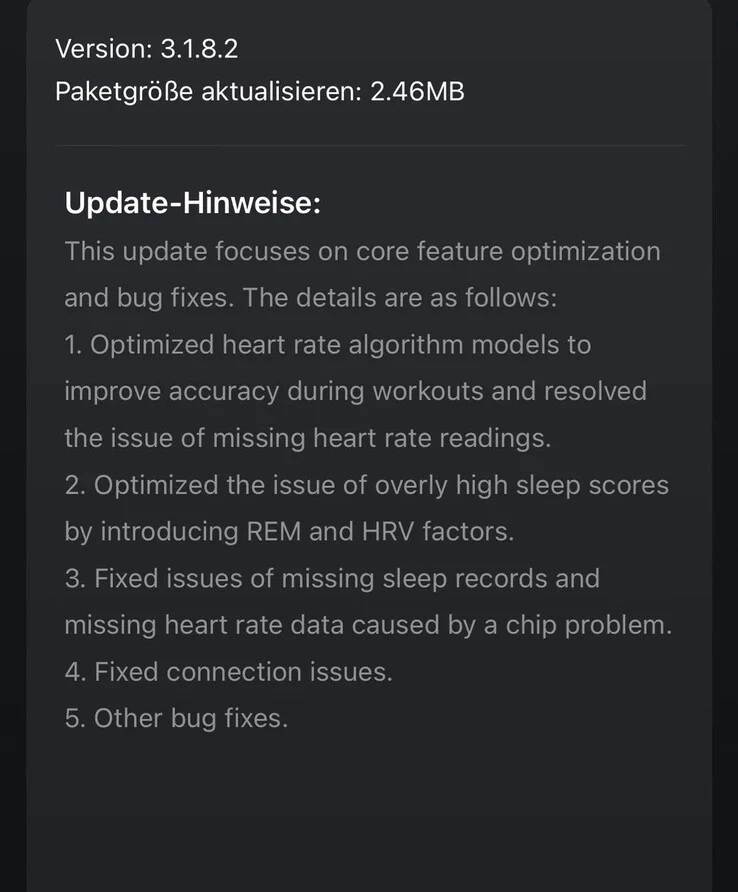
    1. Zepp Health has released version 3.1.8.2 for the Amazfit Helio Strap, following the previous update 3.1.2.3.
    2. The update enhances the heart rate algorithm for improved accuracy during exercise and fixes issues with missed heart rate readings.
    3. Sleep metrics have been improved, making sleep scores more accurate by incorporating REM and HRV factors.
    4. A glitch affecting sleep records has been resolved, along with a connection-related problem and several minor bugs.
    5. The update is a 2.46 MB file and will be gradually rolled out via the Zepp app, with the Amazfit Helio Strap priced at $99.99.


    Zepp Health has begun to distribute an update for the Amazfit Helio Strap, now at version 3.1.8.2. This new version comes just a few weeks after the last one, which was 3.1.2.3. The earlier update focused on enhancing the BioCharge metric and improving the automatic activity detection feature.

    Update Details from Users

    The notes regarding version 3.1.8.2 were posted by an Amazfit Helio Strap enthusiast on Reddit. This update is expected to provide further optimizations, particularly for the heart rate algorithm, making it more precise during exercise. The company has also resolved an issue where heart rate readings were sometimes missed.

    Improvements in Sleep Metrics

    Additionally, there are improvements to the sleep score, which should now be more accurate and less likely to overrate the quality of your rest due to the incorporation of REM and HRV factors in the algorithm. Moreover, a glitch affecting sleep records has been addressed. It was reported that both the heart rate and sleep data issues stemmed from a “chip issue.” The last two points in the release notes reveal that a connection-related problem has been fixed, along with several other minor bugs.

    Version 3.1.8.2 is a 2.46 MB file and is being rolled out gradually to users of the Amazfit Helio Strap (currently priced at $99.99 on Amazon). Once it becomes available in your region, you will be able to download it through the Zepp app. In other updates, the company has recently launched the Helio Armband accessory for customers in the US and Europe.

    Source:
    Link


  • Unique Casio G-Shock x Converse Tokyo Watch Launches

    Unique Casio G-Shock x Converse Tokyo Watch Launches

    Key Takeaways

    1. Casio G-Shock has collaborated with Converse Tokyo to create a special DW-5600 watch for the 10th anniversary of Converse Tokyo.
    2. The watch features a unique design with a vibrant purple digital screen, orange digits, and floral patterns on the black resin strap.
    3. It includes various functionalities such as a stopwatch, countdown timer, multi-function alarm, and is water-resistant up to 200 m.
    4. The watch is powered by a CR2016 battery, expected to last around five years, with dimensions of 48.9 x 42.8 x 13.4 mm and a weight of about 52 g.
    5. The Casio G-Shock x Converse Tokyo DW-5600X is available for pre-order in Japan for ¥20,900 (~$142) and will be sold at Converse Tokyo outlets starting September 19th.


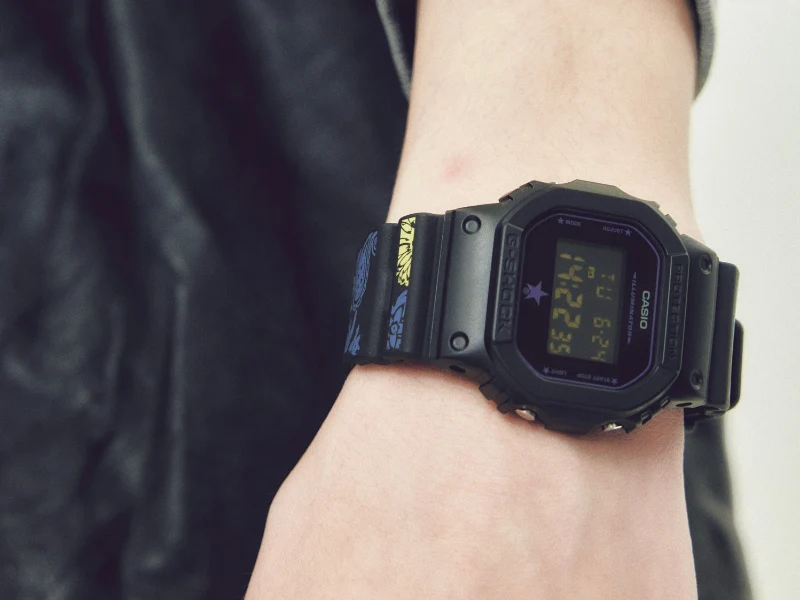
    Casio G-Shock has partnered with Converse Tokyo to launch a new watch in the DW-5600 series. This unique model marks the 10th anniversary of the Japanese sports label, which emerged after the original Converse brand from the U.S. faced bankruptcy.

    Watch Design and Features

    The G-Shock x Converse Tokyo edition is derived from the DW-5600UE (curr. $59.96 at Amazon). The watch is highlighted as “one-of-a-kind” with a vibrant purple digital screen displaying orange digits, all framed by a black casing that features the Converse star in purple. It comes with a matte black resin bezel and casing, while the strap is crafted from black resin and adorned with yellow, purple, and blue floral designs resembling lilies and cosmos.

    Functional Details

    This DW-5600X timepiece tells time in both 12 and 24 hour formats, and also shows the day of the week and date on its LCD screen. It includes several features such as a stopwatch with 1/100th second accuracy, a countdown timer, a multi-function alarm, and hourly chimes. An LED backlight makes it easy to read in dim conditions. Powered by a CR2016 battery, it is expected to last around five years and boasts a water resistance of up to 200 m. The dimensions of a DW-5600 watch are generally 48.9 x 42.8 x 13.4 mm (~1.9 x 1.7 x 0.5 inches), with an average weight of about 52 g (~1.8 oz).

    Availability and Pricing

    In Japan, you can pre-order the Casio G-Shock x Converse Tokyo DW-5600X at the Converse online shop for ¥20,900 (~$142). This watch will be sold at all Converse Tokyo outlets (excluding the Gotemba Outlet Store) starting September 19th. Hence, it appears that this model may be exclusive to the Japanese market.

    Source:
    Link


  • Casio Launches Limited Edition Sapphire Crystal Bezel Watch in US

    Casio Launches Limited Edition Sapphire Crystal Bezel Watch in US

    Key Takeaways

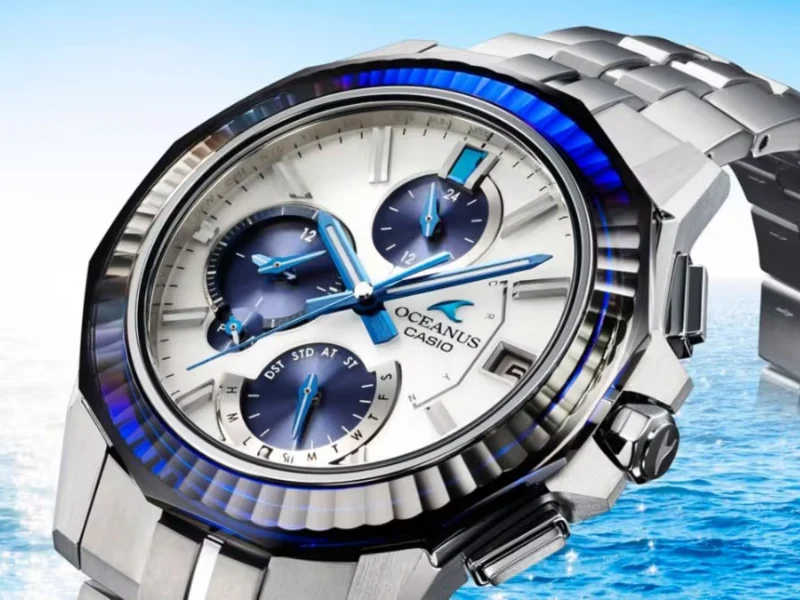
    1. The Casio Oceanus Manta OCWS6000PB7A is a limited edition watch with only 600 pieces available worldwide, priced at $2,500.
    2. The watch features a Platinum Blue design with a sapphire crystal bezel that transitions from blue to platinum, and a white watch face with three dark blue dials.
    3. It includes Multiband 6 radio control, a date display, a one-second stopwatch, and is water-resistant up to 100 meters.
    4. The watch has Bluetooth connectivity for additional features via the Casio Watches app and supports solar charging with a power-saving mode.
    5. Constructed with a titanium band and casing, the watch measures approximately 47.1 x 42.5 x 9.2 mm and weighs around 88 grams.


    Casio has introduced the Oceanus Manta OCWS6000PB7A watch to the US market. This was confirmed back in August 2025, but it was initially unveiled in Japan in June under the model OCW-S6000PB-7AJF.

    Availability and Pricing

    You can now purchase the Casio Oceanus Manta OCWS6000PB7A through the brand’s online store in the United States for a price of $2,500. This watch is a limited edition, with just 600 pieces made available worldwide. As of now, only six units are left at the Casio online shop. Additionally, the watch has been promoted on the Instagram account of the G-Shock SoHo NYC store, indicating it may also be available at that physical location.

    Design Features

    The Casio Oceanus Manta OCWS6000PB7A boasts a striking Platinum Blue appearance, featuring a sapphire crystal bezel that transitions from blue to platinum. The watch face is white and includes three dark blue dials; one dial is for the weekday, while the other two are connected to the Home City Time Swap function, displaying the time in a second time zone of your choice.

    Additional Specifications

    This radio-controlled (Multiband 6) watch includes various features, such as a date display, a one-second stopwatch, and can withstand water pressure up to 100 meters. With Bluetooth connectivity, users can access more features through the Casio Watches app. Moreover, the watch supports solar charging and includes a power-saving mode. Constructed with a titanium band and casing, this analog watch measures approximately 47.1 x 42.5 x 9.2 mm (~1.9 x 1.8 x 0.4 inches) and weighs around 88 grams (~3.1 oz). Casio has not yet revealed any intentions to release this watch in Europe, where it might be referred to as the Oceanus Manta OCW-S6000PB-7A.

    Source:
    Link


  • Garmin’s Growth Driven by Innovative New Wearables

    Garmin’s Growth Driven by Innovative New Wearables

    Key Takeaways

    1. Garmin’s revenue increased by 20% in Q2 2024, reaching $1.81 billion.
    2. The gross profit margin improved from 57.3% to 58.8%, and the operating profit margin rose from 22.7% to 26%.
    3. Operating profit for the last quarter was $472.3 million, highlighting strong core business performance.
    4. Garmin’s business is divided into five categories: Fitness, Outdoor, Aviation, Marine, and Auto OEM, making it hard to assess smartwatch market performance.
    5. All segments showed year-on-year growth, with the Fitness segment leading at approximately $605 million in net sales.


    Garmin has a wide range of products, and we often cover their news and reviews at Notebookcheck. Recently, the company announced its financial results for the second quarter of 2025 (PDF). These results show that Garmin had a very successful quarter. When comparing quarterly results, they are measured against the same period from the previous year.

    Strong Revenue Growth

    When looking at the second quarter of 2024, Garmin saw its revenue rise a remarkable 20%, reaching $1.81 billion. The gross profit margin also improved, moving from 57.3% to 58.8%, while the operating profit margin increased from 22.7% to 26%. Operating profit, which reflects earnings from core business operations excluding interest and special income, hit $472.3 million in the last quarter. In contrast, Apple reported an operating profit of $28.20 billion (PDF). While this comparison may seem a bit unfair, Apple is also in the wearable market. Zepp Health, on the other hand, generated $59.4 million in revenue during the second quarter of 2025, marking an impressive 46.2% increase year-over-year, which is a significant leap compared to Garmin’s percentage.

    Business Segmentation

    Garmin organizes its operations into five main categories: Fitness, Outdoor, Aviation, Marine, and Auto OEM. This structure means the company does not categorize its products strictly by type. For instance, various models of smartwatches fall under different segments. Forerunner smartwatches belong to the Fitness category, while Instinct wearables fall under Outdoor. This approach makes it challenging to assess the overall performance of the smartwatch market within Garmin. Nevertheless, the annual report highlights substantial growth in wearables. Every segment experienced year-on-year growth, with the Fitness segment leading, achieving net sales of around $605 million.

    Source:
    Link


  • New BCI Technology Reveals Unspoken Thoughts: Privacy Risks Ahead

    New BCI Technology Reveals Unspoken Thoughts: Privacy Risks Ahead

    Key Takeaways

    1. A new BCI at Stanford interprets internal speech, allowing users to express thoughts without moving their lips.
    2. This technology is less exhausting for users compared to previous methods of producing intended speech.
    3. There are privacy concerns about revealing private thoughts during mental tasks with BCIs.
    4. The Stanford team developed two protective measures: an “imagery-silenced” mode and a keyword activation system.
    5. Experts praise the research for prioritizing mental privacy while enabling effective communication for users.


    In our earlier article about speech-outputting brain-computer interfaces (BCIs), we discussed a system created by scientists at the University of California, Davis. This innovative “brain-to-voice neuroprosthesis” allowed a mute individual to speak by interpreting signals from the brain area that governs speech muscles. As a result, it only produced speech that the person intended to express.

    New Advancements in BCI Technology

    The latest BCI developed at Stanford takes a significant step further than simply producing intended speech. As described in the journal Cell, this system interprets a person’s internal speech—words they think without moving their lips. Researchers discovered that this approach was less exhausting for the participants, but it also raised the possibility of revealing private thoughts during tasks that required mental effort, like counting.

    Privacy Concerns and Solutions

    This revelation raises a serious issue regarding privacy—there’s a chance that a BCI could share a person’s internal dialogue without their permission. To tackle this ethical dilemma, the Stanford research team created and tested two advanced “high-fidelity” protective measures. The first is an “imagery-silenced” mode, where the decoder is designed to disregard all inner speech and only produce words when the user physically tries to speak. The second safeguard uses a keyword system, whereby users must first think of a complex term—specifically, “chittychittybangbang”—to turn on the device and initiate the decoding of their inner thoughts.

    Experts have commended the team for being pioneers in demonstrating a clear method to ensure mental privacy within a BCI. “Our ultimate aim is to facilitate communication, but only the communication that the individual truly wishes to express,” stated Vikash Gilja, a computer scientist at UC San Diego who was not part of this research. This provides users with a fresh, less demanding way to communicate, while also taking essential measures to help keep their thoughts private.


  • Apple Watch Series 11: Major Redesign and Blood Pressure Detection

    Apple Watch Series 11: Major Redesign and Blood Pressure Detection

    Key Takeaways

    1. Apple is expected to reveal the successors to the Apple Watch Series 10 and Apple Watch Ultra 2 alongside the iPhone 17 series on September 9, 2025.
    2. The new Apple Watch models will likely feature minimal changes, especially in the chipset, with the Apple S11 chip showing little difference from previous versions.
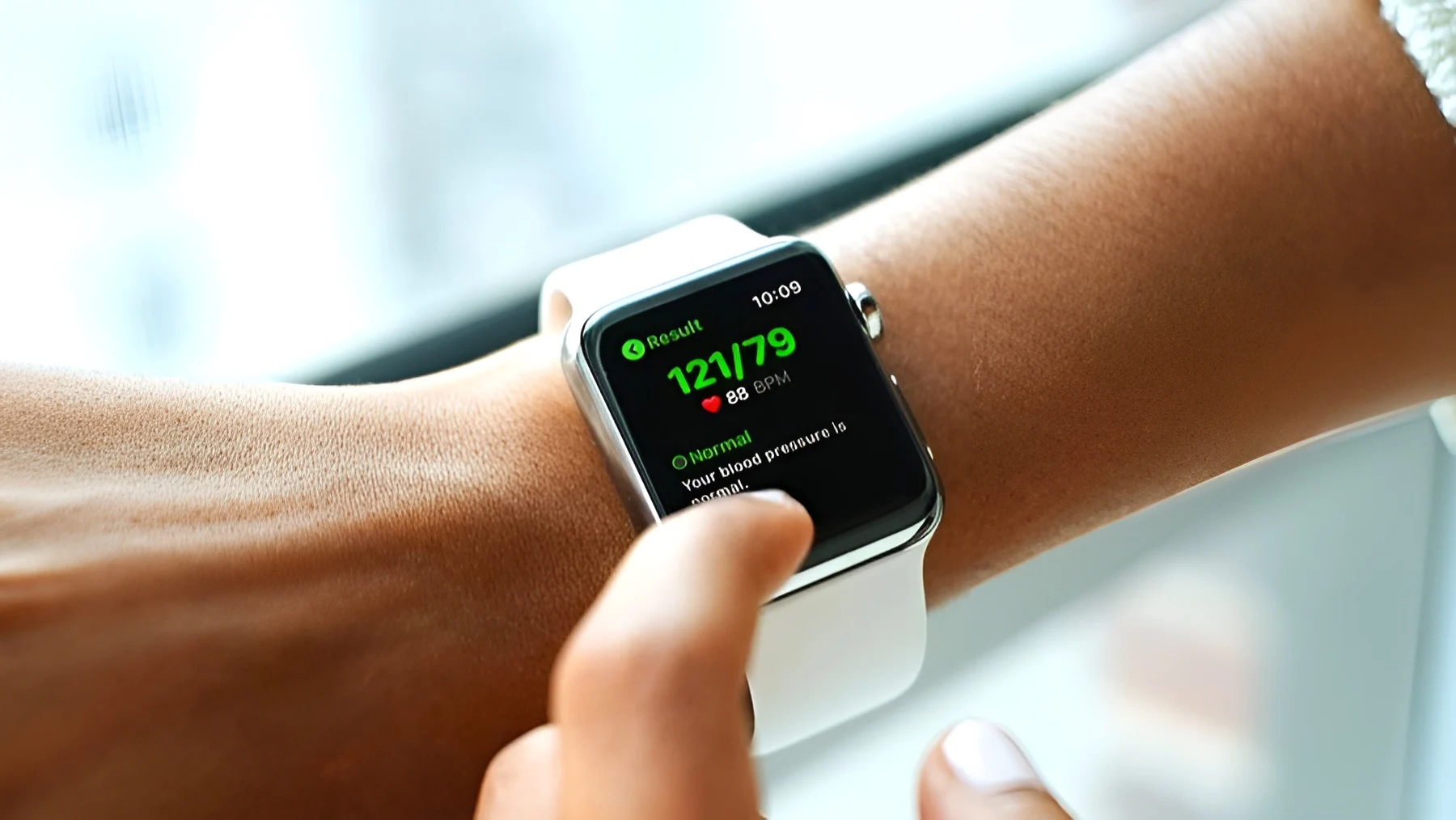
    3. Blood pressure detection may finally be introduced, focusing initially on identifying patterns and alerting users to abnormal readings, though this is not yet confirmed.
    4. Significant innovations are anticipated for the 2026 Apple Watch Series 12 and Apple Watch Ultra 4, including a major redesign and the addition of new sensors.
    5. The potential doubling of sensors in future models may improve the watch’s efficiency and performance, although details about the redesign remain unclear.


    The upcoming successors to the Apple Watch Series 10 and Apple Watch Ultra 2 are likely to be revealed together with the iPhone 17 series on September 9, 2025. New details suggest that there won’t be many new features, especially regarding the chipset. The codename T8310 suggests that the Apple S11 chip will have minimal changes compared to the Apple S10 and S9.

    Blood Pressure Detection on the Horizon

    A recent report from Digitimes, a Taiwanese publication (subscription required), indicates that blood pressure detection might finally be introduced on the Apple Watch. This feature has been long awaited but has yet to be seen. Initially, the focus may be on detecting patterns and sending alerts for abnormal readings, but this is not yet officially confirmed. Meanwhile, non-invasive blood sugar monitoring still appears to be a distant ambition for Apple users.

    Future Innovations in 2026

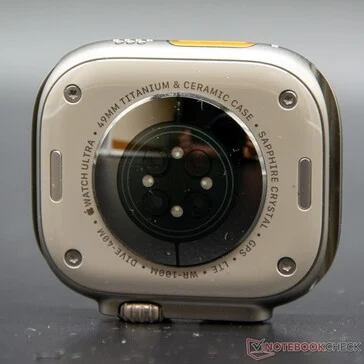
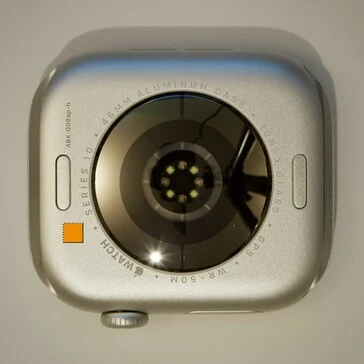
    Exciting developments are expected in 2026 with the anticipated release of the Apple Watch Series 12 and Apple Watch Ultra 4. Supply chain insiders hint at a significant redesign for the Apple Watch, which may include new sensors. A new array of eight sensors positioned on the underside has been specifically mentioned. This sounds familiar to leaks from spring regarding an Apple Watch Series 10 prototype that featured a similar design, which could become a reality in the Apple Watch 12. There are indications that the number of sensors will be doubled in 2026.

    The added sensors are anticipated to enhance the Apple Watch’s efficiency and performance, likely allowing Apple to rely less on algorithmic data interpretation. However, the report lacks specifics about the redesign, particularly concerning changes to the watch’s casing or display. With over a year remaining until the expected launch of the next generation of Apple Watches, there’s still plenty of time for changes to occur, even if the supply chain information proves to be accurate.

    Source:
    Link


  • Dnsys Z1 Knee Exoskeleton Enhances Daily Mobility and Movement

    Dnsys Z1 Knee Exoskeleton Enhances Daily Mobility and Movement

    Key Takeaways

    1. Dnsys launched a Kickstarter campaign for the Z1 knee exoskeleton, designed to enhance mobility for walking, hiking, and sports, and is waterproof for all weather conditions.
    2. The Z1 is priced similarly to a smartphone, thanks to skilled manufacturing and advanced algorithm development, making it affordable for everyday users.
    3. Developed based on user feedback, the Z1 aims to address the demand for knee support and has already raised $1 million in ten days on Kickstarter.
    4. The exoskeleton features a lightweight design with a custom motor that provides powerful assistance, allowing users to navigate various terrains and carry loads with ease.
    5. The Z1 includes safety features like fall detection, a quick-release battery system, and is easy to maintain, with removable covers for washing and a durable design suitable for diverse environments.


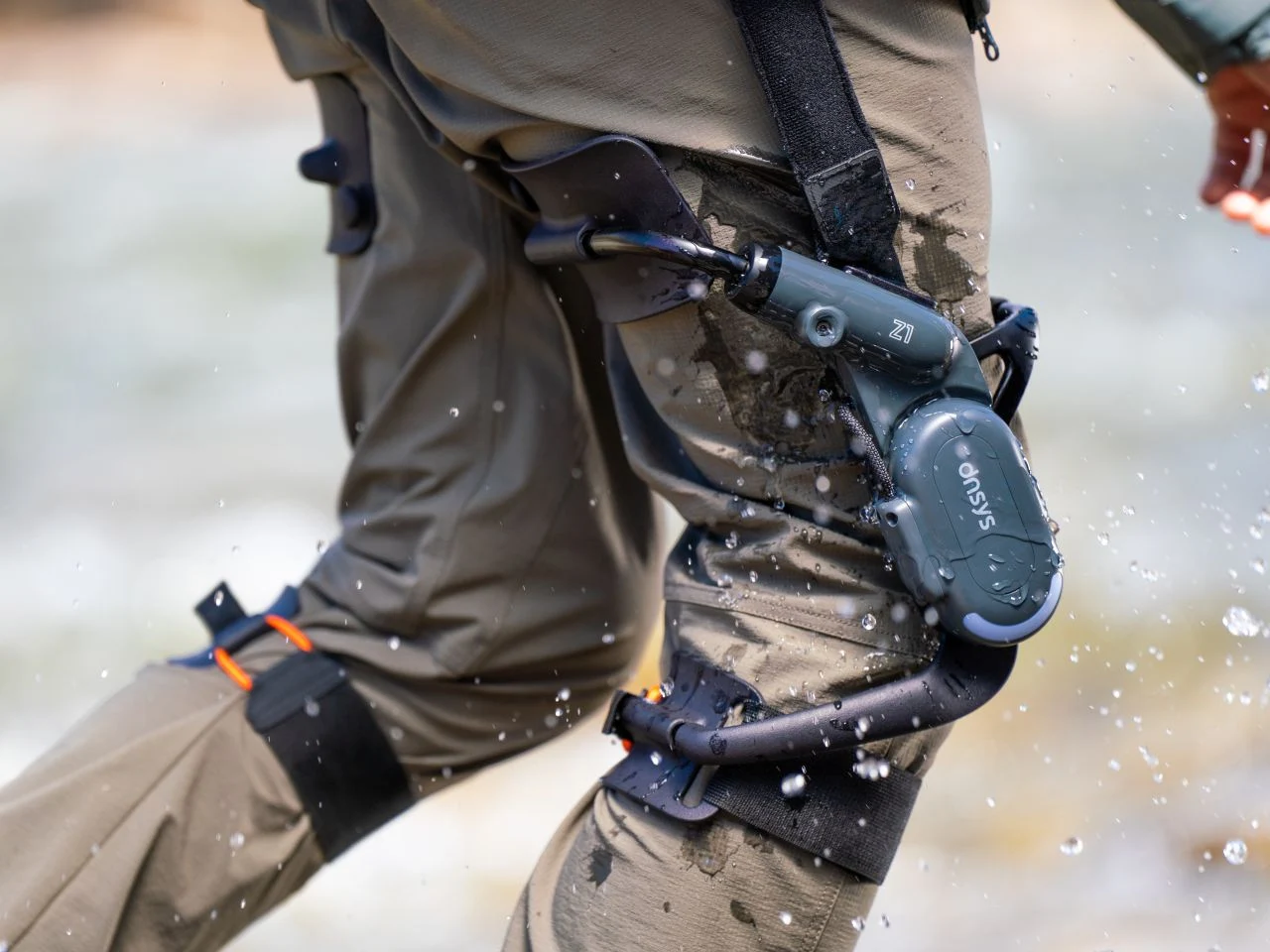
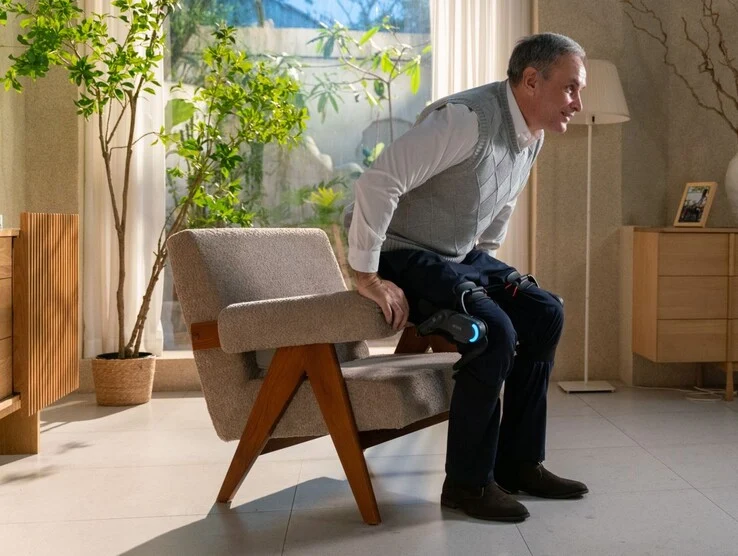
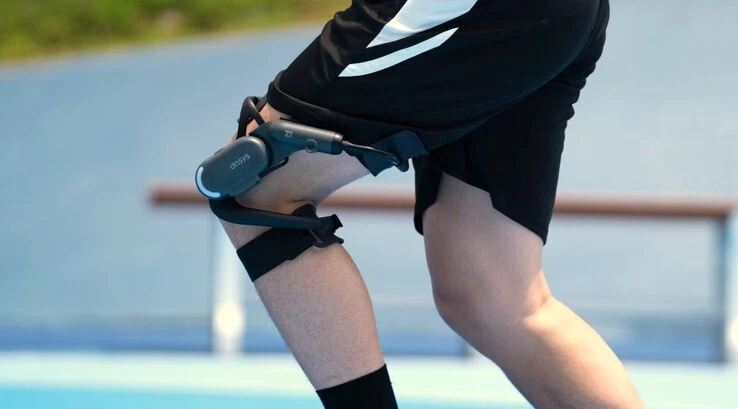
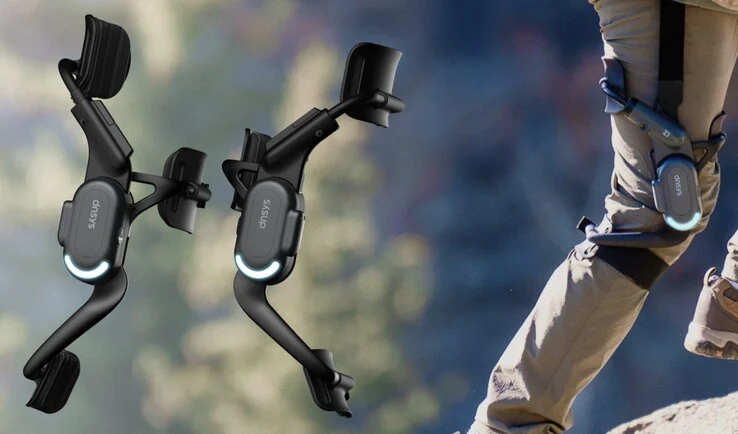
    Dnsys has kicked off a Kickstarter campaign for its innovative Z1 knee exoskeleton, designed to strap to the upper thigh and lower calf. This device aims to enhance mobility for everyday users when walking, hiking, or engaging in sports activities. Notably, the Z1 is waterproof, making it suitable for use in both rain and snow. The company has invested three years into research and development, gathering over 1,500 hours of motion data to perfect the AI Neutral Motion Engine that governs the exoskeleton’s operation.

    Interview Insights

    In an interview with co-founder Jojo Li and marketing head Nick Tang (quotes were slightly modified for clarity), Jojo emphasized their goal of creating an affordable device priced similarly to a new smartphone. They achieved this by leveraging their skilled manufacturing team in Shenzhen, a city recognized for its technological production capabilities, along with top-tier algorithm developers in Beijing. The Z1 features a custom-made DNA-1 motor, drawing on expertise from the company’s medical-grade models.

    Company Background

    The name Dnsys stands for “dynamic system,” indicating a system that evolves over time. The founding team has experience at well-known companies like DJI, Segway, and Xiaomi, bringing valuable knowledge from the commercial and consumer product sectors. Jojo shared her motivation for joining the startup, stating, “It’s crucial to leverage technology to improve people’s mobility. Everyone ages, and we need to enhance our human abilities through technology, especially for our parents and grandparents.”

    The earlier Dnsys-H1 hip exoskeleton received medical approval in China and has been used in more than ten hospitals to aid hundreds of patients with their walking patterns. This was followed by the X1 hip exoskeleton, aimed at consumers without medical functionalities. The new Z1 was developed based on customer feedback, addressing a demand for knee support.

    User-Centric Development

    Jojo explained, “The Z1 was influenced by our users from the X1 community. Many expressed a desire for a knee exoskeleton, and doctors echoed this need in 2021. The Z1 has successfully raised $1 million on Kickstarter within just ten days.” While other companies like Skip are planning to release knee exoskeletons, Nick highlighted their competitive edge, saying, “Among all these market competitors, I believe ours is the most advanced. The Z1 is unique as knee exoskeletons are inherently more challenging to develop than hip ones.” The Z1 is expected to ship in November 2025, whereas Skip’s knee exoskeleton will debut in 2026 at five times the cost. Additionally, users can wear the Z1 and X1 together for enhanced mobility.

    The Dnsys Z1 weighs 1.5 lbs. (680 g) per leg for the standard aluminum-carbon fiber version, while the pro titanium-carbon fiber version weighs 1.4 lbs. (640 g) per leg. Prototypes have been tested with users weighing up to 230 kg, as reported by Jojo.

    Innovative Engineering

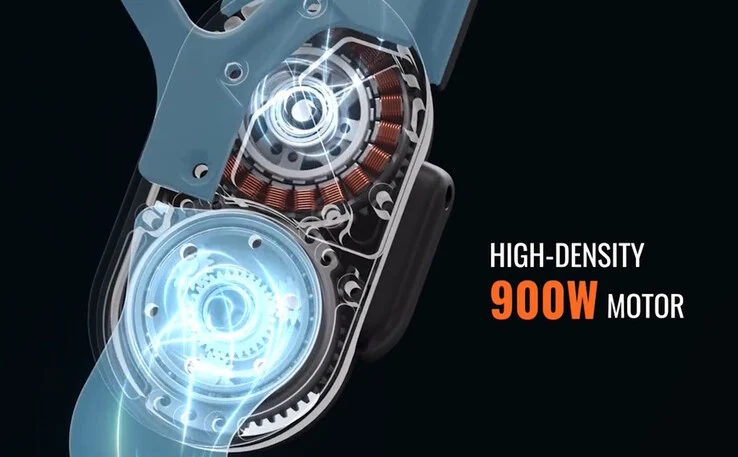
    The lightweight nature of the Z1 is attributed to the company’s custom DNA-1 motor design, which allows for a more powerful and lighter exoskeleton compared to competitors using standard motors. Each unit is equipped with a motor that delivers 450 watts of peak power to assist with knee bending, redistributing the strain from the upper thigh around the knee to the lower leg.

    The assistive torque and strain redistribution can provide a lift equivalent to 20 kg when ascending stairs and can alleviate the pressure of a 35 kg backpack on the knees, according to Jojo. The specific level of assistance will depend on factors like the individual’s physique, fitness level, terrain, and load. Users can utilize the Dnsys app to track health data, including step counts and adjust settings.

    Cost-Effective Solutions

    To keep costs low, Dnsys optimized the Z1 control system by performing complex AI training and data processing in the cloud. Jojo explained, “We lighten the load on our processor, making our components more affordable. This approach enables us to offer a product at a reasonable price while maintaining quick processing speeds.” Consequently, the Z1 can operate using a low-speed 240 MHz dual-core processor while still achieving a reaction time of 0.01 seconds.

    Test users have reported enjoying activities like basketball, skiing, and even attempting backflips, although this last activity is not recommended for safety reasons. Jojo added, “Many people have said they feel natural when walking, navigating stairs, or traversing various terrains. The system adapts rapidly and effectively to users.”

    Battery Life and Safety Features

    The system boasts a runtime of up to three hours for a single leg unit, four hours for the standard dual-leg model, and up to eight hours for the pro dual-leg version. For context, a healthy individual typically walks a mile in about 15 minutes or hikes a mile in 20 to 60 minutes. The exoskeleton supports regenerative charging while going downhill.

    The Z1 includes built-in fall detection that automatically disengages the motors when a fall or unusual movement, like a backflip, is detected. This feature allows users to move their legs freely without being immobilized.

    According to Nick, Dnsys sources its lithium batteries from a reputable manufacturer that meets all safety standards. The battery packs are secured to a waist-worn belt, enabling quick removal in emergencies, with Nick noting, “You can take it off in less than three seconds.” The low-power processor ensures the exoskeleton remains cool during use, and the Z1 is operable in temperatures ranging from -20 °C to 60 °C.

    Maintenance and Future Goals

    The exoskeleton’s body contact points have removable fabric covers for easy washing, and its IP54-rated body can be sanitized with disinfecting wipes.

    Dnsys is already leveraging AI tools to enhance development while ensuring manageable working hours. Jojo remarked, “Our company stands out from others because we all were born after 1990, making us adept at utilizing AI tools to improve our product.”

    Unlike competitors such as the Wandercraft Atalante X, which allows paralyzed individuals to walk, Jojo aspires for everyone to benefit from their exoskeletons. She stated, “Dnsys aims to transform exoskeletons into wearable technology that people genuinely want to use. We envision exoskeletons as comfortable and familiar as your favorite sportswear or running shoes.”

    Source:
    Link



  • Amazfit Balance 2 Update Adds New Heart Rate Feature

    Amazfit Balance 2 Update Adds New Heart Rate Feature

    Key Takeaways

    1. Zepp Health released software update 3.16.6.1 for the Amazfit Balance 2 smartwatch, following the previous update that added an Ultramarathon workout mode.
    2. The update features enhancements for the Helio Strap fitness tracker, allowing users to check its status and see a heart rate source indicator on the smartwatch.
    3. The user experience after workouts is improved, described as “smoother and more natural.”
    4. The much-anticipated BioCharge energy monitoring feature is not included in this update and is still in development.
    5. The update is initially available to users in the US, Italy, and Canada, with global rollout occurring in the following weeks, and requires the Zepp Health app version 9.11.0 or higher.


    Zepp Health has rolled out a fresh update for the Amazfit Balance 2 smartwatch. The new version, 3.16.6.1, comes roughly a month after the previous update, which was version 3.16.0.3 that introduced a new Ultramarathon workout mode.

    Improvements with the Update

    Referred to as the Amazfit Balance 2 OTA 3.1 update, software version 3.16.6.1 brings two enhancements related to the Helio Strap fitness tracker, currently priced at $99.99 on Amazon. After connecting the Helio Strap, users can now check its status directly on the smartwatch. Additionally, when the Helio Strap or any other heart rate tracking band is connected, a new indicator icon will show the source of your workout heart rate.

    Enhanced User Experience

    Another notable change with the version 3.16.6.1 update is the improved on-watch experience after workouts, which is described as “smoother and more natural.” You can see the full release notes in a screenshot shared by a Reddit user below. However, one thing missing from this update is the much-awaited BioCharge, a metric for energy monitoring that is presently exclusive to the Helio Strap. A few weeks back, a brand representative mentioned that Zepp Health is still developing this feature for the smartwatch.

    Update Availability

    Generally, Amazfit tends to release updates first to users in the US, Italy, and Canada, with other global users receiving the update in a couple of weeks. You can install this update through the Zepp Health app, which needs to be at least version 9.11.0 to function properly.


    Source:
    Link


  • Garmin Launches High-End Smartwatch Beta Update with Bug Fix

    Garmin Launches High-End Smartwatch Beta Update with Bug Fix

    Key Takeaways

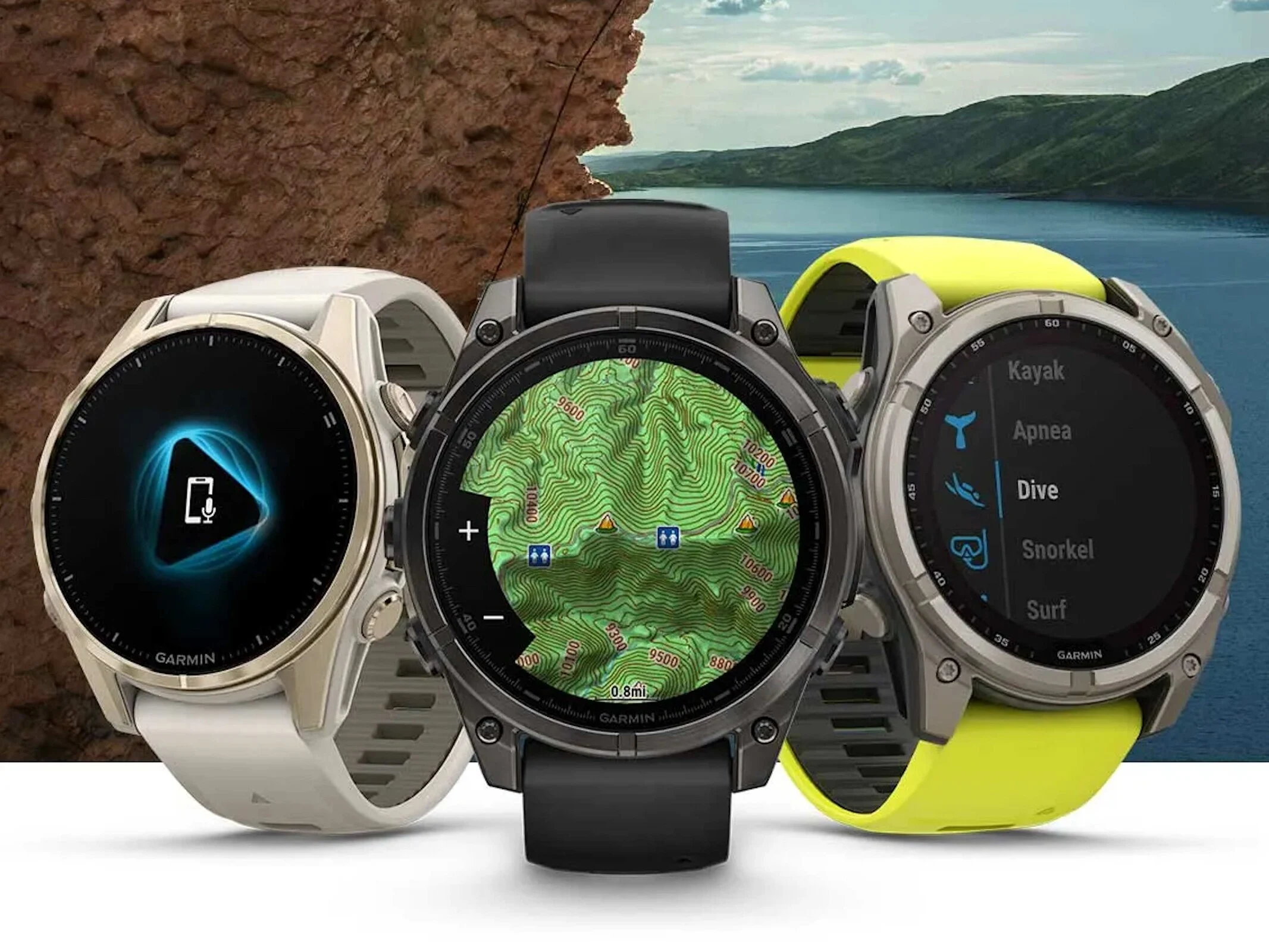
    1. Garmin released beta version 17.27 for Fenix 8, Fenix 8 Solar, Fenix E, Tactix 8, and Enduro 3 smartwatches.
    2. The update includes two new bug fixes: one for Multisports activity settings and another for inaccurate time display.
    3. The over-the-air update is available for all users of the mentioned smartwatches.
    4. ECG, Dive, and Aviation features are currently turned off in this beta version.
    5. Garmin is likely testing additional features or fixes before finalizing the 17.xx software release.


    Garmin has released beta version 17.27 for owners of the Fenix 8 AMOLED, Fenix 8 Solar, Fenix E, Tactix 8, and Enduro 3 smartwatches. This update comes just after the previous beta version 17.25, which included two fixes related to potential crashes of the watch.

    New Bug Fixes

    The change log for beta version 17.27 includes two new bug fixes. The first fix addresses a problem related to Multisports activities. Users faced difficulties while trying to modify the Power Save Timeout Setting, but this issue has now been corrected. The second fix resolves a bug that could make the time displayed on the watch face inaccurate. It seems the time would freeze until users interacted with the device.

    OTA Update Availability

    A post on the Garmin forum states that this over-the-air update has been distributed to all users of the Fenix 8, Fenix 8 Solar, Fenix E, Tactix 8, and Enduro 3 smartwatches (current price $899.99 at Amazon). The message further indicates that, as with most beta updates, the ECG, Dive, and Aviation features remain turned off. This implies that Garmin plans to test additional new features or fixes before releasing a final version of the 17.xx software to all users of these devices.

    Source:
    Link