Category: Video / Photo

  • DJI Leak Suggests New Release After Osmo Action 6 Rumors

    DJI Leak Suggests New Release After Osmo Action 6 Rumors

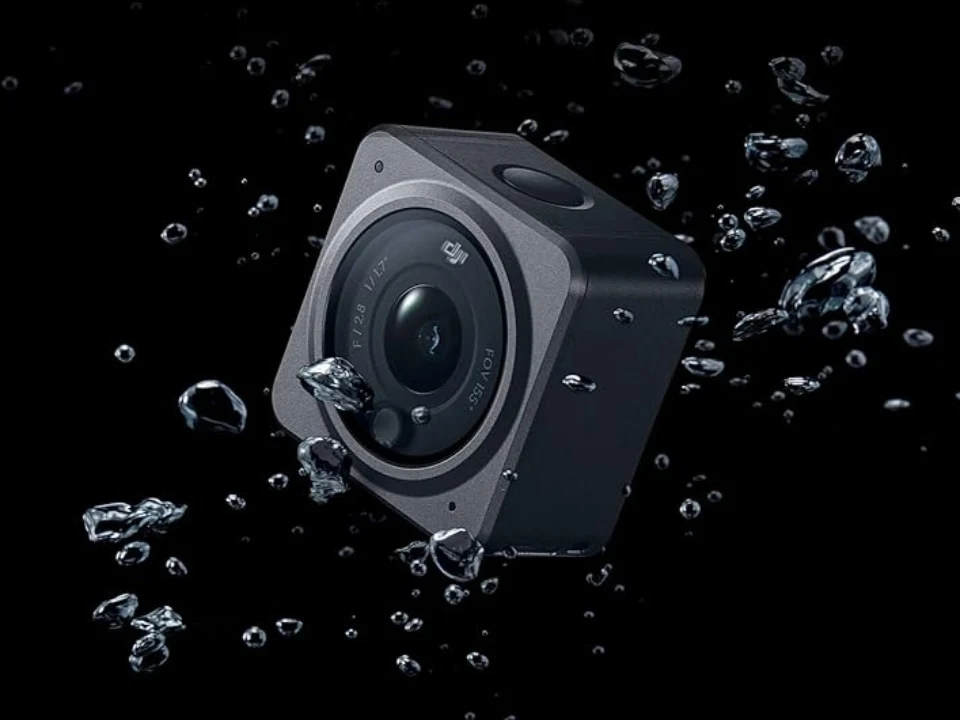
    DJI has unveiled its latest drone, the DJI Flip. This new model weighs less than 250 g and features a compact design that allows it to fold down to the size of an RC-2 controller. Furthermore, recent leaks and speculation indicate that 2025 might be a significant year for DJI, potentially bringing a new version of the Osmo Action 5 Pro, which is currently priced at $349 on Amazon.

    Exciting Teasers from Leakers

    With this in mind, a well-known leaker in the drone community has now started to hint at what DJI might announce at an upcoming launch event. Igor Bogdanov has chosen not to directly name the device this time, unlike his previous posts. Instead, he shared a mysterious post on X, revealing only a snippet of the unreleased product.

    Speculations and Hints

    Bogdanov provided a clue about the anticipated release by stating, “DJI won’t let you get bored.” The image appears to show a device that includes some form of display, leading to speculations that it could be the Osmo Action 6. Other recent rumors also suggest that the Osmo Nano, Mini 5, Neo 2, and Mavic 4 Pro drones might be on their way. Although Bogdanov hasn’t disclosed any further details for now, we believe he might share more information in the coming days.

    What’s Next for DJI?

    Igor Bogdanov’s hints have certainly sparked interest among drone enthusiasts. As the excitement builds, many are eager to see what DJI will bring to the table in the near future. With multiple potential releases on the horizon, it looks like 2025 could be a thrilling year for fans of the brand.

    Source:
    Link


    Image 1


  • Fujifilm 2025 Camera Launches: 4 New Models Revealed

    Fujifilm 2025 Camera Launches: 4 New Models Revealed

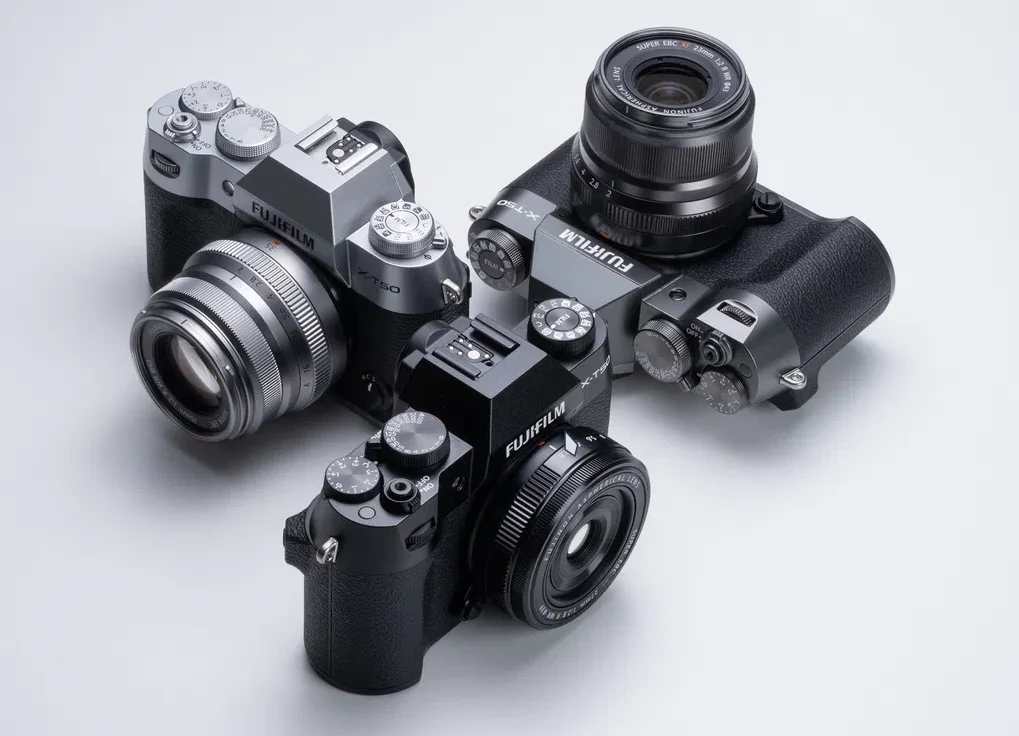
    Fujifilm has become increasingly popular in the past few years, especially with the success of the Fujifilm X100V and its newer version, the X100VI, gaining traction on social media. The company is now aiming to take advantage of this buzz by introducing four new cameras in 2025. Although no official announcements have been made yet, rumors and leaks suggest that we can expect several intriguing launches next year.

    Anticipated Launch: X-E5

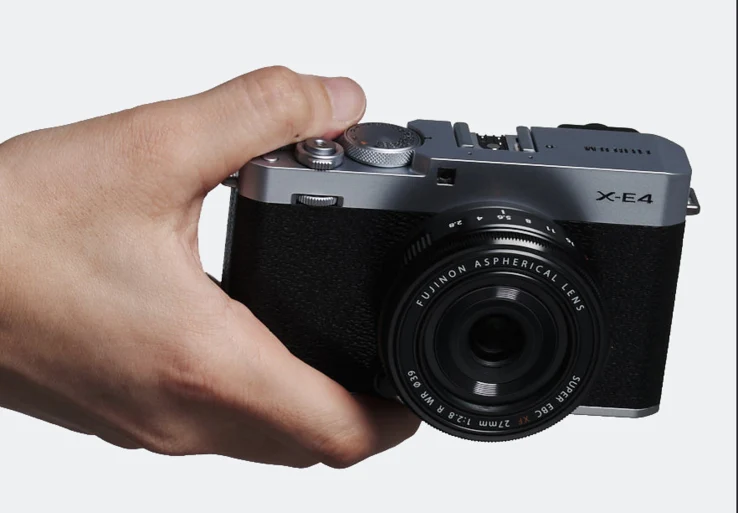
    The X-E5 is likely to be one of Fujifilm’s most crucial releases in 2025, particularly for those on a budget, as it appears to be a revival of the X-E lineup, incorporating some features from the X100VI. We last updated on this compact, vintage-styled X-mount camera in March of the previous year. At that time, it was mentioned in an interview that this affordable camera would continue despite earlier doubts. Recent rumors from Fujirumors imply that the X-E5 is set to debut in the summer of 2025, though this timeframe is somewhat vague.

    Specs and Price Expectations

    Details about the X-E5’s specifications remain scarce, but we can guess that it will share similar hardware with the X100VI, as Fujifilm usually follows this pattern. The pricing is expected to be a bit lower than the X100VI, presenting a mix of features suitable for both professionals and beginners. Additionally, it was previously indicated by Fujirumors that the X-E5 may lack the usual PSAM dial, potentially opting for the new film simulation dial introduced on the X-T50, which is currently priced at $1,399 on Amazon.

    While the X-E5 will likely be positioned below the X100VI in terms of pricing, it doesn’t necessarily mean it will be inexpensive. It should fall somewhere between the X-M5, currently at $999.99 on Amazon, and the X100VI, which is priced at $1,599 but seems to be out of stock everywhere. Fujifilm typically makes some trade-offs in terms of materials and features for the X-E series.

    GFX100 Eterna: Not Just Speculation

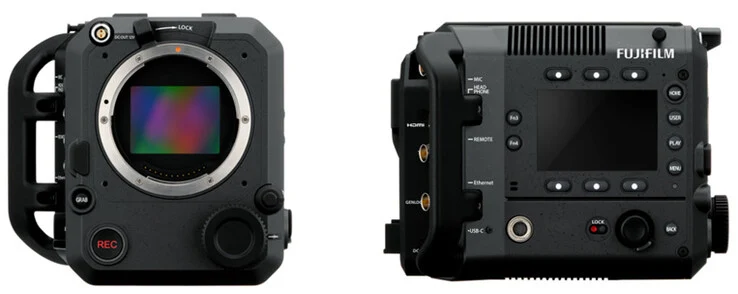
    In contrast to many other cameras mentioned, the Fujifilm GFX100 Eterna isn’t based solely on speculation, as Fujifilm confirmed its development last November. The release date is still unclear, but a launch in 2025 is highly likely since Fujifilm showcased the concept GFX100 Eterna at InterBEE 2024. Some basic specs for the GFX100 Eterna have been made public, confirming that it is essentially a GFX100 II housed in a filmmaking-centric body, complete with numerous attachment points and screw threads for accessories.

    This means the GFX100 Eterna will include a medium-format GFX 102 MP CMOS II HS sensor paired with the X-Processor 5. This setup will enable it to record in 8K, F-Log2, and Apple ProRes 422, boasting over 14 stops of dynamic range and 8-stop IBIS, making it suitable for both studio and handheld documentary work. It’s likely that the GFX100 Eterna will have the same card slots as the standard GFX100 II, supporting UHS-I, UHS-II, CFExpress Type B, and SSDs under 2 TB. Though pricing remains undisclosed, Fujifilm claims it will be “affordable,” a term that means little in the cinema camera market. Currently, the Fujifilm GFX100S II retails for an astonishing $4,999.99 at Best Buy, while the GFX100 II is listed at $7,499.99, albeit out of stock. It’s reasonable to expect that the GFX100 Eterna could be priced between these two medium-format cameras.

    The Mystery of the X-HF

    There is limited information available about the Fujifilm half-frame camera, rumored to be called the X-HF, which is said to be in development. What we do know is that it is expected to launch in 2025 and will likely feature a 1-inch sensor, marking a first for Fujifilm’s digital camera range. Speculation around the X-HF includes the possibility of a portrait-oriented sensor, making it a potential alternative to smartphones, which could appeal to social media users and influencers. The resolution is thought to be around 20 MP, and it appears that Fujifilm will utilize a Sony-made sensor for this camera. However, further details remain scarce at this time.

    Unique GFX100RF on the Horizon

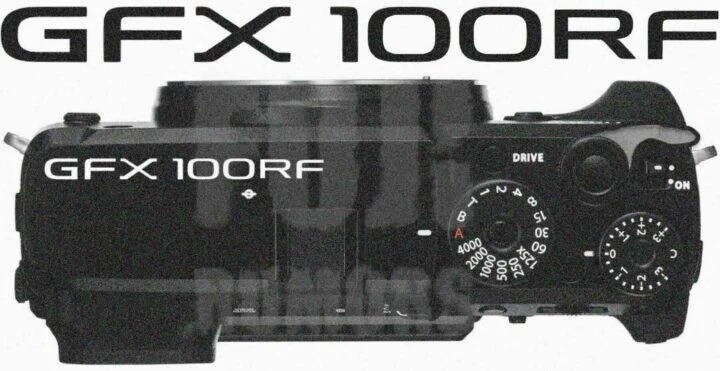
    One of the most distinctive cameras in Fujifilm’s lineup for 2025 appears to be the GFX100RF, which seems to take the design of the GFX100 and modernizes it with a fixed lens and retro aesthetics similar to the X100VI. According to the latest whispers from Fujirumors, the GFX100RF is expected to be unveiled in March 2025.

    This camera is intriguing because it builds on the X100VI concept but in a larger format, incorporating several exciting new features. The GFX100RF is anticipated to come with a GF35 mm F4 fixed prime lens, diverging from the G mount typically found in Fujifilm’s GFX range. Notably, this lens will provide a significantly wider field of view than the X100VI’s 35 mm, with the GFX100RF offering a full-frame equivalent of about 28 mm.

    Additionally, recent leaks suggest that the GFX100RF will feature a dedicated aspect ratio dial on the back and a live image crop lever positioned under the shutter button. It seems increasingly likely that the GFX100RF will include a variety of manual controls for ISO, shutter speed, and exposure, rather than relying on a simple PSAM dial with on-screen options.

    Source:
    Link


    Image 1
    Image 1
    Image 1


  • DJI Flip: Unique Compact Drone Now Available Worldwide

    DJI Flip: Unique Compact Drone Now Available Worldwide

    There have been a lot of leaks regarding DJI recently, including information about unreleased drones and new action cameras, such as the Osmo Nano. The last product the company released was the Mic Mini, which is currently priced at $169 on Amazon. This model offers a more affordable choice compared to the existing Mic 2.

    New Drone Release

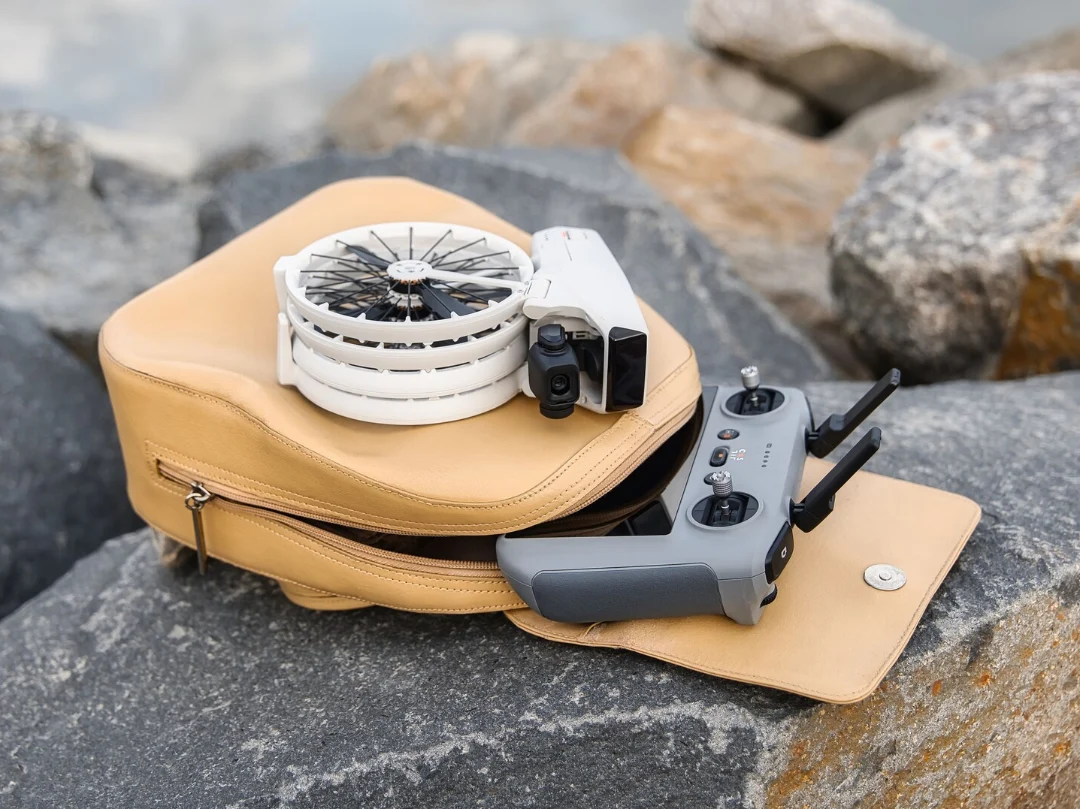
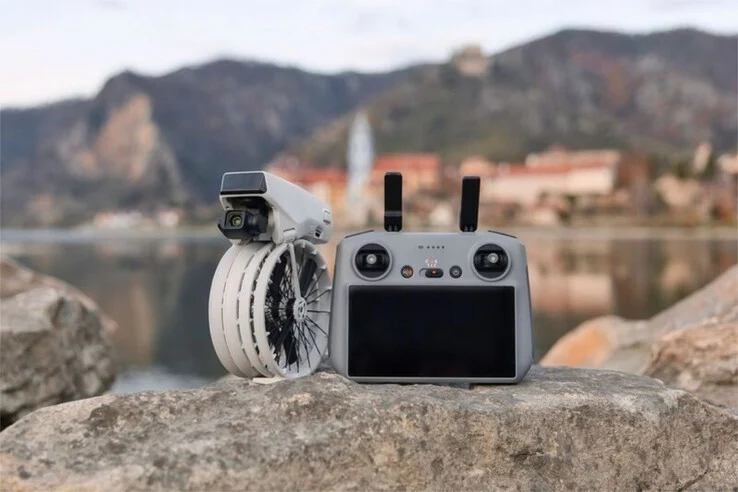
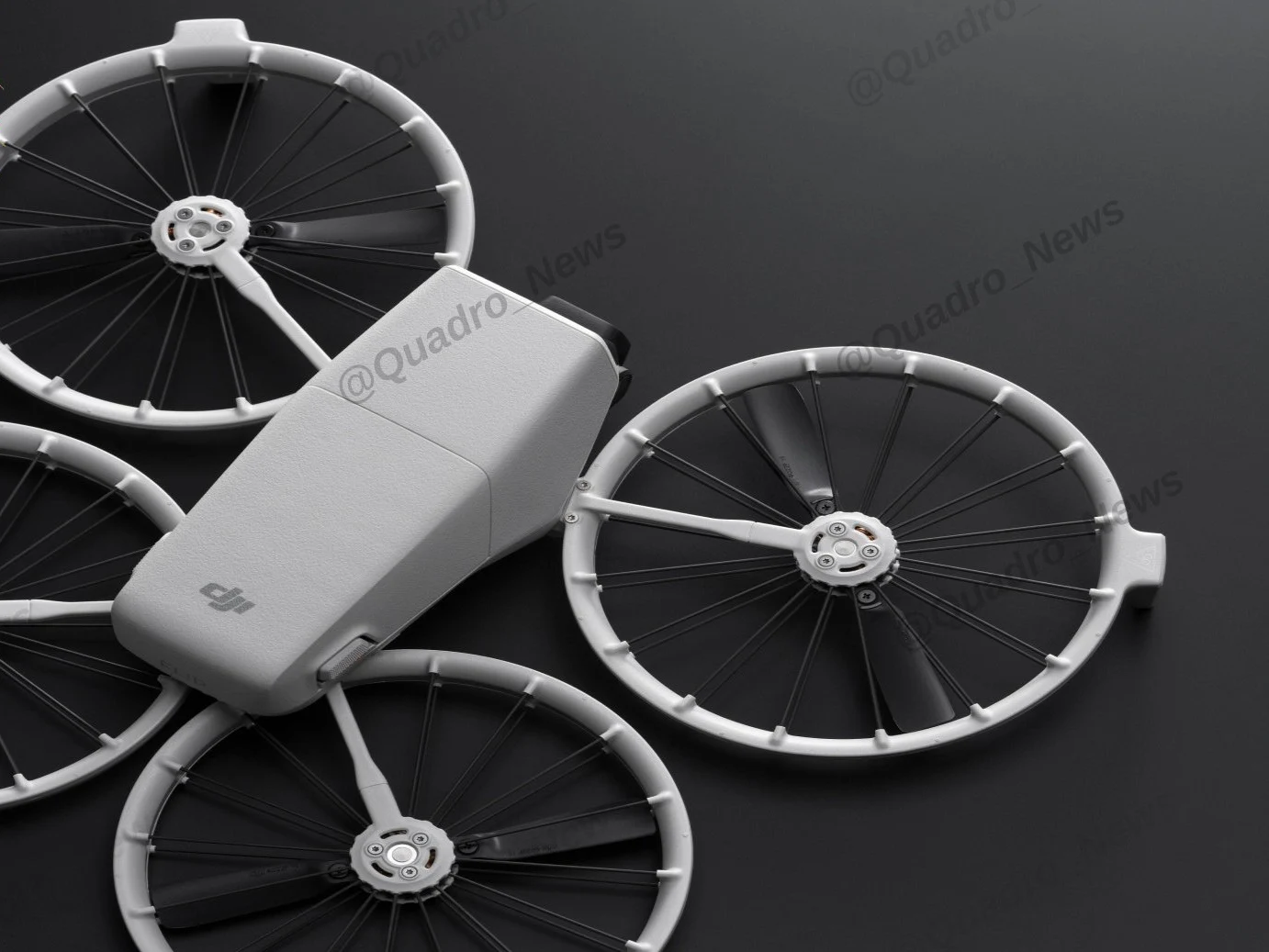
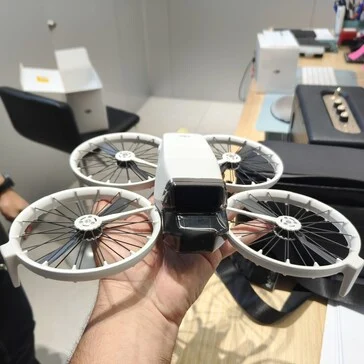
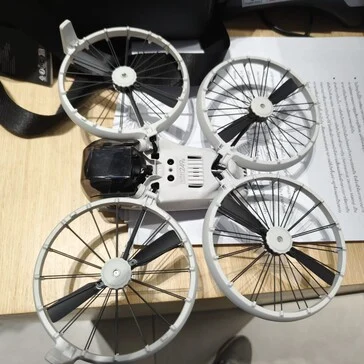
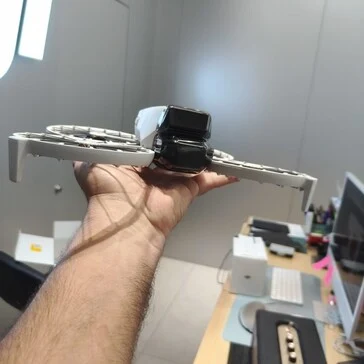
    As we enter 2025, DJI has introduced a new consumer drone called the DJI Flip. According to the images from DJI, this drone features a foldable design, making it more compact than other drones weighing 249 grams, like the Mini 4 Pro. The Flip also comes with propeller guards to help prevent damage during storage, although these guards are not intended for first-person view (FPV) flying.

    Features and Compatibility

    The Flip drone is compatible with the RC 2 and RC-N3 controllers, boasting a range of up to 13 km while streaming 1080p video at a steady 60 FPS, thanks to OcuSync 4.0 (O4) technology. For context, the drone can transfer content to the DJI Fly app at speeds of up to 30 MB/s. Additionally, the Flip offers flight times of up to 31 minutes, but this is only under optimal conditions.

    Camera Specifications

    Furthermore, the DJI Flip comes equipped with a 1/1.3-inch CMOS camera sensor that captures images at a native resolution of 48 MP, featuring an f/1.7 aperture and Dual Native ISO. It can record video at 4K resolution and 60 FPS, as well as 100 FPS slow-motion footage in 4K. Additionally, it supports a 10-bit D-Log M color mode. As is typical for DJI, the drone includes several software features like FocusTrack, MasterShots, and Hyperlapse.

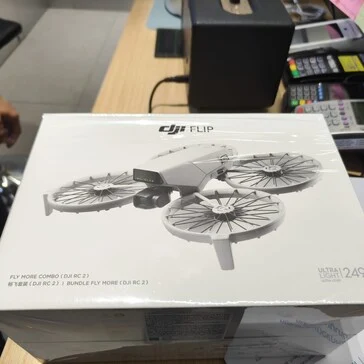
    The starting price for the DJI Flip is $439 without a controller, while it goes up to $639 when purchased with an RC-2 controller. Alternatively, customers can buy a Fly More Combo, which includes extra accessories, for $779. For more information, check out DJI’s official website.

    Source:
    Link


    Image 1
  • China Eyes Elon Musk as Potential Buyer for TikTok’s US Future

    China Eyes Elon Musk as Potential Buyer for TikTok’s US Future

    Chinese officials are considering allowing Elon Musk to take control of TikTok’s US operations if the popular short-video app fails to evade an impending ban. While Beijing wishes for ByteDance Ltd. to retain TikTok, they are exploring alternative plans amid ongoing discussions with the incoming Trump administration.

    Urgency of Negotiations

    These discussions have become more pressing after Supreme Court justices suggested they may support new laws requiring ByteDance to either divest or close TikTok’s US branch by January 19. One proposal being considered is merging TikTok US with Musk’s X platform, leveraging TikTok’s vast user base of over 170 million Americans to enhance X’s advertising potential.

    Financial Challenges

    The financial aspect is a significant hurdle, with Bloomberg Intelligence analysts estimating TikTok’s US operations to be worth between $40 billion and $50 billion. How to arrange the deal, secure funding, and obtain approval from regulators remains uncertain, particularly in light of Musk’s previous commitments from his $44 billion Twitter acquisition.

    For the moment, ByteDance is concentrating on its legal challenges, arguing through TikTok’s attorneys that forcing a sale infringes on First Amendment rights. Conversely, President-elect Trump has suggested he may delay the January 19 ban to allow both parties more time to negotiate, highlighting his intention to “save” the platform.

    China’s Influence

    The Chinese government possesses a so-called golden share in a ByteDance subsidiary, granting it substantial influence over key business decisions, including those related to export regulations concerning TikTok’s algorithm. This arrangement guarantees that Beijing remains impactful in any potential sale, particularly regarding TikTok’s distinctive recommendation technology.

    Musk has publicly opposed a TikTok ban, tweeting in April that shutting down the app would contradict fundamental principles like freedom of speech and expression, asserting that it does not represent what America stands for. So far, representatives from Musk, ByteDance, TikTok, and relevant Chinese government entities have remained silent on the matter.

    Source:
    Link

  • Yashica City 200: Affordable Compact Camera with 10x Zoom & 4K

    Yashica City 200: Affordable Compact Camera with 10x Zoom & 4K

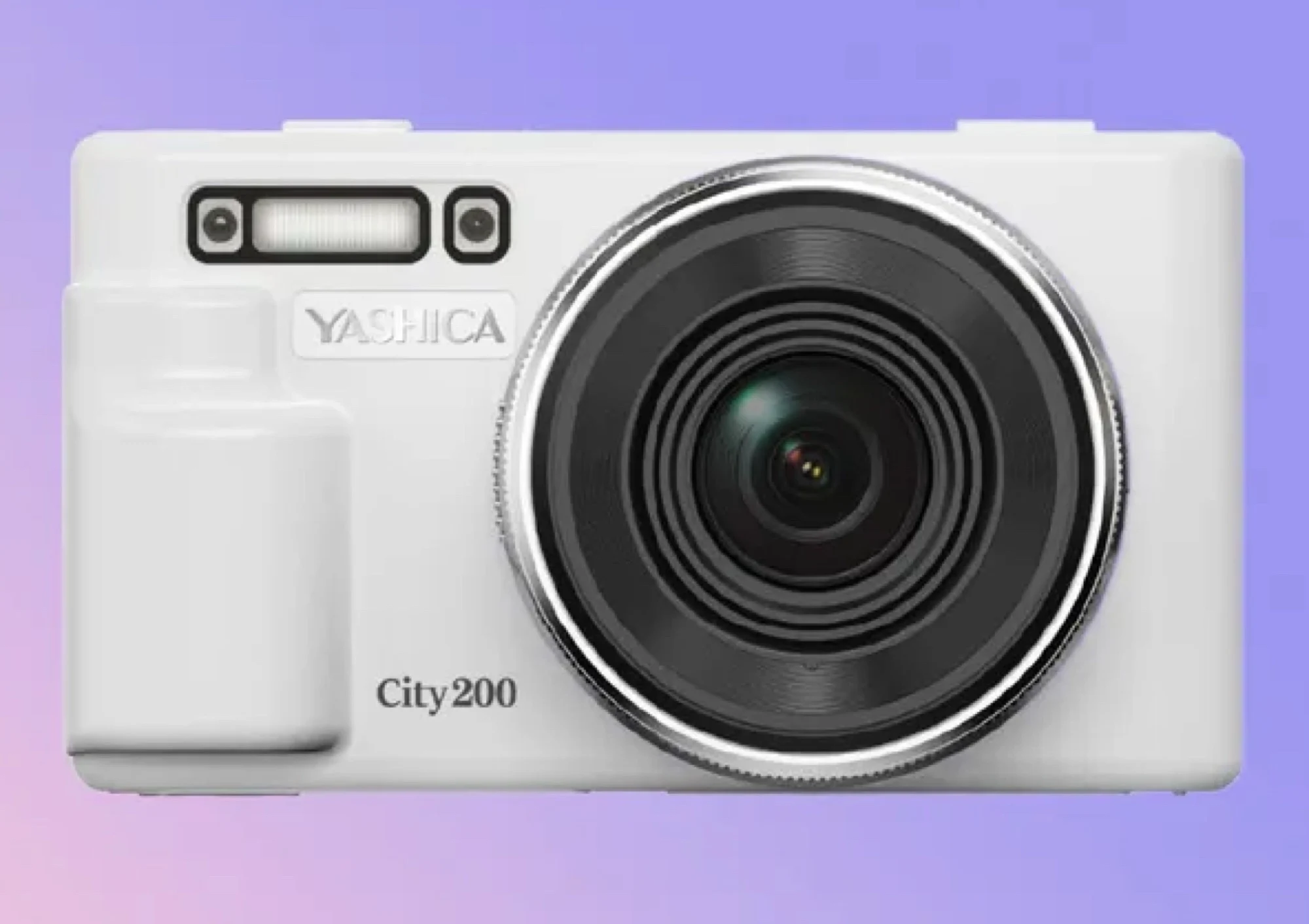
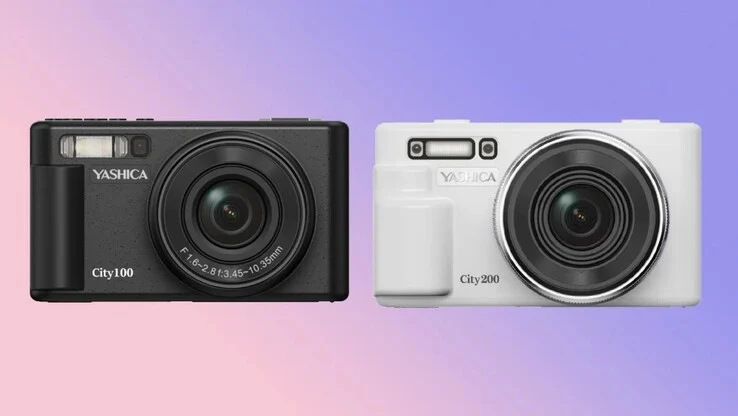
    The Yashica City 100 and City 200 are designed to be budget-friendly digital cameras. The primary distinction between these two models lies in their lenses; the City 100 features a 3x optical zoom, while the City 200 offers a more advanced 10x zoom, making it pricier.

    Camera Specifications

    Both models are equipped with a 13 MP sensor that is 1/3.06 inches in size, which is even smaller than those found in many low-cost mid-range smartphones. The sensor captures images in a 4:3 aspect ratio, differing from the more standard 3:2. Additionally, users can record 4K videos at 60 frames per second. With the help of autofocus and auto exposure, snapping sharp and well-lit photos can be done with just a press of the shutter button.

    Night Photography and Limitations

    An built-in flash enables users to take pictures at night without needing to crank up the ISO to its max of 3,200, which would probably create significant image noise due to the sensor’s size. The specifications reflect what you would expect from a compact camera from about 15 years ago. Like most of Yashica’s compact cameras, the City series likely lacks RAW support and only saves images in JPEG format. Surprisingly, Yashica has decided to omit Bluetooth and WLAN, resulting in no wireless options for transferring images.

    Pricing and Release Info

    The Yashica City series is set to release in February. Currently, only prices for the UK and Europe are available: £219.99/219.99€ for the Yashica City 100 with 3x zoom and £259.99/259.99€ for the Yashica City 200 with 10x zoom. Information regarding US pricing is anticipated to come out soon.

    Source:
    Link


    Image 1
  • Polono D810 Portable Thermal Printer with 50 Minutes Battery Life

    Polono D810 Portable Thermal Printer with 50 Minutes Battery Life

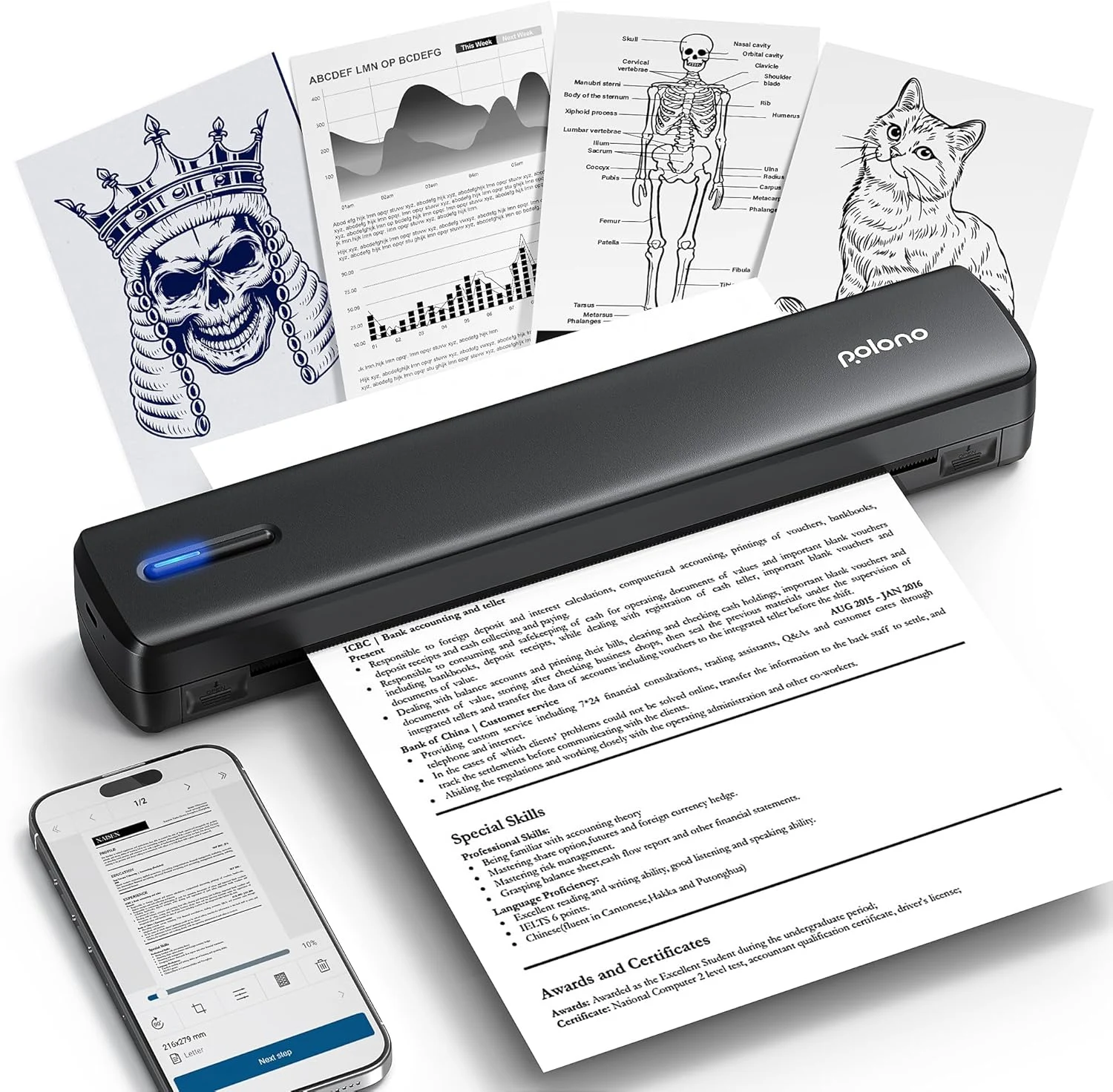
    Polono has introduced its new wireless thermal printer, the D810, to the US market. This printer is unique as it doesn’t need ink cartridges; it employs thermal printing technology with a resolution of 203 dpi, which ensures great accuracy in prints.

    Battery Life and Specifications

    The D810 features a 1,500 mAh battery that can last about 50 minutes on a single charge. In other words, it can produce up to 200 A4-sized pages before needing to be recharged. The printer’s dimensions are 12.99 x 3.35 x 3.15 inches (HWT) (329.9 x 85 x 80 mm), and it weighs approximately 532 grams (1.17 lbs).

    Printing Capabilities

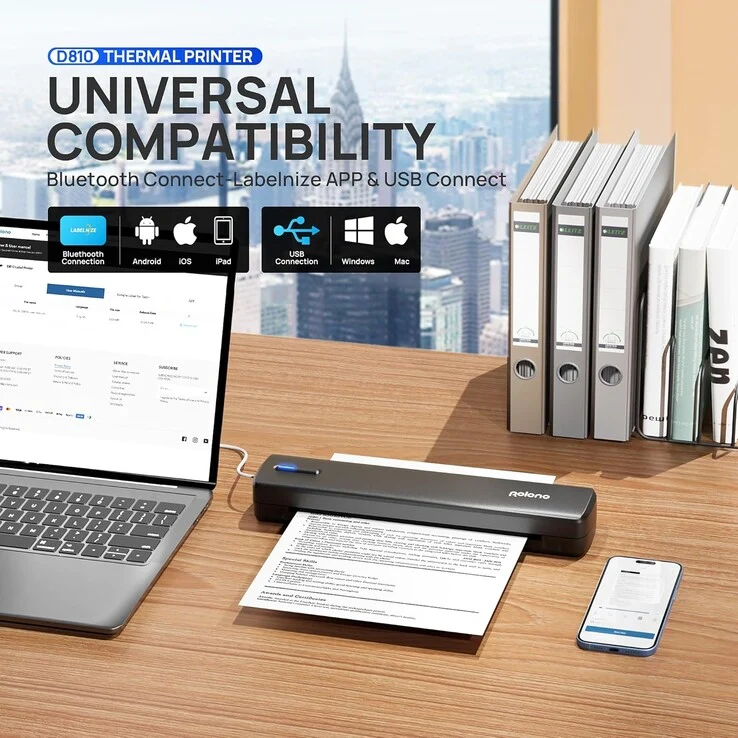
    This printer is capable of printing a variety of materials, such as photos, PDFs, documents, tattoo designs, and engineering drawings, all in a borderless print format of up to 8.5 x 11 inches (215.9 x 279.4 mm). Its compatibility is broad; it can connect to Android, iOS, Windows, and Mac devices through Bluetooth and USB-C. Furthermore, it also supports wireless use via Bluetooth, allowing you to manage the printer easily with Polono’s Labelnize app.

    Paper Types and Portability

    The D810 can handle different paper types, including roll paper, fan-fold paper, and tattoo transfer paper. A notable feature is that it doesn’t have space to store a roll of paper inside, so you will need to carry sheets along with the device every time you transport it.

    The Polono D810 thermal printer comes in black and is priced around $115 in the US via Amazon. It includes a USB-A to USB-C cable and 20 sheets of US letter-sized paper. For more information, check out the Polono website.

    Source:
    Link


    Image 1
  • Aurzen Zip: World’s First Pocket-Sized Tri-Fold Projector

    Aurzen Zip: World’s First Pocket-Sized Tri-Fold Projector

    At CES 2025, Aurzen unveiled the Aurzen Zip, a groundbreaking tri-fold portable projector that is now the first of its kind in the world. This projector blends cutting-edge technology with exceptional portability, creating a new benchmark for other portable projectors.

    Design and Features

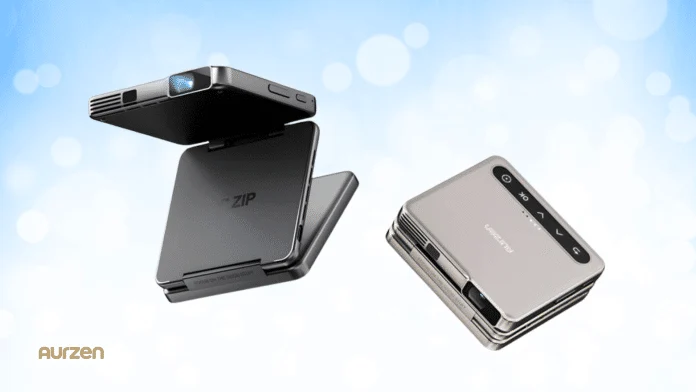
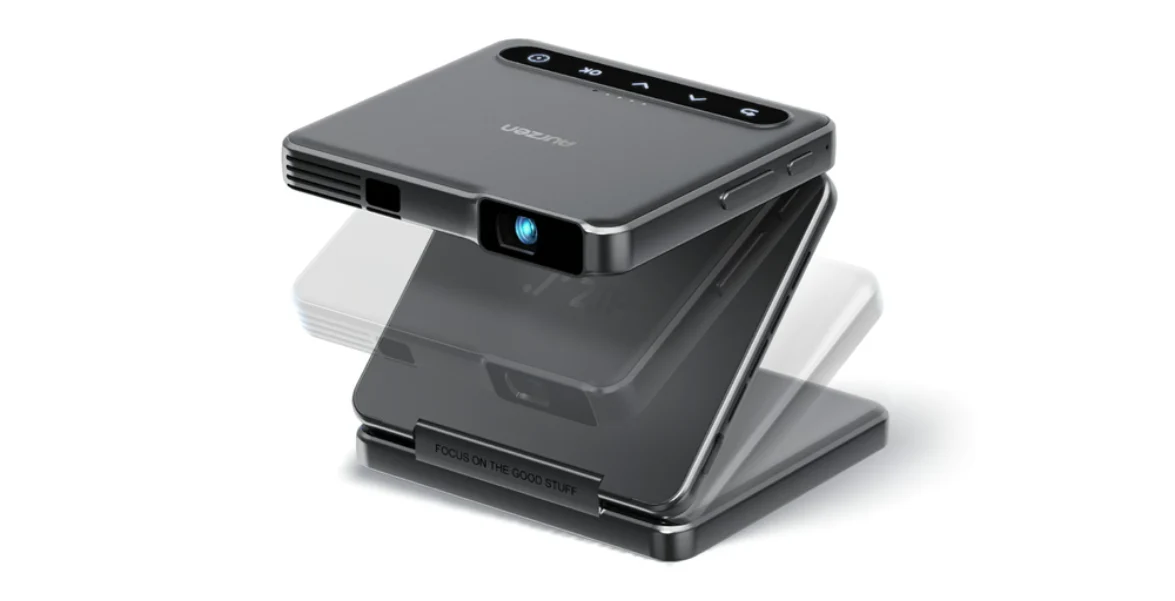
    The Aurzen Zip boasts a clever tri-fold design that ensures it’s both compact and lightweight, measuring a mere 3.31 x 3.07 x 1.02 inches (84 x 78 x 26mm) and tipping the scales at just 9.88 ounces (280 grams). It incorporates the thinnest 8mm high-definition optical engine available and an ultra-compact DLP microchip within its first fold.

    In the second fold, you’ll find dual sturdy aluminum hinges and stereo speakers, while the third fold features a non-slip base as well as a built-in battery. This Z-shaped design eliminates the requirement for external tripods, allowing for an easy setup in any location.

    Connectivity and Technology

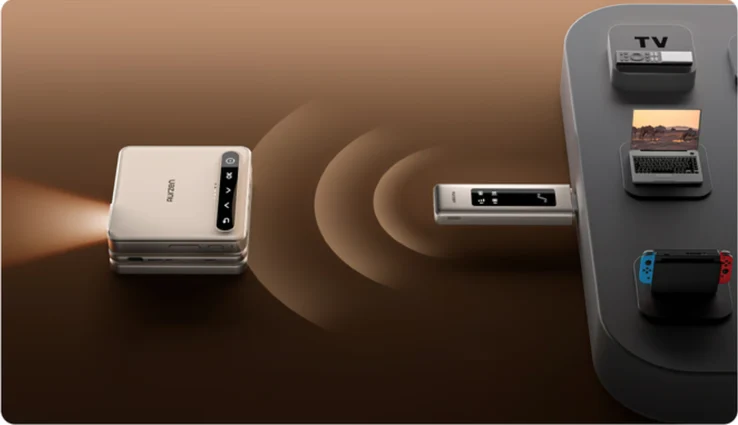
    One of the standout features of the Zip is its one-tap screen mirroring capability that functions without needing Wi-Fi, making connection with devices running iOS, Android, macOS, and Windows a breeze. For enhanced versatility, it offers an optional CastPlay dongle to support HDMI devices like gaming consoles and TV boxes.

    Aurzen has also included ToF zero-lag autofocus tech, which enables the projector to focus instantly and correct vertical keystone distortion by measuring distances 30 times in a second. Furthermore, its built-in gyroscope allows the projector to easily adjust to both horizontal and vertical positions, making it ideal for displaying mobile content from apps like TikTok and Instagram in full-screen mode without borders.

    Performance and Availability

    Even with its small size, the Zip provides a native resolution of 720p, boasts 100 ANSI lumens brightness, and supports 4K playback. It is powered by a 5000mAh battery which allows for 1.5 hours of use on a single charge and features 24W fast charging via USB-C, ensuring quick recharges.

    The projector is currently available for pre-order on Kickstarter, with an early-bird price starting at $249, significantly lower than its retail cost of $399. The expected shipping date is March 2025.


    Image 1
  • Aurzen Zip Pocket Projector Raises $170,000 in Crowdfunding

    Aurzen Zip Pocket Projector Raises $170,000 in Crowdfunding

    Dual-hinged gadgets, which pack more technology into a smaller space, are on the verge of dominating the market. Huawei’s Mate XT Ultimate Design serves as a prime example of this trend. In this context, the Aurzen Zip appears to be crafted like one of those metallic foldable wireless chargers you can find on Amazon—only it’s designed to house a complete portable projector instead.

    Compact Design and Functionality

    The Zip utilizes similar DLP technology as conventional projectors but can collapse to a height of 84 millimeters (almost half of the iPhone 16 Pro Max) when not in use. When it’s time to project, the hinges help users adjust the angle and height of the image, featuring ToF Zero-Lag Auto Focus Technology for automatic keystone adjustments. It also includes a 5,000mAh battery, providing up to 1.5 hours of standalone operation, along with a USB-C port that supports 24W PD charging.

    Some Limitations

    Aurzen claims a throw ratio of 1.09:1 for the Zip, but they haven’t specified the maximum image size it can produce. However, there are some significant downsides to the device. It only offers a “Natvie” resolution of 720p and a brightness level of just 100 ANSI lumens at its best. Additionally, the Zip seems to depend quite a bit on screen mirroring or wireless streaming for content. This means users will need an extra Aurzen CastPlay dongle for HDMI-enabled devices like TV boxes, gaming consoles, or laptops.

    Size and Weight Considerations

    While the Zip is noticeably shorter than the iPhone 16 Pro Max when folded, it is almost three times thicker at 26mm (around 1 inch) and weighs more at 280 grams (g). On a positive note, the “Tri-Fold Projector” comes equipped with its own speakers, rated at a modest 1 watt (W), and features modern Bluetooth 5.4 connectivity.

    Aurzen has recently launched the Zip on Kickstarter after winning an Innovation Award at CES 2025. As of now, it has raised around $175,000 from backers and is available starting at $249 in Black or Titanium Gold finishes.

    Source:
    Link


    Image 1
  • DJI Flip Drone: Price, Features, and Release Date Revealed

    DJI Flip Drone: Price, Features, and Release Date Revealed

    The DJI Flip is a new drone that many people are excited about, coming from the well-known Chinese brand. After some promo pictures and specifications were revealed earlier, more leaks have now come out, sharing details about its features, specs, and importantly, pricing and when it will be officially announced. According to the famous leaker @JasperEllens on X/Twitter, a retailer in Croatia has put the drone up for sale in three different bundles, with prices of €449 (~$460), €659 (~$676), and €809 (~$830).

    Compact Design

    Weighing less than 300 grams (about 249g when using the standard battery and microSD), the DJI Flip is designed to be portable while still offering advanced capabilities. Its foldable structure makes it very compact, measuring just 136×62×165mm when folded and expanding to 233×280×79mm in use. This light weight makes the Flip a great choice for travelers, appealing to both novice and expert users alike.

    Impressive Performance

    The Flip runs on a 3110mAh battery, allowing for up to 31 minutes of flying at steady speeds or 28 minutes while hovering. It’s said to manage tough conditions, with wind resistance up to 10.7m/s and a horizontal speed of 12m/s in Normal and Sport modes, reaching as fast as 16m/s with good tailwinds. The drone also comes with a 3-axis mechanical gimbal for stabilization and an advanced sensor setup, featuring front-facing 3D ToF sensors.

    If the leaks are correct, this drone will include a built-in 48MP camera with a 1/1.3-inch sensor, as mentioned in earlier leaks. With a 24mm lens (f/1.7 aperture), 4K video recording at 60fps, and special vertical shooting modes made for social media, the Flip seems to connect professional and hobbyist drone users. Also, DJI has focused on a good user experience with an O4 video transmission system, offering a range of up to 13km in ideal settings and fast charging options at 65W using an optional charging hub.

    Tailored Features

    The Flip appears to be equipped with specific modes for aerial photography, creative social media content, and sports or adventure activities. These features, alongside durable materials and GPS support (GPS + Galileo + BeiDou), are likely to make it stand out in the compact drone market.

    In a recent tweet from another reliable source, @Quadro_News on X/Twitter, the official launch date was mentioned as January 14, just 3 days away from now. The leaker also shared some real-time images of the DJI Flip shortly before this announcement—check them out in the tweets below (see below).

    Source:
    Link


    Image 1
    Image 1
    Image 1
    Image 1
  • OM System to Launch Retro M4/3 Camera in 2025: OM-1 or OM-3?

    OM System to Launch Retro M4/3 Camera in 2025: OM-1 or OM-3?

    Since OM System took over the Olympus camera division, many loyal fans have felt a bit let down by the new offerings. The OM-1 II and the OM-5 were decent, but they didn’t have the same groundbreaking appeal as the beloved Pen-F, which won over Micro Four Thirds enthusiasts. However, it seems OM System might be moving away from simply relying on the Olympus legacy, especially if recent leaks hold any truth.

    Exciting Teasers for 2025

    An observant user on Reddit noticed that OM System Malaysia shared a teaser on Facebook hinting at a new camera set to debut in 2025. The details about this upcoming camera are still scarce, but the leaked image contains some interesting hints.

    The image is divided into two sections. The upper part reads “1972” and shows an old Olympus camera body, while the lower part is marked “2025,” reflecting something with the caption “Revive the past, create the future.” This strongly suggests that the camera launching in 2025 will have a retro flair, but there are additional insights to uncover from the visuals provided.

    A Nod to the Past

    The “1972” label and the vintage camera depicted above seem to reference the iconic Olympus OM-1 35 mm film camera, which debuted that same year. The OM-1 name has made its way into modern Micro Four Thirds models, like the OM-1 II, hinting that this new retro design could be a reimagined version of the current OM-1 flagship.

    Regarding specifications, it’s uncertain if OM System will take a page out of Fujifilm’s X100VI or Nikon’s Z f (currently priced at $1,996.95 on Amazon) and Z fc (currently priced at $1,099.99 with a 16–50 mm kit lens at Best Buy) playbook, simply repackaging existing tech in a fresh case with altered controls. Right now, fans of OM System and M4/3 are keeping their fingers crossed for a fresh sensor and image processor, but that might be a long shot since the OM-1 II was introduced quite recently in January 2024 (currently $1,849.99 on Amazon).

    Speculations on the New Model

    A follow-up leak from the well-known leaker Andrea Pizzini on YouTube claims that the new camera will be called the OM-3, placing it between the OM-1 and OM-5 series. Whatever the final product looks like, it seems to be leaning towards a compact design. In Pizzini’s video, images of the potential new retro camera suggest it might share a similar shape with the OM-5, possibly blending features from both the OM-1 and OM-5 into a single body.

    Pizzini’s visuals also hint at numerous tactile controls for the new model, which would put it in direct competition with cameras like the Fujifilm X100VI rather than the Sony A6700 (currently $1,398 on Amazon).

    Lastly, Pizzini speculates that the OM System OM-3 could feature a new 43 MP Micro Four Thirds sensor, although no concrete evidence supports this theory.

    Source:
    Link