Category: Video / Photo

  • Phantom Launches High-Speed Camera: 483,330 FPS & 256GB RAM

    Phantom Launches High-Speed Camera: 483,330 FPS & 256GB RAM

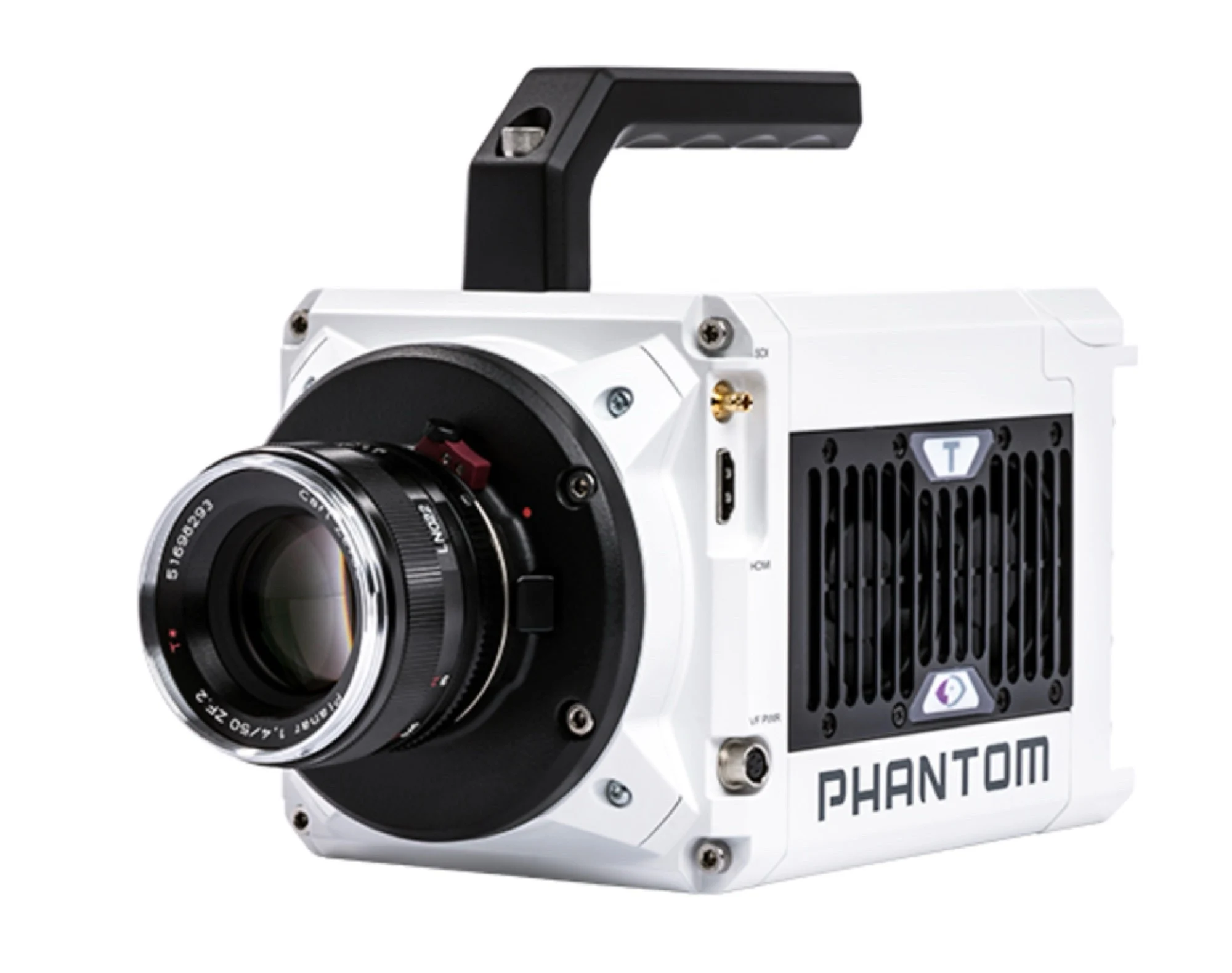
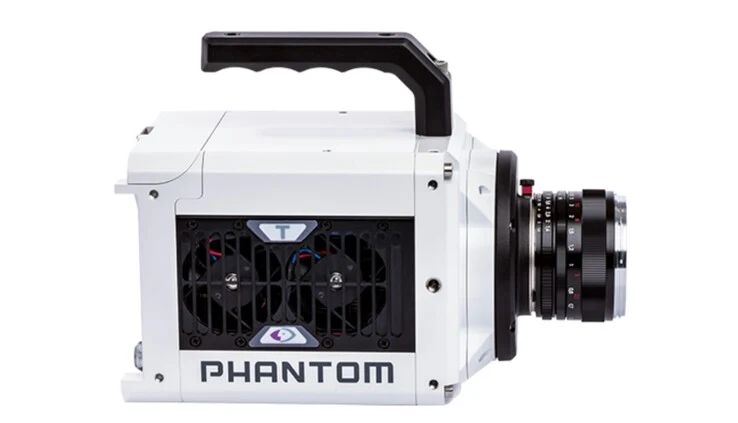
    The T2110 has been introduced as the latest basic model in the T-series, yet it still delivers an impressive high frame rate. At the heart of the Phantom high-speed camera lies a 12-bit BSI sensor featuring a resolution of 1,280 x 800 pixels. When operating at full resolution, this camera can record videos at an astonishing frame rate of up to 21,000 fps, which translates to a slow-motion effect of 875 times when played back at 24 frames per second.

    Sensor Capabilities

    The sensor is versatile, supporting color, black-and-white, and ultraviolet modes. Measuring 9.3 x 5.8 inches, it is slightly smaller than an APS-C sensor. By utilizing pixel binning to lower the resolution to 640 x 384 pixels or even less, the camera can achieve incredibly high frame rates of up to 483,330 frames per second, which equates to a slow-motion effect of 20,138 times. At this remarkable frame rate, the camera captures a staggering 21 gigapixels per second. To manage this data influx, the Phantom T2110 can be outfitted with RAM ranging from 32GB to 256GB, which is essential before the video files are saved onto a CineMag V.

    Storage Options

    The available SSDs come in capacities of either 2 TB or 8 TB and are capable of processing up to 1.4 gigapixels per second. This means that recording just one second of slow-motion footage requires about 15 seconds for it to be stored on the SSD. The Phantom high-speed camera is supplied with a standard Nikon F-mount, but options for Canon EF, PL, C, and M42 mounts are also provided.

    Phantom typically does not disclose the prices or launch dates for its cameras. Interested videographers wanting to learn more about the T2110 slow-motion camera should contact the manufacturer through its official website.

    Source:
    Link

  • DJI Osmo Mobile 7 and 7P Gimbal Leaks Revealed

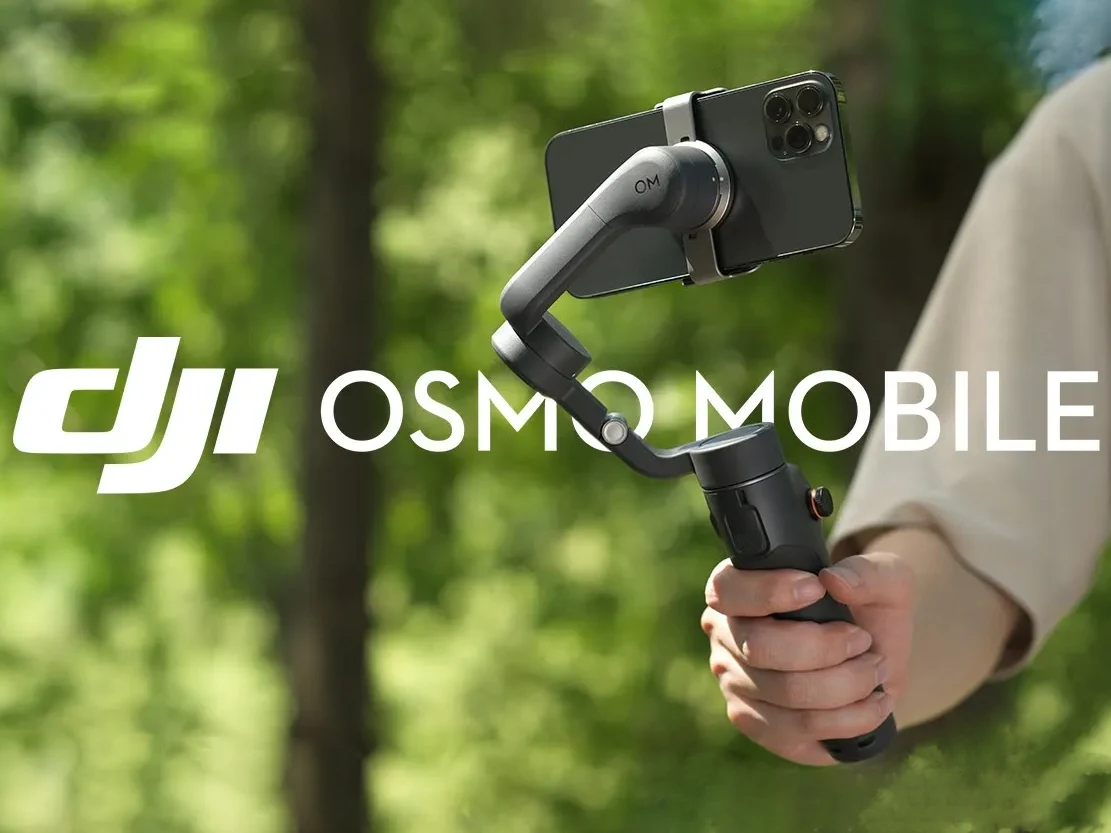
    DJI Osmo Mobile 7 and 7P Gimbal Leaks Revealed

    In recent times, leaker Igor Bogdanov has been consistently unveiling information about an upcoming camera gimbal from DJI, which is named the RS 4 Mini. This new device may potentially incorporate its ActiveTrack technology. Now, Bogdanov has shifted his focus to the Osmo Mobile series, hinting that it could be getting two new models in the near future.

    New Releases on the Horizon

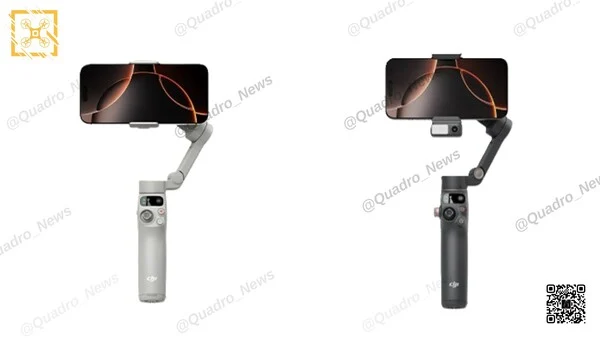
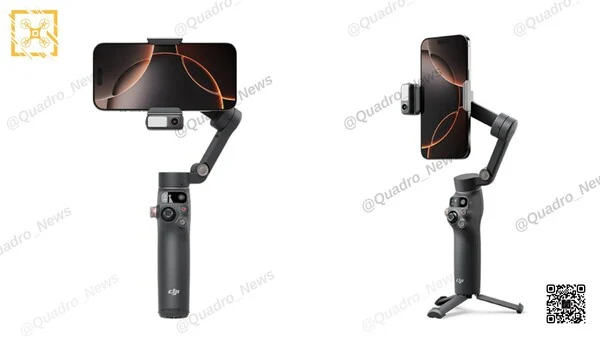
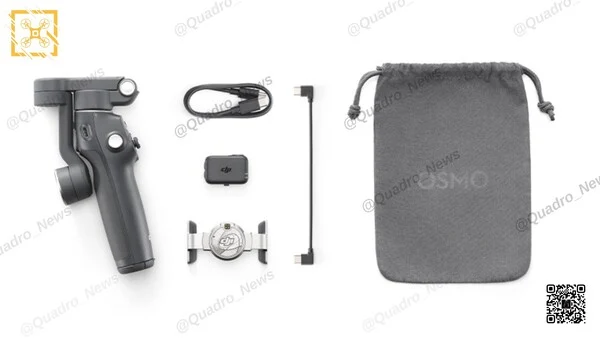
    To provide some background, the Osmo Mobile 7 was revealed in November at the Federal Communications Commission (FCC) as a replacement for the older Osmo Mobile 6, currently priced at $126.55 on Amazon. Alongside it, a device named the ‘Osmo Mobile 7P’ was also spotted, but its function was initially uncertain. According to Bogdanov’s recent disclosures, the Osmo Mobile 7P is set to be a professional variant of the Osmo Mobile 7, boasting additional features.

    Enhanced Features for Professionals

    DJI seems to have included a camera module in the Osmo Mobile 7P that will provide tracking capabilities, a feature absent in the standard Osmo Mobile 7. On the other hand, both of these smartphone gimbals might come equipped with LiDAR technology, which is not present in the current Osmo Mobile 6. At this moment, neither the specifications nor the pricing details for the Osmo Mobile 7 series are available. However, we anticipate that insiders like Bogdanov will reveal more about these devices in the weeks ahead.

    Source:
    Link


  • VN-09: 5K Sports Camera with Night Vision, Flashlight & Voice Control

    VN-09: 5K Sports Camera with Night Vision, Flashlight & Voice Control

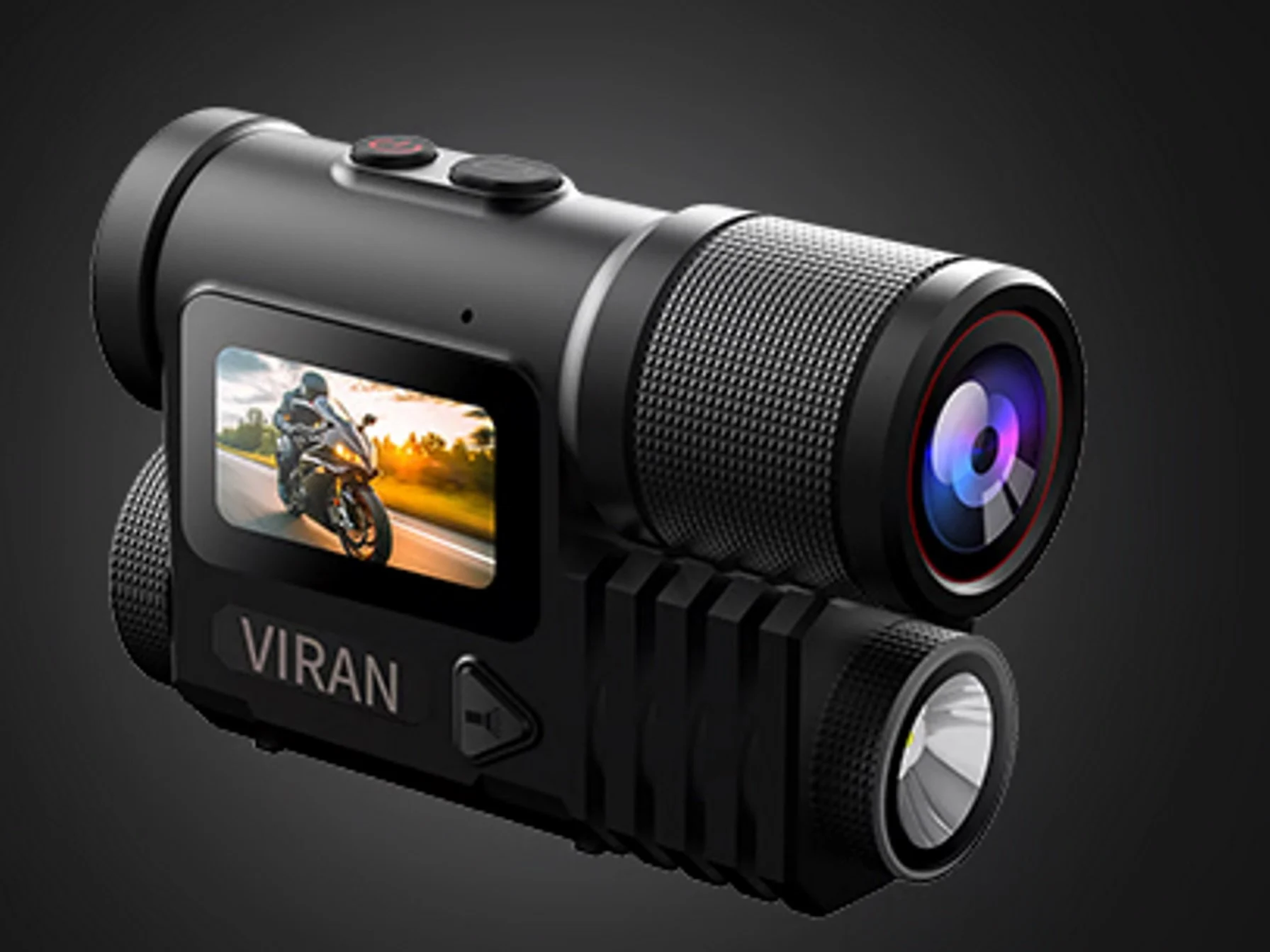
    The VN-09 is a fresh sports/action camera designed for “modern adventurers,” which refers to outdoor lovers eager to capture their fast-paced activities with a hands-free device. This includes running, biking off the trails, riding motorbikes, skiing, or even skydiving. Its unique, elongated design bears resemblance to night vision gear or binoculars, making it simpler to attach to a motorcycle helmet, a backpack, a bike, or even the user’s arm. Instead of using optical image stabilization (OIS), this model employs electronic image shake (EIS), effectively reducing blurriness and shaking that can arise from jitters, wind, or vibrations.

    Specifications and Features

    Measuring 61.5 x 93.7 x 32 millimeters, the camera weighs 159 grams and boasts IP67 certification, ensuring it is both dust and waterproof. It offers a maximum resolution of 5K, which should enable recordings at 30 frames per second. The device features a 145° wide-angle lens that is capable of capturing 20 MP photos. A 1.47-inch IPS touchscreen is also included, and it supports voice commands, allowing for hands-free usage. Furthermore, the VN-09 can double as a dashcam and has a claimed battery life of up to 5 hours. Additionally, it comes with an integrated tactical flashlight for recording in low-light conditions.

    Pricing and Availability

    At the moment, the camera can be purchased for a price of $189 through a crowdfunding campaign, with deliveries expected in June. Backers should be aware that crowdfunding projects come with specific risks, one of which is that a new company is promoting the VN-09.

    Source:
    Link

  • YouTube’s 3-Hour Unskippable Ads: Not a Glitch

    YouTube’s 3-Hour Unskippable Ads: Not a Glitch

    YouTube users have been sharing their experiences of encountering incredibly long, unskippable ads, some stretching from 57 minutes to as much as 3 hours. Screenshots posted on Reddit even show ads that are longer than the videos being played. This has left many users feeling frustrated, raising questions about whether this is a deliberate strategy from YouTube or simply a technical issue.

    The Missing ‘Skip Ad’ Button

    Some users have pointed out that the typical “Skip Ad” button is absent in these cases. In certain instances, it appears below the video, leading to theories that ad blockers might be affecting how ads are shown. This has sparked worries that ad blockers could be changing the visibility of the skip feature or impacting the length of the ads themselves.

    YouTube’s Response to User Concerns

    YouTube clarified that these lengthy advertisements mainly target users who have ad blockers activated. The platform noted that regular users can still skip ads after a wait of 15 seconds. YouTube stressed the importance of ads for supporting content creators and stated that the use of ad blockers goes against its Terms of Use. Users are encouraged to either turn off their ad blockers or sign up for YouTube Premium to enjoy an ad-free experience.

    YouTube’s Actions Against Ad Blockers

    Lately, YouTube has taken strong steps against ad blockers, which include:

    – Adding ads when users pause videos.
    – Slowing down the site for those with ad blockers.
    – Restricting video views for ad-blocking users.
    – Promoting YouTube Premium with large banners.

    Reports from Reddit users indicate that ads have reached outrageous lengths, ranging from 58 minutes to even 10 hours. One unverified report even claimed there was a 90-hour-long ad. A standout case involved a user who encountered a 2-hour 52-minute ad before a 49-minute video. This has led to more speculation that ad blockers might be adjusting ad displays or concealing the skip option.

    Google’s Position on Long Advertisements

    Google stated that normal users usually encounter unskippable ads lasting up to 15 seconds on mobile devices and 60 seconds on televisions. However, the company acknowledged that extended ads are specifically aimed at users with ad blockers, as part of a worldwide initiative to combat ad evasion. Google mentioned that users must either watch the ads or subscribe to YouTube Premium, with additional restrictions likely to be enforced for those who persist in blocking ads.

    YouTube is making it harder to experience ad-free content without subscribing to YouTube Premium. As the platform continues its crackdown, users who use ad blockers may soon face even tougher regulations.

  • E-ink Picture Frame with 2-Year Battery Life and Tap to Print

    E-ink Picture Frame with 2-Year Battery Life and Tap to Print

    Creative Design Worx has introduced a digital photo frame featuring a 13.3-inch e-ink Spectra 6 display with a resolution of 1600 x 1200 pixels. This panel is designed to show colors and boasts a contrast ratio of 30:1. One of the key benefits of e-ink technology is that it only uses power when the image changes, allowing for a cord-free experience.

    Impressive Battery Life

    A single charge allows the frame to refresh the display up to 3000 times, which the manufacturer claims can last about two years with normal use. The frame’s reflective surface, which doesn’t come with built-in lights, makes it look very similar to traditional printed photos. Additionally, the wide bezels can be personalized with magnetic mats in various colors.

    Easy Photo Updates

    To update the image on the frame, users just need to pick a new photo through the dedicated app and tap the frame with their smartphone. The connection is made through NFC, so there’s no need for complicated Wi-Fi or Bluetooth configurations. For those who prefer not to showcase their personal photos, the app also offers access to thousands of free artworks, eliminating the need for a subscription. The dimensions of the digital picture frame are 15.7 by 11.5 inches.

    Crowdfunding Campaign

    Currently, the Reflection Frame is seeking support on Kickstarter. It can be pre-ordered at an “Early Bird Special” price of $249, not including shipping. Shipping is slated to begin in April 2025.

    Source:
    Link


  • Bluesky Introduces Video Tab as User Growth Surges

    Bluesky Introduces Video Tab as User Growth Surges

    As the movement away from X continues, the number of Bluesky users has recently surpassed 25 million. More users means there’s a growing need for features that are already present on other social media platforms. The app now has a special video tab that gathers all the media a user has shared. The news was shared by Bluesky’s official account, along with some other useful updates.

    New Features and Updates

    Bluesky began allowing video uploads in September 2024. Earlier this month, a short outage of TikTok in the U.S. led the network to implement a vertical video feed. The addition of the video tab shows that the platform is changing and aims to promote more engaging posts.

    Whenever a social media platform rolls out new features, users often seize the chance to ask for even more functionalities. Bluesky is still in its early days, having only opened public sign-ups in February 2024. Users frequently request an edit function for posts, a feature that X offers only to premium subscribers. While there’s no timeline for when editing might be available, Bluesky has improved the process for blocking users who send hurtful direct messages. The latest 1.97 update also brings enhanced translation options.

    The Vision Behind Bluesky

    Bluesky was created by Jack Dorsey, the ex-CEO of Twitter, back in 2019. It’s no surprise that the layout feels similar to what users of X are used to. However, Bluesky’s open-source AT protocol lets users customize their feeds with smart filters. Although text and images are still the primary focus of the platform, videos are rapidly becoming an important part of the recommended content.

    X currently faces financial difficulties, and with Elon Musk’s increasing political involvement, it’s losing even more revenue. Bluesky does have stiff competition, like Meta’s Threads, but its prospects appear brighter than ever before.

    Source:
    Link


  • New Canon APS-C Camera Leaks: 6K 30FPS & Retro Design Challenge X100V

    New Canon APS-C Camera Leaks: 6K 30FPS & Retro Design Challenge X100V

    With the popularity of the Fujifilm X100VI and its earlier models, it seems that many are eager to join the retro mirrorless camera trend. Canon, which is currently the leading camera brand in the US, appears to be developing its own take on this style. Recent leaks from CameraBeta on Weibo suggest that this retro camera might arrive just in time— or maybe a bit late— to compete with the recently rumored OM System OM-3, expected to debut in February.

    Upcoming Specifications

    The leaks detail the anticipated specs for Canon’s forthcoming camera, which seems to be an enhanced version of the Canon EOS R7, although it will feature a completely new body and design. As of now, Canon has three APS-C mirrorless models available: the EOS R100, EOS R7, and EOS R10.

    The EOS R10 and R7 were both introduced in 2022, while the EOS R100 came out later in 2023. While there’s a chance that Canon could be refreshing either the R7 or the R10, it’s doubtful they would roll out updated versions without releasing them together. Last year, there were whispers about Canon planning a new retro-style camera, potentially inspired by the AE-1 or F-1, set to launch in 2025. Considering all this, the current rumor seems to align with that anticipated model.

    Shifting Plans

    Although initial whispers suggested that Canon’s retro camera would be a full-frame model, it appears the company might have revised its strategy, as rumors often evolve. It’s not unheard of for a retro camera design to debut in APS-C before moving on to full-frame offerings. A good example of this is the Nikon Z fc, which provided a relatively budget-friendly option for those seeking a capable retro-style camera (priced at only $956.95 on Amazon) before the Nikon Z f was introduced.

    The appeal of retro cameras also attracts a different demographic compared to standard full-frame models. Indeed, some consumers of retro-styled mirrorless cameras seek tactile controls and full-frame performance. However, many appear to be more casual hobbyists and social media enthusiasts who desire better quality than what a smartphone can offer, all in a compact package. APS-C fits this need quite effectively, as evidenced by the previously mentioned Fujifilm and Nikon models.

    Source:
    Link


  • Sony to End Production of Recordable Blu-ray Discs in February

    Sony to End Production of Recordable Blu-ray Discs in February

    Blu-ray is fading away, and Sony just took another step towards its end.

    This week, Sony Japan released a brief announcement stating that it will stop making recordable Blu-ray discs starting in February. Alongside this, the company will also halt the production of MiniDV cassette tapes, recordable MiniDiscs, and MD-Data discs next month.

    The Future of Blu-ray

    It’s important to note that while Sony is ceasing the production of recordable Blu-ray discs, standard Blu-ray discs used by retailers for movies, games, and other media will continue to be manufactured. Thus, the format isn’t completely disappearing just yet. The major change is that consumers will no longer have the option to buy new recordable Blu-rays for personal data storage (i.e., discs for burning media or information).

    The Shift Away from Physical Media

    This decision is part of a larger trend among manufacturers moving away from physical media. LG recently announced they would stop making or selling Blu-ray players by December 2024. Although Sony still produces Blu-ray players, along with a few other companies, it appears that physical media is nearing its conclusion. Given the swift increase in media streaming and the focus on platforms like PlayStation 5 and Xbox Series X|S, which are leaning heavily into streaming, the decline of physical formats like Blu-ray isn’t really shocking.

    Consumers can still find recordable Blu-ray discs from brands like Verbatim, which offers various storage options on Amazon (such as a 50-disc spindle of 25 GB discs, currently priced at $41.90). Yet, it’s uncertain how much longer these will be available; it seems many users prefer external hard drives and similar devices (which are less vulnerable to scratches and other environmental issues) for data storage instead of optical media.

    Source:
    Link

  • New OM System OM-3 MFT Camera Leak: Pricing and Images Inside

    New OM System OM-3 MFT Camera Leak: Pricing and Images Inside

    OM System has officially announced that a new product will be revealed on February 6. It is highly likely that this will be the much-rumored OM System OM-3, a Micro Four Thirds camera designed with a retro look and analog controls, all housed in a sturdy metal body.

    Pricing Expectations

    Earlier speculations suggested that the new camera might be priced around $1,500. However, fresh leaks from prominent camera insider Andrea Pizzini suggest that the OM-3 may actually debut at a price closer to $2,000. There remains a chance that a version of the OM-3 could still be available at the initially rumored price of $1,500, with the $2,000 tag potentially indicating a lens kit.

    Lens Updates Coming Soon

    OM System has also announced plans to release two new lenses in 2025, which means the OM-3 might be launched alongside one of those lenses. It seems improbable that the OM-3, which is categorized below the OM-1 II in the lineup, would be priced less than $400 lower than the flagship model, which is currently priced at $2,399.99 on Amazon.

    Leaked Footage and Insights

    Pizzini’s price leak comes with additional authentic images and videos showing the OM-3 held by what looks like influencers or test photographers. The leaked footage shows the OM-3 in a snowy environment, hinting that it could have some weather sealing, which would justify the higher price. Meanwhile, the OM System OM-5, which also has weather sealing, is priced at a more accessible $999.99 on Amazon. It’s uncertain, but it seems unlikely that OM System would create such a big price gap between the mid-range OM-5 and the premium OM-1 II, especially considering the mid-range’s success with Fujifilm.

    A Sneak Peek from OM System

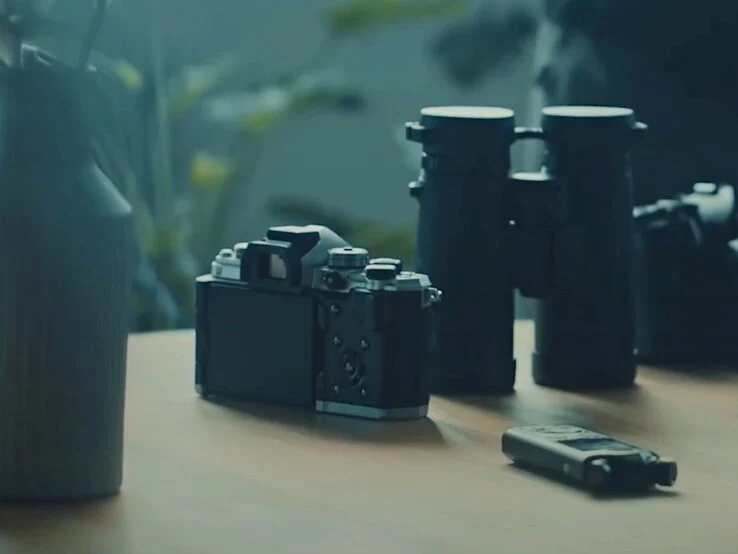
    The latest leaked video includes a subtle reveal from OM System itself on a YouTube channel, giving viewers a glimpse of the OM-3’s rear design. About two seconds into the video, the OM-3 can be spotted on a table with other photography equipment. Initially, it appears to resemble the OM System OM-5, but the top control layout next to the EVF prism is noticeably different. The retro metal design continues to the back of the camera, although there is a sizable articulating touchscreen located just below the centrally positioned EVF. The right back panel seems to have a small grip lip, which is also reminiscent of the OM-5. It might be reasonable for OM System to incorporate some components from the OM-5 into the OM-3, as doing so could significantly reduce manufacturing costs.

    Source:
    Link


  • DJI Mavic 4 Pro Leaked Video: 6x Telephoto & Vertical Support

    DJI Mavic 4 Pro Leaked Video: 6x Telephoto & Vertical Support

    The Mavic 4 Pro has recently been the focus of multiple leaks, appearing in both testing sessions and seemingly authentic promotional clips. Now, it has surfaced in a so-called ‘beta tester video’ shared by leaker Jasper Ellens, which has gained traction online.

    Video Insights

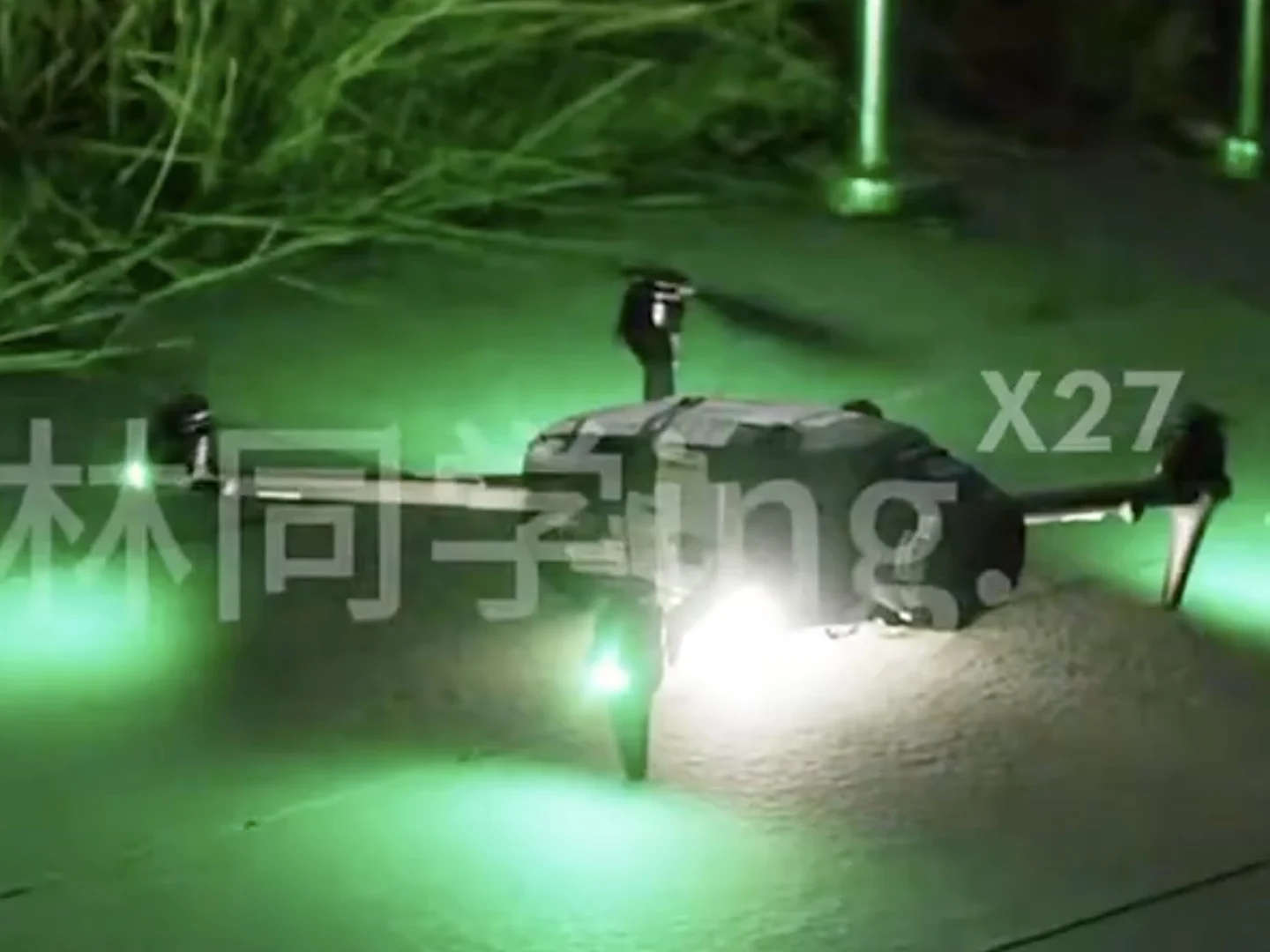
    The 41-second clip features a repeated 5-second segment of the Mavic 4 Pro landing, showcasing several stickers that hint it is some kind of prototype. Although the name of the drone is not clearly visible, a circular camera housing, which has appeared in earlier leaks, can be seen prominently. This leads to a strong assumption that the footage pertains to DJI’s upcoming Mavic 3 Pro successor (currently priced at $2,199 on Amazon).

    New Features Uncovered

    This brief video also seems to reveal a few new aspects of the Mavic 4 Pro. For example, it shows shortcuts for 1x, 2.5x, and 6x zoom, aligning with the anticipation that the drone will have primary, medium telephoto, and long telephoto cameras. Additionally, it’s expected that the Mavic 4 Pro will support vertical video capture. However, the official release timeline for the Mavic 4 Pro is still unclear at this point.

    Source:
    Link