Category: Video / Photo

  • Acer PD1520s: Compact Wireless Projector Launches

    Acer PD1520s: Compact Wireless Projector Launches

    Key Takeaways

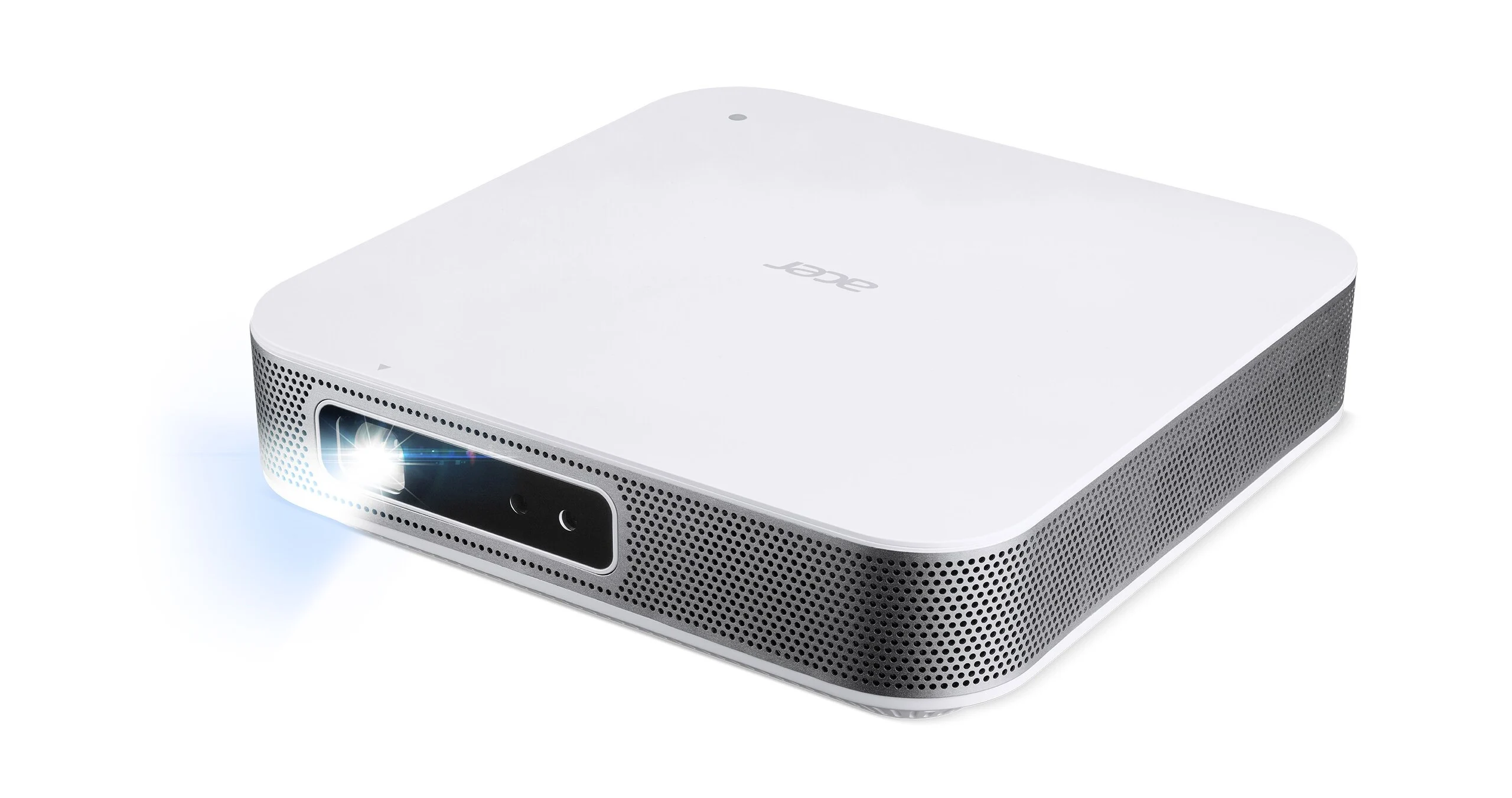
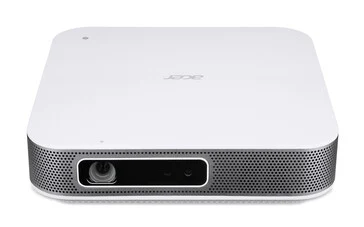
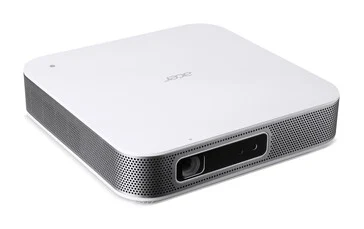
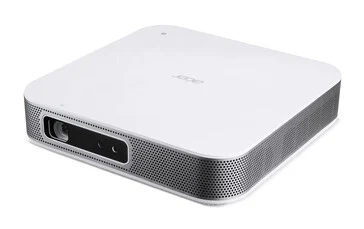
    1. Acer introduced the PD1520s projector with a stylish design, featuring a slim profile and silver mesh detailing.
    2. The projector has a brightness of up to 4,000 nits (around 1,200 ANSI lumens), FHD resolution, and requires 2 meters to project a 75-inch image.
    3. It lacks USB-C ports, has 2GB RAM, 16GB internal storage, but includes an HDMI 2.1 port, an 8W onboard speaker, and a 3.5mm audio jack.
    4. The PD1520s will be released in Q3 2025 with a suggested retail price of €649, compared to its predecessor priced at €551.58.
    5. Acer launched new ProCreator monitors targeting creative professionals, offering high color accuracy and resolutions up to 6K, covering 99% of AdobeRGB and DCI-P3 color spaces.


    Acer has unveiled a range of new projectors, monitors, and laptops during Computex 2025, including the PD1520s model.

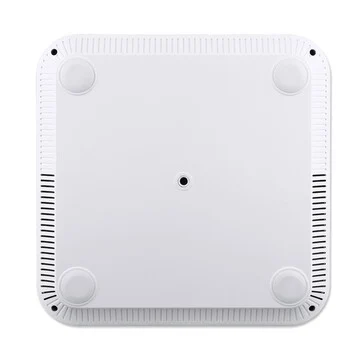
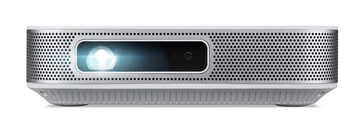
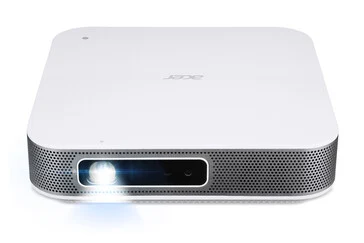
    This projector is noted for its stylish and appealing design, featuring a slim profile and silver mesh detailing along its edges.

    While it boasts a modern DLP system and claims a brightness of up to 4,000 nits of LED lumens, in practical use, this might translate to around 1,200 ANSI lumens.

    However, it’s important to mention that the PD1520s offers FHD resolution, not 4K, and isn’t categorized as ultra-short-throw, needing about 2 meters to project a 75-inch image.

    Lacking USB-C ports, it comes with just 2GB of RAM and 16GB of internal storage. On the positive side, it includes a single HDMI 2.1 port, an onboard speaker with a total output of 8W, and a 3.5mm audio jack.

    Also, some users may value its AOSP Smart System, which helps find streaming content on its own.

    The Acer PD1520s is expected to be released in the third quarter of 2025, with a suggested retail price of €649. In comparison, its predecessor, the 800p Vero PD2325W, is currently listed on Amazon for €551.58.

    New Monitors for Creative Professionals

    Taipei/Ahrensburg – May 16, 2025 – Acer has launched new monitors and projectors designed to enhance creative workflows, mobile work, and flexible entertainment. Whether you’re on the go, working from home, or staying in a hotel, Acer provides the right technology for various use cases.

    Introducing ProCreator Series

    The new Acer ProCreator monitors deliver professional color accuracy (Delta E<1), Calman verification, and customizable color spaces, making them perfect for photo, film, and graphic editing. The Acer PE320QXT features a stunning 6K resolution (6,016 x 3,384), while the slightly smaller Acer PE270XT supports a 5K resolution (5,120 x 2,880).

    Both ProCreator monitors cover 99 percent of AdobeRGB and DCI-P3 color spaces, ensuring high color precision with Delta E<1. Options for OLED and touchscreens facilitate productive work at the highest standards.


  • Fujifilm X100VI Leaks: Mystery Lever Explained Before Release

    Fujifilm X100VI Leaks: Mystery Lever Explained Before Release

    Key Takeaways

    1. The Fujifilm X Half compact camera will feature a new diptych mode for vertical image sensor orientation.
    2. A winder lever on the camera is linked to the diptych feature and may allow users to view images side-by-side.
    3. The winder lever serves multiple functions: capturing new images in analogue mode and reviewing the last image in standard mode.
    4. The camera will likely have limited analogue controls, including an exposure dial and a shutter button, indicating an innovative design.
    5. The anticipated launch date for the Fujifilm X Half is May 22, with multiple teasers from Fujifilm confirming this.


    There have been a lot of leaks before the launch of the Fujifilm X Half compact camera, revealing details about its sensor size, lens specifications, physical dimensions, and a new diptych feature that is expected to allow for vertical image sensor orientation.

    Questions About the Winder Lever

    Despite all these leaks, some questions about what appears to be a film advance lever on the back of the Fujifilm X Half have persisted. However, a recent leak from Fuji Rumors appears to provide clarity on the function of this winder lever.

    How the Winder Works

    As per the well-known leaker, the winder on the Fujifilm X Half will be linked to the previously mentioned diptych feature, and it may also work with the film-style shooting mode that was reported earlier. Allegedly, when taking pictures, users can pull the thumb lever to view images side-by-side in diptych mode. In the display-less analogue mode, pulling the lever allows for capturing a new image, while in standard shooting mode, it serves to review the last image taken.

    Functionality and Design

    Aside from using the lever to move to the next image in analogue mode, these functions appear logical, especially given the significance of the dual-image diptych mode for the X Half. However, it’s important to remember that these are just leaks, so we should approach them cautiously, even though Fuji Rumors is typically reliable.

    From previously leaked images, it seems that the only other analogue controls on the compact camera will be an exposure dial and the shutter button, indicating that this might be a rather innovative camera from Fuji. This wouldn’t be the first time Fuji has played around with unconventional controls, as seen with the film simulation dial from the X-T50 (currently priced at $1,399 on Amazon), which also made its way to the X-M5 despite receiving mixed reactions.

    Anticipated Launch Date

    Current speculation suggests that the Fujifilm X Half is set to launch on May 22, with Fujifilm having teased the compact camera multiple times leading up to the launch, most recently providing what seems like a confirmation of the expected date.

    Source:
    Link

  • Canon EOS R50 V: 24.2MP 4K HDR Mirrorless Camera for Creators

    Canon EOS R50 V: 24.2MP 4K HDR Mirrorless Camera for Creators

    Key Takeaways

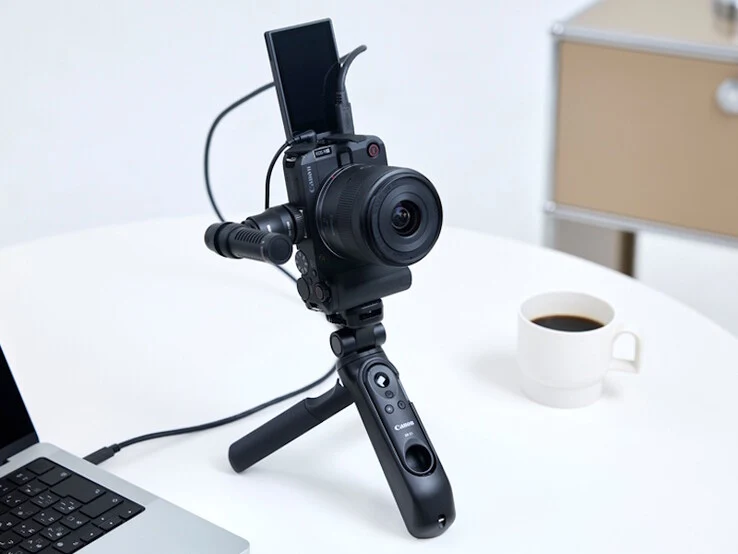
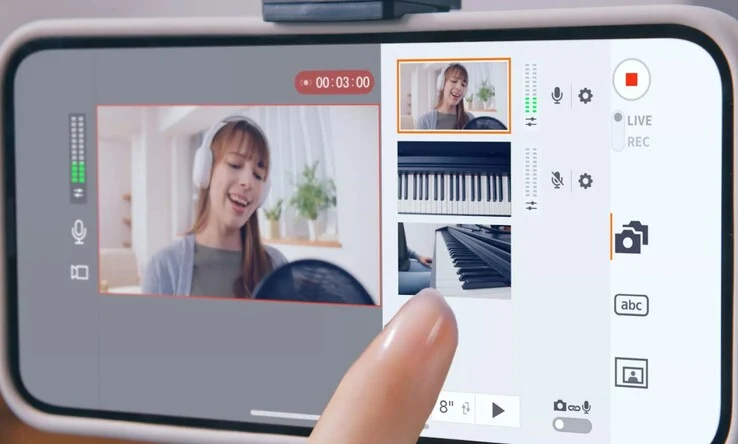
    1. Livestreaming Features: The EOS R50 V includes dual record buttons, dual tripod mounts, and an auto-rotating screen, optimized for easy livestreaming and multicamera setups via the Live Switcher Mobile app.

    2. Filming Modes: It offers specific modes for different filming needs, including a product demo mode, smooth skin mode for selfies, and a stabilization mode for vlogging.

    3. Advanced Video Recording: The camera can record full-frame 4K 30p and cropped-frame 4K 60p videos, with audio features like stereo microphones and white noise cancellation.

    4. High-Quality Photography: With a 24.2 MP sensor, it captures images at 15 shots per second and allows direct uploads to the image.canon website for easy sharing.

    5. Compact and Affordable: Weighing 0.82 lbs and measuring 4.7 x 2.9 x 1.8 inches, the camera is portable, priced at $649.99 for the body and $849.99 with a kit lens.


    Canon has unveiled the EOS R50 V mirrorless camera, tailored specifically for social media enthusiasts.

    Livestreaming Made Easy

    This camera comes packed with handy features like dual record buttons, dual tripod mounts, and auto-rotating screen menus. Red tally lights also help creators livestream effortlessly over 802.11ac Wi-Fi. Users can connect multiple Canon R50 V cameras through the Live Switcher Mobile app for engaging multicamera setups. Furthermore, this camera can act as a webcam when linked to PCs, perfect for video calls and gaming livestreams via OBS Studio.

    Tailored Filming Modes

    At the top of the camera, a mode dial presents various modes for common filming situations. These include a product close-up demo mode, a smooth skin mode for flattering selfies, and a stabilization mode ideal for dynamic vlogging. The 3-inch LCD screen is designed to flip open 180 degrees and rotate, making it great for selfies.

    Impressive Recording Capabilities

    The EOS R50 V can record full-frame 4K 30p videos downsampled from 6K, as well as cropped-frame 4K 60p videos in HDR 4:2:2 10-bit H.265 format. Continuous recording is capped at two hours per clip if shooting at 59.94 fps or lower, and one hour at higher frame rates. The camera also features stereo microphones with active autofocus, and white noise cancellation, which capture audio in a 24-bit 48 kHz AAC format.

    High-Quality Photography

    This camera sports a 24.2 MP sensor, capable of capturing dual RAW+compressed images at a rapid 15 shots per second. Users can upload their photographs directly to the image.canon website for organization, downloading, printing, and sharing via social media and messaging apps. The EOS R50 V boasts a maximum shutter speed of 1/8000th second and a flash sync speed of 1/250th second, with an ISO range spanning from 100 to 51,200 and an EV range of -5 to 20 (or -2.5 to 20 during filming).

    Compact Design and Pricing

    Measuring 4.7 x 2.9 x 1.8 inches (119.3 x 73.7 x 45.2 mm) and weighing 0.82 lbs (370 g) with battery and card, this camera is both portable and lightweight. The Canon EOS R50 V has a suggested retail price of $649.99 / 113,300 yen for the body alone, and $849.99 / 140,800 yen when bundled with the RF-S14-30mm F4-6.3 IS STM PZ kit lens. It is currently available for purchase on Canon.com and will soon be found on the Canon store on Amazon.

    Source:
    Link


  • Why Camera Resolution Doesn’t Define Quality

    Why Camera Resolution Doesn’t Define Quality

    Key Takeaways

    1. Attention-Grabbing Marketing: High resolutions like “50MP” or “200MP” are often used in marketing to attract consumers, but can be misleading without context about sensor quality.

    2. Misunderstandings in Reporting: Tech articles frequently oversimplify camera specifications by focusing solely on resolution, neglecting important details like sensor size and type.

    3. Camera Quality vs. Price: Many budget-friendly smartphones now offer impressive camera features, challenging the belief that only expensive phones have the best photography capabilities.

    4. Importance of Sensor Size: A larger sensor captures more light and produces better images in varying conditions, making sensor size a crucial factor alongside resolution.

    5. Need for Better Communication: Clearer explanations of camera specifications are necessary to help consumers understand what they are getting, as simply stating megapixels can lead to disappointment.


    I comprehend what you’re saying. It’s clear we need quick ways to talk about technology. When it comes to cameras, the most eye-catching number in marketing is resolution. We can create a title for a post or video using minimal characters and add a huge number to grab attention.

    “YOU WON’T BELIEVE THIS AFFORDABLE PHONE HAS A 50MP TRIPLE CAMERA!”

    People knowledgeable about tech should spot a flashy title for what it is, but the amount of buzz around resolution indicates it still plays a role in attracting viewers.

    Misunderstandings in Tech Reporting

    I recently came across an article on another site discussing foldable phones, lamenting Samsung’s hesitance to feature Samsung’s “200MP lens” on any of the Galaxy Z folding phones. Ignoring the clear error of calling it a “lens” instead of a sensor, which 200MP component was the writer referring to? Samsung actually produces two distinct sensors with 200 million pixels. (Honestly, either would be an upgrade for the Z Flip and Z Fold, but I’m not sure that’s what the author meant).

    Not to just focus on other publications, but you’ll often see articles and news pieces here on Notebookcheck that describe a camera purely by its resolution. It’s simple. Most tech websites have been guilty of this shortcut at some point in their gadget articles.

    Impressive Camera Offerings

    I’ve been continually amazed by the camera features from brands like Tecno and Infinix. The camera and selfie display on the Lava Agni 3 truly won me over. Companies like Oppo, Vivo, and Xiaomi have been releasing budget-friendly phones for years that offer cameras exceeding what you’d expect for their price.

    What might be considered as an “average consumer” photography experience is now firmly achievable at prices below the mid-range tier.

    Yet, through marketing and presentation, we’ve led consumers to believe they ought to have “the best” experience. The priciest phones boast “the best” cameras. Isn’t it thrilling that THIS camera has TWO HUNDRED MILLION PIXELS!

    Understanding the Megapixel Wars

    This is something photographers grasp, as that group also went through the “Megapixel Wars” back in the day of point-and-shoot and DSLR cameras. We know that pricier professional cameras aren’t necessarily “better” just because they handle more tasks for you and have more pixels on their sensors.

    The high-end smartphone cameras are reaching a point where they should be talked about with a similar level of thoughtfulness as standalone cameras.

    Throughout time, humans have always been captivated by “big.”

    The pictures from a Medium Format film camera are distinctly different from those little disposable cameras we used to get at drugstores. Filmmakers can create an appealing movie using 16mm film, but when you want to impress an audience, everyone recognizes the IMAX brand signifies “BIG.” Digital sensors work in the same way.

    The Importance of Sensor Size

    A larger sensor can capture more light, producing better results in varied lighting settings. A bigger sensor instills more confidence in image sharpness. When all other specs are the same, a manufacturer is likely to allow a higher sensitivity setting on a camera with a larger sensor.

    Aesthetically, larger sensors can create a more dramatic and shallower depth of field. It’s literally true that a lens affects depth of field, but practically speaking, the sensor influences your lens choice. The bigger the sensor, the simpler it is to achieve a shallower depth of field.

    These statements hold true for all digital cameras.

    This isn’t exclusive to cinema or mirrorless cameras. The same patterns are evident in smartphone cameras. Bigger is better, but resolution alone doesn’t indicate if the sensor area is larger.

    Misleading Specifications

    When a manufacturer states “50MP” on the specifications, there exists a variety of sensor sizes that can provide that resolution. The tiniest 50MP camera I can find has a sensor smaller than the 12MP sensor in the Galaxy S7 from 2016. The largest 50MP sensor in a phone is only slightly larger than the sensor in a standalone camera like the Sony RX100 VII. That’s a vast range of sizes. When considering the relative sensor area, we wouldn’t equate these two experiences, yet both could be labeled “50MP.”

    For Samsung’s 200MP sensors, the difference isn’t as pronounced, but it resembles this.

    There’s a minor, yet relevant, difference between the two. They’re designed for different purposes, but yes, technically, both have two hundred million pixels.

    The Reality Behind Upgrades

    Promoting just one specification means we can only be certain that a phone will have a newer sensor compared to one with a 12MP sensor. If a phone brand recently switched from 12MP to 50MP, we can’t exactly know what sensor they’re using, but it’s likely an improvement in auto-focus capabilities.

    The sensor might also enhance HDR image capturing. When colors are packed into larger groups, individual sub-pixels can capture different exposure levels.

    Otherwise, we can’t be entirely sure what else constitutes an upgrade until we understand more about the sensor and lens combination. “50MP” or “200MP” doesn’t reveal much.

    The Need for Clearer Communication

    Convincing consumers about resolution might lead to disappointment.

    “This new phone has 50MP, but the pictures don’t seem much better than my old phone with 12MP. This is all just hype!”

    We do need shortcuts in tech discussions. We require quick references to help consumers reach the point and find the information they value. I’m fully aware that right now, calling a camera as having a “100mm equivalent lens paired with a 1/1.4” Type hexadeca-cell binned sensor with 0.56µm pixels” won’t truly assist most consumers in making a better purchasing decision compared to saying “it has 200 MP”.

    The difference is that one description is precise but unfamiliar. The other is vague.

    Finding the Middle Ground

    We need something to guide more consumers who might be curious about practical differences. Currently, it’s either all or nothing. There’s very little in the middle.

    We observe a middle ground with mirrorless cameras.

    Most consumers will see a mirrorless camera and think “nice camera.” Then a group of enthusiasts will recognize differences like “APS-C” or “Full Frame.” The smallest group will explore further to discover specific features and tools they desire in a camera.

    As prices for gadgets rise, and better technology becomes available in mid-range and entry-level devices, this understanding could assist individuals in overcoming the fear of not having “the best” phone camera. Many consumers could save money on future purchases. If more people grasped that middle ground of tech specifications, they might realize their needs are met by an “A Series” phone, and they may not gain much value by spending more on a Pro or Ultra.

    I’m unsure how we can encourage more people to reach that middle ground in phone photography, but it’s always worth reminding everyone that megapixels should be one of the least important metrics we consider.

    Source:
    Link

  • Leica iPhone App Introduces Artist Looks for Pro-Quality Photos

    Leica iPhone App Introduces Artist Looks for Pro-Quality Photos

    Key Takeaways

    1. The Leica Lux iPhone app offers personalized photo options, including classic Leica Looks and new Artist Looks inspired by famous photographers.
    2. One Artist Look, inspired by Greg Williams, features high-contrast black and white images with grain, resembling vintage Kodak Tri-X 400 film.
    3. The Greg Williams-inspired style emphasizes authenticity and warmth without over-editing, and adjusts automatically to different lighting conditions.
    4. Users can save the Greg Williams look as a favorite within the Leica Lux App, with plans for future accessibility in the Leica Photos app for select Leica cameras.
    5. The Leica Lux app is available in the App Store for a subscription fee of $6.99 per month or $69.99 per year, and is exclusive to Apple iPhones, including the iPhone 16.


    The Leica Lux iPhone app gives photographers a wide range of options to personalize their photos. Users can choose from classic Leica Looks, simulate popular Leica M lenses, or explore the new Artist Looks, which mimic the styles of famous photographers.

    Inspired by Greg Williams

    One of these new styles is inspired by the works of British photographer Greg Williams. This Artist Look features high-contrast black and white images with noticeable grain, similar to the vintage Kodak Tri-X 400 film. Leica’s marketing claims that this style highlights authenticity, warmth, and closeness, steering clear of over-editing. It also adjusts automatically to various lighting situations.

    Collaboration with a Renowned Photographer

    Leica points out that this look was created in partnership with Greg Williams himself. For photographers who plan to use this style frequently, it can be saved as a favorite within the Leica Lux App. In the future, this feature will also be accessible in the Leica Photos app, enabling use with select Leica cameras like the Leica Q3.

    The Artist Look inspired by Greg Williams is now available to all users of the Leica Lux iPhone app after the update to version 1.7. The app can be found in the App Store but requires a subscription that costs $6.99 each month or $69.99 per year—those who choose the yearly plan save about $14 annually. The Leica Lux app is exclusively for Apple iPhones, including the latest iPhone 16.

    Source:
    Link



  • Eizo ColorEdge CG3100X: 4K Monitor with 99% DCI-P3 Color Accuracy

    Eizo ColorEdge CG3100X: 4K Monitor with 99% DCI-P3 Color Accuracy

    Key Takeaways

    1. The ColorEdge CG3100X is a high-resolution 4K monitor designed for exceptional color accuracy, ideal for photo and video editing professionals.
    2. It features a built-in sensor for automatic color calibration and is compatible with Eizo’s ColorNavigator software for manual adjustments.
    3. The monitor has a 30.5-inch IPS panel, 500 nits brightness, and covers 97% of Adobe RGB and 99% of DCI-P3 color spaces.
    4. Connectivity options include USB Type-C, DisplayPort, HDMI, a built-in USB hub, and an Ethernet port, with USB-C supporting both image signals and device power.
    5. For budget-friendly photo editing, the Asus ProArt PA279CRV is recommended as an alternative option.


    For those who frequently use smartphones or screens, having colors that aren’t perfect might not be a big deal, even if it can make images appear a bit off. However, for experts in fields like photo or video editing, getting the colors right is absolutely essential.

    Introducing the ColorEdge CG3100X

    Eizo has launched the ColorEdge CG3100X, a new high-resolution monitor that promises exceptional color accuracy. This 4K display includes a built-in sensor that frequently monitors color variations. It automatically calibrates the colors, but users can also use Eizo’s ColorNavigator software for manual adjustments. Additionally, Eizo provides ColorNavigator Network software to help manage several Eizo monitors at once.

    Specifications and Features

    This latest 4K monitor comes equipped with an IPS panel, making it ideal for editing HDR content, boasting a brightness of 500 nits. It has a gray-to-gray response time of 15ms and can cover 97% of the Adobe RGB and 99% of the DCI-P3 color spaces. The 30.5-inch display also features a contrast ratio of 1,800:1 and a resolution of 4096 x 2160 pixels, the standard for digital cinema, which makes it a superb choice for movie editing and previewing.

    Connectivity Options

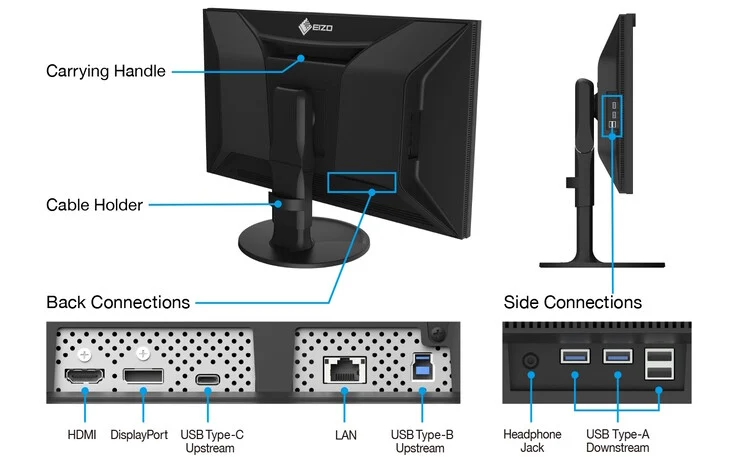
    On the connectivity front, the new Eizo monitor includes USB Type-C, DisplayPort, and HDMI ports. It has a built-in USB hub featuring two USB 3.0 and two USB 2.0 ports, along with an Ethernet port. Lastly, the USB-C connection can be utilized for both image signals and to power devices such as laptops or tablets.

    For a more budget-friendly option for photo editing, you might want to look at the Asus ProArt PA279CRV available on Amazon.

    Source:
    Link


  • Zhiyun Smooth 5E: $149 AI Gimbal with Apple Watch Control

    Zhiyun Smooth 5E: $149 AI Gimbal with Apple Watch Control

    Key Takeaways

    1. High-Quality Stabilization: The Cinepeer Smooth 5E features a genuine 3-axis orthogonal structure for smooth and stable footage across various motions.

    2. Enhanced Lighting: It includes a built-in high-CRI fill light with a default brightness of 680 lux and can support additional lights for a total of 2040 lux, ideal for low-light shooting.

    3. AI Tracking and Gesture Control: The gimbal offers intelligent AI tracking and gesture control, allowing for easy face and object detection and enabling solo creators to stay in the frame effortlessly.

    4. User-Friendly Design: With all-in-one thumb controls and compatibility with Apple’s ecosystem, the Smooth 5E simplifies operation for beginners while providing features for advanced users.

    5. Affordable Pricing: The Smooth 5E is priced at $149 for the standard kit and $199 for the Combo Kit, making it an accessible option for creators.


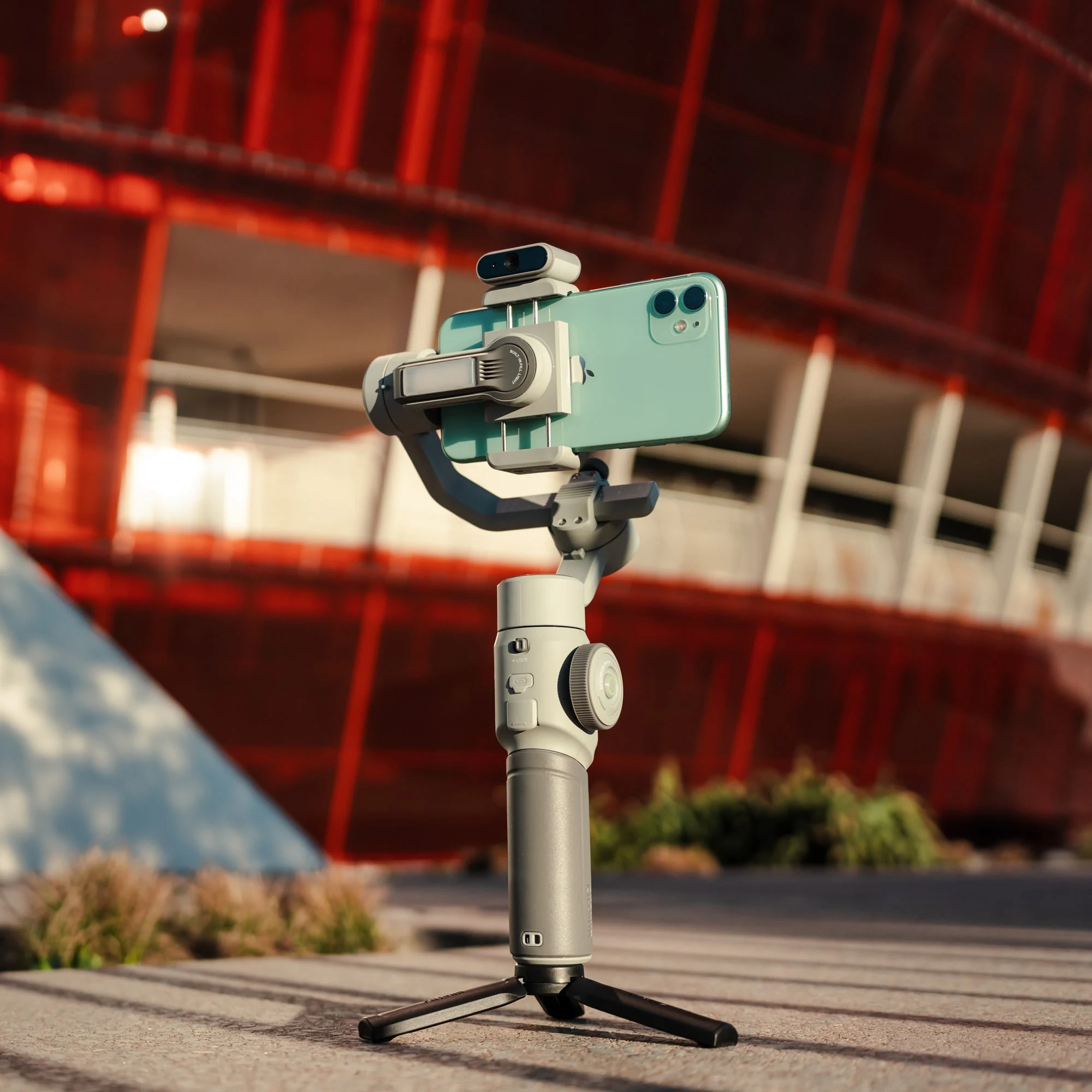
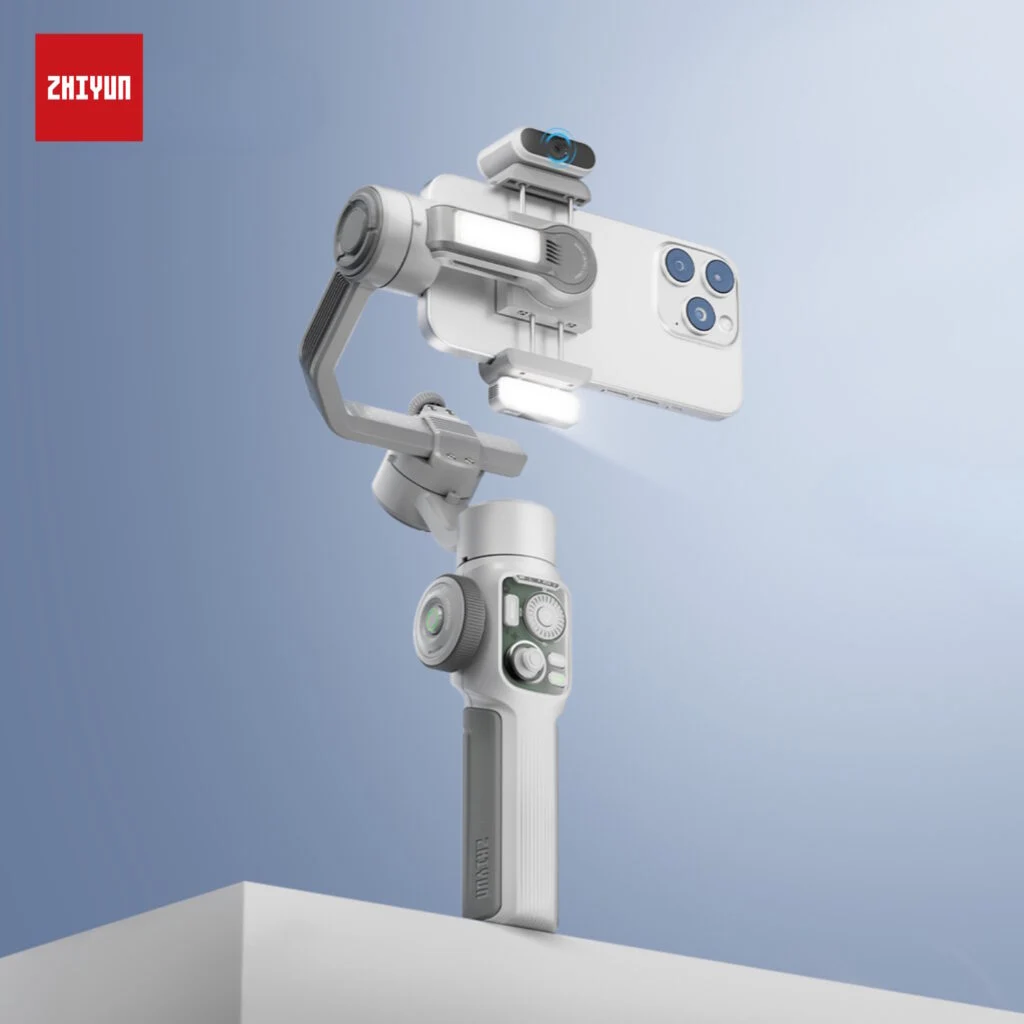
    Zhiyun has introduced the Cinepeer Smooth 5E, a fresh entry in its line of smartphone gimbals, focusing on making it more accessible while still delivering high-quality performance. The 5E offers top-notch stabilization, easy-to-use controls, and AI features for creators looking to enhance their videos without a hefty cost.

    Key Features of the Smooth 5E

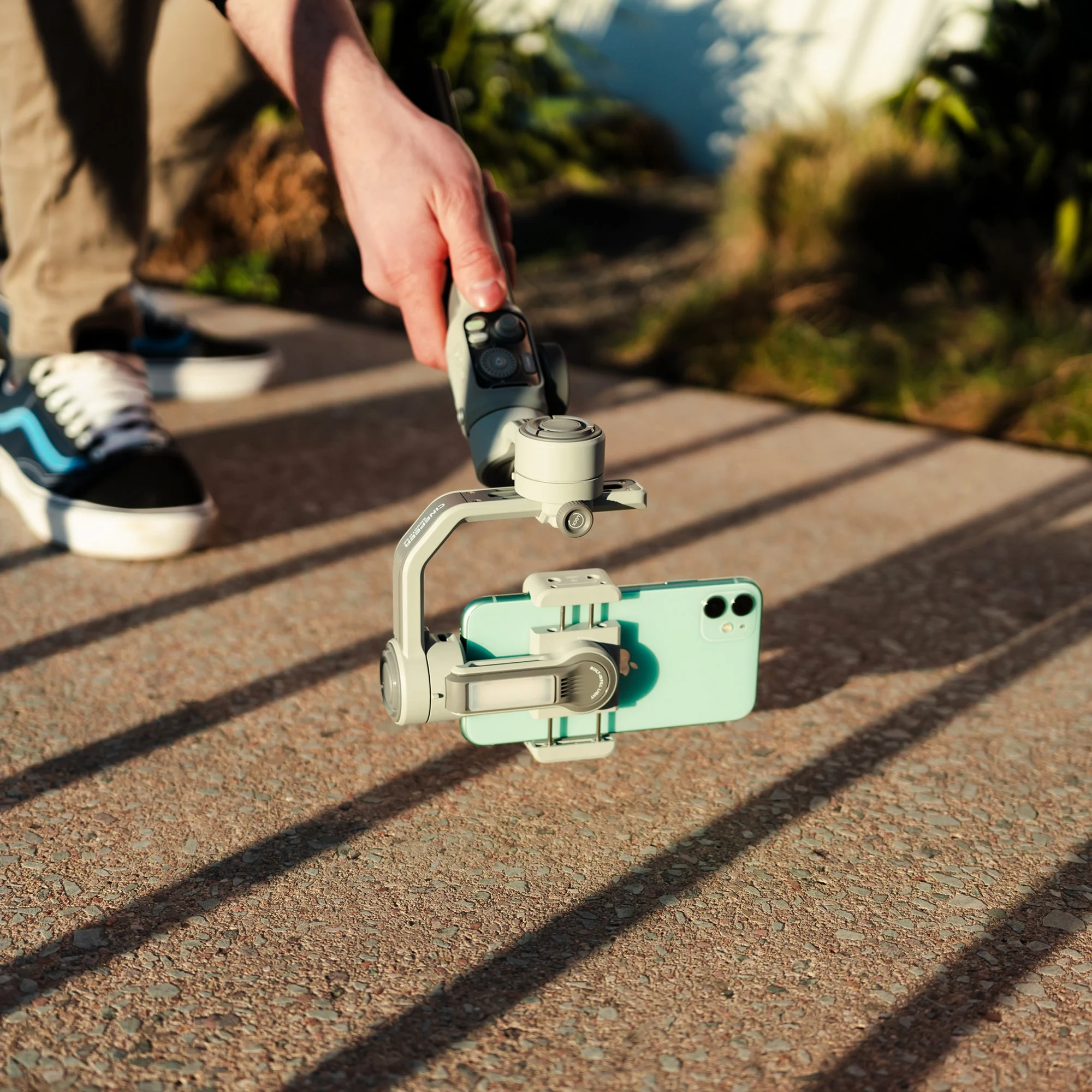
    The Smooth 5E boasts a genuine 3-axis orthogonal structure, which means it delivers smoother and more stable footage through a broad range of motions. It comes with an upgraded roll-axis motor that allows for capturing low-angle shots and wide-angle selfies without any frame interruptions. This model includes five classic gimbal modes: Follow, Pan Follow, Lock, Vortex, and POV, providing users with creative shot options that resemble styles used in professional filmmaking.

    Lighting and Tracking Capabilities

    Equipped with a built-in high-CRI fill light, the gimbal gives off 680 lux of brightness by default, and it can hold two additional lights using magnetic mounts for a total of 2040 lux. This feature is particularly useful for shooting in low light conditions, ensuring the subject is always well-lit and prominent.

    The gimbal also supports intelligent AI tracking via an optional magnetic module, allowing swift and precise face and object detection. Additionally, it features gesture control, enabling users to start tracking with just a simple hand signal, which is ideal for solo creators who want to stay in the shot without fiddling with controls.

    Compatibility and User-Friendly Design

    It works smoothly with Apple’s ecosystem, permitting remote control via the Apple Watch, so users can track, zoom, and activate the shutter directly from their wrist. The gimbal includes all-in-one thumb controls for easy operation, simplifying the learning process for newcomers while still offering accuracy for seasoned users. This comes alongside the ZY Cami and StaCam apps, which provide features such as focus peaking, LUTs, Smart mode, and one-tap editing.

    Pricing and Where to Buy

    The Smooth 5E costs $149 for the standard kit, while the Combo Kit, which includes the AI Tracker and magnetic fill light, is priced at $199. It is currently available for purchase at Zhiyun’s official store and on Amazon.

    Source:


  • Panasonic Launches Lumix S1II and S1IIE Full-Frame Cameras

    Panasonic Launches Lumix S1II and S1IIE Full-Frame Cameras

    Key Takeaways

    1. Panasonic has launched the S1II and S1IIE, full-frame mirrorless cameras designed for photographers and videographers with weather resistance and high image quality.

    2. The S1II features a 24.1 MP sensor, capable of recording 5.8K video at 60p and capturing stills at up to 70 fps, with a dynamic range of 15 stops.

    3. The S1IIE includes a 24.2 MP sensor with 6K video recording at 30p and still photography at up to 30 fps, offering a dynamic range of 14+ stops.

    4. Both models feature advanced capabilities like hybrid autofocus with AI tracking, 8.0-stop in-body image stabilization, and support for ARRI LogC3 and Apple ProRes RAW formats.

    5. The S1II and S1IIE are scheduled for release in June and will be available on Panasonic.com and other platforms, including Amazon.


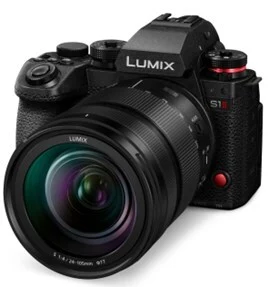
    Panasonic has recently introduced the S1II and S1IIE, designed for both photographers and videographers who require full-frame mirrorless cameras that are resistant to water, freezing temperatures, and dust, all while delivering high-quality images.

    S1II Details

    The S1II, boasting a 24.1 MP sensor, is aimed at users looking for advanced video capabilities. This partially stacked sensor can shoot videos at impressive resolutions like 5.8K at 60p, 4K at 120p, and even 2K at 240p. For still images, it can capture up to 70 frames per second. With a maximum dynamic range of 15 stops, this camera ensures excellent detail in various lighting situations.

    S1IIE Features

    On the other hand, the S1IIE features a 24.2 MP sensor that allows recording in 6K at 30p and 4K at 60p, along with still photography at rates of up to 30 fps. Its dynamic range is slightly lower, rated at 14+ stops, but still offers impressive performance for different shooting conditions.

    Shared Features

    Both models share numerous key features, such as open gate video capabilities (5.1K at 60p for the S1II and 6K at 30p for the S1IIE), a hybrid autofocus system that includes AI people tracking utilizing contrast and phase detection, and 8.0-stop in-body image stabilization. They also support ARRI LogC3 and Apple ProRes RAW HQ video output formats, have dual card slots for SD/CFexpress Type B, and come equipped with a 5.76 million-dot electronic viewfinder alongside a tilt and free-angle monitor with 1.84 million dots.

    The S1II and S1IIE are set to hit the market in June. They will be available for purchase on Panasonic.com and various other platforms, including the Panasonic store on Amazon.

    Source:
    Link
  • DJI Mavic Pro 2: 100MP Sensor and Extended Flight Time

    DJI Mavic Pro 2: 100MP Sensor and Extended Flight Time

    Key Takeaways

    1. Size and Weight: The Mavic 4 Pro is larger and heavier than the Mavic 3 Pro, weighing 1.063 kg and measuring 257.6 × 124.8 × 106.6 mm when folded.

    2. Camera Specifications: It features three advanced camera sensors, including a 4/3 CMOS Hasselblad sensor with 100MP output, a 48MP medium telephoto camera, and a 50MP telephoto camera.

    3. Flight Capabilities: The drone can fly up to 3,000 meters, has a maximum flight time of 51 minutes, and a flight range of 41 km, enhanced from the previous model.

    4. Pricing and Storage Options: The Mavic 4 Pro starts at €2119 for the standard version, with various storage options up to 512GB for the Creator Combo edition priced at €3579.

    5. Connectivity: It includes advanced features such as Bluetooth 5.1, Wi-Fi 6, and a three-satellite GNSS system (GPS + Galileo + Beidou) for improved navigation.


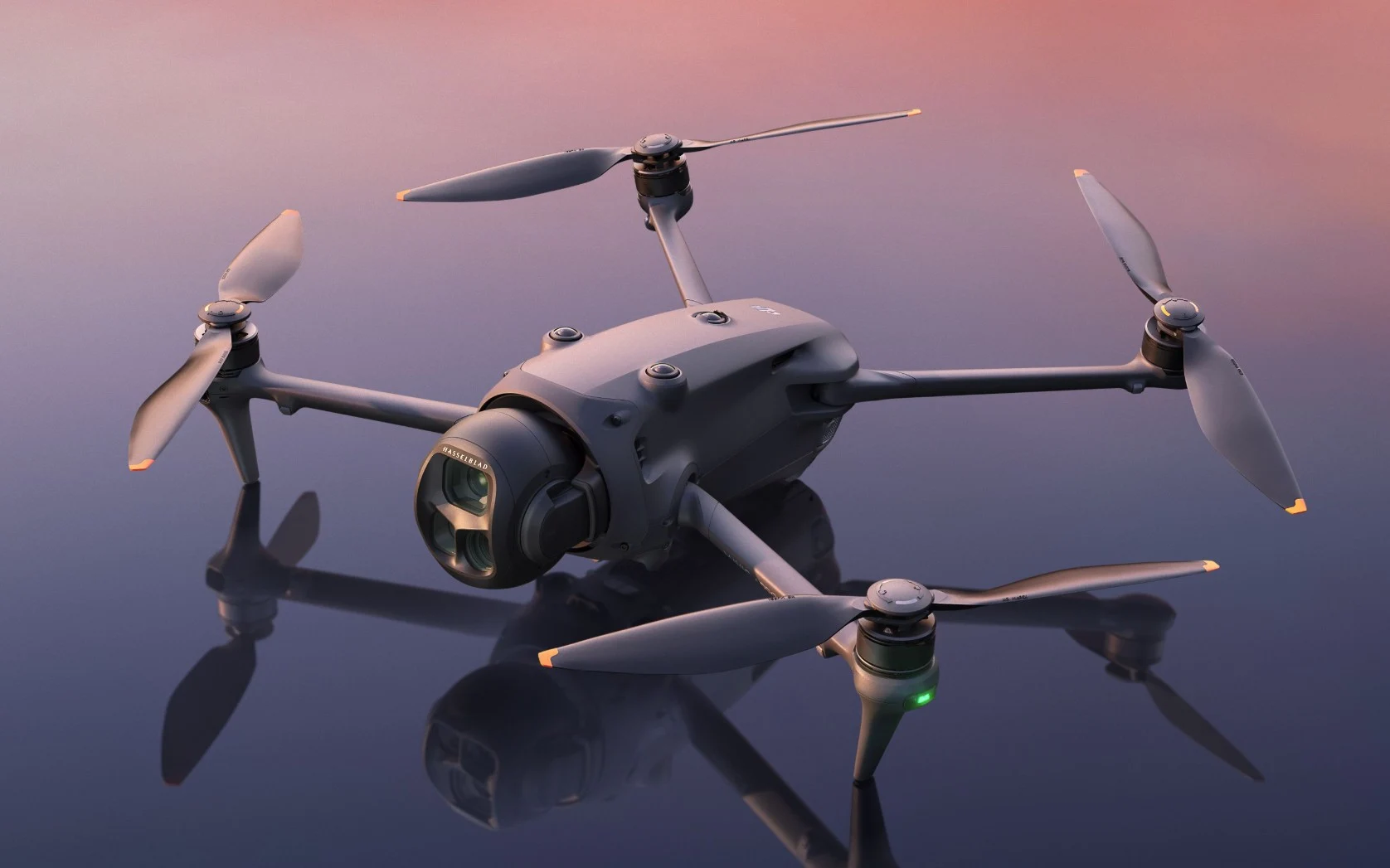
    Following a series of leaks, DJI has made it official: the Mavic 4 Pro is here. This new camera drone comes two years after the Mavic 3 Pro, featuring a fresh design while retaining some of its predecessor’s characteristics.

    Size and Weight

    The Mavic 4 Pro is bigger than the previous model, measuring 257.6 × 124.8 × 106.6 mm when folded and expanding to 328.7 × 390.5 × 135.2 mm when unfolded. It’s also heavier, tipping the scales at 1.063 kg, compared to the Mavic 3 Pro which weighed 963 grams for the Cine version.

    Camera Specifications

    Just like the Mavic 3 Pro, the new drone is equipped with three camera sensors. It features a 4/3 CMOS Hasselblad sensor offering a 72-degree field of view, a 28mm focal length, and an impressive effective output of 100MP. Additionally, there’s a 1/1.3-inch CMOS 48MP medium telephoto camera with a 35-degree field of view and a 70mm focal length, plus a 1/1.5-inch CMOS 50MP telephoto camera with a 15-degree field of view and a 168mm focal length.

    When comparing it with the Mavic 3 Pro, the earlier model had a 4/3 CMOS camera capable of 20MP output, a 1/1.3-inch 48MP medium telephoto camera, and a 1/2-inch 12MP telephoto camera.

    Flight Capabilities

    The drone boasts a maximum takeoff altitude of 3,000 meters and can achieve a maximum flight time of 51 minutes in calm conditions, along with a maximum hover time of 45 minutes. The flight range has improved significantly, extending from 28km on the Mavic 3 Pro to 41km on the Mavic 4 Pro. It also features a three-satellite GNSS system (GPS + Galileo + Beidou), along with Bluetooth 5.1 and Wi-Fi 6.

    Pricing and Storage Options

    For storage, the Mavic 4 Pro offers 64GB built-in for the standard version and 512GB for the Creator Combo edition. The starting price is €2119 for the standard version, which includes the DJI RC 2 remote controller. The price rises to €2729 for the Combo Fly More variant, which comes with two extra flight batteries, a 100W USB-C power adapter, and a battery charging hub.

    The DJI Mavic 4 Pro Creator Combo, featuring 512GB of storage, is priced at €3579. This package includes the DJI RC Pro 2 controller, a 240W power adapter, a USB-C to USB-C high-speed data cable, two additional batteries, a battery charging hub, and a shoulder bag.

    Source:
    Link
  • Fujifilm XHalf Leaks Again: Evidence of X-E5 APS-C Camera

    Fujifilm XHalf Leaks Again: Evidence of X-E5 APS-C Camera

    Key Takeaways

    1. Fujifilm plans to update its popular X-E series with the anticipated release of the X-E5 in 2025.
    2. A new compact model called the XHalf is set to launch on May 22, featuring a very small design and a 1-inch sensor.
    3. Recent leaks reveal the XHalf’s petite lens, potentially allowing it to fit in a pocket.
    4. Fujifilm has registered two new camera models in China, with one likely being the X-E5, which will feature advanced wireless capabilities.
    5. Speculation exists about a second registered camera, possibly the X-M3 or an update to the X-T200, though details remain unclear.


    Fujifilm seems to be gearing up to update one of its well-liked APS-C interchangeable lens cameras, the X-E5, while also introducing a new model called the XHalf. These cameras have been hinted at before, but the latest leaks show just how small the XHalf will be and once again confirm that the X-E5 is indeed in the pipeline, with a possible release in 2025.

    Exciting Leaks Ahead of Launch

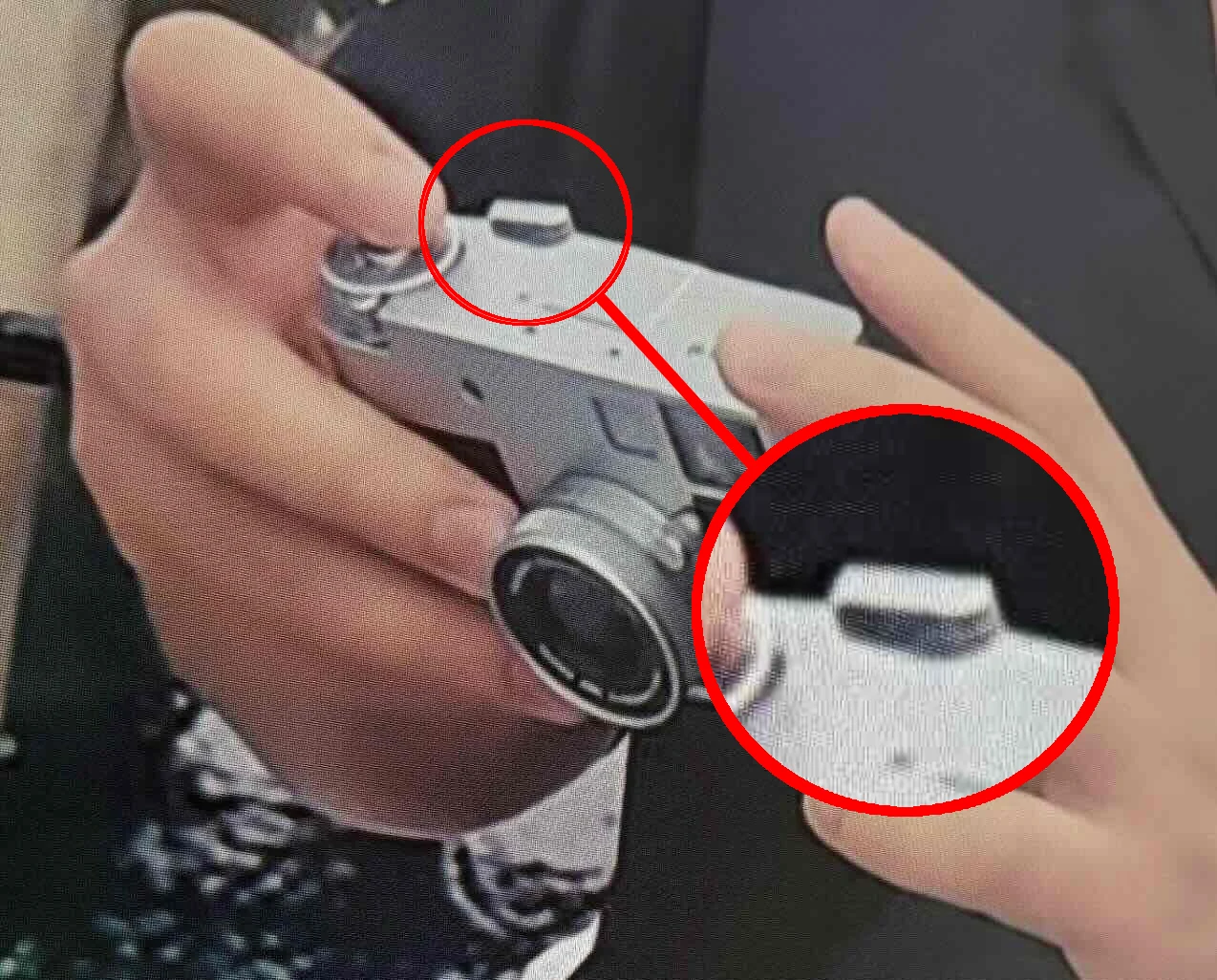
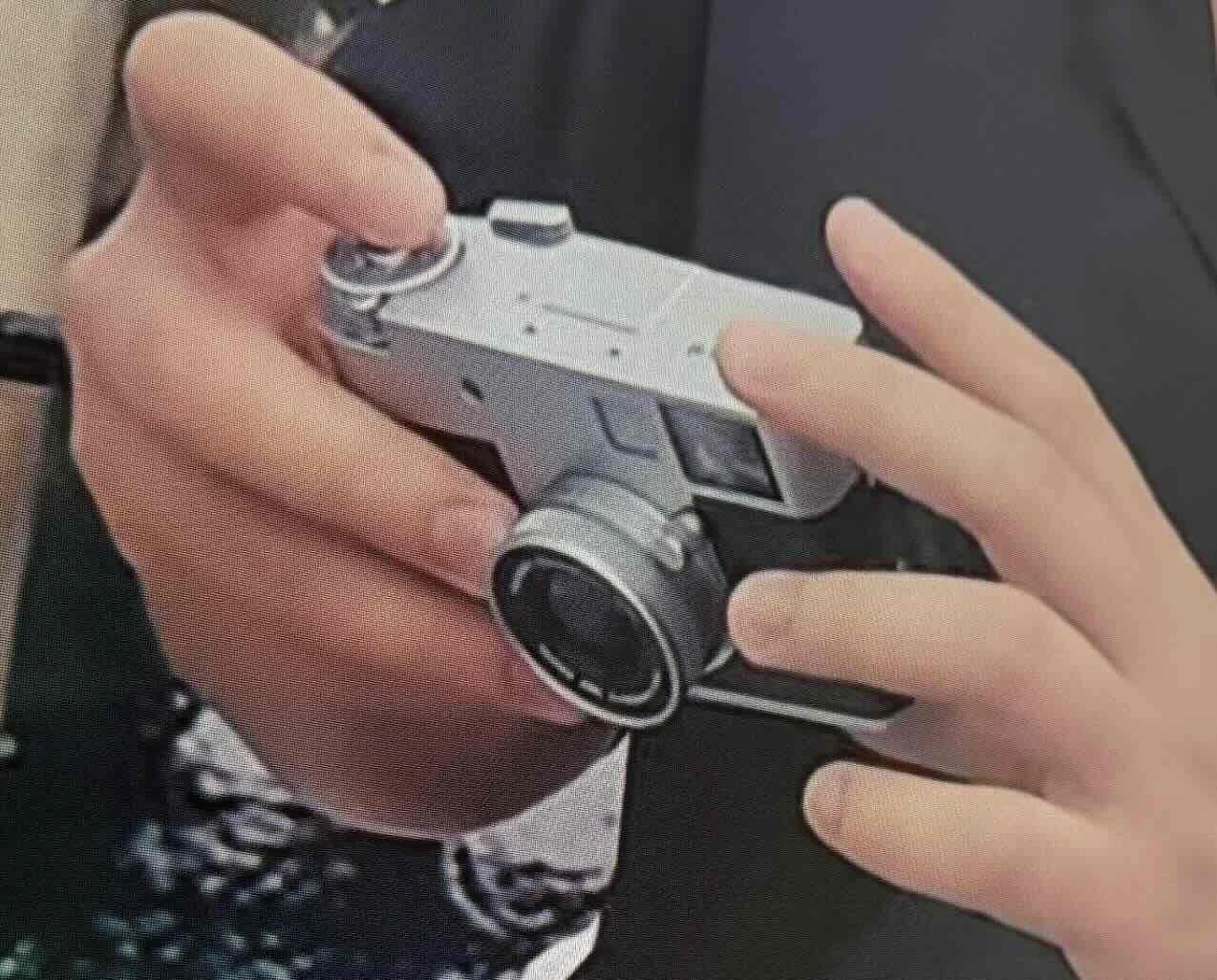
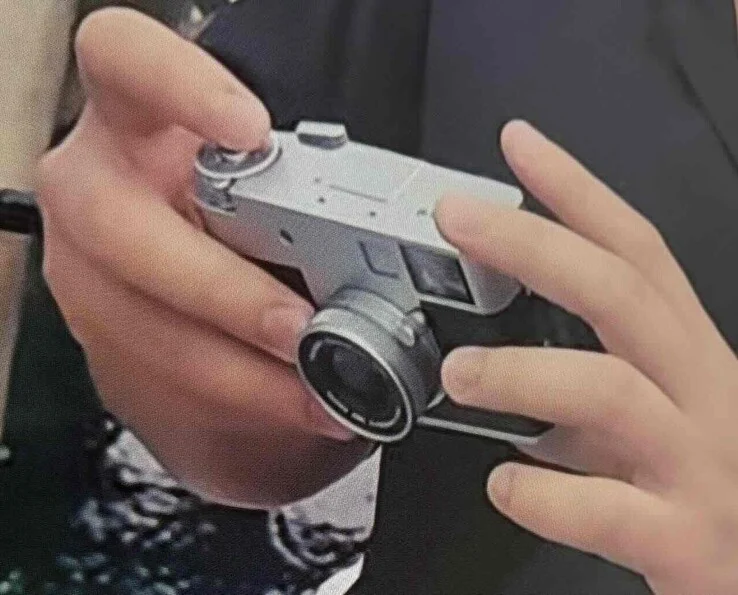
    With the anticipated launch date of May 22 for the Fujifilm XHalf drawing near, details about this compact camera are becoming more frequent. A recent leak features an image that appears to be a candid shot from a teaser video, showcasing the XHalf.

    We’ve known that the XHalf was to be quite small, even more so than the X-M5 (currently $899.99 at Best Buy), which is already considered very compact. The leaked photo helps put its previously disclosed dimensions into perspective. The most surprising aspect of this leak is how petite the lens is, looking even thinner than the camera body itself.

    Compact Design and Features

    Given that the XHalf is expected to have a 1-inch sensor, it makes sense for its 10.5 mm lens to be quite small. However, if the recent image is accurate, the XHalf could potentially fit into a pocket.

    Looking ahead, it appears that the Fujifilm X-E5 may indeed launch in 2025. Previously, Fujifilm had indicated that it would be bringing back the X-E and X-Pro series after rumors suggested that these APS-C lines had been scrapped.

    New Registrations Indicate Future Releases

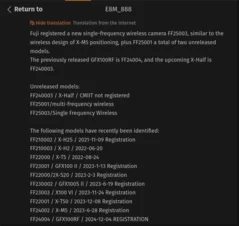
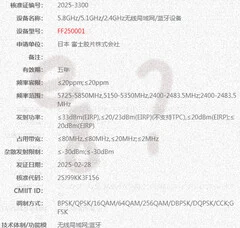
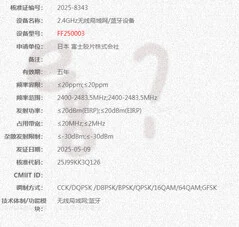
    Recent information from leaker E8M_888 on Weibo reveals that Fujifilm has registered two new cameras in China. The first, identified as FF25001, is believed to be the Fujifilm X-E5, as it possesses advanced multi-band wireless capabilities. The X-E5 is not expected to be a budget-friendly option, so improved wireless support is logical. Unfortunately, the registration doesn’t divulge much more about the X-E5, other than hinting that this new APS-C model will likely launch soon. Earlier speculation suggested a “summer 2025” release, which doesn’t provide much clarity.

    At this point, there’s no clear information about the second camera (FF250003) listed in the Chinese filing. However, some believe it could be a Fujifilm X-M3, or possibly an update to the Fujifilm X-T200, as it seems to have more basic wireless capabilities.

    Source:
    Link