Category: Video / Photo

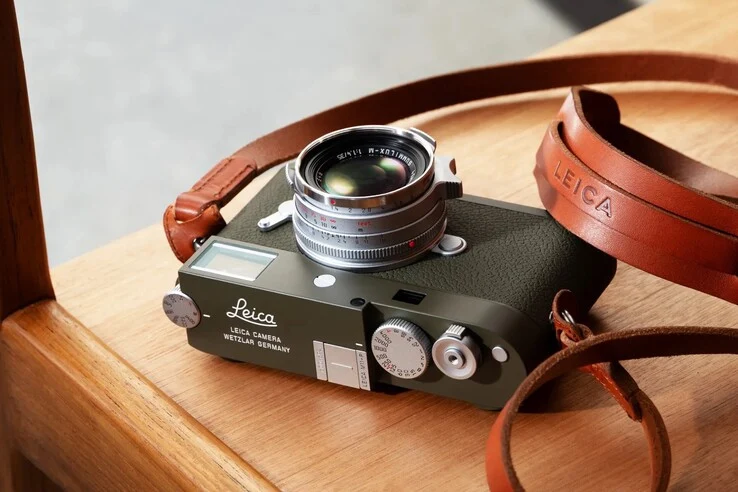
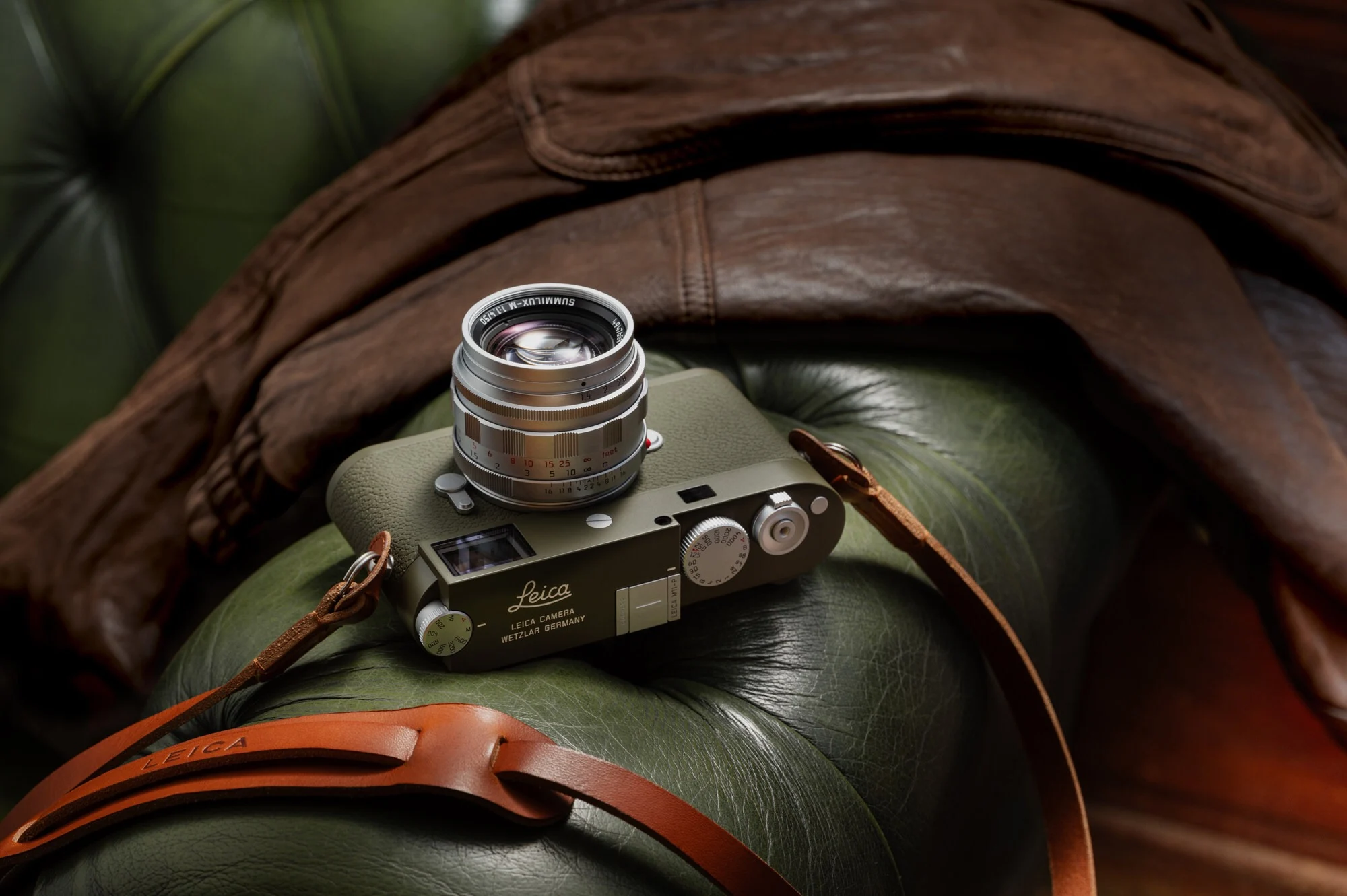
  • Leica M11-P Safari: Olive-Green Full-Frame Rangefinder Camera

    Leica M11-P Safari: Olive-Green Full-Frame Rangefinder Camera

    Key Takeaways

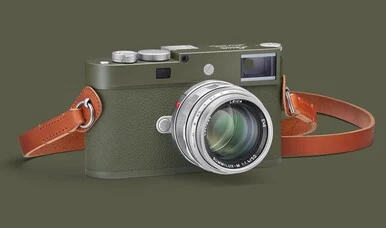
    1. The M11-P Safari features a classic olive-green finish and unique design elements, including a solid brass top plate and matching green leatherette.
    2. It maintains performance specs identical to the regular M11-P, with 256 GB of internal storage and the ability to capture images in DNG and JPG formats.
    3. The camera is equipped with a full-frame BSI CMOS sensor and offers shooting options at 60, 36, or 18 megapixels, along with various connectivity options including Bluetooth and Wi-Fi.
    4. It includes Content Credentials technology for tamper-proof metadata on images, ensuring details like camera model and editing history are preserved.
    5. The M11-P Safari is priced at $10,495 and comes with a black carrying strap in eco-friendly packaging.


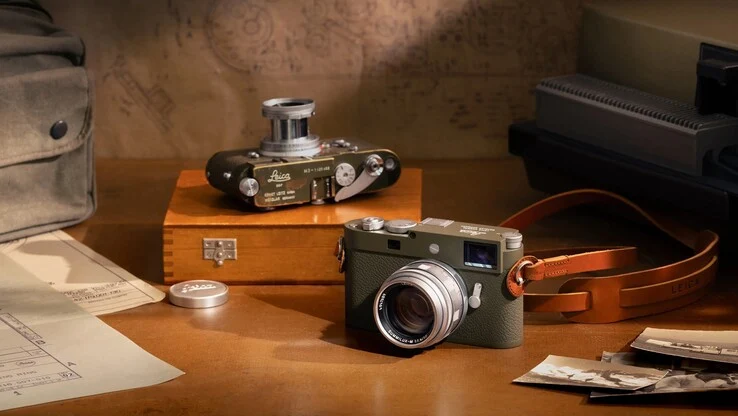
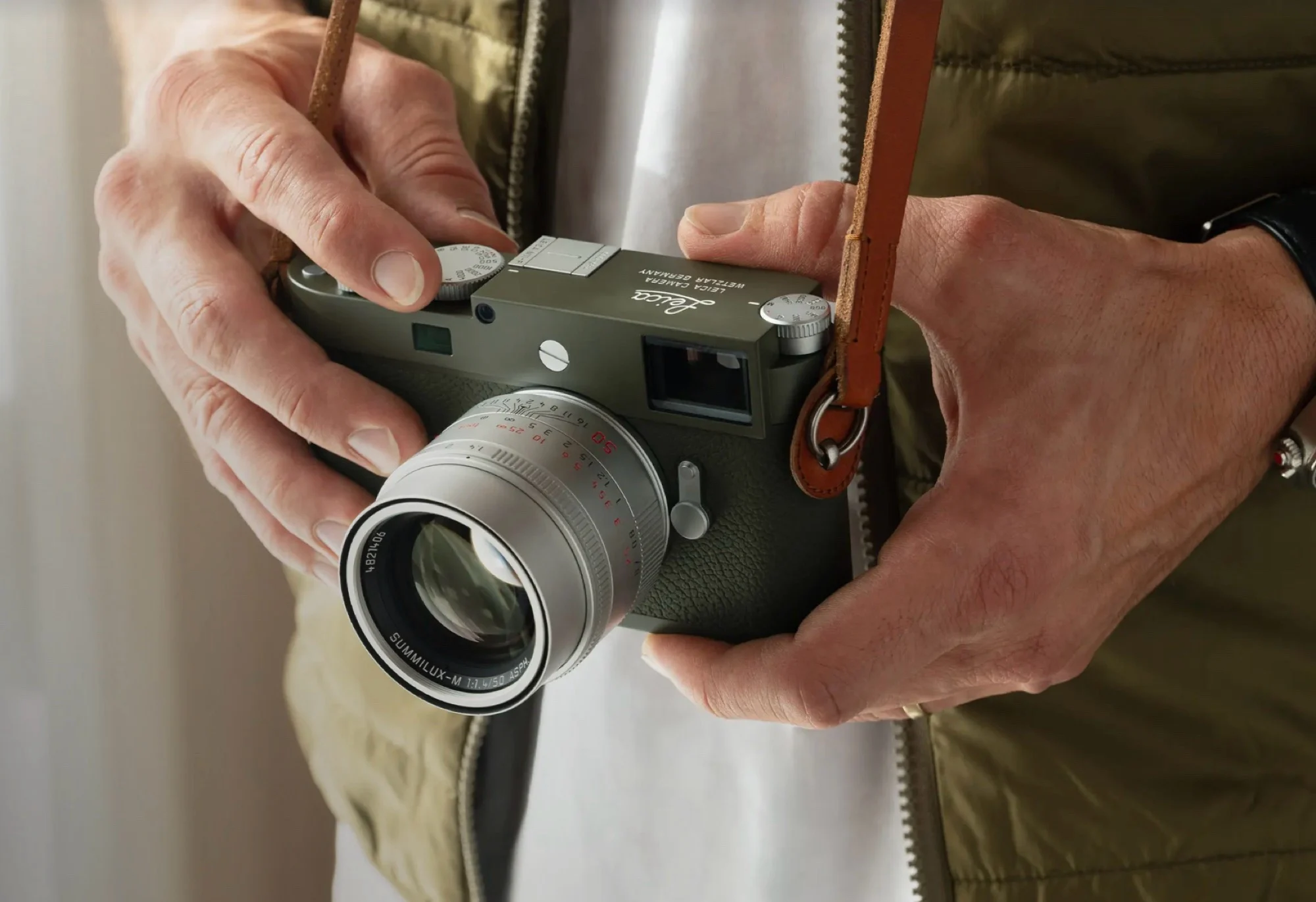
    Leica has introduced the M11-P Safari, a unique version of its M11 line, showcasing the classic olive-green finish that has been a hallmark of the Safari series since the 1970s. While maintaining all the key functions of the M11-P, this model features several design tweaks that distinguish it from its predecessor.

    Design Features

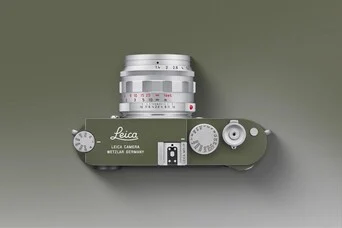
    The top plate of the camera is constructed from solid brass with a matte olive-green finish. Complementing this, the camera is adorned with matching green leatherette that enhances grip and maintains the overall color theme. The dials and controls are silver-toned, and instead of the usual red Leica logo, there is a simple silver screw. On the rear side, the controls are finished in black. Additional visual elements include the engraved Leica script along with “Leica Camera AG” and “Wetzlar Germany” inscriptions.

    Performance Specs

    The M11-P Safari boasts the same performance capabilities as the regular M11-P. It offers 256 GB of internal storage, along with support for UHS-II SD cards. Users can capture images in both DNG and JPG formats. The rear LCD screen is protected by scratch-resistant sapphire crystal and features an anti-reflective coating, enhancing visibility even in bright conditions.

    Connectivity and Technology

    This camera is equipped with a full-frame BSI CMOS sensor that features Triple Resolution Technology. Photographers can choose to shoot at 60, 36, or 18 megapixels. Connectivity options include Bluetooth, Wi-Fi, and wired connections. Notably, Bluetooth Low Energy support allows for seamless image transfers in the background through the Leica FOTOS app.

    The M11-P Safari also integrates Content Credentials technology, which ensures that every image carries tamper-proof metadata. This includes details like the camera model, copyright information, file creation dates, and editing history.

    Additional Details

    Included with the M11-P Safari is a black carrying strap, and it comes in eco-friendly packaging made in Germany. The camera is priced at $10,495 and can be purchased at Leica Stores, the Leica Online Store, and through authorized dealers.

  • MP1 Max: 4K Laser Projector with 3D and 3100 ISO Lumens

    MP1 Max: 4K Laser Projector with 3D and 3100 ISO Lumens

    Key Takeaways

    1. The Dangbei MP1 Max projector is priced at €2,030 and includes prompt shipping from an EU warehouse without extra import fees.
    2. It features impressive specifications, including 110% BT.2020 color space coverage and a brightness level of 3,100 ISO lumens.
    3. The projector is marketed as 4K but likely uses pixel shifting instead of true native 4K resolution.
    4. It offers versatile features like a gimbal design for easy setup, autofocus, keystone correction, and obstacle avoidance technology.
    5. The MP1 Max has a fixed projection ratio of 1.2:1, supports wireless media streaming, and includes multiple input/output options, although built-in audio quality may be lacking.


    We’ve previously discussed the brand Dangbei, and now their latest MP1 Max projector is up for grabs for customers in Europe. This device is priced at €2,030 on Banggood, which includes shipping from an EU warehouse. This means delivery should be quite prompt without any extra import fees. However, handling warranty claims can often be tricky with sellers from Chinese online marketplaces.

    Impressive Specs

    Moving on, the MP1 Max utilizes several lasers to produce notably vivid visuals, boasting a BT.2020 color space coverage of 110% and a DeltaE measurement below 1. The MP1 Max is marketed as a 4K projector, indicating it can display high-resolution content. But it seems that this Dangbei projector might actually employ pixel shifting rather than providing true native 4K resolution.

    Nevertheless, Dangbei claims that it can achieve a brightness level of 3,100 ISO lumens, suggesting that the MP1 Max is quite bright, with an illumination uniformity of 85 percent. Additionally, its gimbal design facilitates easier setup, allowing the projector to tilt up to 135 degrees and even rotate on its axis. According to the company, it also supports autofocus and keystone correction features, along with obstacle avoidance technology.

    Versatile Features

    Moreover, the new Dangbei 4K projector comes with a fixed projection ratio of 1.2:1, capable of displaying images ranging from 40 to 180 inches at a distance of 6.5 to 15 feet. It has an integrated processor, memory, and internal storage, and the operating system allows for wireless media streaming via WiFi, eliminating the need for an external media player. HDMI, USB, and audio outputs are also present, although the built-in speakers, each at 12 watts, may not deliver the best audio quality available.

    Source:
    Link

  • Leica M11-P Safari: Vintage Full-Frame Rangefinder Camera Unveiled

    Leica M11-P Safari: Vintage Full-Frame Rangefinder Camera Unveiled

    Key Takeaways

    1. The Leica M11-P Safari edition is a new olive green variant, featuring a leatherette covering and distinct design elements.
    2. It maintains the same specifications as the regular M11-P, including a 60 MP full-frame sensor with options for shooting at 36 MP or 18 MP.
    3. The camera utilizes a reliable rangefinder system without autofocus but includes modern features like auto exposure and an optional electronic viewfinder.
    4. It has 256 GB of internal storage, an SD card slot, a 2.95-inch touchscreen with sapphire glass, and supports USB-C charging and Wi-Fi 5.
    5. The suggested retail price for the Leica M11-P Safari is $10,495, reflecting a $655 increase from the standard model.


    Previously, the Leica M11-P was only offered in silver and black, but now there’s an exciting addition: the Safari edition in olive green. This new variant features a leatherette covering, and both the top and bottom metal plates sport this unique green hue. While the metal parts on the top stay silver, the buttons on the back are in black.

    Design Features

    True to Leica’s “P” series, this camera does not have the traditional red Leica logo. Instead, a subtle silver screw covers the rangefinder adjustment opening, and the top showcases the classic Leica brand name. The specifications of the M11-P Safari are the same as those of the regular M11-P, boasting a 60 MP full-frame sensor. Even with such a high-resolution sensor, users can shoot at 36 MP or 18 MP thanks to pixel binning, which helps to minimize the size of RAW files.

    Functionality

    Without autofocus, photographers must depend on the reliable rangefinder system, but it does come with modern features like auto exposure. Leica also provides an optional electronic viewfinder that can be attached. The M11-P has 256 GB of internal storage and includes an SD card slot. Its 2.95-inch touchscreen features a resolution of 2.3 million dots and is safeguarded by sapphire glass to improve scratch resistance. Charging the battery can be done directly through the camera using USB-C, and it supports Wi-Fi 5 for wireless photo transfers and remote control via smartphone.

    Pricing and Availability

    You can now find the Leica M11-P Safari at specialized retailers and on Leica’s online store, with a suggested retail price of $10,495. This price reflects a $655 increase compared to the standard Leica M11-P available in black or silver.

    Source:
    Link


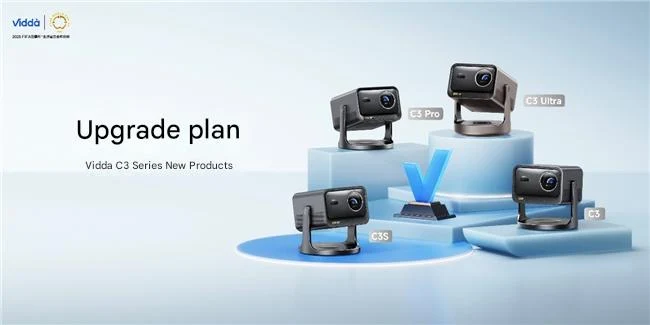
  • Hisense Vidda C3 Ultra Projector Launches with Innovative Laser Module

    Key Takeaways

    1. The Vidda C3 Ultra is the world’s first projector using the MCL39 tri-color laser module, offering cinema-grade performance.
    2. It achieves 110% of the BT.2020 color range, a contrast ratio of 14,000:1, and brightness levels up to 3,200 CVIA lumens.
    3. Key upgrades include a new lens with 10% better transparency, enhanced AI upscaling, and an MT9681 chipset with 8 GB of RAM.
    4. The projector features a built-in pan-tilt subwoofer as part of a Harman JBL 2.1 channel audio system.
    5. The Vidda C3 Ultra is priced at CNY 11,999 (about $1,660), with availability in China and no confirmed release date for other regions.


    The new Vidda C3 series projectors from Hisense have just been revealed in China. Leading this lineup is the Vidda C3 Ultra, which follows the Vidda C2 Ultra, known globally as the Hisense C2 Ultra.

    Cutting-Edge Technology

    The Vidda C3 is touted as the first projector in the world utilizing the advanced MCL39 tri-color laser module, which is cinema-grade. According to Hisense, this projector achieves 110% of the BT.2020 color range and boasts a contrast ratio of 14,000:1. It can produce brightness levels reaching up to 3,200 CVIA lumens; however, the company has not provided brightness metrics based on internationally accepted standards like ISO lumens. The throw ratio is specified as 0.9-1.5:1, and users can modify the projection angle using an integrated stand. Additionally, it supports Dolby Vision, HDR10+, IMAX Enhanced, and Filmmaker Mode.

    Upgrades and Features

    Besides the innovative laser technology, there are several enhancements over the C2 Ultra. These include a new lens that offers a 10% boost in transparency, an improved AI upscaling tool, and an MT9681 chipset accompanied by 8 GB of RAM. Furthermore, it claims to be the first in the industry to feature a built-in pan-tilt subwoofer, part of a Harman JBL 2.1 channel audio system.

    Hisense is retailing the Vidda C3 Ultra projector in China for CNY 11,999 (approximately $1,660). It remains uncertain when, or if, these new models will be available in other regions like the US. The previous Hisense C2 Ultra projector was launched in 2024 and is currently listed at $2,497.97 on Amazon.

    Availability Status

    For purchasing options, JD.com and IT Home are among the platforms where you can find more information.

    Source:
    Link


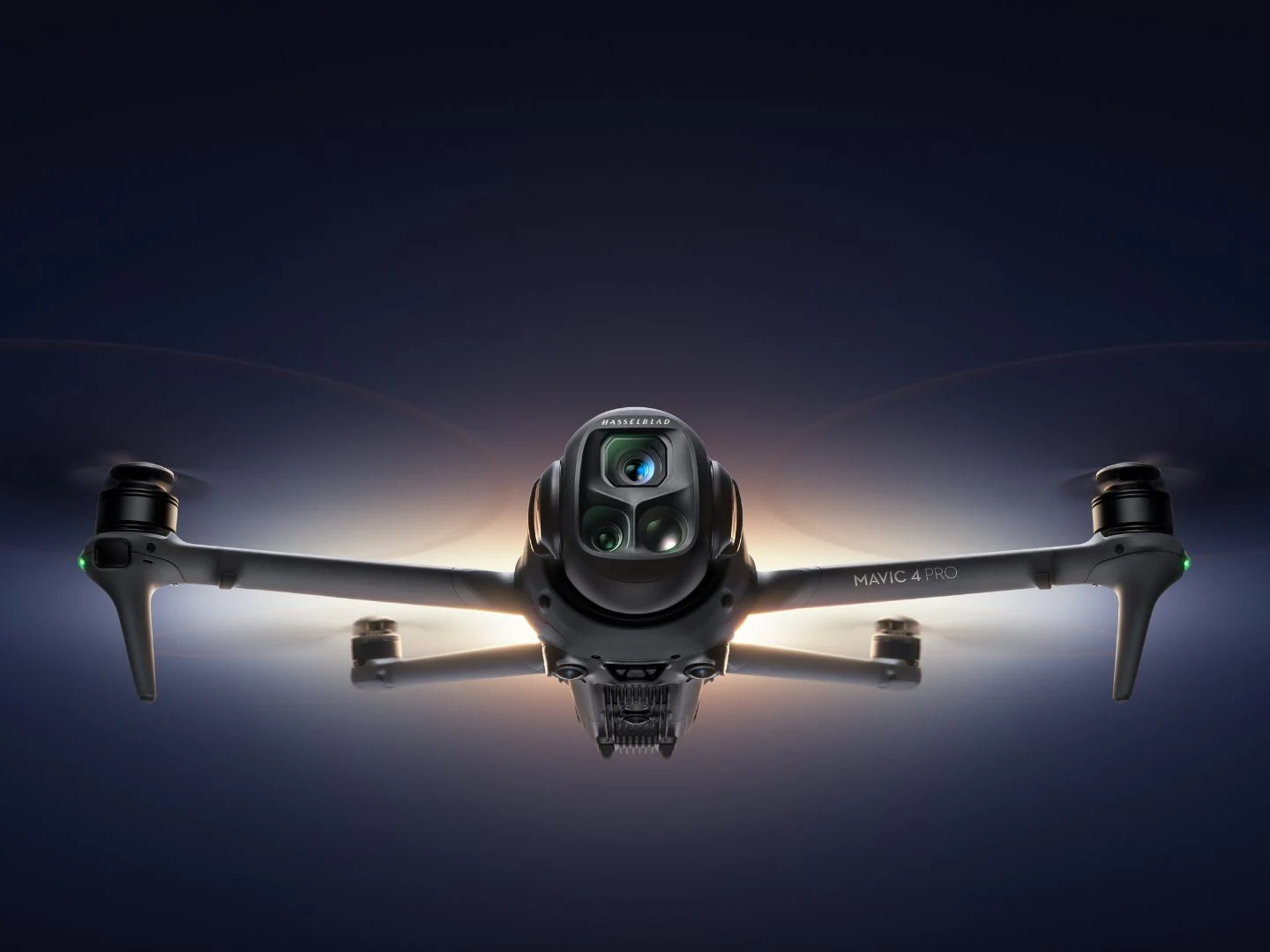
  • DJI Mavic 4 Pro Specs and Fly More Combo Pricing Revealed

    DJI Mavic 4 Pro Specs and Fly More Combo Pricing Revealed

    Key Takeaways

    1. The Mavic 4 Pro has a launch date confirmed by DJI, with a price of €2,769 (around $3,129) for the Fly More Combo package.
    2. It features a 95.3 Wh battery, providing up to 45 minutes of hover time and 51 minutes of total flight time.
    3. The drone has a maximum range of 41 km, but is limited to 30 km in North America and 15 km in other regions using OcuSync 4+ technology.
    4. The main camera is a 4/3 CMOS with a 100 MP resolution, accompanied by two additional cameras of 48 MP and 50 MP.
    5. The Mavic 4 Pro can record 6K video at 60 FPS and 4K video at 120 FPS in H.264 and H.265 formats.


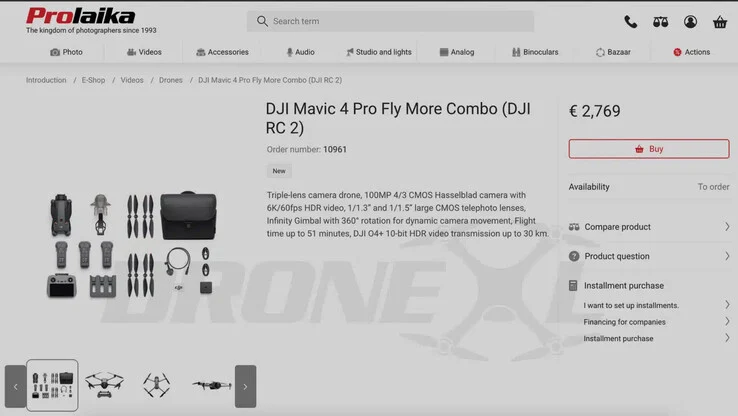
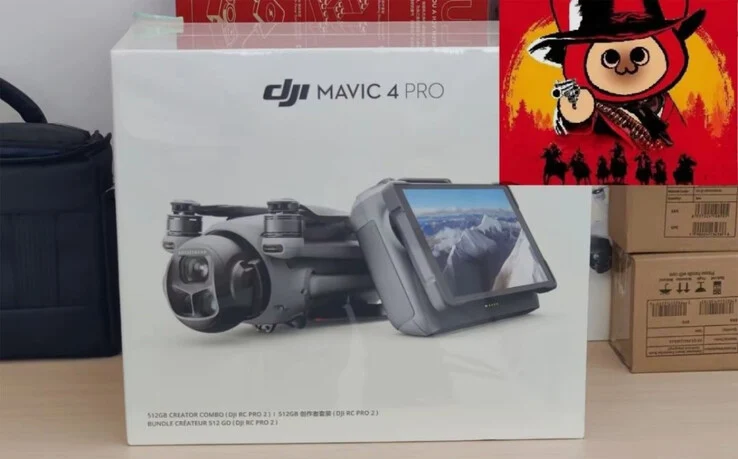
    The Mavic 4 Pro has had a significant leak, even though DJI just announced its launch date yesterday. A Slovak retailer named Prolaika has listed the new drone, including its Fly More Combo, before the official release. This listing has almost confirmed all details regarding the Mavic 3 Pro’s successor, including the price of €2,769 (around $3,129) for the Fly More Combo package.

    Battery and Range Details

    According to Prolaika, the Mavic 4 Pro comes with a 95.3 Wh (6,654 mAh) battery that can offer up to 45 minutes of hover time and 51 minutes of total flight time. The drone has a range of up to 41 km, but when using OcuSync 4+ technology with the RC Pro 2 remote controller, it can achieve a range of 30 km in North America. However, in other regions, DJI will limit the range to just 15 km.

    Camera Specifications

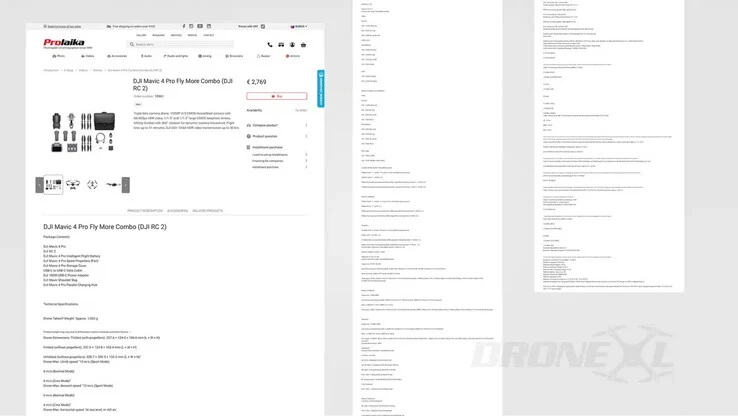
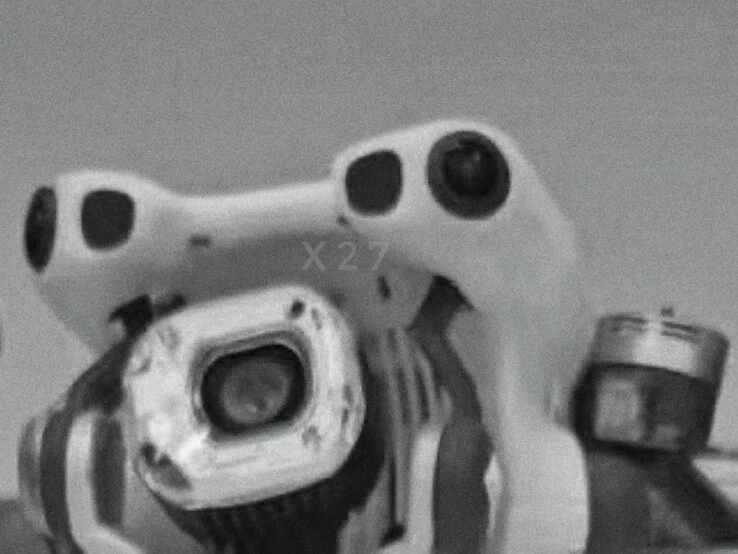
    Additionally, Prolaika has confirmed that the Mavic 4 Pro will launch next week featuring a 4/3 CMOS main camera that can capture images at a native resolution of 100 MP. There will also be two other cameras aboard, with outputs of 48 MP and 50 MP respectively. Notably, the 48 MP medium camera has a larger optical image format at 1/1.3 inches, while the 50 MP telephoto sensor measures 1/1.5 inches. The Mavic 4 Pro is expected to record 6K video at 60 FPS across all its cameras, and it can also shoot 4K video at 120 FPS using H.264 and H.265 formats. More details can be found in the images below.

    Source:
    Link


  • DJI RC Pro 2 Leaks: 2000 Nit Mini LED Display for Mavic 4 Pro

    DJI RC Pro 2 Leaks: 2000 Nit Mini LED Display for Mavic 4 Pro

    Key Takeaways

    1. DJI is set to launch the Mavic 4 Pro globally, with leaks about its successor, the Mavic 3 Pro, continuing to emerge.
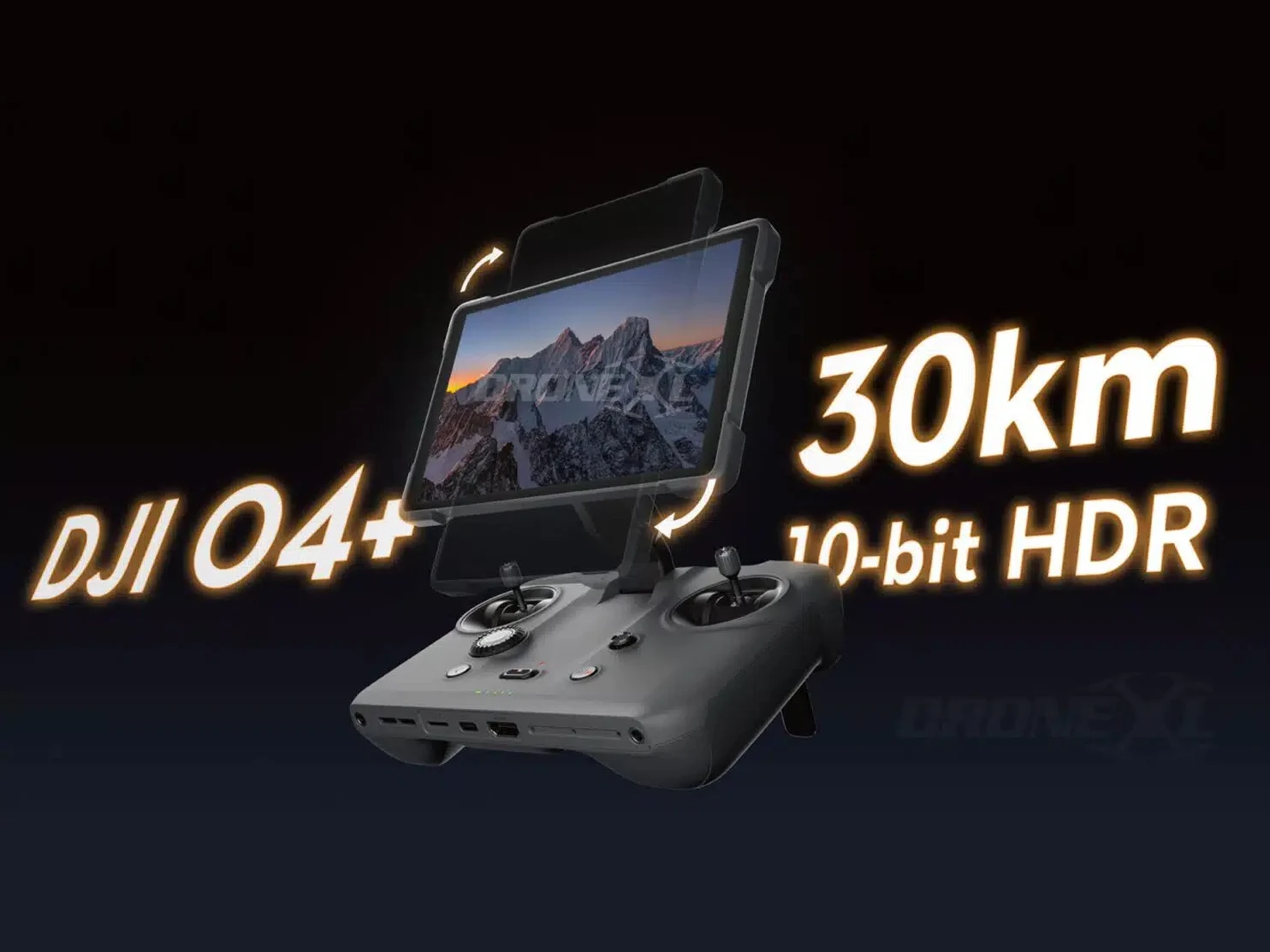
    2. The new RC Pro 2 remote controller features a 7-inch Mini LED display with high brightness and contrast for improved outdoor usability.
    3. The RC Pro 2 includes 128 GB of internal storage but has a battery life of only 4 hours per charge.
    4. The remote controller utilizes OcuSync 4+ technology, providing a range of up to 30 km in North America.
    5. The RC Pro 2 will be available starting May 13 and will be compatible with Mavic 4 Pro, Air 3, Air 3S, and Mini 4 Pro drones.


    DJI seems to have set a global launch date for the Mavic 4 Pro earlier this week. However, leaks about its much-anticipated Mavic 3 Pro successor (currently priced at $1,999.99 on Amazon) continue to emerge. This time, the focus is on the RC Pro 2 remote controller, which has taken a back seat compared to the Mavic 4 Pro until now.

    Key Specifications Revealed

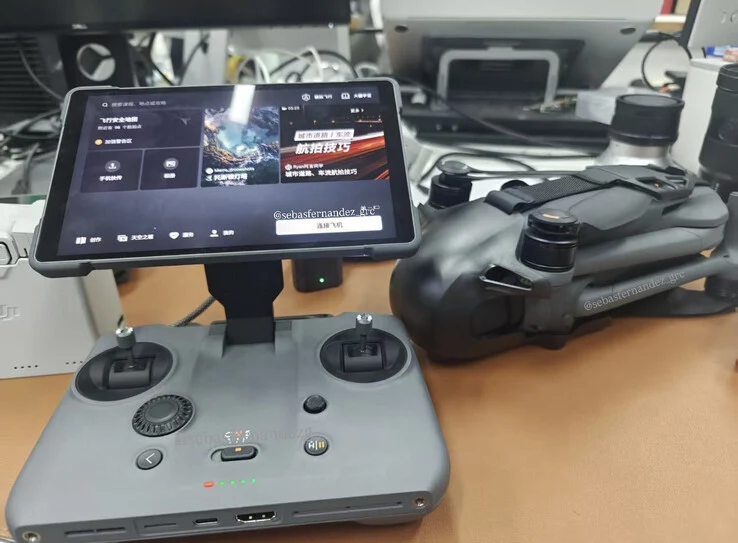
    To summarize, the design of the RC Pro 2 has been known for a while. Nevertheless, its specific features and how it stands apart from the existing RC 2 were somewhat unclear until visual observations surfaced. A retailer based in Slovakia has now disclosed several important specs ahead of time, which have been noted by people like Jasper Ellens and Igor Bogdanov.

    Bright Display Features

    For instance, these sources say that DJI has fitted the RC Pro 2 with a 7-inch Mini LED display to enhance outdoor usability. In that regard, the display is reported to boast 2,000 nits peak brightness, 1,600 nits for full panel brightness, a contrast ratio of 1,000,000:1, and 98% coverage of the DCI-P3 color space. Additionally, the remote controller can be rotated for vertical shooting and will turn on or off automatically when the display is opened or closed.

    Storage and Battery Life

    The RC Pro 2 will also come with 128 GB of internal storage, but it offers only 4 hours of battery life per charge. Furthermore, the OcuSync 4+ technology will enable the remote controller to reach up to 30 km of range in North America. It is expected that the RC Pro 2 will be available starting May 13, either on its own or as part of the Mavic 4 Pro Creator Combo. Reportedly, DJI plans to ensure compatibility with its Air 3, Air 3S, and Mini 4 Pro drones at launch, alongside the Mavic 4 Pro.

    Source:
    Link


  • Anker Nebula X1: 4K Laser Projector with Launch Discount

    Anker Nebula X1: 4K Laser Projector with Launch Discount

    Key Takeaways

    1. The Anker Nebula X1 is now available in Europe for €2,999, with a limited-time €500 discount until May 30th.
    2. It features an adjustable lens with a micro-gimbal and can project images up to 300 inches with automatic adaptation capabilities.
    3. The projector boasts a brightness of 3,500 ANSI lumens and covers 110% of the DCI-P3 color spectrum with high color accuracy.
    4. It runs on Google TV, supporting various streaming apps and connectivity options like HDMI 2.1, USB Type-C, and wireless speaker connections.
    5. The Nebula X1 has a compact design, weighing around 14 lbs, and includes a water-cooling system for quieter operation.


    As announced earlier, the Anker Nebula X1 is now available in the European market. This projector can be found at various retailers, including Amazon Germany, where it’s priced at €2,999. For those who act quickly, there’s a coupon code providing a €500 discount until May 30th. The projector is set to launch in the US on May 21st.

    Unique Features of the Nebula X1

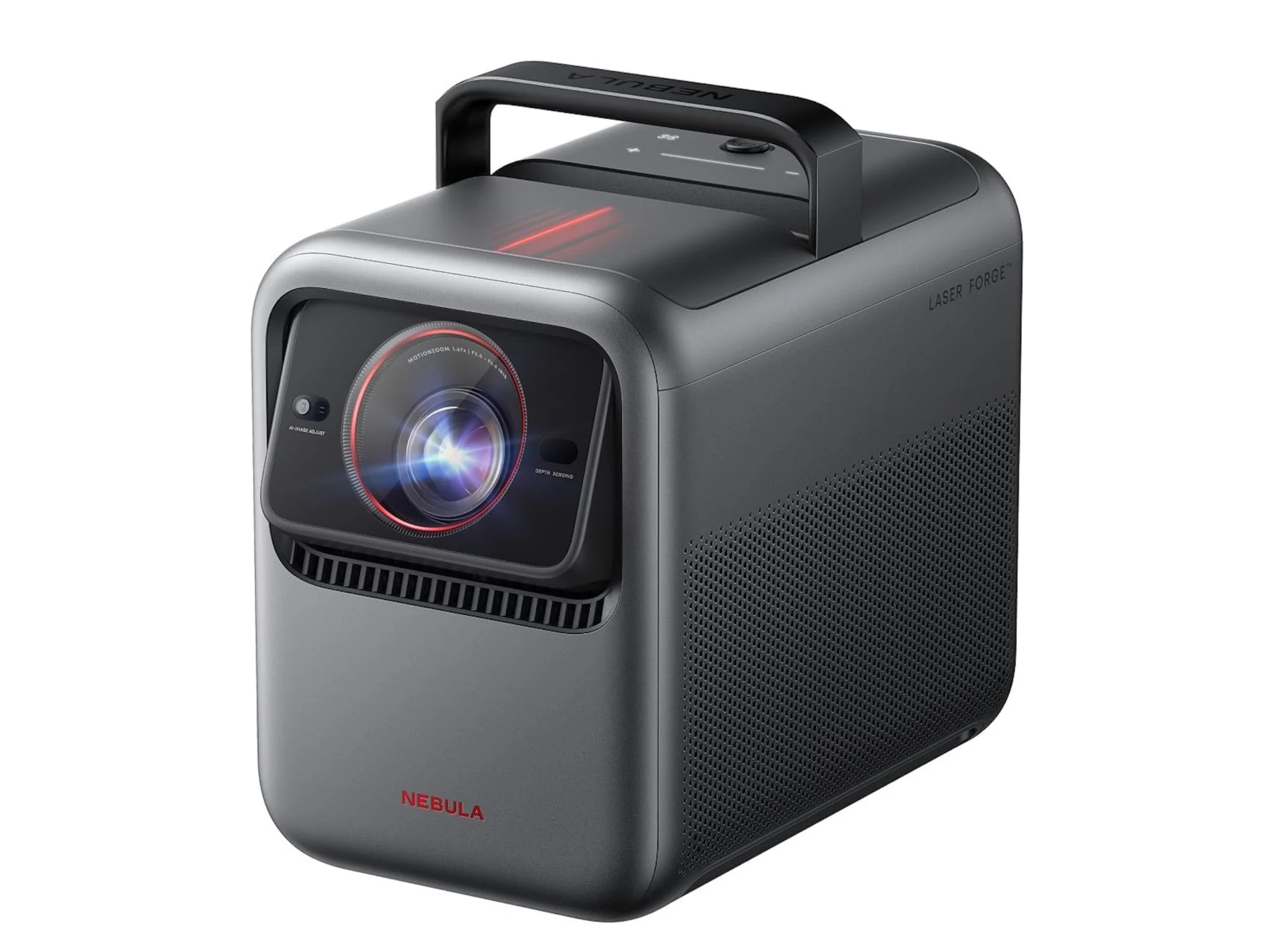
    Moving on, the Nebula X1 features a unique and powerful design. Its lens can be adjusted and tilted, thanks to a micro-gimbal that provides added flexibility. The projection ratio is adjustable from 0.9 to 1.5:1, and Anker claims it can project images up to 300 inches. With just a single button press, users can automatically adapt the 4K projector to their room and projection surface. This model includes a memory function and it avoids scanning spaces twice. It also comes with automatic keystone correction and obstacle avoidance features.

    Performance and Connectivity

    The Nebula X1 is equipped with three lasers, which are said to produce a brightness of up to 3,500 ANSI lumens. Anker states that it covers 110% of the DCI-P3 color spectrum, with color accuracy rated at Delta E ≤ 0.8. The contrast ratio stands at 5,000:1, while the resolution of 3840 x 2160 pixels is likely achieved through pixel shifting technology.

    Google TV is the operating system for the Nebula X1, granting users access to a wide range of streaming applications. Users can also connect external devices using HDMI 2.1, USB Type-C, and there’s an optical audio output as well. Additionally, it supports wireless speaker connections. The Nebula X1 itself is roughly 11 x 7.3 x 9.7 inches in size, weighs close to 14 lbs, and features a water-cooling system designed to keep noise levels relatively low.

    Source:
    Link

  • DJI Mini 5 Pro Release Window Revealed for New Sub-250g Drone

    DJI Mini 5 Pro Release Window Revealed for New Sub-250g Drone

    Key Takeaways

    1. The DJI Mini 5 series will not be the next consumer drone launch; the Mavic 4 Pro is set to debut on May 13.
    2. A replacement for the Mini 4 Pro may be introduced by the end of the year, but there is currently no standard version of the Mini 5 in development.
    3. The Mini 5 Pro is expected to launch in September, with more leaks likely in late summer.
    4. Recent hints suggest the Mini series may feature larger motors and optional propeller guards in its fifth generation.
    5. Hakasushi provides reliable insights into DJI’s future drone lineup, generating excitement for upcoming products.


    Leaker Hakasushi has provided fresh details regarding the DJI Mini 5 series, almost five months after rumors about the drone began circulating online. To sum it up, the Mini 5 series won’t be the next consumer drone launch from DJI. Instead, the company has confirmed that the Mavic 4 Pro is set to officially debut on May 13.

    Upcoming Changes

    Nonetheless, Hakasushi believes DJI will introduce a replacement for the Mini 4 Pro (currently priced at $1,399 on Amazon) by the year’s end. There have been recent hints that the Mini 5 could be released this summer, but these might not be accurate. Additionally, Hakasushi suggests that there is no standard version of the Mini 5 currently in the works.

    Expected Release

    Currently, the leaker asserts that he has obtained ‘reliable info’ indicating that DJI is aiming for a September launch for the Mini 5 Pro. Therefore, we can anticipate more detailed leaks to emerge in the late summer months. Meanwhile, recent rumors indicate that DJI plans to incorporate larger motors into the Mini series with the release of its fifth generation, possibly including optional propeller guards as well.

    Hakasushi’s insights provide a glimpse into the future of DJI’s drone lineup, showcasing the excitement surrounding the upcoming products.

    Source:
    Link


  • Kodak Luma 500: Compact WiFi Projector with Built-in Battery

    Kodak Luma 500: Compact WiFi Projector with Built-in Battery

    Key Takeaways

    1. Portability: The Kodak Luma 500 is a compact projector designed for easy transport, weighing about 1.2 pounds and measuring 5 x 5 x 1.3 inches.

    2. Brightness Limitations: With a brightness of only 150 ANSI lumens, the projector may struggle in bright environments, particularly for outdoor use.

    3. Projection Size: It can project images up to 150 inches from 12.5 feet away, but the actual performance may be limited by its low brightness.

    4. Streaming Capabilities: The projector runs on Google TV 11, allowing direct streaming from services like Netflix and Amazon Prime without needing additional devices.

    5. Connectivity and Lag: It features WiFi connectivity and HDMI ports for external devices, but has a 30ms input lag at a refresh rate of 60Hz.


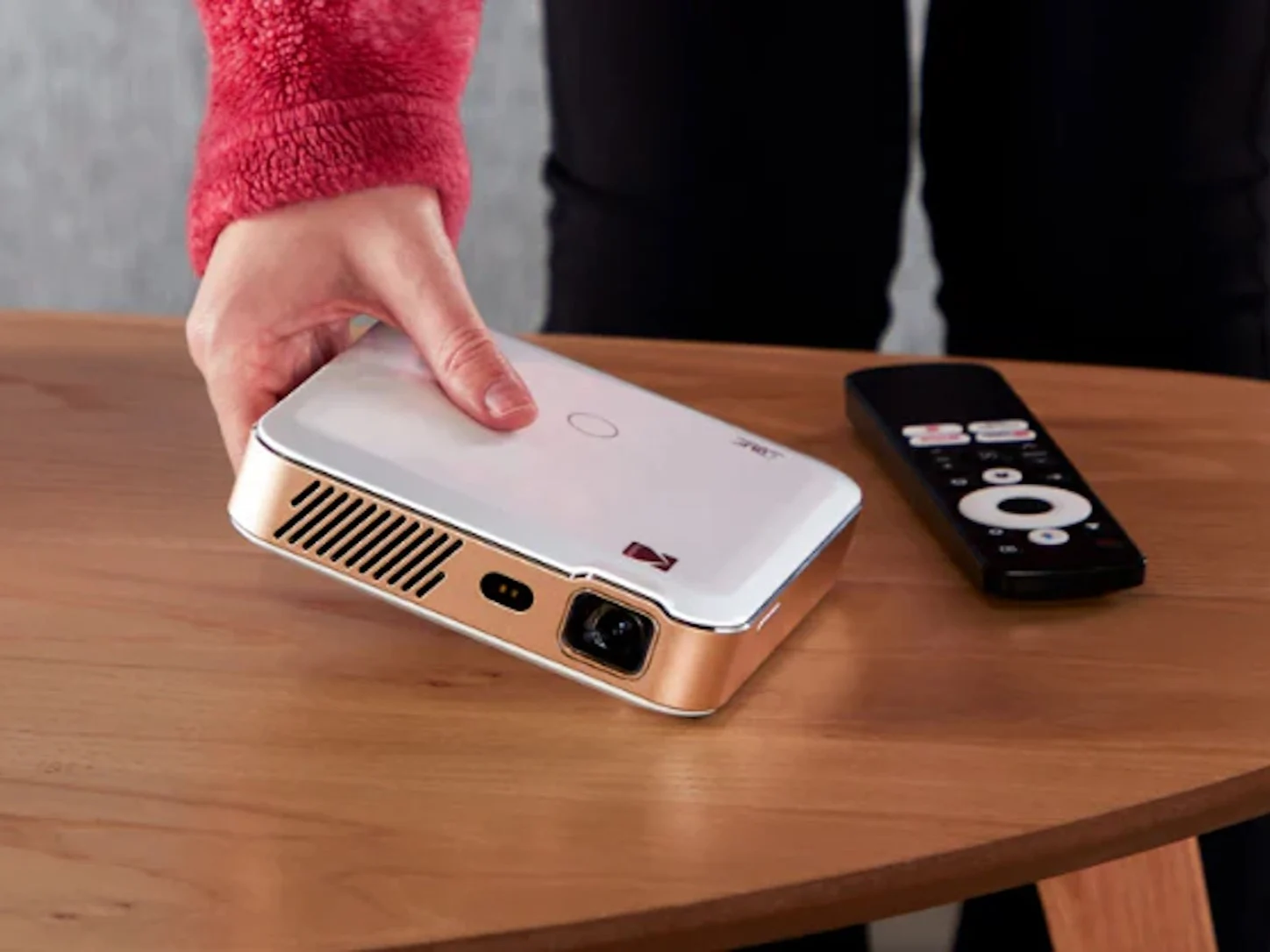
    The Kodak Luma 500 is a new compact projector that is made by C+A Global. This projector is made for people who want to take it with them wherever they go. It’s also said to be good for outdoor use, but there is a common issue with small projectors that may affect this. The Kodak Luma 500 has a brightness of only 150 ANSI lumens, which is lower than many other portable projectors that you can find on Amazon which are much brighter.

    Projection Capabilities

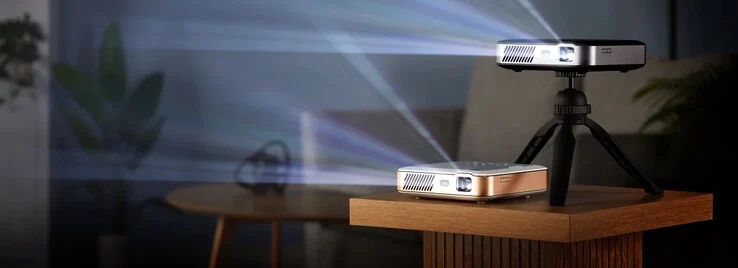
    As stated by the maker, the Kodak Luma 500 can project images as large as 150 inches from a distance of 12.5 feet, with a projection ratio of 1.2:1. However, it raises questions about how realistic this scenario is in actual use, since the low brightness can hold back its performance.

    Design and Features

    This FHD projector from Kodak measures 5 x 5 x 1.3 inches and weighs about 1.2 pounds. It operates on Google TV 11, which allows users to stream directly from services like Netflix, Amazon Prime, and Disney Plus without needing an additional media player. Moreover, the Luma 500 connects to WiFi and has a built-in 10,500mAh battery, eliminating the need for a power source. Nevertheless, you can connect external devices via HDMI, but be aware that there is a 30ms input lag at a refresh rate of 60Hz.

    The Kodak Luma 500 is currently priced at $699 on Amazon.

    Source:
    Link


  • New Insights on Ricoh GR IV and Fujifilm X-Half Compact Cameras

    New Insights on Ricoh GR IV and Fujifilm X-Half Compact Cameras

    Key Takeaways

    1. The Fujifilm X-Half is set for a 2025 release, with new leaks highlighting its lens features and design.
    2. A recent Ricoh patent reveals four lens designs likely aimed at the upcoming Ricoh GR IV compact camera, featuring improved aperture specifications.
    3. The patent includes lenses with apertures around f/2.8 or lower, with one achieving f/2.39, indicating enhanced light-gathering capabilities.
    4. The Fujifilm X-Half will feature a 10.5 mm lens with a maximum aperture of f/2.8, an automatic aperture function, and a built-in flash.
    5. The camera design includes a single exposure compensation dial and an unclear control lever/button, suggesting a unique user interface.


    The Fujifilm X-Half has made its way into the public eye ahead of its anticipated 2025 debut, with fresh leaks shedding light on the expected lens features of this upcoming compact camera. In addition to the latest image leak showcasing the camera’s logo, which raises more questions about this unusual device, a new patent may also provide insights into the competition that Fujifilm faces in the compact camera market.

    Patent Revelations

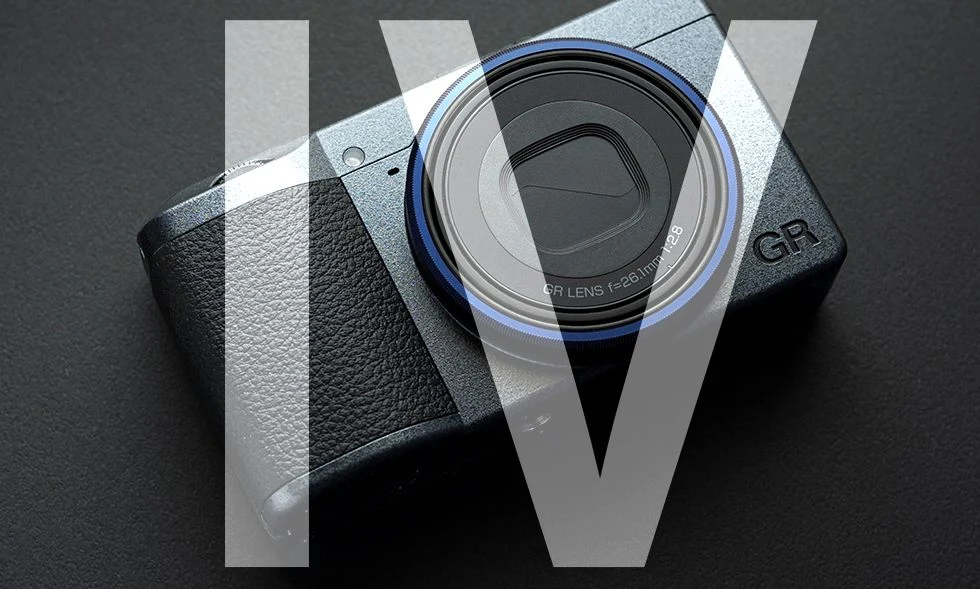
    Among the most intriguing information comes from a forum user named Mistral75 on Pentax Forums. They shared news about a recently published patent from Ricoh for a lens design that might be associated with the forthcoming Ricoh GR IV compact camera.

    The new lens patent outlines four distinct lens designs, all of which have an image circle and back focus that appear to match what one would expect from an APS-C compact camera. This suggests that these lenses are likely aimed for the GR IV or a similar model. All four lenses are in a similar range to the existing 18.5 mm lens found on the Ricoh GR III (currently priced at $1,396.95 on Amazon), and all three feature an aperture of around f/2.8 or lower, with one lens achieving f/2.39—making it half an EV stop brighter than the current f/2.8 lens available on the GR III.

    Detailed Specifications

    The patent application lists eight numerical examples, all featuring a radius of 14.13mm for the image circle and a notably short back focus of 0.7mm. This implies that these lenses are designed for APS-C compact cameras with integrated lenses, specifically pointing towards a Ricoh GR.

    – Examples 1 to 3 and 8: 18.35mm f/2.85 to f/2.89 lenses
    – Example 4: 18.35mm f/2.39 lens
    – Example 5: 15.7mm f/2.88 lens
    – Example 6: 17mm f/2.78 lens
    – Example 7: 16.41mm f/2.79 lens

    Earlier reports indicated that a Ricoh ambassador hinted that the GR IV could arrive as early as late 2025 or early 2026, with other leaks suggesting a new sensor and lens pairing. This recent patent could lend further credence to those claims, as it seems to have been under development for nearly two years.

    More Compact Camera Updates

    Shifting focus to the 1-inch sensor category, a new image has surfaced showing the Fujifilm X-Half compact camera in full detail ahead of its expected release in late May. This image, shared by Fuji Rumors, displays the camera without any censorship, confirming several details, including its name, which is simply Xhalf, rather than the previously thought X-Half.

    The image also reaffirms earlier leaked lens specifications, indicating a 10.5 mm lens with a maximum aperture of f/2.8. Additionally, it appears that the lens includes an automatic aperture function integrated into the aperture control ring. The photo reveals that there will be a built-in diffuse flash on the camera’s front, along with a hot shoe at the top for added accessories. Once again, the only control dial atop the Xhalf is the exposure compensation dial, while the function of the peculiar lever or button where the film advance lever would traditionally be on a film camera remains unclear.

    Source:
    Link