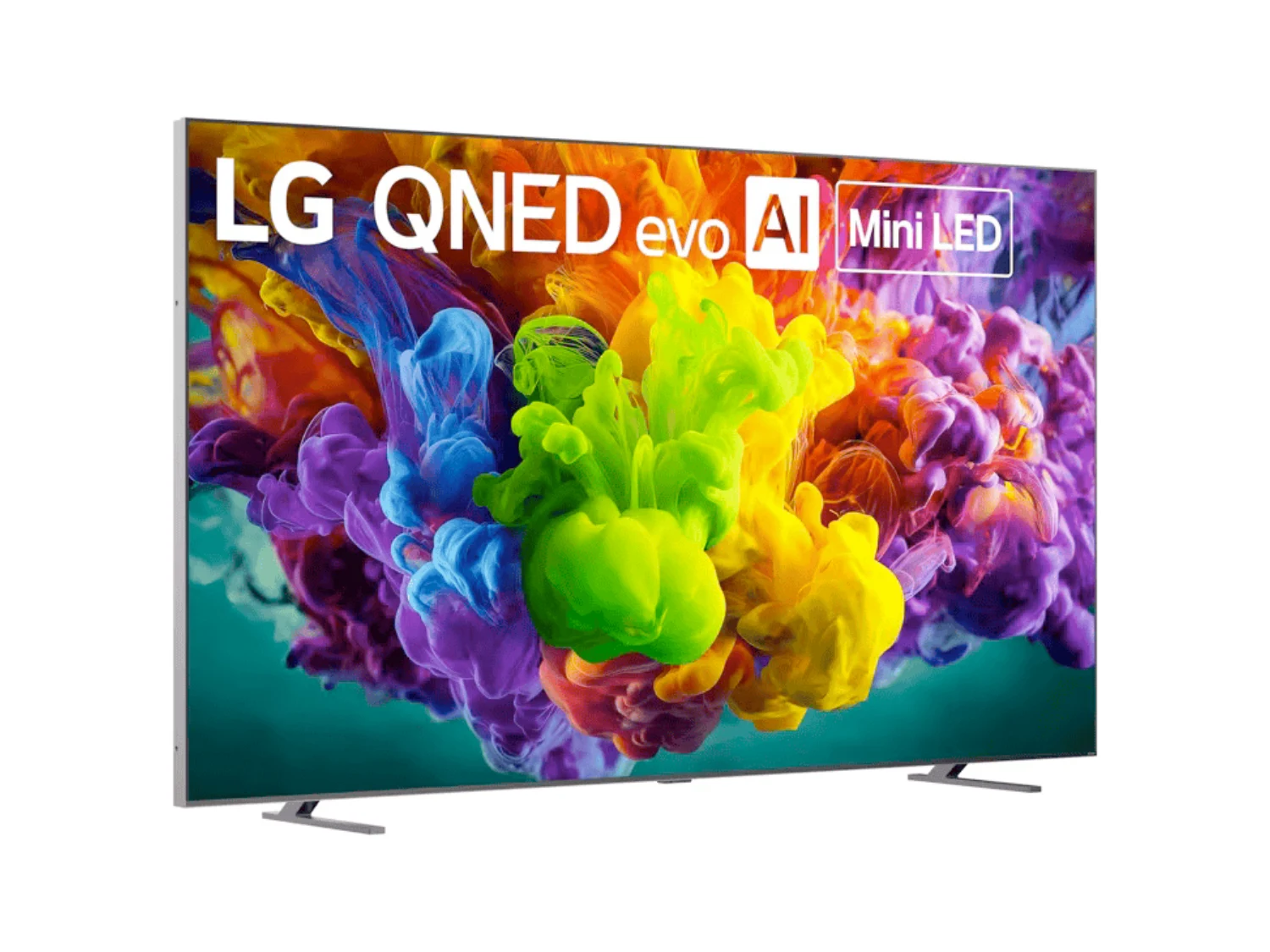
– LG launched its 2026 QNED evo Mini LED lineup in the US, led by the first-ever 115QNED92BU 115‑inch model (preorder $12,999.99)
– QNED92B (2026 QNED90 series) uses a 4K Mini LED panel with Alpha 8 AI Processor Gen 3 and is the only QNED tier with Precision Dimming Ultra (more local dimming zones)
– Color: Dynamic QNED Color Pro with Intertek‑certified 100% Color Volume; peak brightness figures not disclosed
– Gaming: VRR up to 165 Hz, 330 Hz Motion Booster at 1080p for PC; consoles effectively limited to 4K/120 Hz; no HDMI 2.2 or Dolby Vision 2; ALLM included
– webOS 26 integrates Google Gemini and Microsoft Copilot for voice/AI recommendations and adds Sports and Gaming Portals
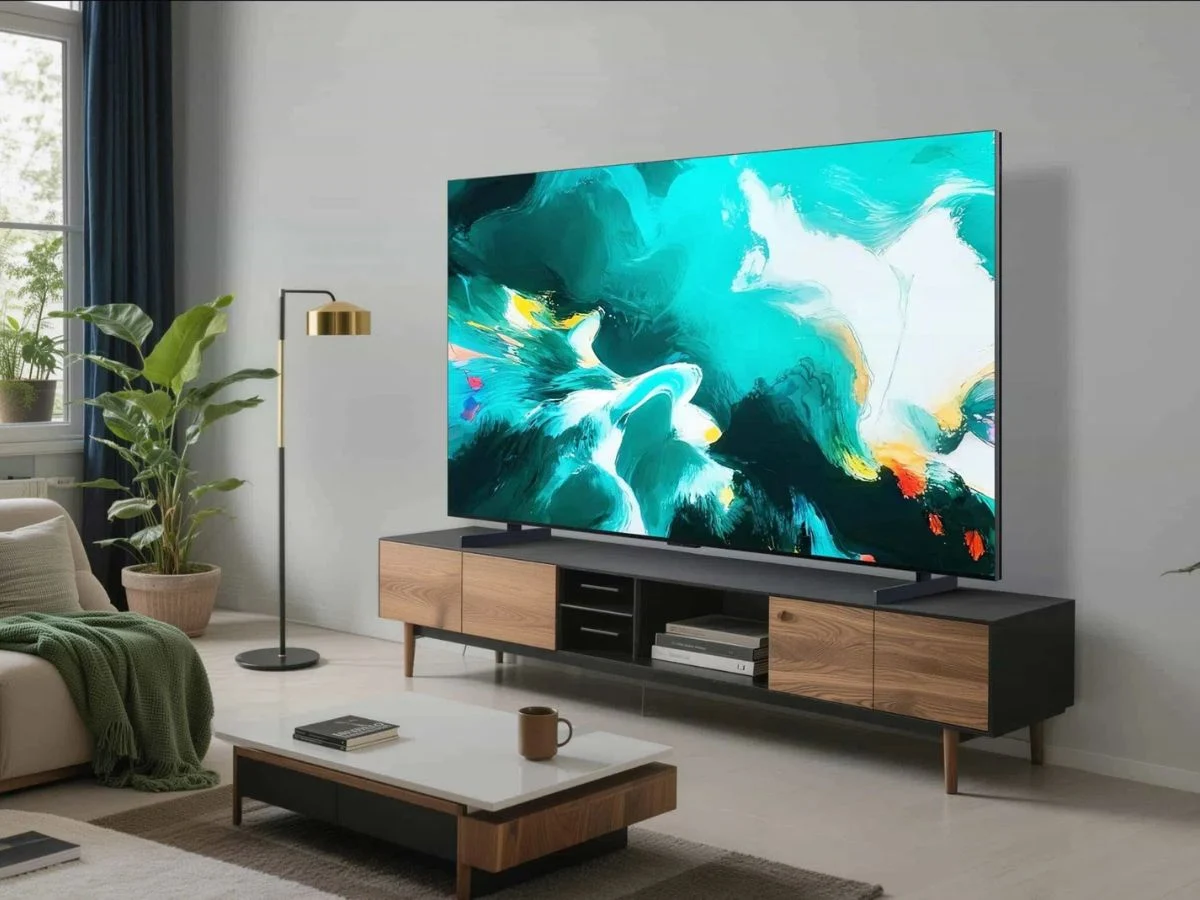
LG has officially launched its 2026 QNED evo Mini LED lineup in the United States, led by the 115QNED92BU – the companys first-ever 115-inch QNED television. The range sits at the top of LGs LCD TV hierarchy for 2026, and it sits beneath only the companys OLED and Micro RGB evo lines, so its aimed at buyers who want big-screen brightness without oled burn concerns.
Positioning
The QNED92B is the US designation for LGs QNED90-series TVs in 2026; the B suffix means this is a 2026 model (last years equivalent used A). It uses a 4K Mini LED panel driven by LGs Alpha 8 AI Processor Gen 3 – the same processor found across LGs higher-end QNED lineup this year – alongside what LG calls Precision Dimming Ultra, the top tier of its local dimming hierarchy for 2026.
Designation details
Dimming note
That last distinction is key. The QNED90 series is the only QNED tier this year to carry Precision Dimming Ultra. Every other QNED84 and below steps down to Precision Dimming Pro or lower, which means fewer local dimming zones and less control over blooming and contrast in dark scenes. LG claims the 115-inch model specifically has 25% more dimming zones than its predecessor from last year, though, like previous years, the company refuses to publish the actual zone count.
Colour and brightness
On the color side, LG uses Dynamic QNED Color Pro with Intertek-certified 100% Color Volume, meaning color accuracy is maintained even at higher brightness levels, which matters for HDR content. Peak brightness figures have not been disclosed by LG for any of the 2026 QNED models at the time of launch; so you cant compare numbers yet, only marketing claims.
Gaming features
Gaming-wise, QNED92B supports VRR up to 165 Hz natively and a 330 Hz Motion Booster mode, the latter of which runs at reduced resolution (1080p) and is primarily geared towards PC gaming. For console users, the practical ceiling is still 4K/120 Hz as defined by HDMI 2.1 bandwidth – and its worth noting that LG has confirmed 2026 QNED TVs will not support HDMI 2.2 or Dolby Vision 2, so youre not missing cutting-edge connectivity. ALLM is included. LGs Gaming Portal in webOS 26 bundles access to cloud gaming services like GeForce NOW and Xbox Cloud Gaming alongside console-adjacent features.
Key specs
- Model: 115QNED92BU / QNED92B (US)
- Panel: 4K Mini LED
- Processor: Alpha 8 AI Processor Gen 3
- Local dimming: Precision Dimming Ultra (only QNED90 tier)
- Color: Dynamic QNED Color Pro, Intertek-certified 100% Color Volume
- VRR: up to 165 Hz native
- Motion Booster: 330 Hz mode (1080p reduced resolution)
- Console cap: 4K/120 Hz via HDMI 2.1
- No HDMI 2.2, No Dolby Vision 2
- Features: ALLM, Gaming Portal, Sports Portal, webOS 26 with Google Gemini and Microsoft Copilot
- Availability: United States, pre-order
- Price: $12,999.99
Software
LG is using webOS 26 as the primary platform, and the company has integrated Google Gemini and Microsoft Copilot for voice and AI-driven recommendations. Theres a Sports Portal with live scores and match alerts, and a new Gaming Portal hub as well — which groups cloud services and console features into one place, making navigation easy for less techy users.
Availability
The aforementioned 115-inch TV is now available to pre-order for $12,999.99. Availability in stores and shipping windows may vary by retailer and region, and LG has kept some numbers like zones and peak nits intentionally vague at launch which might frustrate picky buyers.