
Tag: HDR

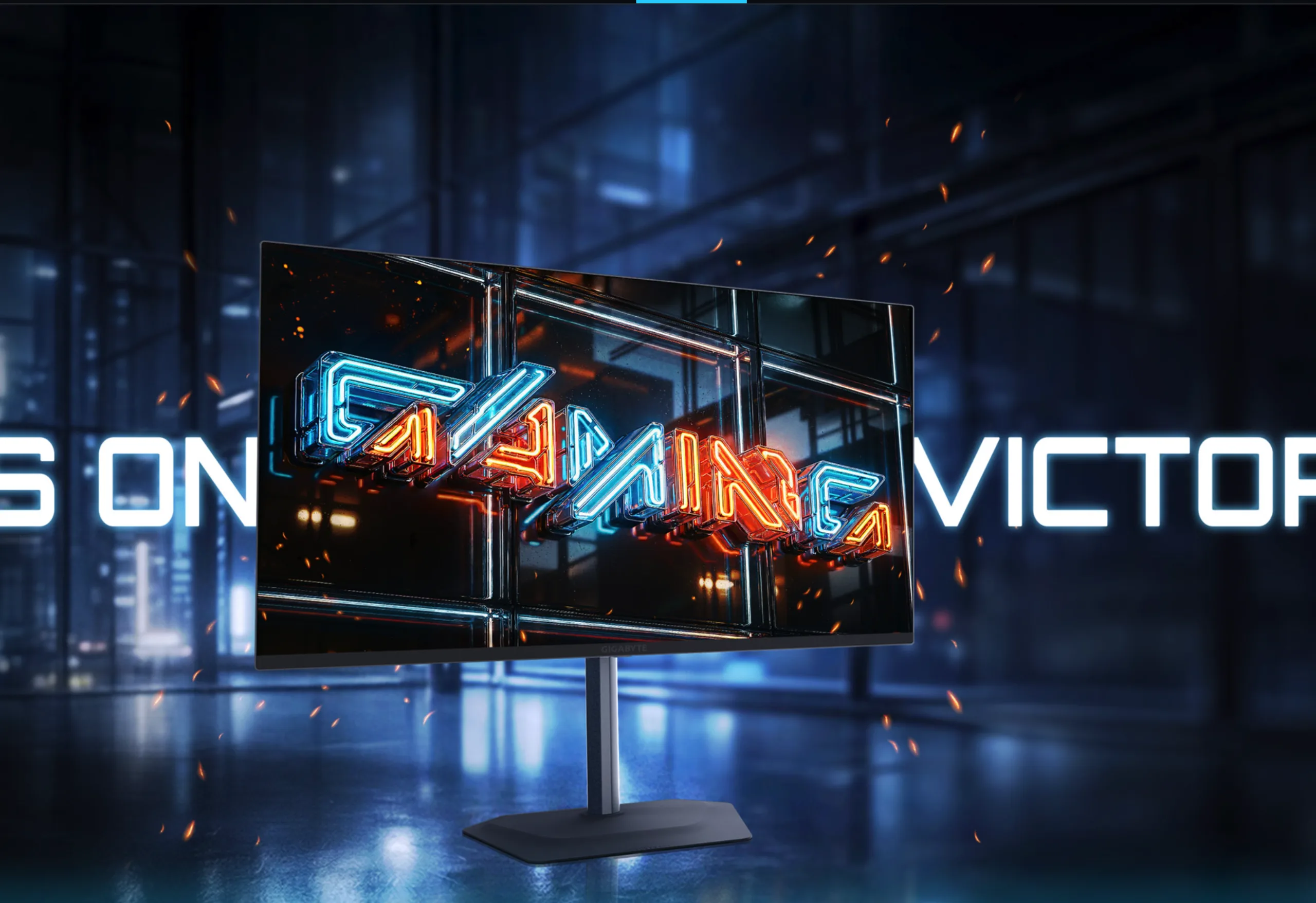
  • Gigabyte 4K QD-OLED Gaming Monitor with 240Hz Refresh Rate Launches

    Gigabyte 4K QD-OLED Gaming Monitor with 240Hz Refresh Rate Launches

    Key Takeaway

    1. The Gigabyte MO32U24 is a 32-inch 4K QD-OLED gaming monitor with a 240 Hz refresh rate, 0.03 ms response time, and 1000 nits HDR brightness.
    2. It offers wide viewing angles (178%), high color coverage (99% DCI-P3), and advanced black level enhancement features.
    3. The monitor is equipped with multiple connectivity options, including HDMI 2.1, DisplayPort 1.4, USB Type-C, and USB 3.2 ports, along with built-in stereo speakers and thermal cooling.
    4. Certified with DisplayHDR True Black 500 and VESA ClearMR 13000, it emphasizes deep blacks and vibrant colors in high ambient lighting conditions.
    5. The sleek, adjustable design features tilt, swivel, pivot, and height adjustments, catering to gaming ergonomics.

    Introduction to Gigabyte’s New Gaming Monitor

    Gigabyte has announced their newest gaming monitor, the MO32U24, which has been released to the world market. It’s a direct competition for other high-end gaming screens like the Philips’ Evnia 27M2N5500XD and the LG UltraGear OLED 27GX790B, which currently costs around $994. The monitor is crafted specifically with gamers in mind, featuring an impressive 32-inch QD-OLED panel, supporting 3840 x 2160 UHD resolution, and a rapid refresh rate of 240 Hz.

    Display Features and Visual Performance

    The monitor doesn’t just look good, its display packs a punch with a peak HDR brightness of 1000 nits. The response time is nearly instant at 0.03 ms GTG, and it covers 99% of the DCI-P3 color space, which ensures vivid, true-to-life colors. The viewing angle for this display is also wide at 178°, similar to what was seen in the Acer Nitro XV273U W1 back at IFA last year. The advanced Obsidian Shield film technology is included, which boosts black levels by up to 40% and helps preserve deep blacks and vibrant colors even when there’s bright ambient lighting around.

    Certifications and Additional Features

    This high-performance gaming monitor has acquired DisplayHDR True Black 500 and VESA ClearMR 13000 certifications, highlighting its quality and capability. It also comes equipped with dual 5 W stereo speakers, and an airflow-based thermal cooling system embedded with graphene film, which keeps the device cool even during intense gaming sessions. Connectivity options are plentiful, including 2 HDMI 2.1 ports, a DisplayPort 1.4, a USB-C port, two USB 3.2 ports, one upstream USB port, and a dedicated earphone jack.

    Design and Adjustability

    Looking at its design, Gigabyte’s MO32U24 sports a modern, gamer-centric aesthetic with a sleek black finish. The stand provides various ergonomic adjustments like tilt, swivel, pivot, and height adjustments up to 130 mm, making it flexible for various setups. The company hasn’t shared the official retail price yet but offers additional details through their official website. Overall, the monitor’s specs and design make it a promising choice for gaming enthusiasts.

    Sources

  • Apple Studio Display 2 Expected to Have Low Refresh Rate

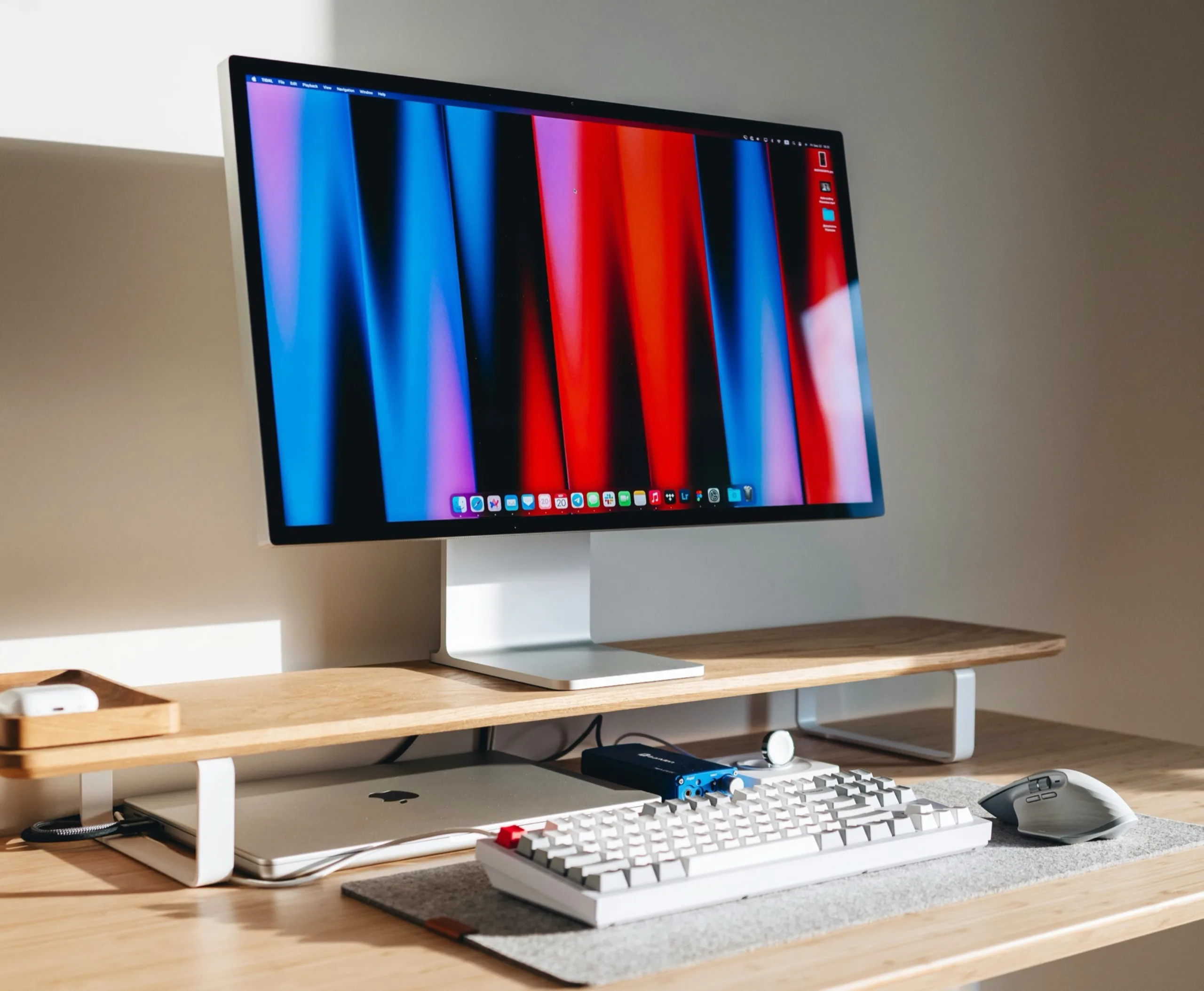
    Apple Studio Display 2 Expected to Have Low Refresh Rate

    Key Takeaways

    1. The Apple Studio Display 2 may be released soon, with a starting price of $1,899.
    2. The expected refresh rate upgrade is likely to be 90Hz instead of the anticipated 120Hz.
    3. This refresh rate is lower than competitors like the Asus ROG Strix 5K, which offers 180Hz at 5K resolution.
    4. The display may support HDR content with a mini-LED backlight for improved brightness.
    5. There is a possibility of upgrading from the Apple A13 to the A19 SoC, enhancing processing power.


    After the new version of Apple’s Studio Display (starting at $1,899 on Amazon) was seen in a certification a few weeks ago, it is possible that the monitor will be released in the coming weeks or months. Previous rumors suggested that the Apple Studio Display 2 would feature a refresh rate of 120Hz with Apple’s ProMotion technology, but this upgrade might not be as significant as initially thought.

    Expected Refresh Rate Changes

    As per MacRumors, the refresh rate is likely to go up from 60Hz to only 90Hz. This info was reportedly discovered in an internal beta version of iOS 26. Given that the ProMotion displays found on the iPhone 17, iPad Pro, and MacBook Pro all provide 120Hz, a 90Hz refresh rate seems a bit unusual. With the Apple Studio Display’s high price point, this news could be seen as disappointing, especially with rivals like the Asus ROG Strix 5K achieving 180Hz even at full 5K resolution.

    Potential Upgrades Beyond Refresh Rate

    Still, the Apple Studio Display might get two other significant enhancements, apart from a higher refresh rate. Firstly, the monitor may include support for HDR content, probably featuring a mini-LED backlight that would boost HDR peak brightness. Secondly, there’s a chance that the screen will upgrade from the Apple A13 to the Apple A19 SoC, which is currently used in the iPhone 17. It remains unclear if this extra processing power will enable new features beyond the standard webcam and speaker system.

    Source:
    Link


  • PNG 3: Enhanced HDR and Animations Beat JPEG

    PNG 3: Enhanced HDR and Animations Beat JPEG

    Key Takeaways

    1. PNG format was introduced in 1995 and has undergone multiple updates, with Version 3 recognized as a W3C standard in June 2025.
    2. PNG offers lossless compression and supports transparent sections, making it superior to JPEG for quality, despite larger file sizes.
    3. Version 3 of PNG allows for the inclusion of EXIF data, similar to JPEGs, providing metadata about the image.
    4. Animated PNGs (APNGs) are now part of the W3C standard with Version 3, featuring new capabilities like HDR support.
    5. Collaboration with major companies like Adobe, Apple, and Google ensures wide compatibility of PNG Version 3 across various applications and platforms.


    The PNG file format made its debut in 1995 and was recommended by the World Wide Web Consortium (W3C) starting in October 1996. The W3C updated the standard to its second version in November 2003. A working group has been working on the third version since September 2021, which was officially recognized as a W3C standard on June 24, 2025.

    Advantages of PNG Over JPEG

    When you compare PNG to JPEG, there are two main benefits. Firstly, PNG allows for lossless compression of images and graphics, which means they maintain better quality, although the file sizes are larger. Secondly, PNG can hold an alpha channel, which enables it to show transparent sections. The new Version 3 brings significant changes that enhance PNG’s appeal for contemporary use. Most importantly, PNGs can now include EXIF data, like JPEGs do, allowing metadata to show which camera took the picture and its location through GPS coordinates.

    The Rise of Animated PNGs

    Animated PNGs, or APNGs, have been around for a while and were initially created by Mozilla. However, with the arrival of PNG Version 3, they are now officially part of the W3C standard, which means more software is likely to support them in the future. The most interesting new capability is HDR support. Thanks to cICP, HDR PNGs are only 16 bytes heavier than SDR PNGs. If an ICC profile is embedded, the file would increase by 9MB.

    Collaboration and Support

    Version 3 of PNG was created in partnership with Adobe, Apple, and Google, so it is already compatible with many applications. This includes all browsers based on Chromium, Firefox, macOS, iOS, Adobe Photoshop, and DaVinci Resolve. Since PNG is often used for subtitles and overlays in news broadcasts, we can expect HDR support for these elements soon.

    The World Wide Web Consortium is also focused on two additional enhancements for the PNG standard. First, they plan to modernize lossless compression to decrease PNG file sizes. Second, they aim to improve the compatibility of HDR images on SDR displays and vice versa.

    Source:
    Link

  • Nintendo Explains Switch 2’s LCD Choice Over OLED Display

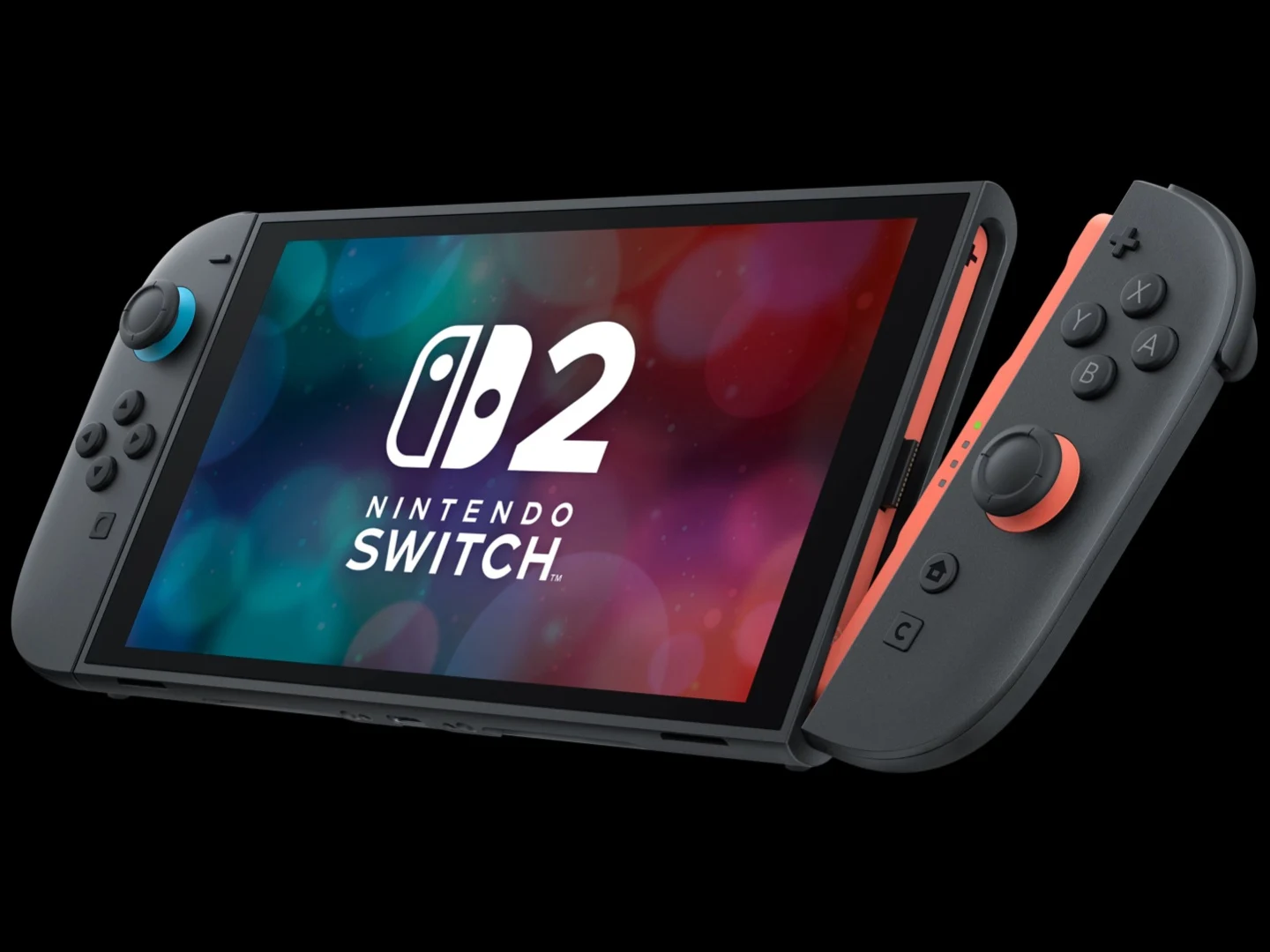
    Nintendo Explains Switch 2’s LCD Choice Over OLED Display

    Key Takeaways

    1. The Nintendo Switch 2 features significant enhancements, including increased power, improved Joy-Con functionality, a larger and faster display, and a bigger battery.
    2. The decision to use an LCD screen instead of an OLED was made to enable HDR support, reflecting advancements in display technology.
    3. The new console has a 7.9-inch LCD display with 1920×1080 resolution, HDR10 support, and variable refresh rate up to 120 Hz, offering a more immersive gaming experience.
    4. Additional upgrades include 256 GB of storage, Wi-Fi 6 capabilities, and the ability to output 4K resolution at 60 FPS.
    5. The Nintendo Switch 2 will be available on June 5, with pre-orders starting on April 9, priced at $450, and a bundle option available for $500.


    The Nintendo Switch 2 was officially revealed on April 2, showcasing notable enhancements compared to the original Switch. It boasts increased power, improved functionality with the Joy-Cons, a larger and quicker display, and a bigger battery. However, fans were a bit taken aback by the decision to use an LCD screen instead of an OLED one. This choice was made to enable HDR support.

    Insight from Nintendo’s Management

    During a hardware-centered discussion that included IGN and other media outlets, Tetsuya Sasaki, General Manager of the Technology Development Division and Senior Director of the Technology Development Department at Nintendo, shared that there were many factors to weigh when deciding between LCD and OLED for the Switch 2. Ultimately, the team opted for LCD due to significant advancements in display technology, which allowed the new console to support HDR—something the Nintendo Switch OLED lacked.

    Display and Performance Upgrades

    The Nintendo Switch 2 is equipped with a 7.9-inch LCD display featuring a resolution of 1920×1080, HDR10 support, and variable refresh rate (VRR) up to 120 Hz. In comparison, the Switch OLED has a 7.0-inch OLED screen with 1280×720 resolution. This increase in size, resolution, and overall picture quality is expected to provide a more immersive gaming experience on the Switch 2. Additional enhancements include 256 GB (UFS) of storage, Wi-Fi 6 capabilities, and a maximum output resolution of 3840×2160 (4K) at 60 FPS. The Joy-Cons now magnetically attach to the console and feature a mouse mode, alongside larger SL and SR buttons.

    Availability and Pricing

    The Nintendo Switch 2 is set to hit stores on June 5, with pre-orders beginning on April 9. The console is priced at $450, and there’s also a Nintendo Switch 2 + Mario Kart World Bundle available for $500.

    Source:
    Link