Category: Tablets

  • iQOO Unveils New Stylus with 10,000 Pressure Sensitivity Levels

    iQOO Unveils New Stylus with 10,000 Pressure Sensitivity Levels

    Key Takeaways

    1. iQOO will launch the Pad 5 tablet series and the iQOO Pencil 3 stylus on May 20.
    2. The iQOO Pencil 3 features extremely low latency and 10,000 levels of pressure sensitivity, making it ideal for artists.
    3. The stylus has a white cylindrical design with a flat side to prevent rolling and a detachable tip, resembling the Apple Pencil Pro.
    4. It includes a built-in battery and supports magnetic wireless charging, confirmed to work with the iQOO Pad 5 series.
    5. Along with the iQOO Pencil 3, iQOO will also unveil the Neo10 Pro + smartphone, TWS Air 3 earbuds, Magnetic Cooling Back Clip Pro, and a 33W Power Bank.


    iQOO is set to reveal the Pad 5 tablet series on May 20, and before this launch, they have hinted at a new stylus called the iQOO Pencil 3 (styled as iQOO Pencil3). This new stylus, designed to work with the iQOO Pad 5 series, boasts some quite exciting features.

    Features and Performance

    iQOO claims that the Pencil 3 stylus offers extremely low latency at the millisecond level, providing a smooth and responsive experience for writing or drawing. Additionally, it boasts 10,000 levels of pressure sensitivity, which surpasses many offerings from Wacom. This elevated pressure sensitivity is expected to make the iQOO Pencil 3 an excellent tool for artists.

    Design and Aesthetics

    In an advertising image, the iQOO Pencil 3 is depicted with a white, cylindrical shape featuring a flat side to keep it from rolling away. It also includes a detachable tip. The overall look is quite similar to the Apple Pencil Pro (currently priced at $99 on Amazon), right down to where the name is engraved on the side.

    Compatibility and Launch Details

    The iQOO Pencil 3 comes with a built-in battery and supports magnetic wireless charging. While the stylus is confirmed to work with the iQOO Pad 5 series, it remains unclear whether it will also be usable with the iQOO Pad 2 series that was introduced last year.

    The iQOO Pencil 3 is scheduled to launch alongside the iQOO Pad 5 series tomorrow. In addition, iQOO will unveil the Neo10 Pro + smartphone, TWS Air 3 earbuds, the Magnetic Cooling Back Clip Pro, and a 33W Power Bank.

    Source:
    Link

  • Lenovo Yoga Pad Pro 14.5 Appears on Geekbench with SS1101 Chip

    Lenovo Yoga Pad Pro 14.5 Appears on Geekbench with SS1101 Chip

    Key Takeaways

    1. Lenovo has introduced the Yoga Pad Pro 14.5 with notable features like a 1,600 nits OLED display and 16 GB of RAM.
    2. The new device is expected to use Lenovo’s first in-house system-on-chip (SoC), named the Lenovo SS1101.
    3. The SS1101 SoC has a 10-core CPU with varying clock speeds and includes a combination of Cortex cores.
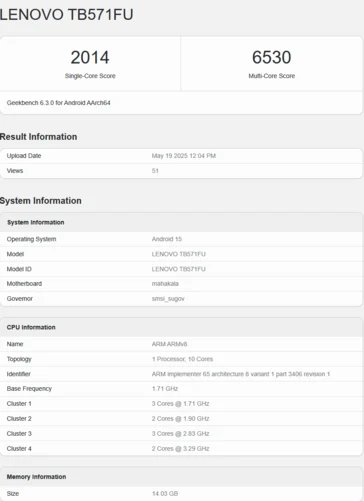
    4. Geekbench scores for the SS1101 are 2,014 in single-core and 6,530 in multi-core, making it competitive but not groundbreaking.
    5. The SS1101 may be manufactured using TSMC’s N5 process node, which could affect its performance compared to competitors.


    Lenovo has quietly revealed the Yoga Pad Pro 14.5, featuring standout specifications such as an OLED display boasting a peak brightness of 1,600 nits and 16 GB of RAM. However, details about its system-on-chip (SoC) were not disclosed. While it is reasonable to think it would be a standard component from Qualcomm or MediaTek, previous leaks suggested this might be Lenovo’s very first in-house SoC. Now, a recent listing on Geekbench seems to verify this assumption.

    Details of the New SoC

    This new SoC is named the Lenovo SS1101, and it boasts a 10-core CPU organized into clusters: 2 cores at 3.29 GHz, 3 cores at 2.83 GHz, 2 cores at 1.90 GHz, and 3 cores at 1.71 GHz. The first cluster features two Cortex-X3 cores, but no further details have been provided about the other clusters. There’s a solid possibility it could incorporate a combination of Cortex-A725, Cortex-A720, and Cortex-A520 cores similar to the Xiaomi Xring O1. The CPU is paired with an Arm Immortalis-G720 GPU.

    Performance Comparisons

    The Lenovo SS1101 achieved scores of 2,014 in single-core and 6,530 in multi-core tests on Geekbench 6.4. Although it may not be as remarkable as Xiaomi’s first offering, it still represents a fairly capable chip, comparable to last year’s Exynos 2400. Moreover, reports suggest that the SS1101 may be manufactured using TSMC’s N5 node, which could put it at a considerable disadvantage against the Xring O1.

    Source:
    Link


  • Xiaomi Pad 7 Ultra to Feature In-House Xring O1 SoC

    Xiaomi Pad 7 Ultra to Feature In-House Xring O1 SoC

    Key Takeaways

    1. Xiaomi will launch its new in-house system-on-chip (SoC), the Xring O1, on May 22, 2025.
    2. The Xring O1 is expected to use TSMC’s 3 nm manufacturing process and may outperform the Snapdragon 8 Gen 3.
    3. Both the Xiaomi 15S Pro and the Pad 7 Ultra will feature the Xring O1 chip.
    4. The Xiaomi Pad 7 Ultra will likely have a 14-inch OLED display with 3D facial recognition technology and a large battery supporting 120 W fast charging.
    5. The Xiaomi 15S Pro is rumored to include a 6.73-inch LTPO display, a Leica-enhanced camera, and 90 W fast charging capabilities.


    Xiaomi is set to host a significant launch event in China on May 22, 2025. During this occasion, the firm will officially introduce its new in-house system-on-chip (SoC), the Xring O1. While only a handful of official information has been disclosed about the chip, the company previously noted that it would utilize TSMC’s 3 nm manufacturing process, making it a competitor to the Snapdragon 8 Elite.

    Performance Insights

    A recent listing on Geekbench indicates that the Xring O1 may outshine the Snapdragon 8 Gen 3 in performance and is quite competitive with the Snapdragon 8 Elite. The listing also suggests that Xiaomi’s in-house SoC will have a configuration with 10 cores.

    Device Compatibility

    Initially, it was thought that the Xiaomi 15S Pro would be the only device to feature the Xring O1. However, a new teaser from Xiaomi has confirmed that the Pad 7 Ultra will also include this chip. These two flagship devices are expected to be highlighted at the upcoming event.

    Tablet Features

    As for the Xiaomi Pad 7 Ultra, recent sources indicate it will come with a 14-inch OLED display that has slim bezels and a broad notch. The size of the notch implies that this high-end tablet might incorporate 3D facial recognition technology, akin to the Face ID in the latest Apple iPad models.

    The anticipated flagship tablet is also likely to include a substantial battery that supports 120 W fast charging (150 W Anker GaN Prime charger currently priced at $84.45 on Amazon). Regarding the Xiaomi 15S Pro, it is said to maintain the same design as other phones in the series and will have a camera setup enhanced by Leica. Other rumored specifications for the smartphone include a 6.73-inch LTPO display featuring a 120 Hz refresh rate, an ultrasonic fingerprint scanner, and a 6,100 mAh battery with 90 W fast charging capabilities.

    Source:
    Link


  • Redmi Pad 2 Renders and Specs: New Design with Audio Jack

    Redmi Pad 2 Renders and Specs: New Design with Audio Jack

    Key Takeaways

    1. The Redmi Pad 2 features a sleek all-metal design with rounded corners and a new pill-shaped camera area, along with the addition of an audio jack.
    2. It has an 11-inch 90Hz display with a resolution of 1600 x 2500, offering slightly thicker bezels compared to its predecessor.
    3. The tablet is powered by the Helio G100 Ultra processor, with options for 4GB/128GB and 8GB/256GB configurations.
    4. The rear camera remains at 8MP, while the front camera is downgraded to 5MP; it retains a quad-speaker system with Dolby Atmos for enhanced audio.
    5. Pricing starts at €229 for the base model and €279 for the 8GB RAM variant, although the official announcement date is still unconfirmed.


    More than two years after introducing its first tablet, Redmi is set to unveil a second-generation model, rumored to be the Redmi Pad 2. Recent leaks have provided renders and key specs for the upcoming tablet, which will directly follow the 2022 Redmi Pad. These details include both intriguing features and some letdowns.

    Design Features

    Initially seen on Ytechb, the Redmi Pad 2 boasts a sleek all-metal construction, similar to its predecessor. The tablet features rounded corners, a flat screen, and a revamped camera area. Redmi has replaced the rectangular camera design with a larger pill-shaped one that slightly sticks out but still contains just a single camera lens. The button layout remains unchanged, but a notable improvement is the addition of an audio jack on the right side, which was unexpectedly absent in the original model.

    Specifications Overview

    In terms of specs, the Redmi Pad 2 is expected to come with a slightly bigger 11-inch 90Hz display, comparable to the Redmi Pad SE (which can be found on Amazon for $179.99), but with a more impressive resolution of 1600 x 2500. The display will feature moderately thick bezels on all sides, as per the renders.

    The new model will replace the Helio G99 processor of its predecessor with the Helio G100 Ultra. It will be available in two configurations: one with 4GB of RAM and 128GB of storage, and another with 8GB of RAM and 256GB of storage. Additionally, the Pad 2 will come with a bigger 9,000mAh battery, although it will still support 18W charging.

    Camera and Audio

    While the rear camera will continue to use an 8MP sensor, the front camera will see a downgrade to a 5MP sensor. The Redmi Pad 2 will keep its quad-speaker system featuring Dolby Atmos, which should make it enjoyable for watching movies and TV shows, maintaining the quality of its predecessor.

    As reported, the Redmi Pad 2 will have a starting price of €229 for the base model, with the 8GB RAM variant priced at €279. However, there is no information yet regarding the official announcement date.

    Source:
    Link

  • OnePlus Pad 3 Launch Date: Snapdragon 8 Elite Tablet Revealed

    OnePlus Pad 3 Launch Date: Snapdragon 8 Elite Tablet Revealed

    Key Takeaways

    1. OnePlus will launch the OnePlus Pad 3 globally on June 5.
    2. The launch appears to be primarily for the European market, with no updates for the US.
    3. The OnePlus Pad 3 is expected to be powered by a Snapdragon 8 Elite processor.
    4. Additional specifications for the OnePlus Pad 3 are still unknown.
    5. The tablet may share hardware features with the recently launched OnePlus Pad 2 Pro in China.


    OnePlus has recently introduced the OnePlus Pad 2 to the world last year. Now, the company has announced its upcoming release of a successor to this tablet, with a launch event set for next month.

    Launch Date Confirmed

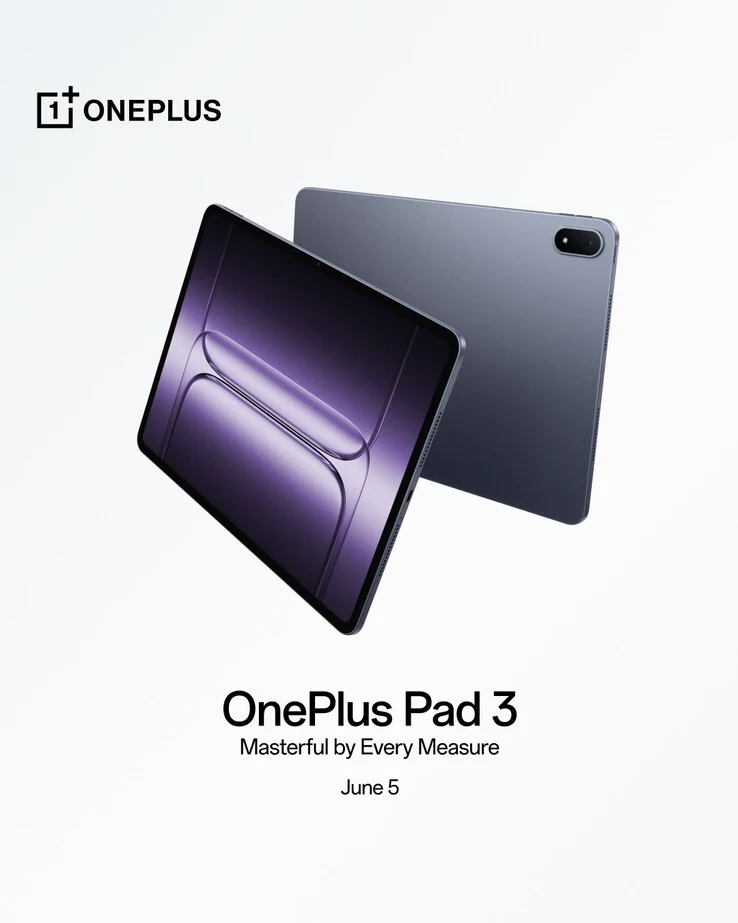
    According to a post on its official X page, OnePlus will be unveiling the OnePlus Pad 3 globally on June 5. When we say globally, we’re mainly talking about Europe, since the announcement was made on the OnePlus Europe page.

    Limited Availability

    Interestingly, there are no updates regarding the OnePlus Pad 3 on the OnePlus US page, suggesting that this launch might only be for the European audience. It’s not yet clear if the tablet will also find its way to the US market in the future.

    Specifications Teased

    The teaser indicates that the OnePlus Pad 3 will be powered by a Snapdragon 8 Elite. While additional specifications of the tablet are still uncertain, it is likely that the OnePlus Pad 3 shares many hardware features with the OnePlus Pad 2 Pro, which was launched in China earlier this month. That device, in fact, is a close relative of the Oppo Pad 4 Pro.

    Source:
    Link


  • Android Smartphones Evolving: Lock Screen Widgets Turn Them into Smart Screens

    Android Smartphones Evolving: Lock Screen Widgets Turn Them into Smart Screens

    Key Takeaways

    1. Google Pixel tablet’s lock screen widgets feature will soon be available for third-party tablets with Android 16.
    2. Android 16 will introduce lock screen widgets for smartphones in standby mode, similar to Apple’s feature for iPhones.
    3. Users may be able to place more than two widgets and create multiple pages in the standby mode.
    4. Standby mode will allow Android smartphones to function as Chromecast receivers for streaming videos and music.
    5. The upcoming Google Pixel 10 series may support magnetic Qi2 chargers without needing a special case.


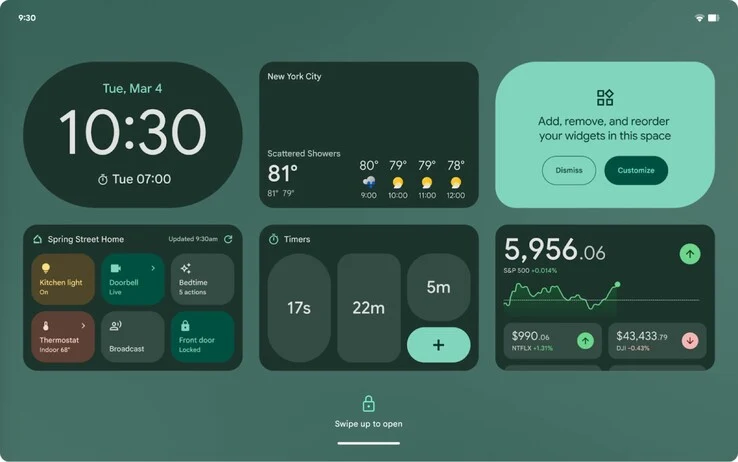
    The Google Pixel tablet can already show widgets on its lock screen, and with the upcoming Android 16, this feature will be available for third-party tablets as well. Recently, Android Authority discovered in the code of a beta version of Android 16 that Google is also working on lock screen widgets for smartphones, planning to incorporate them into a standby mode.

    Standby Mode Features

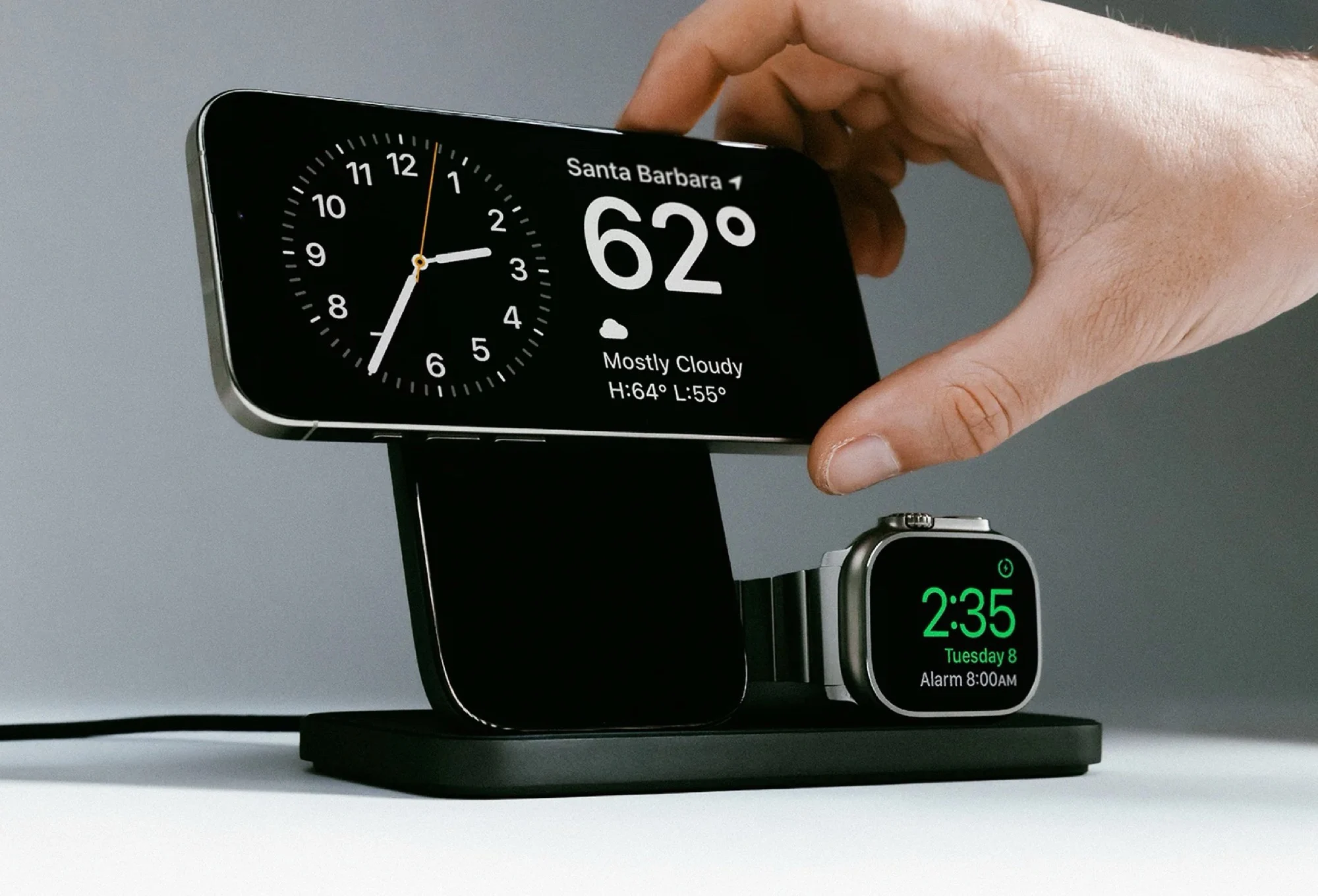
    By doing this, Google seems to be adopting a function that iPhone users have enjoyed for many years: standby mode. This feature automatically activates when an iPhone is on a Qi2 or MagSafe charger and positioned in landscape orientation. Apple allows its users to add up to two widgets, turning the iPhone into a mini smart display that can manage smart home devices or show upcoming calendar events.

    Visual Demonstration

    In the video below, Android Authority showcases an early beta version that illustrates what Google’s lock screen widgets could potentially look like. The video reveals that Google may allow users to place more than two widgets and even create multiple pages of widgets to navigate. There’s a button located in the bottom right corner of the screen that lets users exit this standby mode.

    Hub Mode Capabilities

    Within standby mode, Android smartphones will also act as Chromecast receivers, enabling users to stream videos and music wirelessly to their devices. This feature is reportedly called “Hub Mode.” The development of an alternative to Apple’s standby mode might suggest that the upcoming Google Pixel 10 series will support magnetic Qi2 chargers without needing to purchase a special protective case with magnets.

    Source:
    Link


  • Xiaomi Pad 7 Ultra and 15S Pro Launching This Month with New Chipset

    Key Takeaways

    1. Xiaomi is set to launch its new chipset, XRing O1, later this month.
    2. The XRing O1 chipset will be featured in at least two devices: the Xiaomi 15S Pro and the Xiaomi Pad 7 Ultra.
    3. The Xiaomi Pad 7 Ultra will have a 14-inch OLED display and support 120 W charging, marking it as a flagship tablet.
    4. The global availability of the Xiaomi 15S Pro is uncertain, while the Xiaomi Pad 7 Ultra may be launched internationally.
    5. The unveiling of the Xiaomi 15S Pro, Xiaomi Pad 7 Ultra, and other products will occur later this month in China.


    Xiaomi is getting ready to introduce its new chipset, named XRing O1, which is expected to be released later this month. Rumors suggest that this new SoC will be used in several devices.

    Devices Featuring XRing O1

    Digital Chat Station has reported that Xiaomi plans to include XRing O1 in at least two devices. One of these devices is the Xiaomi 15S Pro, which has been in the news for a while. The other device, however, is more intriguing. It is said that the Xiaomi Pad 7 Ultra will also run on the XRing O1 chipset.

    Specifications of the Xiaomi Pad 7 Ultra

    The Xiaomi Pad 7 Ultra, which was initially called the Xiaomi Pad 7 Max due to its large screen size, is set to be a flagship model in Xiaomi’s tablet range. It is anticipated to offer a 14-inch OLED display—this would be a first for Xiaomi—and support for 120 W charging. The Xiaomi 15S Pro remains a bit of a mystery, but it’s believed to be quite similar to the standard Xiaomi 15 Pro.

    Global Availability and Launch Timeline

    Given that the Xiaomi 15 Pro and earlier S-series models have not been released outside of China, it seems unlikely that the Xiaomi 15S Pro will be available globally either. However, the Xiaomi Pad 7 Ultra might have a different fate, as Xiaomi usually launches most of its tablets in international markets at some point. But this is all just speculation, and we will have to wait and see.

    It is said that the Xiaomi 15S Pro and Xiaomi Pad 7 Ultra will be unveiled later this month in China alongside the XRing O1 chipset. They will also be revealed alongside the Civi 5 Pro, various other gadgets, and Xiaomi’s new electric SUV, the YU7.

    Source:
    Link

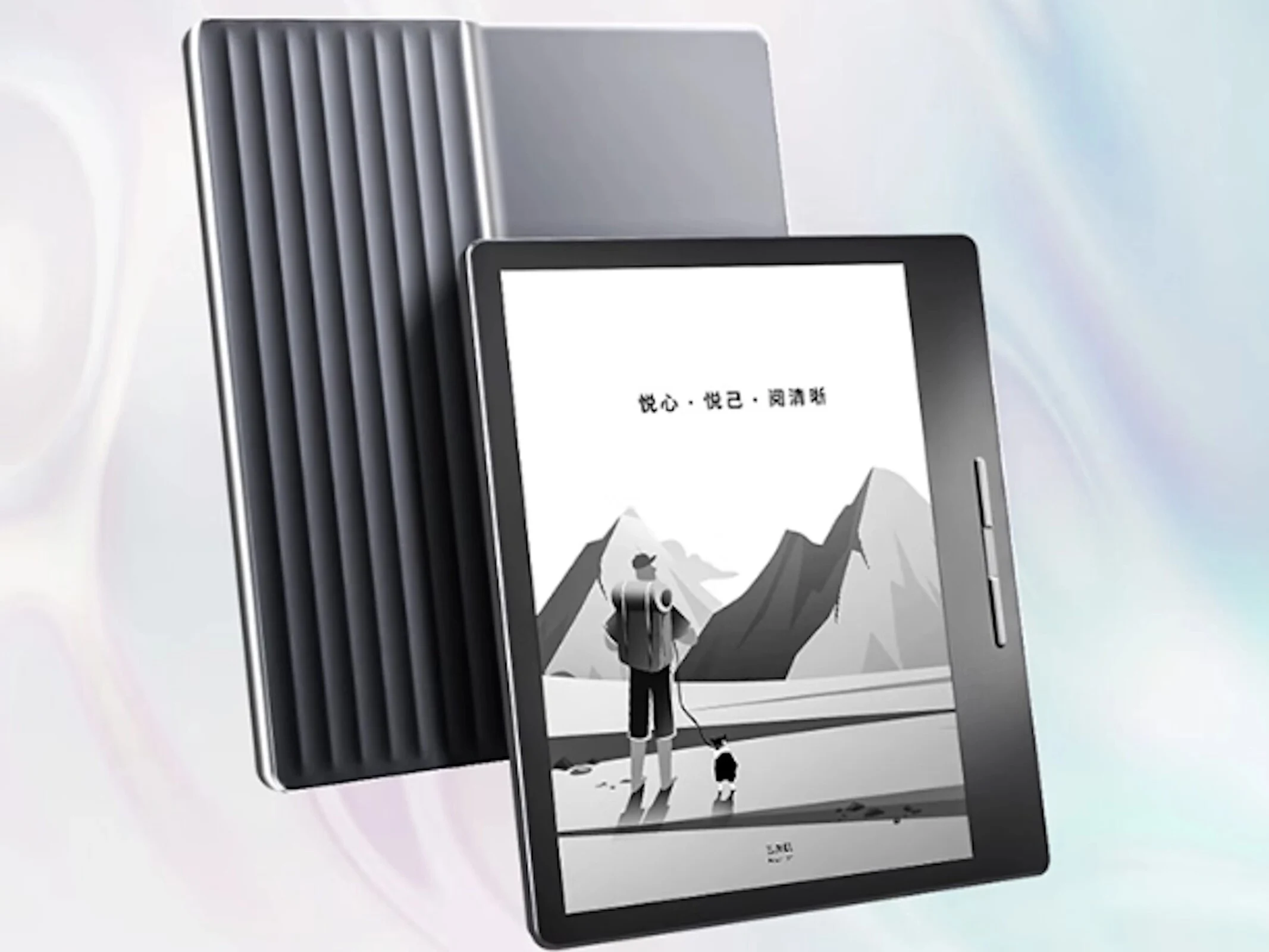
  • Hanvon Clear7 Turbo+: Android E-Reader Like Kindle Oasis

    Hanvon Clear7 Turbo+: Android E-Reader Like Kindle Oasis

    Key Takeaways

    1. The Hanvon Clear7 Turbo+ is an e-reader designed similarly to the Kindle Oasis, featuring an ergonomic grip and a level screen.
    2. It operates on an open system with Android 14, allowing for potential installation of additional apps, though access to the Google Play Store may be limited.
    3. The device is equipped with a Qualcomm SoC, 4 GB of RAM, and 64 GB of internal memory.
    4. It features an E Ink Carta 1300 display with a resolution of 1,264 x 1,680, displaying only grayscale.
    5. Weighing 175 grams, the Hanvon Clear7 Turbo+ is priced around $220 and will launch in China.


    Some months ago, we mentioned the N10 Pro from Hanvon, and now they are introducing another device to their lineup. The Hanvon Clear7 Turbo+ is an e-reader that shares a design resemblance with the Kindle Oasis. The Kindle Oasis features a distinct heel, giving one side a thicker profile that serves as an ergonomic grip, making it easier to hold. The screen is level with the casing and the edges, rather than being set back. Only two buttons are visible on the front, which are clearly intended for turning pages.

    Open System Features

    Unlike the Kindle Oasis, the Hanvon Clear7 Turbo+ operates more like an open system, at least in theory. It runs on Android 14 as its operating system. While accessing the Google Play Store may not be possible, users should be able to install additional apps later, which could enhance the device’s functionality.

    Internal Specifications

    Inside, it houses a Qualcomm SoC with four processing cores, along with 4 GB of RAM and 64 GB of internal memory. The display is an E Ink Carta 1300 screen with a resolution of 1,264 x 1,680, which only displays grayscale, lacking color support. For connectivity, it offers Wi-Fi, and it also supports Bluetooth.

    Weighing in at 175 grams, this e-reader is set to launch in China at a price around $220. A comparable option with similar specifications is the Meebook M8 E-Reader, available on Amazon.

    Source:
    Link

  • Huawei’s Upcoming 8.8-Inch OLED MatePad Tablet: Lightweight Design

    Huawei’s Upcoming 8.8-Inch OLED MatePad Tablet: Lightweight Design

    Key Takeaways

    1. Huawei is preparing to launch a new small tablet, likely part of the MatePad series.
    2. The tablet is expected to have a sleek design, measuring around 5.x mm thick and weighing about 200 grams, with an 8.8-inch OLED display and a 120Hz refresh rate.
    3. It will likely feature a Kirin 9-series chip for moderate performance, suitable for productivity tasks and media streaming, but not aimed at gaming.
    4. The official name and specific details of the tablet are not yet confirmed, but a launch event is expected in June.
    5. The tablet is designed for consumers focused on productivity and office tasks rather than gaming.


    Huawei seems to be prepping for the release of a small tablet shortly. This new gadget, likely part of the MatePad series, is said to have a sleek, lightweight build and moderate performance specs, based on a leak from Digital Chat Station on Weibo.

    Design and Display

    The new MatePad is rumored to be only 5.x mm thick and to weigh about 200 grams. It is expected to have an 8.8-inch OLED screen with a 16:10 aspect ratio and a refresh rate of 120Hz. Reports from Huawei Central suggest that the tech giant might incorporate its dual-layer OLED tech, which was previously utilized in its high-end tablets like the MatePad Pro 12.2, to enhance color accuracy and contrast on the display.

    Performance Specs

    Internally, the tablet is likely to be powered by a Kirin 9-series chip, probably a lower-clocked version of the Kirin 9020 with capabilities for 5G. While this won’t put it in the gaming tablet category, it should provide sufficient power for everyday productivity tasks and media streaming.

    Launch Details

    The official name of the tablet is not yet known, but earlier leaks indicate it could be revealed during Huawei’s launch event in June, which is also anticipated to unveil the Pura 80 series. Unlike tablets designed for gaming, this model is aimed more at consumers who focus on productivity and office tasks while on the move.

    More details about the tablet, such as camera setup, AI functions, and storage options, are still awaited. Huawei has yet to confirm any specifics at this time.

    Source:
    Link

  • Xiaomi Pad 7S Pro: Upcoming Flagship Tablet with 120W Charging

    Xiaomi Pad 7S Pro: Upcoming Flagship Tablet with 120W Charging

    Key Takeaways

    1. The Xiaomi Pad 7S Pro is set to be a high-end tablet with impressive specifications, including 120W wired fast charging.
    2. It features a tall 12.5-inch display, potentially using either OLED technology or a 2K+ resolution LCD.
    3. The tablet is the successor to the Xiaomi Pad 6S Pro, which had a 12.4-inch display with a 3.2K resolution and a 144Hz refresh rate.
    4. Speculation suggests the Xiaomi Pad 7S Pro may be powered by either the Snapdragon 8 Gen 3 or Snapdragon 8s Gen 4 processor.
    5. As an alternative, the Xiaomi Pad 7 Pro is available, offering flagship performance and a bright display.


    A new device from the Xiaomi Pad 7 series might be on its way. The Xiaomi Pad 7S Pro was first mentioned a few months ago, and now a recent leak has shown its high-end positioning. This gives hints about some impressive specifications and features, so let’s dive into what we know.

    Upcoming Xiaomi Pad 7S Pro

    The upcoming Xiaomi Pad 7S Pro was initially spotted on the 3C certification in March 2025. Although the listing didn’t reveal too many details, it did confirm that the tablet will support 120W wired fast charging and carries the model number 25053RP5CC. These specifications already suggest a premium tablet, but known leaker Digital Chat Station has shared additional information ahead of the official reveal.

    What to Expect from the Xiaomi Pad 7S Pro

    According to a recent post on Weibo, Digital Chat Station stated that the Xiaomi Pad 7S Pro is set to be a flagship model. He also mentioned that the tablet will feature 120W fast charging and a tall 12.5-inch display. The exact type of display technology hasn’t been disclosed yet, but it might be either an OLED panel or a 2K+ resolution LCD. As the name indicates, this new tablet is the direct successor to the Xiaomi Pad 6S Pro.

    Previous Model Overview

    To remind you, the Xiaomi Pad 6S Pro was launched in 2024 and came with a 12.4-inch display boasting a 3.2K resolution, a 144Hz refresh rate, and a peak brightness of 900 nits. This model was powered by the Snapdragon 8 Gen 2 SoC. While it wasn’t the newest processor at that time, it still provided excellent performance. We can expect the Xiaomi Pad 7S Pro might come with either the Snapdragon 8 Gen 3 or the Snapdragon 8s Gen 4. However, this is just speculation, so keep that in mind.