Category: Software

  • Google Fined €325 Million by France for GDPR Cookie Violations

    Google Fined €325 Million by France for GDPR Cookie Violations

    Key Takeaways

    1. CNIL fined Google €325 million ($381 million) for breaching GDPR and cookie laws.
    2. Google displayed ads in Gmail without user consent and improperly used tracking cookies during sign-up.
    3. Investigations were prompted by a complaint from privacy group None of Your Business (NOYB) in August 2022.
    4. Google must cease showing ads in user inboxes without approval and comply with future regulations to avoid daily fines.
    5. This is not Google’s first penalty from CNIL; it faced a €50 million fine in 2019 and additional fines in 2020 and 2021 for similar violations.


    France’s data protection agency, known as the Commission Nationale de l’Informatique et des Libertés (CNIL), has imposed a hefty penalty of €325 million ($381 million) on Google for breaching GDPR and cookie laws.

    Consent Issues

    In a recent press release, CNIL pointed out that Google was showing ads within user emails on Gmail without obtaining their permission first and placed tracking cookies for new accounts during the sign-up phase.

    This fine comes after multiple investigations carried out between 2022 and 2023 regarding Gmail, which were initiated due to a complaint from the privacy group None of Your Business (NOYB) in August 2022.

    Advertisements in Gmail

    These investigations uncovered that Google had been displaying ads that were camouflaged as emails in the “Promotions” and “Social” sections of Gmail. CNIL emphasized that user consent was necessary for such advertisements.

    Additionally, another issue raised was how Google prompted users to agree to cookies for Gmail, but it failed to adequately inform them that these cookies would be utilized for displaying personalized ads.

    Future Compliance

    In addition to the substantial fine, Google is now required to take appropriate actions to ensure this does not occur again and must cease showing ads in users’ inboxes without their approval. If Google fails to comply, it could face daily fines of up to €100,000.

    This isn’t the first instance of Google facing scrutiny from CNIL. Back in 2019, the company was fined €50 million for similar GDPR violations related to advertising. Moreover, in 2020 and 2021, Google faced further fines for cookie-related breaches.

    Previous Penalties

    In 2021, the French competition body, Autorité de la Concurrence, also fined Google $590 million in a dispute regarding compensation for news media.

    A spokesperson for Google commented to Reuters that the company is currently reviewing the ruling, claiming that Google has always given users the option to control the advertisements they wish to see.

    Source:
    Link


  • Linux From Scratch 12.4 Released with 49 Updates and Kernel 6.16.1

    Linux From Scratch 12.4 Released with 49 Updates and Kernel 6.16.1

    Key Takeaways

    1. Linux From Scratch (LFS) version 12.4 was released, featuring 146 commits and significant toolchain updates.
    2. Major updates include binutils-2.45, gcc-15.2.0, glibc-2.42, and a new kernel version 6.16.1.
    3. The guide “Beyond Linux From Scratch” (BLFS) is available for free, along with other resources like Automated Linux From Scratch and Gaming Linux From Scratch.
    4. The security advisories section is currently outdated, reflecting changes from version 12.3, but updates are expected soon.
    5. There are two versions of the LFS book, each focusing on different init systems: systemd and SysV.


    Born in December 1999, Linux From Scratch, also known as LFS, was created by Gerard Beekmans. It has just reached its latest version, 12.4, yesterday. The project is mainly maintained by Bruce Dubbs and lets even newcomers build their own Linux systems from the source code, tailored to their specific needs while keeping it lightweight. The guide, which is named Beyond Linux From Scratch (BLFS), is accessible for free on the Linux From Scratch website. Additionally, the site offers other similar resources at no cost, including Automated Linux From Scratch and Gaming Linux From Scratch.

    Key Updates in Version 12.4

    In comparison to the last stable version, Linux From Scratch 12.4 includes a total of 146 commits. Major updates involve toolchain enhancements to binutils-2.45, gcc-15.2.0, and glibc-2.42, along with a newly updated kernel now at version 6.16.1. Since the prior release, 49 packages have been updated. All of these modifications are documented in the book, which can be accessed online or downloaded in various formats.

    Security Advisories and Versions

    For those looking at security advisories, it’s important to note that this section hasn’t been refreshed yet and is still displaying changes from early March 2025, when version 12.3 was released. However, updates to reflect the changes in the book should come soon. Also, it’s worth mentioning that there are two different versions of the book, each focusing on one of the two init systems highlighted by this project: systemd and SysV.

    Source:
    Link


  • Shelly App Update Introduces New Energy Net Metering Feature

    Shelly App Update Introduces New Energy Net Metering Feature

    Key Takeaways

    1. New Energy Metering Tool: Version 3.69.0 introduces an Energy Net Metering tool for devices with Energy Meter, helping users track energy generation versus consumption.

    2. Device Management Enhancements: Simplified backup and restore options, a new one-off timer feature, and expanded compatibility for delay settings.

    3. Scene Calculations Improvements: Scene calculations can now utilize data from voltage, temperature, and humidity for better automation.

    4. User Interface Updates: Enhancements include updated pop-ups, modals, and improved power button controls for a better user experience.

    5. Recent Fixes: Version 3.69.1 resolves issues with energy values and net metering toggles in energy statistics charts.


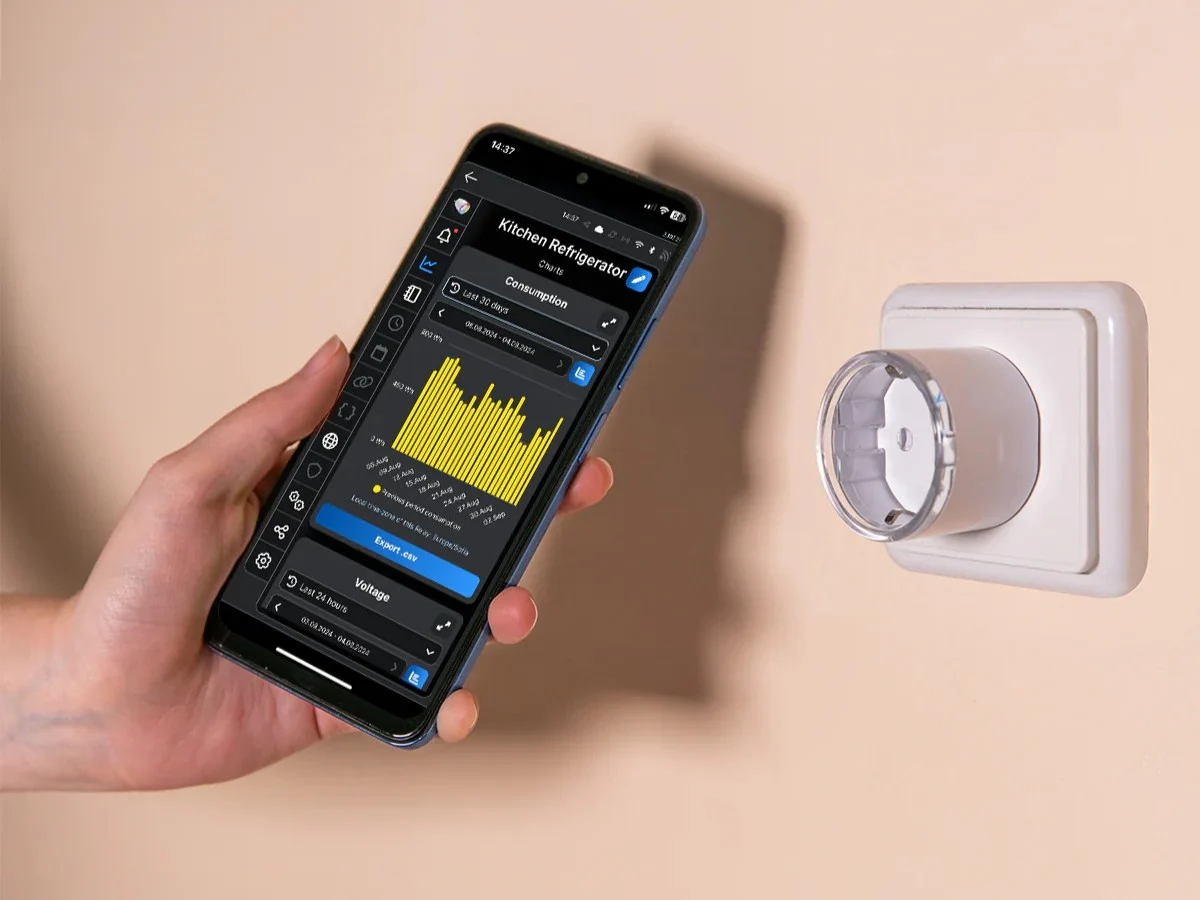
    Shelly Smart Control app has released versions 3.69.0 and 3.69.1 for both iOS and Android users, plus for those using the web app at control.shelly.cloud. This update includes a number of new features.

    New Energy Metering Tool

    In the 3.69.0 update, there’s a brand new Energy Net Metering tool available for Shelly devices equipped with Energy Meter (EM), such as the Shelly EM Gen3 and the Shelly Pro 3EM (120A version currently priced at $128.99 on Amazon). This feature allows users to monitor their net metering, which shows when excess energy is sent back to the local grid. To activate this option, go to User Settings > Shelly Labs. This can help users get a better grasp of their energy generation versus consumption.

    Device Management Enhancements

    Shelly has also made it simpler to back up and restore device settings from an existing device. A new one-off timer feature has been added, allowing a device to turn on or off after a specified time. The ‘delay’ feature is now compatible with additional action types, like scenes and alarms. Moreover, scene calculations can incorporate data from voltage, temperature, and humidity. Additionally, improvements have been made, including updated pop-ups and modals, along with enhancements for power button controls.

    Recent Fixes

    The latest version 3.69.1 addresses problems related to energy values for the Shelly PM Mini Gen3 and the toggle for net metering in the in-app energy statistics charts. You can check the full change log for these updates in the Shelly forum.

    Source:
    Link


  • Samsung Galaxy S23 One UI 8 Beta Now Available with Android 16

    Samsung Galaxy S23 One UI 8 Beta Now Available with Android 16

    Key Takeaways

    1. The One UI 8 beta for Galaxy S23 introduces major updates based on Android 16, including a redesigned Quick Share and revamped Samsung Internet browser.
    2. Functional enhancements include improved Samsung DeX with external display support, upgraded Calendar and Reminders apps, and new privacy features in the Secure Folder.
    3. New features in the update include a Voicemail feature, improved split-screen multitasking, and preset routines for task automation.
    4. Accessibility options have been added, allowing users to control mouse actions with a keyboard and enlarge the on-screen keyboard.
    5. The One UI 8 beta is currently available in select regions like India, with plans for a wider rollout, and users can join the beta program via the Samsung Members app.


    The wait is finally over for those who own the Galaxy S23 and have been excited to see what’s next in software updates. Samsung has now rolled out the first One UI 8 beta for the Galaxy S23 series, introducing a variety of new features based on Android 16. Recently, the One UI 8 beta has also been made available for the Galaxy S24 series.

    Major Changes Introduced

    This beta version, which includes the September 2025 security patch, brings major updates throughout the device. One of the notable changes is the redesigned Quick Share, which now features a full-screen layout to make file sharing easier. Additionally, the Samsung Internet browser has been revamped for a more user-friendly experience, while the default Weather app has a fresh and more intuitive look.

    Functional Enhancements

    In addition to visual updates, One UI 8.0 beta offers numerous functional enhancements for the Galaxy S23 series. The new Samsung DeX now allows support for external displays with additional rotation options, making it more practical. AI Select has also been improved for greater convenience. Furthermore, the Calendar and Reminders applications have received updates that make it simpler to add and manage tasks, while the Secure Folder has new privacy features, including the option to hide apps and notifications.

    Additional Features

    There are also several smaller yet beneficial features included in this update. A new Voicemail feature has been added, along with an improved split-screen view for enhanced multitasking capabilities, and new preset routines to make task automation easier. For those needing accessibility options, new settings have been introduced to control mouse actions using a keyboard and to enlarge the on-screen keyboard for simpler typing.

    Currently, the One UI 8 beta for the Galaxy S23 is only accessible in select regions, such as India, but it is expected to roll out to more countries soon. If you’re interested in trying it out, you can sign up for the beta program through the Samsung Members app. Just remember that this software is still in beta, so you might run into some bugs. Reporting any performance issues you discover is vital, and you can do this directly via the Samsung Members app.

    Source:
    Link


  • Sony FeliCa Vulnerability in IC Transport Cards Before 2017

    Sony FeliCa Vulnerability in IC Transport Cards Before 2017

    Key Takeaways

    1. Certain FeliCa contactless IC cards issued before 2017 are at risk of unauthorized data access and alterations.
    2. FeliCa cards are widely used in Japan for public transport and payments, and have also been adopted in several other countries.
    3. The security flaw was discovered by third parties and reported to Sony based on Japan’s Information Security Early Warning Partnership Guidelines.
    4. Cardholders with affected cards should transfer their account balances to newer cards, as the flaw allows cybercriminals to steal data despite encryption.
    5. Electronic wallets on smartphones or smartwatches are not affected by this issue, but users should consider offline wallets for additional protection against hacking.


    Sony has announced that certain FeliCa contactless IC cards that were sent out before 2017 could be at risk of unauthorized data access and alterations. FeliCa cards are quite popular in Japan, where they serve as trains, ID, and payment cards. This system has also been adopted in other nations such as the United States, Bangladesh, Hong Kong, Indonesia, and Thailand.

    Usage in Public Transit

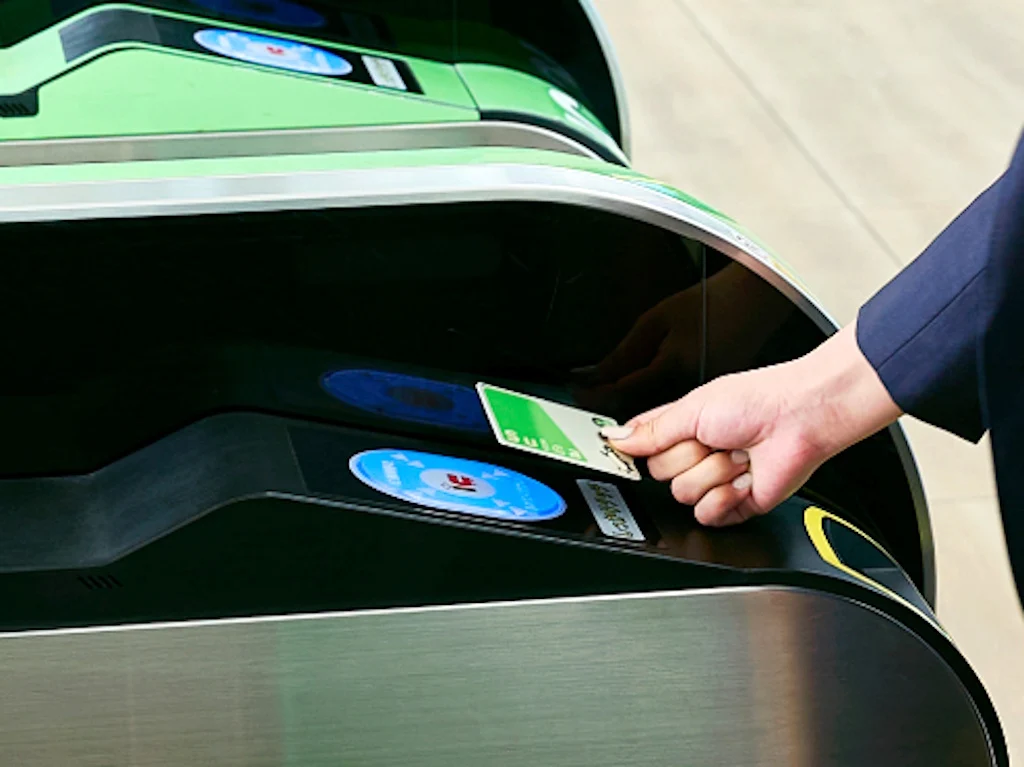
    Visitors to Japan are likely to come across FeliCa in the form of public transport cards, like the Suica or Pasmo, which are utilized in Tokyo’s JR East and Pasmo train and bus systems. These NFC cards can be loaded with cash beforehand and used for travel. Additionally, they can be employed to buy snacks, meals, and other items at vending machines, restaurants, and retail stores that accept this payment method.

    Security Concerns

    While Sony hasn’t provided specifics about the security issue, it was third parties that found the flaw and alerted Sony as part of the “Information Security Early Warning Partnership Guidelines” set by the Information Technology Promotion Agency (IPA). This is a collaborative security framework in Japan aimed at reducing potential harm.

    Recommendations for Cardholders

    The flaw in these IC cards permits cybercriminals to access and alter data even with AES/DES encryption in place, which could lead to the theft of account balances. Those who own cards from before 2017 should move their account balances to a newer card quickly. However, electronic wallets stored on smartphones or smartwatches are not affected by this issue.

    The finding of this vulnerability serves as a reminder that electronic devices are likely to be hacked eventually. Users with Bitcoins in digital wallets or accounts might want to think about getting an offline wallet, like the one available on Amazon, to protect their assets, since hackers have taken millions in cryptocurrencies from various online platforms.

    Source:
    Link


  • Honor Android 16 Beta Plans Leak with Expected Release Date

    Honor Android 16 Beta Plans Leak with Expected Release Date

    Key Takeaways

    1. MagicOS 10 is expected to debut with the upcoming Magic8 flagship smartphone, along with successors to Magic7 and Magic7 Pro.
    2. The new device lineup is anticipated to launch around October 2025, following the Snapdragon 8 Elite-series chipset reveal in September.
    3. A potential delay has been reported, with the next public beta of MagicOS possibly not releasing until September 2025.
    4. Future versions of MagicOS may feature design elements inspired by iOS 26, including Liquid Glass and notification stacking.
    5. MagicOS 10 is expected to have a design that is significantly different from the AI-focused MagicOS 9.


    MagicOS 10 is believed to make its debut on a Mini and/or Ultra version of the upcoming Magic8 flagship smartphone, alongside successors to the Magic7 and Magic7 Pro.

    Release Timeline

    The new lineup is expected to start showing up around October 2025, despite the fact that the powerful Snapdragon 8 Elite-series chipset, which many of these devices might rely on, is set to be officially unveiled by September.

    Possible Delays

    Recently, a potential reason for the delay has surfaced. The well-known leaker Wangzai Know-it-All has reported that Honor’s MagicOS product manager indicated that the next public beta might not be released until September 2025. This version is already trailing behind other Android 16-based systems like HyperOS 3 and ColorOS 16. However, the latest leak hints that when it does launch, it will be rolled out to a significantly larger group of testers.

    iOS Influence?

    In the meantime, another leaker, Digital Chat Station, claims that several of these new OS versions will closely resemble iOS 26, featuring unique UI elements such as Liquid Glass and notification stacking.

    It’s unclear if MagicOS 10 will adopt this approach, yet Wangzai Know-it-All has already mentioned that its design will be notably distinct from the AI-focused MagicOS 9, especially at first sight.

    Source:
    Link


  • New Health Connect Data Tracking Features Discovered

    New Health Connect Data Tracking Features Discovered

    Key Takeaways

    1. Google Health Connect may soon allow users to track nicotine and alcohol consumption.
    2. Current features include tracking activities, nutrition, sleep quality, and health metrics like heart rate.
    3. Users can log nicotine intake based on specific types of cigarettes or vapes.
    4. A developing feature for tracking alcohol consumption has also been found in the app’s code.
    5. Data on nicotine and alcohol will likely come from third-party apps integrated with Health Connect.


    Google Health Connect users may soon have the ability to monitor their consumption of nicotine and alcohol. The Health Connect application allows Android users to access information gathered from various sources, such as connected smartwatches or smart scales, alongside integrated apps. Currently, users can track their activities, nutrition, sleep quality, and health metrics like heart rate through the app.

    New Tracking Features Identified

    A recent report by Android Authority has highlighted that tracking for nicotine and alcohol has been discovered within a Health Connect APK. The code suggests that users will have the capability to log their nicotine intake based on specific types of cigarettes or vapes. Additionally, a less developed feature for tracking alcohol consumption has also been detected in the app’s code. These features could be beneficial for individuals looking to keep tabs on their progress while trying to quit smoking or cut back on these substances.

    Integration with Third-Party Apps

    According to Android Authority, this data regarding nicotine and alcohol consumption will likely be gathered through third-party applications that will work in conjunction with Health Connect. It is still unclear when Google will unveil these new tracking capabilities to users of the Health Connect app.

    Source:
    Link


  • First HyperOS 3 Beta Update Released for 8 Xiaomi Devices

    First HyperOS 3 Beta Update Released for 8 Xiaomi Devices

    Key Takeaways

    1. Eight Xiaomi devices will receive the initial beta version of HyperOS 3 with Android 16.
    2. Users need to sign up for the beta testing program to download the test build.
    3. Seven additional devices will get the HyperOS 3 beta starting September 17, 2025, with 10 more by September 30.
    4. HyperOS 3 features a redesigned user interface and introduces Super Island, similar to Apple’s Dynamic Island.
    5. The update promises a 30% boost in system efficiency and improved security with detailed app permission management.


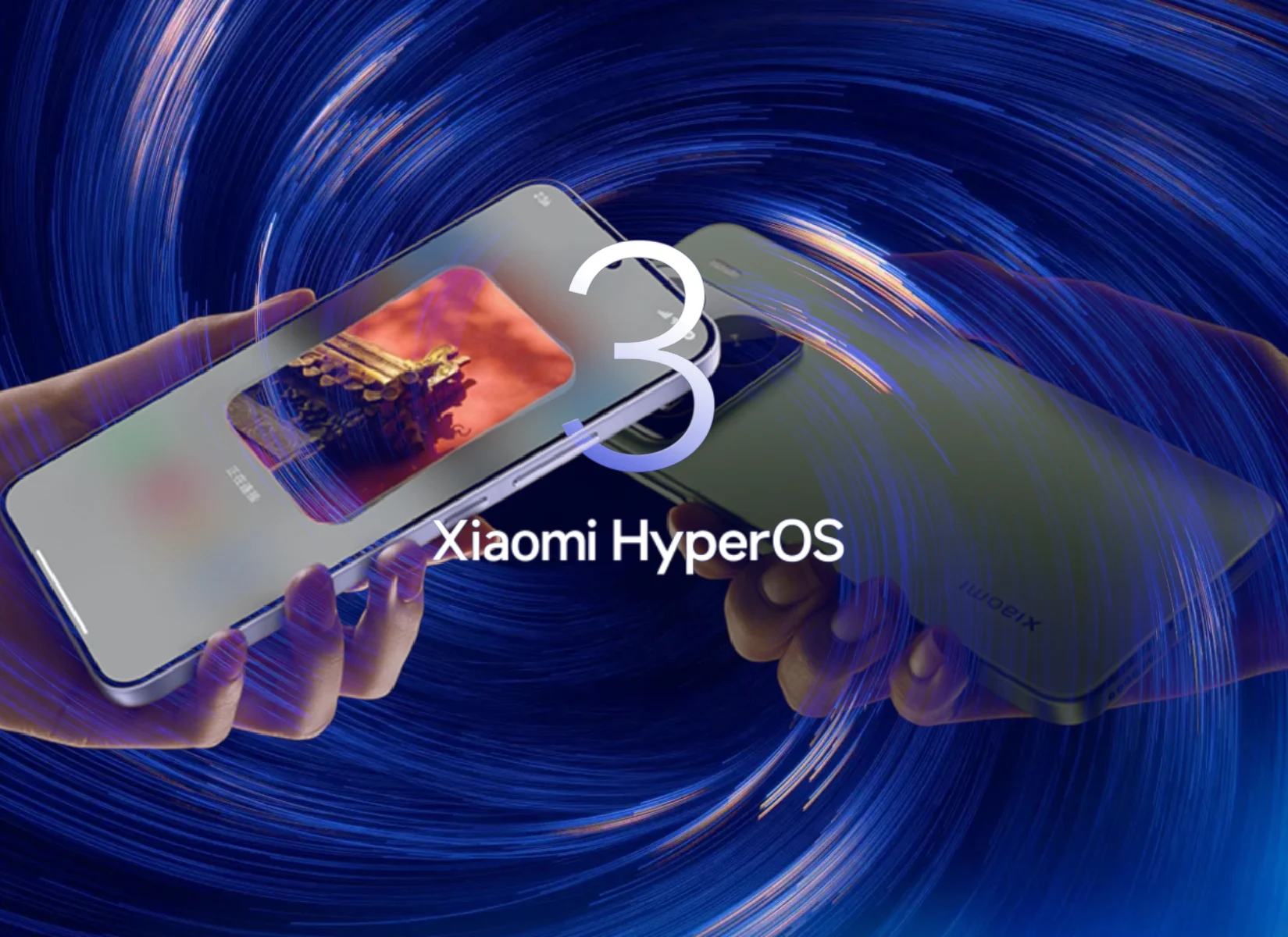
    Following the recent reveal of Xiaomi HyperOS 3, eight devices have been selected to receive the initial beta version of the Android 16 update. As mentioned in our previous discussions, the devices that are first on the list to receive this test build are:

    Users with these specific models must sign up for the beta testing program in order to download the test build update. For more details on how to enroll, take a look at Xiaomi’s beta tester recruitment guide. Additionally, seven more devices are slated to receive the HyperOS 3 beta next, which include:

    Upcoming Device Releases

    This second group of devices will start to receive the new update on September 17, 2025. Then, by September 30, an additional 10 devices will also get the beta update. For anyone who may have missed our earlier report, HyperOS 3 introduces a significant redesign in terms of user interface and aesthetics. A standout feature is Super Island, which is Xiaomi’s take on Apple’s Dynamic Island.

    Performance Enhancements

    Xiaomi asserts that this update includes numerous enhancements aimed at boosting system performance and overall user experience. The company claims there is a 30% increase in overall system efficiency, while gaming performance could see an improvement of up to 15%.

    HyperOS 3 is also said to provide better security compared to earlier versions of the Android interface. Xiaomi has highlighted that this update includes detailed app permission management, granting users more control over which apps can access sensitive data. For more information about this new Xiaomi software update, check out the video below.

    Source:
    Link


  • Legal Win Against YouTube After 5.5 Years of Battle

    Legal Win Against YouTube After 5.5 Years of Battle

    Key Takeaways

    1. Noyb filed an access request under GDPR for personal data from major streaming services, but companies like Apple, Amazon, and Google did not comply.
    2. After five years of legal action, the Austrian Data Protection Authority ruled in favor of noyb, supporting users’ rights to personal data.
    3. Google attempted to delay the process through legal maneuvers, including trying to move the case to Ireland.
    4. Prolonged legal battles drain resources from NGOs and hinder individuals’ rights, making it difficult for them to advocate for themselves against large corporations.
    5. If Google does not appeal, it must comply with the information request, but the potential for fines and legal costs remains uncertain.


    What has been a completely normal process has extended over several years. A while back, the data protection group noyb made an “access request” for personal data to major streaming services like Amazon, Apple Music, Spotify, Netflix, and YouTube. As per GDPR (Article 15), these companies are “required to provide users with a copy of their personal data, along with extra information about how it is processed, including the sources and recipients of the data, the reasons for processing, and how long the data will be kept.”

    Companies’ Non-compliance

    Despite the requests, all contacted companies either couldn’t or didn’t want to meet these demands. In January 2019, noyb took action by filing a complaint against eight firms, including Apple, Amazon, and Google, with the Austrian Data Protection Authority (DSB). Now, after more than five years, a ruling has finally been made: the DSB has sided with noyb.

    Delays and Legal Maneuvers

    During these five years, Google has found numerous ways to stall what should be a straightforward process. For instance, they tried to move the case to Ireland, where, according to noyb, the enforcement of data protection has notable flaws. Noyb has expressed confusion over why a multi-billion dollar corporation would prefer a prolonged legal battle rather than simply honoring users’ rights to information.

    Impact on Individuals and NGOs

    These drawn-out legal proceedings not only drain resources from NGOs like noyb but also strip individuals of their basic rights. Ordinary people find it challenging to stand up against such practices. Often, they feel compelled to give up their rights or endure years of waiting for them to be enforced, especially if they consider entering a lengthy and expensive legal fight against a massive corporation.

    If Google decides not to appeal, it will have to fully comply with the information request. The noyb report does not mention if the proceedings may also lead to a fine, leaving that uncertain. However, Google will probably need to cover the legal expenses stemming from this loss.

    Source:
    Link


  • Android to Block Sideloading of Unverified Apps in 2024

    Android to Block Sideloading of Unverified Apps in 2024

    Key Takeaways

    1. Google will require all apps installed from outside of Google Play to be registered by verified developers starting September 2026.
    2. Developers must complete a two-step verification process, including identity confirmation and proof of app ownership.
    3. Sideloading will still be allowed, maintaining developers’ freedom to distribute apps directly to users.
    4. The new requirement will first roll out in Brazil, Indonesia, Singapore, and Thailand in September 2025, with a global rollout planned for 2027.
    5. Google has launched a new Android Developer Console to assist developers who do not use Google Play for app distribution.


    Google has recently introduced a new security feature for Android that mandates all apps installed from outside of Google Play to be registered by a verified developer. This “developer verification” rule will be put into action in September 2026 for certified Android devices, which are those that come with Play Protect. According to Google, this move aims to combat malware, as they found that users are 50 times more likely to encounter malware when downloading apps from sources sideloaded from the internet.

    Verification Steps for Developers

    To get verified, developers will need to go through a two-step process. Initially, they must confirm their identity by submitting personal or business IDs, which include their legal name, email address, home address, phone number, and website verification. The second step requires developers to demonstrate ownership of their applications by providing the unique package name and signing keys associated with the apps.

    Sideloading Still Allowed

    Google emphasizes that this change won’t eliminate sideloading, stating that “developers will still have the same freedom to directly distribute their apps to users through sideloading or to use any app store they see fit.” They compare the process to an “ID check at an airport,” which verifies a traveler’s identity without interfering with the security checks of their baggage.

    Global Rollout

    The new requirement will first be implemented in Brazil, Indonesia, Singapore, and Thailand in September next year, with plans for a worldwide rollout set for 2027 and later. To assist developers who do not use Google Play for distribution, Google has launched a new Android Developer Console. Additionally, they are developing a different version of the Android Developer Console aimed at hobbyist developers and students.

    Source:
    Link