Category: Phones

Stay updated with the latest phone news, reviews, and trends. Discover cutting-edge smartphones, features, and innovations in our Phones category at GizNewsDaily

  • Motorola Razr 50, Razr 50 Ultra: Leaked Renders & Specs Revealed

    Motorola Razr 50, Razr 50 Ultra: Leaked Renders & Specs Revealed

    Motorola’s upcoming flip phones have been revealed in a significant new leak. The Razr 50 and Razr 50 Ultra’s official images and key details have emerged, giving us a comprehensive look at these devices. Here’s all the information you need.

    Motorola Razr 50 & Razr 50 Ultra

    Razr 50

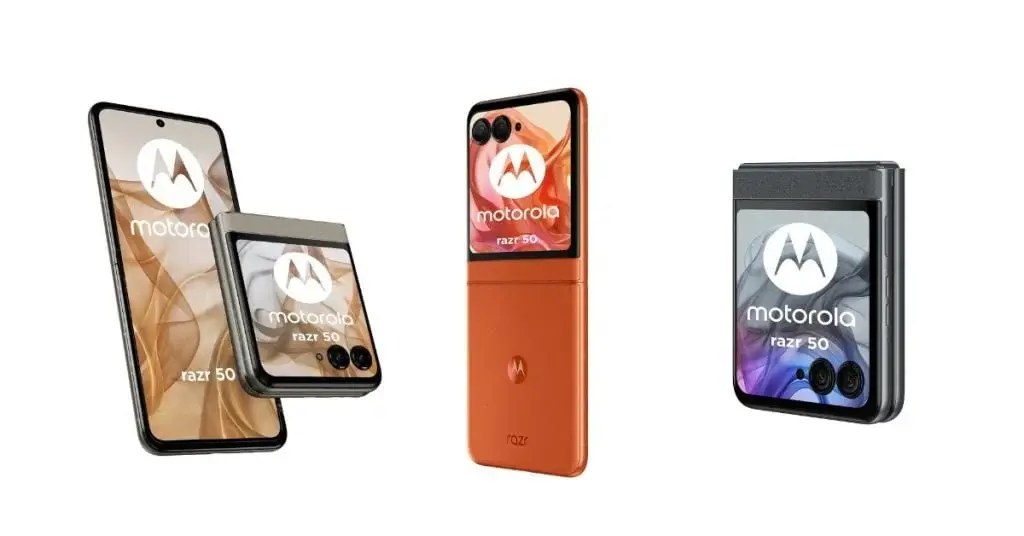
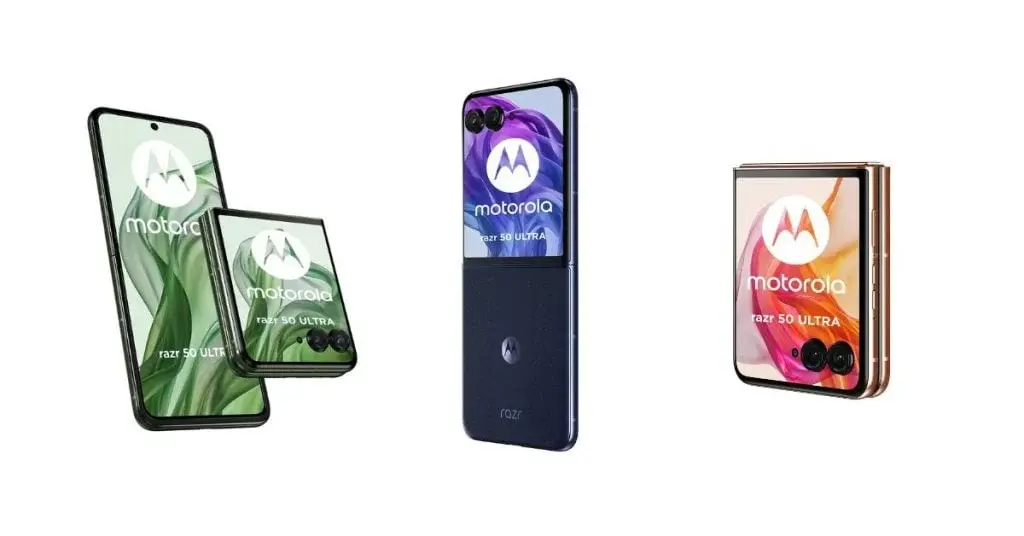
    Last week, we detailed another leak that included images and specifications of the Razr 50 series. Now, Evan Blass has released more official images, showcasing the design and color options of both models. The base model features significant design improvements, including a larger 3.63-inch pOLED cover display, a notable upgrade from the Razr 40’s 1.5-inch external screen. The back panel also has a leather finish, adding a premium feel. The Razr 50 Ultra follows a similar design language but boasts a larger 4-inch cover screen.

    The main screen on both phones is a 6.9-inch pOLED panel with a 1.5K resolution and a 120Hz refresh rate (165Hz on the Razr 50 Ultra). Internally, the base variant is powered by the Dimensity 7300X SoC, while the Ultra model uses the Snapdragon 8s Gen 3 SoC. Both models will run Android 14 out of the box. The standard flip phone might come with 8GB of RAM, 256GB of internal storage, and a 4,200mAh battery.

    Razr 50 Ultra

    Conversely, the Razr 50 Ultra is expected to include 12GB of RAM, 256GB of internal storage, and a 4,000mAh battery. In terms of camera capabilities, the Ultra sports two 50-megapixel sensors on the back and a 32-megapixel front-facing camera. The base model has a 50-megapixel primary lens and a 13-megapixel secondary lens on the rear, with a 13-megapixel front camera.
    Motorola Razr 50, Razr 50 Ultra: Leaked Renders & Specs Revealed
  • Vivo Y200 GT, Y200t Launched: Snapdragon 7 Gen 3, 6 Gen 1

    Vivo Y200 GT, Y200t Launched: Snapdragon 7 Gen 3, 6 Gen 1

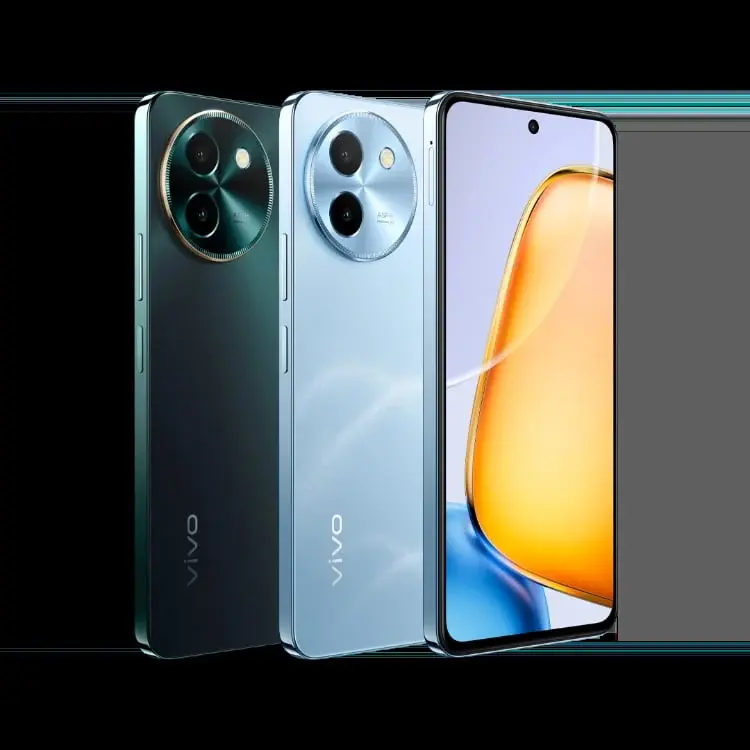
    Vivo has introduced the Y200t and Y200 GT smartphones in China. The Y200t features an LCD screen and is powered by the Snapdragon 6 Gen 1 processor, while the Y200 GT comes with an AMOLED display and a more advanced Snapdragon 7 Gen 3 chip. Both smartphones are equipped with a dual-camera setup featuring a 50-megapixel primary lens and a substantial 6,000mAh battery. Below are the detailed specifications, features, and prices for both models.

    Vivo Y200t, Y200 GT Specifications and Features

    Vivo Y200t

    The dimensions of the Vivo Y200t are 165.7 x 76 x 7.99mm, and it weighs 199 grams. It sports a 6.72-inch IPS LCD screen with FHD+ resolution and a refresh rate of 120Hz. The front camera is 8 megapixels, while the rear dual-camera setup includes a 50-megapixel main sensor and a 2-megapixel depth sensor.

    The Y200t is powered by the Snapdragon 6 Gen 1 chipset, paired with up to 12 GB of LPDDR4x RAM and up to 512 GB of UFS 2.2 storage. It includes a 6,000mAh battery that supports 44W fast charging. For security, it features a side-mounted fingerprint scanner.

    Vivo Y200 GT

    The Vivo Y200 GT measures 163.72 x 75.88 x 7.98mm and weighs 194 grams. It boasts a 6.78-inch AMOLED display with a 1.5K resolution and a 144Hz refresh rate. The front-facing camera is 16 megapixels, and the rear setup includes a 50-megapixel primary camera and a 2-megapixel depth lens.

    The Y200 GT is equipped with the Snapdragon 7 Gen 3 chipset, along with up to 12 GB of LPDDR4x RAM and up to 512 GB of UFS 2.2 storage. The device houses a 6,000mAh battery with 80W fast charging. It also comes with an in-display fingerprint scanner for security.

    Both the Vivo Y200 GT and Y200t run on OriginOS 4, based on Android 14. They offer connectivity options like dual SIM, Wi-Fi, Bluetooth 5.2 (Y200t) / Bluetooth 5.4 (Y200 GT), and a USB-C port. The Y200t includes a 3.5mm audio jack, while the Y200 GT does not.

    Vivo Y200t, Y200 GT Price and Availability

    The Vivo Y200t and Y200 GT are available in China in four configurations: 8GB+128GB, 8GB+256GB, 12GB+256GB, and 12GB+512GB. The Y200t is priced at 1,199 Yuan ($170), 1,299 Yuan ($185), 1,499 Yuan ($210), and 1,699 Yuan ($240), respectively, and comes in Qingshan (blue) and Aurora (green) color options. In contrast, the Y200 GT variants are priced at 1,599 Yuan ($225), 1,799 Yuan ($250), 1,999 Yuan ($280), and 2,299 Yuan ($325), respectively, and are available in Storm and Thunder colors.

    Vivo Y200

    The Y200 series also includes the Y200i and Y200 models. The Y200i, released in China in April, is powered by the Snapdragon 4 Gen 2 chip. The Vivo Y200, which shares the same specs as the Y200t, features a distinct rear design and is available in black, white, and orange colors. Notably, the Y200 variants are priced higher at 1,599 Yuan ($225), 1,799 Yuan ($250), 1,999 Yuan ($280), and 2,299 Yuan ($325), respectively.

  • Redmi Turbo 3 Mirror Porcelain White Launched: Real Photos Revealed

    Redmi Turbo 3 Mirror Porcelain White Launched: Real Photos Revealed

    Redmi has introduced a new color version of the Turbo 3 in China, named Mirror Porcelain White, now making it the fourth color option for this model. In conjunction with the new color launch, the company has also announced a 100 Yuan discount for the Turbo 3.

    Redmi Turbo 3 gets a price reduction

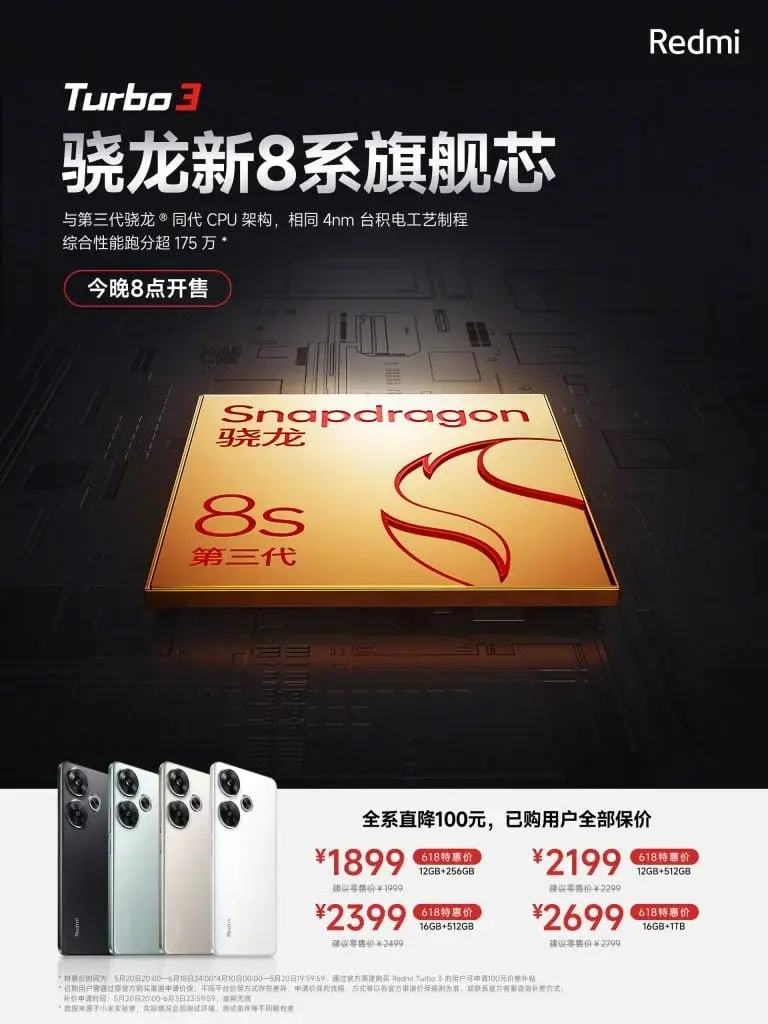
    When the Redmi Turbo 3 was initially released in April, it was available in three color options. The base model with 12 GB RAM and 256 GB storage was priced at 1,999 Yuan (around $280). The 12 GB + 512 GB variant and the 16 GB + 512 GB variant were priced at 2,299 Yuan (approximately $325) and 2,499 Yuan (around $350) respectively. As indicated in the promotional poster, all three variants now come with a 100 Yuan discount. It’s currently unclear whether this price reduction is permanent.

    Introduction of Redmi Turbo 3 Mirror Porcelain White

    Zhang Yu has shared real-life images of the new Mirror Porcelain White variant, showing that it features a white frame on the front and a white back panel. Besides the new white option, the phone continues to be available in Titanium, Green Blade, and Black Crystal color shades.

    Specifications of Redmi Turbo 3

    The Redmi Turbo 3 boasts a 6.67-inch OLED screen with a 1.5K resolution and a 120Hz refresh rate. It has a 20-megapixel front camera for selfies, and on the back, it features a 50-megapixel Sony LYT-600 main camera with OIS support, paired with an 8-megapixel Sony IMX355 ultra-wide lens.

    Powered by the Snapdragon 8s Gen 3 chipset, the phone includes LPDDR5x RAM, UFS 4.0 storage, and a 5,000mAh battery that supports 90W fast charging. It operates on Android 14 with a layer of HyperOS on top.


  • Huawei HarmonyOS NEXT Mimics Apple with Internal App Distribution

    Huawei HarmonyOS NEXT Mimics Apple with Internal App Distribution

    For years, iPhone users have used enterprise certificates to install apps not approved by Apple’s App Store. Now, Huawei’s HarmonyOS NEXT seems to be adopting a similar strategy.

    Recently, Huawei introduced a new method for sideloading apps on its OS. Developers will compile and package their apps with certificates and profiles issued internally by their organization.

    Uploading and Installation

    The final package and a description file are then uploaded to a server or cloud storage for users to download and install directly. These apps are designed for specific user groups, such as internal enterprise tools or programs.

    Intended Use and Limitations

    Huawei states that this feature is meant for “HarmonyOS applications that are not suitable or do not want to be publicly released on Huawei App Market.” Developers can also use Huawei’s AppGallery Connect (AGC) for small-scale distribution through designated channels.

    However, this method has limitations. It currently supports only HarmonyOS apps built using the Stage model, and features like meta-services are not compatible yet. Users must manually enable the app by navigating to Settings > System > Enterprise Device and Application Management > Enterprise Application Management and granting permission.

    Flexibility and Security Concerns

    Huawei’s move isn’t surprising. Sideloading apps provides significant flexibility, especially for developers seeking to bypass App Market approval for specific use cases. However, it could also pose security risks. Unlike the curated App Market offerings, sideloaded apps lack official oversight, increasing the potential for malware or compromised software.

  • Android 15 Boosts Battery Standby by 3 Hours with Faster Doze Mode

    Android 15 Boosts Battery Standby by 3 Hours with Faster Doze Mode

    At the recent Google I/O developer conference, Google introduced several new features for Android 15, focusing on enhancing user privacy and security. However, one of the standout features promises to improve battery life for all users.

    Enhanced Doze Mode

    Android 15 brings an optimization to Doze mode, a feature already embedded in the operating system designed to conserve battery when the phone is not in use. The key improvement is the speed at which devices enter Doze mode. Google claims that devices running Android 15 will enter Doze mode 50% faster than those on Android 14.

    Doze mode conserves battery by limiting background activities and app access to system resources when the phone is idle for extended periods. This results in reduced battery drain, particularly from apps that may run unnecessary background processes.

    Battery Life Impact

    According to Google’s internal tests, the quicker activation of Doze mode could result in up to three additional hours of standby time on some devices. However, the exact benefit may vary depending on the hardware and usage patterns of the specific device.

    This enhancement will be available for all devices updating to Android 15, leading to a general improvement in battery life across the board.

    Wear OS 6 Integration

    In addition, this feature is expected to be included in Wear OS 6, the upcoming version of the smartwatch operating system based on Android 15. Although a release date for Wear OS 6 hasn’t been confirmed yet, it is anticipated to launch sometime next year.

    The improvements to Doze mode in Android 15 mark a significant step toward better battery management for Android users. While the exact impact may vary from device to device, the faster transition to Doze mode offers a promising enhancement for extending standby battery life.

  • Vivo X Fold 3 Pro India Launch Teased on Flipkart Microsite

    Vivo X Fold 3 Pro India Launch Teased on Flipkart Microsite

    Vivo is gearing up to launch its X Fold 3 Pro in the Indian market, with an anticipated release scheduled for early June. This device stands out as one of the most powerful foldable smartphones currently available, boasting impressive performance specs and a robust camera system.

    Official Tease on Flipkart

    The company has now hinted at the imminent launch of the device via a Flipkart microsite. Although the microsite does not divulge specific details about the device's specs or features, it is expected that the Indian variant will mirror the specifications of the Chinese model.

    Vivo X Fold 3 Pro (Indian Model) Expected Specifications

    The Indian model of the Vivo X Fold 3 Pro is anticipated to feature an 8.03-inch primary display and a 6.53-inch external display. The inner display will have a resolution of 2,748 x 1,172 pixels, while the outer display will offer 2,480 x 2,200 pixels. Both screens will incorporate LTPO technology and support refresh rates of up to 120Hz, with a peak brightness of 4,500 nits. Security will be enhanced by an ultrasonic fingerprint scanner.

    The device will be powered by a Snapdragon 8 Gen 3 processor, coupled with up to 16GB of LPDDR5 RAM and 1TB of UFS 4.0 storage. It will house a 5,700mAh battery that supports 100W wired fast charging and 50W wireless charging. The camera setup is expected to include a 50MP main camera, a 50MP ultra-wide lens, and a 64MP periscope lens with 3x optical zoom. A 32MP front camera and the V3 imaging chip from Vivo will also be part of the package.

    Additional features will include stereo speakers, wireless hi-fi audio support, Wi-Fi 7, dual 5G SIM slots, and NFC support.

  • “Upcoming CMF Phone (1): A Redesigned Nothing Phone (2a)?”

    “Upcoming CMF Phone (1): A Redesigned Nothing Phone (2a)?”

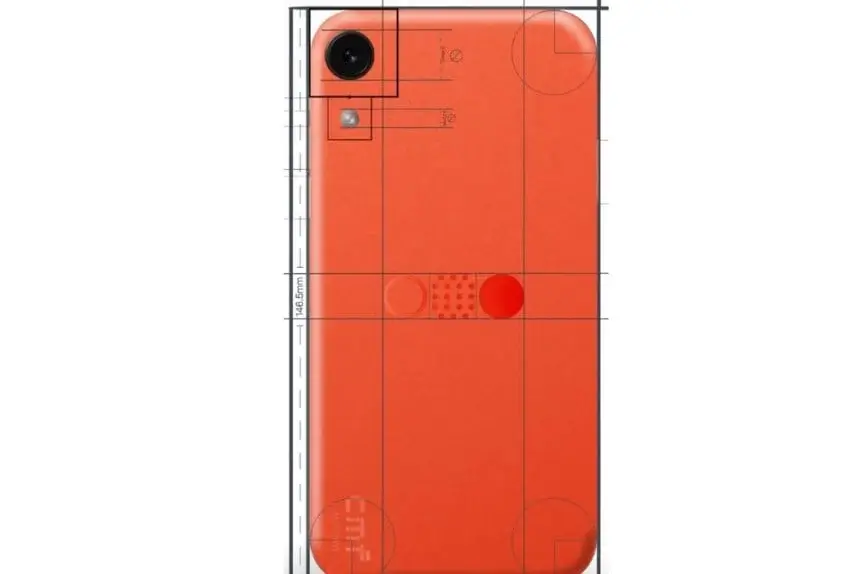
    Nothing's sub-brand CMF, which emphasizes Color, Material, and Finish, is gearing up to introduce its inaugural smartphone soon. Earlier reports this month indicated that it might be a budget-friendly device packed with impressive features. Recently, a leak from tipster @realMlgmXyysd on X (formerly known as Twitter) has unveiled the specifications of the forthcoming CMF smartphone, hinting that it could be a rebranded variant of the Nothing Phone (2a).

    Specifications Revealed

    According to the post on X, the tipster suggests that the engineering prototype of the CMF phone, model number A015, is equipped with a MediaTek Dimensity 7200 SoC, a 5,000mAh battery, and supports 33W fast charging. The report also indicates that the phone will boast a 6.67-inch OLED display with a 120 Hz refresh rate.

    The device will reportedly come with 8GB LPDDR4x RAM and options for 128GB or 256GB of UFS 2.2 storage, along with a MicroSD card slot for additional storage. Furthermore, the leak suggests a 50MP primary camera accompanied by another camera in a vertical alignment on the back, while the front will house a 16MP sensor.

    Design and Features

    The back cover of the device will be made of replaceable plastic, and this model will not feature any Glyph lights. The operating system is expected to be the Android 14-based Nothing OS 2.5, with support for Widevine L1 certification for HD streaming. The phone will be offered in Black, Green Blue, and an India-exclusive Orange color option.

    Launch Details

    Additionally, the tipster states that the phone is expected to launch in July 2024, with a price range between $249 to $279 USD. This contradicts an earlier report that suggested a budget price of around Rs 12,000 (approximately $140). The specifications closely mirror those of the Nothing Phone (2a), hinting that the CMF phone could be a rebranded version featuring some design tweaks. However, as these specs are from an engineering sample, readers should treat this information cautiously and watch for further updates.

  • Snapdragon 8 Gen 4 Price Hike May Raise Flagship Phone Costs

    Snapdragon 8 Gen 4 Price Hike May Raise Flagship Phone Costs

    Qualcomm is gearing up for a significant shift with the forthcoming Snapdragon 8 Gen 4, slated for an official reveal in October. This new SoC will incorporate in-house CPU designs featuring custom Oryon cores. However, this move towards greater autonomy may come with a price for smartphone producers.

    Advanced Technology and Higher Costs

    Much like Apple’s M-series chips, the Snapdragon 8 Gen 4 is speculated to use TSMC’s cutting-edge 3nm process (N3E). This will mark Qualcomm’s first utilization of 3nm technology for its SoCs, promising enhanced performance and efficiency. However, this advancement will result in increased production expenses.

    According to Weibo tipster Digital Chat Station, the wafer price for the Snapdragon 8 Gen 4 has escalated, which will directly influence the final cost of the SoC.

    Impact on Market Pricing

    This price surge isn't entirely unexpected. Qualcomm had previously hinted at a higher price point for the Snapdragon 8 Gen 4 due to the integration of Oryon cores.

    The increased cost could trigger a domino effect in the smartphone market. With a more expensive chip, manufacturers might need to strategically evaluate their devices’ overall configurations to maintain competitive pricing.

    For instance, the Redmi K70 Pro from last year, powered by the Snapdragon 8 Gen 3, was among the most affordable flagship models. However, with a pricier Snapdragon 8 Gen 4, achieving a similar price point for its successor could be challenging for companies like Xiaomi.

    Manufacturer Dilemmas

    It's important to note that even the Snapdragon 8 Gen 3 wasn't cheap for manufacturers, reportedly costing around $200 per unit. An additional price increase for the Gen 4 could place phone makers in a tough spot, compelling them to either reduce their profit margins or potentially hike the end price for consumers.

  • Samsung Galaxy Z Flip 6: Durable UTG Panel for Crease-Free Experience

    Samsung Galaxy Z Flip 6: Durable UTG Panel for Crease-Free Experience

    Samsung's Galaxy Z Flip 6 may feature a significant display improvement. Reports from Korean media outlet TheElec suggest that Samsung plans to use a thicker Ultra Thin Glass (UTG) on the Z Flip 6’s foldable screen.

    The new UTG is expected to be 50 microns thick, compared to the 30 microns on the Z Flip 5. This increased thickness aims to make the crease on the foldable display less visible and enhance the screen's overall durability.

    Galaxy Z Flip 5

    Samsung has already made strides to reduce the display crease on its current foldable model. For the Flip 5, the company moved away from the traditional hinge mechanism used in previous models and introduced a new waterdrop-style hinge design.

    This new hinge design allows the foldable device’s two halves to close flat without putting excessive pressure on the screen. According to TheElec, the Z Flip 6 will retain the same hinge mechanism as its predecessor.

    Potential Upgrades

    However, the next iteration might see enhancements with a new UTG structure and hinge design. These improvements could further reduce the crease visibility and enable slimmer bezels around the display.

    If the reports are accurate, the thicker UTG could help Samsung better compete with Chinese brands that have been offering nearly crease-less displays on their foldable devices for several years now.

    Additional Features

    Besides the new screen, the Flip 6 is anticipated to come with a Snapdragon 8 Gen 3 processor, an upgraded primary camera, and a larger battery.

    Samsung is likely to unveil the Galaxy Z Flip 6 alongside the Fold 6 during the Unpacked event, which is rumored to take place in July. We will keep you updated with any new information that comes in regarding these foldable devices.

  • Oppo Reno 12 Certified in Singapore & Thailand Before Launch

    Oppo Reno 12 Certified in Singapore & Thailand Before Launch

    Oppo is gearing up to unveil its Reno 12 series smartphones on May 23, 2024, in China. This series won’t be limited to China, as it is expected to launch internationally, backed by approvals from various countries including the UAE, Thailand, and Indonesia.

    Oppo Reno 12 5G Approvals

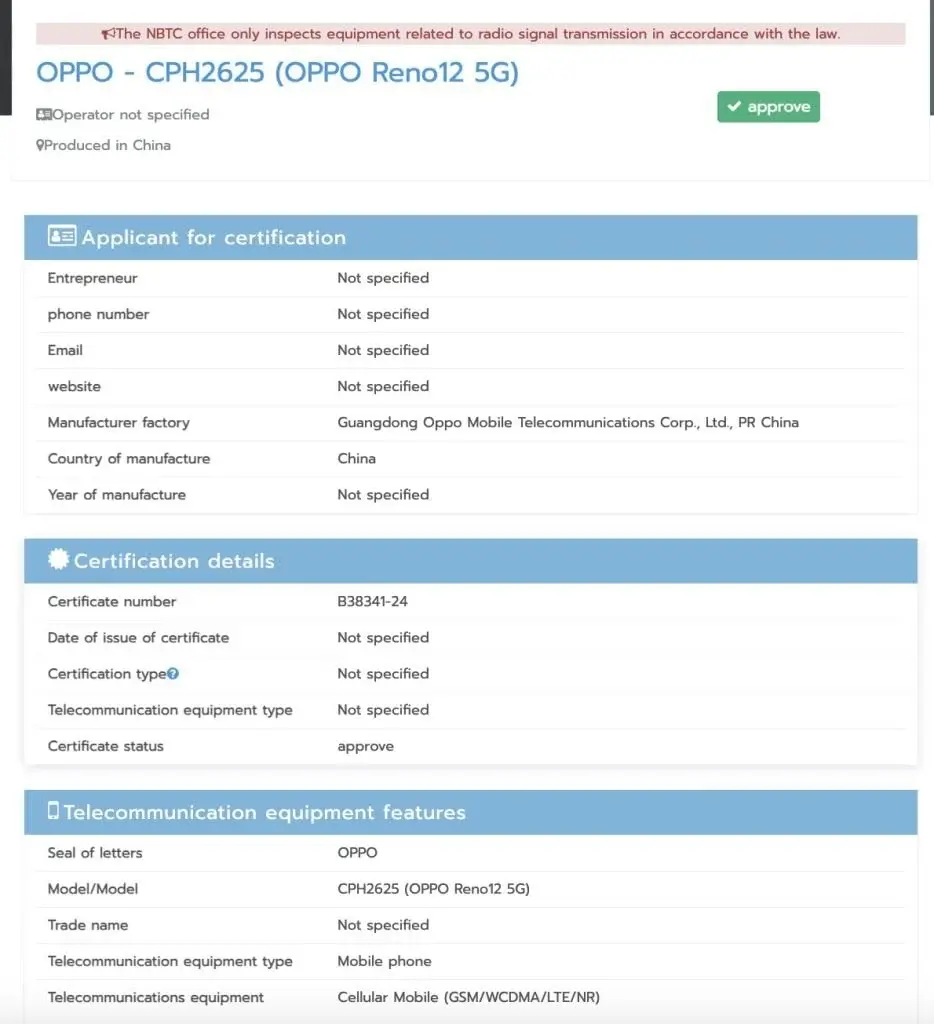
    The Reno 12 5G has recently received certification from Thailand’s NBTC under the model number CPH2625, indicating its readiness for a global release. Additionally, it has met regulatory standards in Singapore, supporting multiple network technologies such as WCDMA, LTE, and 5G.

    Oppo Reno 12 Specifications

    While detailed information on the Reno 12 is scarce, Geekbench listings hint at an octa-core processor. This might be the Dimensity 8300 SoC paired with the Mali G615 MC2 GPU for the global variant, and the Dimensity 8250 SoC for the Chinese market. The smartphone could feature a 6.7-inch OLED display with a 1.5K resolution.

    Camera and Battery

    In terms of optics, the Reno 12 could sport a 50-megapixel main camera with EIS support, an 8-megapixel ultra-wide lens, and a 50-megapixel telephoto camera with 2x optical zoom. The front camera might also be a 50-megapixel sensor for high-quality selfies. Furthermore, the device is expected to come with a 5,000mAh battery that supports 80W fast charging.

    More details will emerge as we approach the May 23 launch date, so stay tuned for further updates.